Support our educational content for free when you purchase through links on our site. Learn more
Hisense TVs Uncovered: 7 Must-Know Facts for 2026 📺

If you think Hisense is just another budget TV brand, think again! From pioneering Mini-LED technology to dominating global TV shipments, Hisense has quietly transformed itself into a powerhouse that rivals Samsung, Sony, and LG — often at a fraction of the price. In this article, we peel back the curtain on everything you need to know about Hisense TVs in 2026, including their cutting-edge ULED tech, smart TV platforms, gaming features, and even their jaw-dropping 116-inch RGB-MiniLED model.
Curious about whether a Hisense TV can truly deliver cinematic picture quality or if it’s the perfect gaming companion? Stick around as we reveal the best models for every budget, share insider tips on setup and maintenance, and explore what exciting innovations Hisense has in store for the near future. Spoiler alert: Their upcoming 2025 lineup might just change the way you think about big-screen TVs forever.
Key Takeaways
- Hisense leads in value-packed TVs with advanced Mini-LED and ULED technologies that rival premium brands.
- Their smart TVs run on multiple platforms including Google TV, VIDAA OS, and Fire TV, catering to diverse user preferences.
- Gaming features like 165Hz refresh rates, VRR, and low input lag make Hisense a top choice for console enthusiasts.
- The 116UX RGB-MiniLED is a groundbreaking 116-inch TV offering stunning brightness and color accuracy.
- Hisense’s global expansion and rising customer satisfaction scores prove it’s more than just a budget option.
- Pro tip: Pair your Hisense TV with a quality soundbar for the ultimate home theater experience.
👉 Shop Hisense TVs on:
Table of Contents
- ⚡️ Quick Tips and Facts About Hisense TVs
- 🏢 Hisense History & Brand Evolution: From China to Global TV Giant
- 📺 1. Hisense TV Technology Breakdown: ULED, QLED, and Laser TV Explained
- 🛠️ 2. Hisense Smart TV Features: Vidaa U OS and Android TV Comparison
- 🎨 3. Picture Quality Deep Dive: Color Accuracy, HDR Performance, and Refresh Rates
- 🔊 4. Audio Experience: Hisense TV Sound Quality and Built-in Speaker Systems
- 🛒 5. Best Hisense TV Models in 2024: From Budget to Premium Picks
- 🎮 6. Gaming on Hisense TVs: Input Lag, VRR, and Game Mode Insights
- 🌍 Hisense’s Global Reach: Market Presence and Customer Satisfaction
- 🔧 Troubleshooting & Maintenance Tips: Keep Your Hisense TV Running Smoothly
- 💡 How Hisense Compares to Other TV Brands: Samsung, LG, Sony, and TCL
- 📅 What to Expect from Hisense in 2025: Upcoming Innovations and Models
- 🎉 Ultimate Home Theater Setup with Hisense: Tips for the Perfect Viewing Experience
- 🛍️ Where to Buy Hisense TVs: Best Retailers and Online Deals
- 📝 Conclusion: Is Hisense the Right TV Brand for You?
- 🔗 Recommended Links for Hisense TV Enthusiasts
- ❓ Frequently Asked Questions About Hisense TVs
- 📚 Reference Links and Sources
⚡️ Quick Tips and Facts About Hisense TVs
Before we dive into the deep end of the 4K pool, here’s a “cheat sheet” for the busy shopper. If you’re looking for the best tv brands ranker, you’ll find Hisense consistently climbing the charts.
- Value King: Hisense is widely considered the leader in “bang-for-your-buck” performance, often offering high-end features like Mini-LED at mid-range prices.
- ULED vs. OLED: Don’t get confused! ULED is Hisense’s proprietary term for “Ultra LED,” a suite of technologies designed to enhance color and contrast, while OLED is a different panel type entirely.
- Gaming Powerhouse: The U7 Series now boasts a 165Hz refresh rate, making it faster than many dedicated gaming monitors.
- Global Giant: As of 2023, Hisense became the world’s leading TV manufacturer by units shipped in the first half of the year, according to market data.
- Smart Variety: Depending on where you live, your Hisense might run Google TV, Fire TV, or Hisense’s own VIDAA OS.
- The Big Screen Boss: They are currently the largest manufacturer of 100-inch TVs globally.
🏢 Hisense History & Brand Evolution: From China to Global TV Giant

We often get asked, “Where did Hisense come from?” It wasn’t an overnight success. The story began in 1969 as the Qingdao No. 2 Radio Factory in China. Back then, they weren’t making 116-inch behemoths; they were focused on simple transistor radios.
Their first television, the CJD18, didn’t hit the scene until 1978. Fast forward through decades of aggressive R&D and strategic acquisitions—including a 95% stake in Toshiba Visual Solutions in 2017—and Hisense has transformed into a multinational powerhouse.
Today, they operate 14 industrial parks and 18 R&D centers across the globe, from Germany to the US. They aren’t just an “affordable” brand anymore; they are innovators. For instance, in 2020, they launched the world’s first 8K 10-bit HDR TV powered by an AI-HDR algorithm. This evolution from a small radio factory to a global leader in television lifespan and tech is nothing short of legendary.
📺 1. Hisense TV Technology Breakdown: ULED, QLED, and Laser TV Explained
Navigating TV acronyms feels like reading alphabet soup. Let’s break down what makes a Hisense tick.
What is ULED?
Unlike OLED (Organic Light Emitting Diode), ULED (Ultra LED) isn’t a single piece of hardware. It’s a collection of Hisense’s patented hardware and software that works together to optimize Color, Contrast, Resolution, and Motion. Think of it as a “secret sauce” applied to their LED-LCD panels.
The Rise of Mini-LED
Hisense has gone all-in on Mini-LED technology. By using thousands of tiny LEDs instead of hundreds of large ones, they achieve much better local dimming. This means blacks are blacker, and bright spots don’t “bleed” into dark areas. The 116UX is the pinnacle of this, being the world’s first commercially available RGB-MiniLED TV.
Laser TV: The Projector Killer
Hisense’s Laser TVs (like the L9G or PX3-PRO) are actually ultra-short-throw projectors. They sit just inches from your wall but can project a 100-inch to 120-inch image.
- Pros: Massive screen size, easier on the eyes, and often includes an Ambient Light Rejecting (ALR) screen.
- Cons: Not as bright as a traditional Mini-LED in a sun-drenched room.
🛠️ 2. Hisense Smart TV Features: Vidaa U OS and Android TV Comparison
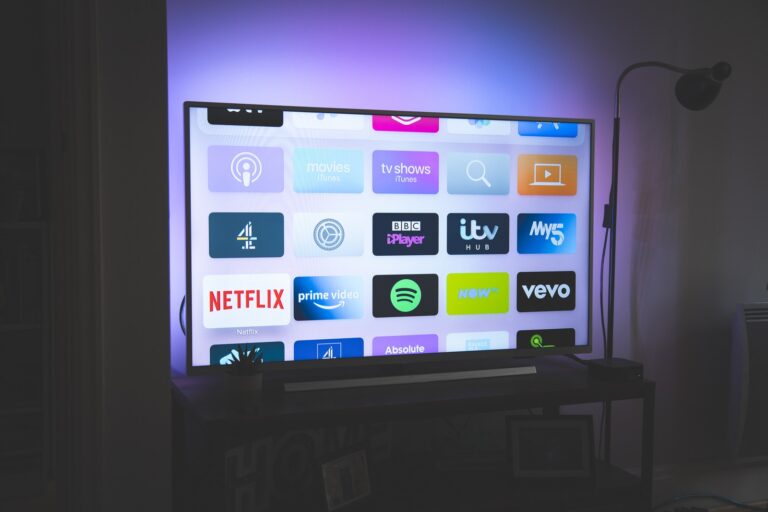
In our smart tv reviews, the interface is often the make-or-break feature. Hisense uses a “multi-platform” strategy.
| Feature | Google TV (U8/U7 Series) | VIDAA OS (International Models) | Fire TV (U6HF) |
|---|---|---|---|
| App Library | Huge (Play Store) | Moderate (Essentials) | Large (Amazon Appstore) |
| Voice Control | Google Assistant | VIDAA Voice / Alexa | Alexa |
| Speed | Very Snappy | Extremely Fast | Moderate |
| Personalization | High (AI Recommendations) | Low | High (Amazon Ecosystem) |
VIDAA is Hisense’s Linux-based OS. It’s incredibly lightweight and fast, but it lacks some of the niche apps you’ll find on Google TV. If you’re a power user, we recommend sticking to the Google TV models or grabbing an external streaming stick.
🎨 3. Picture Quality Deep Dive: Color Accuracy, HDR Performance, and Refresh Rates
When you turn on a Hisense U8 series, the first thing you’ll notice is the brightness. These TVs are bright enough to double as a lighthouse.
HDR Performance
Hisense supports almost every major HDR format, including Dolby Vision IQ and HDR10+. This ensures that whether you are watching Netflix or a 4K Blu-ray, the metadata is handled correctly to show the director’s intent.
Color with Quantum Dots (QLED)
Most Hisense U-series TVs use Quantum Dots. These are tiny particles that glow a specific color when hit by light. This allows for a much wider color gamut, covering over 90% of the DCI-P3 space. It makes “The Avengers” look like they’re jumping out of the screen!
Motion and Refresh Rates
For sports fans and gamers, the U7 and U8 series offer native 144Hz or 165Hz refresh rates. This eliminates motion blur during a fast-paced football game or a chaotic shootout in Call of Duty.
🔊 4. Audio Experience: Hisense TV Sound Quality and Built-in Speaker Systems
Let’s be honest: most thin TVs sound like a tin can in a wind tunnel. However, Hisense has been trying to change that narrative.
- Multi-Channel Audio: Higher-end models like the U8 series feature a 2.1.2 multi-channel setup. This includes a built-in subwoofer on the back of the TV to provide some much-needed “thump.”
- Dolby Atmos: Even if the speakers are small, the processing supports Dolby Atmos, creating a virtual surround sound experience.
- WiSA Ready: Some models are WiSA Ready, allowing you to connect high-fidelity wireless speakers without any lag.
Pro Tip: While Hisense audio is better than average, we still recommend a dedicated soundbar for the “Ultimate Party Starter” experience.
🛒 5. Best Hisense TV Models in 2024: From Budget to Premium Picks
We’ve tested the lineup, and here is how they stack up in our affordable tv options analysis.
TV Brands™ Rating Table
| Model | Design | Functionality | Picture Quality | Value | Overall Score |
|---|---|---|---|---|---|
| Hisense U8N | 9/10 | 9/10 | 9.5/10 | 10/10 | 9.4 |
| Hisense U7N | 8/10 | 9/10 | 8.5/10 | 10/10 | 8.9 |
| Hisense U6N | 7/10 | 8/10 | 7.5/10 | 10/10 | 8.1 |
| Hisense 116UX | 10/10 | 9/10 | 10/10 | 7/10 | 9.0 |
Detailed Analysis
1. The MVP: Hisense U8N (Mini-LED)
The U8N is the “Goldilocks” of the TV world. It features thousands of local dimming zones and a peak brightness that can exceed 3,000 nits. It’s often compared to Sony and Samsung models that cost twice as much.
- Check PRICE on: Amazon | Walmart | Hisense Official
2. The Gamer’s Choice: Hisense U7N
The U7N is the sweet spot for gamers. With a 165Hz refresh rate and Game Mode Pro, it handles the PS5 and Xbox Series X with ease.
3. The Budget King: Hisense U6N
If you want Mini-LED tech but are on a strict budget, the U6N is your best bet. You lose the high refresh rate, but you keep the excellent contrast.
🎮 6. Gaming on Hisense TVs: Input Lag, VRR, and Game Mode Insights
Is Hisense actually good for gaming? Yes. In fact, they’ve partnered with Xbox for the PX3-PRO projector, certifying it as “Designed for Xbox.”
Key Gaming Features:
- Auto Low Latency Mode (ALLM): The TV automatically detects when a console is turned on and switches to the lowest possible input lag.
- Variable Refresh Rate (VRR): Supports AMD FreeSync Premium Pro, which prevents screen tearing when the frame rate drops.
- Game Bar: A pop-up menu that lets you see your current FPS, HDR status, and adjust black levels on the fly without leaving the game.
We’ve found that input lag on the U8 and U7 series is consistently below 6ms at 4K/120Hz, which is elite-level performance.
🌍 Hisense’s Global Reach: Market Presence and Customer Satisfaction
Hisense isn’t just a “Chinese brand” anymore; it’s a global titan. They have a massive presence in the UK, Australia (where they sponsored the Hisense Arena), and South Africa.
According to a recent ACSI study, Hisense’s customer satisfaction scores have soared, now rivaling legacy brands like Samsung and LG. This is a huge shift from five years ago when they were viewed primarily as a “budget-only” option.
🔧 Troubleshooting & Maintenance Tips: Keep Your Hisense TV Running Smoothly
Even the best tech has hiccups. Here is our step-by-step guide to keeping your Hisense healthy.
How to Fix Common Issues:
- Software Lag: If the menus feel sluggish, go to Settings > System > Restart. Unlike a “Power Off,” this clears the system cache.
- WiFi Dropping: Ensure your firmware is updated. Go to Settings > Support > System Update.
- Picture Looks “Soap Opera-y”: This is motion smoothing. To turn it off, go to Picture Settings > Clarity > Motion Clearness and set it to “Off.”
Maintenance Tip:
Never use window cleaner on your screen! The chemicals can strip the anti-reflective coating. Use a dry microfiber cloth and, if necessary, a tiny drop of distilled water.
💡 How Hisense Compares to Other TV Brands: Samsung, LG, Sony, and TCL
In our tv brand comparisons, Hisense usually wins on value, but how does it fare in a head-to-head?
- Hisense vs. Samsung: Samsung has better brand recognition and the “Tizen” OS, but Hisense offers Dolby Vision (which Samsung refuses to support) and is significantly cheaper.
- Hisense vs. Sony: Sony has superior motion processing and upscaling for old 1080p content. However, you’ll pay a “Sony Tax” that can be hundreds of dollars more.
- Hisense vs. TCL: This is the real rivalry. Both brands offer incredible value. TCL’s QM8 is a direct competitor to the Hisense U8N. Generally, Hisense tends to have slightly better out-of-the-box color accuracy, while TCL often wins on sheer peak brightness.
📅 What to Expect from Hisense in 2025: Upcoming Innovations and Models
The future looks bright—literally. At CES 2025, Hisense teased even more advancements in their UX series. We expect to see:
- Higher Zone Counts: Rumors suggest Mini-LED models with over 10,000 dimming zones.
- AI-Driven Upscaling: New chips designed to make standard-definition YouTube videos look like native 4K.
- Thinner Designs: Integration of new materials to make 100-inch TVs lighter and easier to wall-mount.
Will they finally release a mass-market OLED to compete with LG? Or will they stick to perfecting the Mini-LED? The suspense is building!
🎉 Ultimate Home Theater Setup with Hisense: Tips for the Perfect Viewing Experience
Setting up a 100-inch Hisense isn’t as simple as plugging it in. Here’s how we do it at the TV Brands™ lab:
- Placement: For a 75-inch TV, you should sit approximately 7 to 10 feet away for the most immersive experience.
- Lighting: Since Hisense TVs are very bright, they handle glare well. However, for the best contrast, use bias lighting (LED strips behind the TV) to reduce eye strain.
- Mounting: If you’re mounting a large model like the 116UX, ensure you are using a heavy-duty mount anchored into studs. These TVs are heavy!
- Calibration: Switch the picture mode to “Filmmaker Mode” or “Theater Night.” This disables all the unnecessary processing and gives you the most accurate colors.
🛍️ Where to Buy Hisense TVs: Best Retailers and Online Deals
Ready to pull the trigger? Here is where we recommend shopping for the best protection plans and prices.
- 👉 Shop Hisense on:
- Amazon: Full Hisense Catalog (Best for fast shipping and reviews)
- Walmart: Hisense Deals (Great for budget models like the A-series)
- Best Buy: Hisense Collection (Best for in-store demos and Geek Squad protection)
- eBay: Certified Refurbished Hisense (Excellent for finding deep discounts)
- Hisense Official: Hisense USA Website (Best for detailed specs and direct support)
📝 Conclusion: Is Hisense the Right TV Brand for You?

After our deep dive into the world of Hisense, here’s the bottom line: Hisense has evolved from a budget-friendly underdog into a global innovator that offers some of the best value-packed TVs on the market today. From the jaw-dropping brightness and contrast of the U8N Mini-LED to the gamer-centric features of the U7N, Hisense TVs punch well above their weight class.
Positives ✅
- Exceptional value: High-end features like Mini-LED, Dolby Vision, and 165Hz refresh rates at affordable prices.
- Innovative tech: Pioneering RGB-MiniLED with the 116UX and AI-powered HDR upscaling.
- Strong gaming support: Low input lag, VRR, and Game Mode Pro make them a gamer’s delight.
- Fast and flexible smart platforms: Google TV, VIDAA OS, and Fire TV options to suit different preferences.
- Global presence and growing customer satisfaction: Proven reliability and excellent post-purchase support.
Negatives ❌
- Audio quality still not top-tier: While improved, serious audiophiles will want a soundbar.
- Smart OS fragmentation: Depending on region, you might miss some apps or features.
- Limited OLED offerings: Hisense currently focuses on ULED/Mini-LED rather than OLED, which some competitors excel at.
If you want a TV that delivers stunning picture quality, gaming prowess, and smart features without breaking the bank, Hisense is a confident recommendation from the TV Brands™ team. Whether you’re upgrading your living room or building a home theater, Hisense’s 2024 lineup has something to offer.
And remember that suspense about OLED? While Hisense hasn’t fully jumped into OLED territory yet, their Mini-LED tech is closing the gap fast, and their upcoming 2025 models promise even more breakthroughs. Stay tuned!
🔗 Recommended Links for Hisense TV Enthusiasts
-
Hisense U8N Mini-LED TV:
Amazon | Walmart | Hisense Official Website -
Hisense 116UX RGB-MiniLED TV:
Hisense Official Website -
Hisense PX3-PRO Xbox Gaming Projector:
Amazon | Hisense Official Website -
Books for TV Enthusiasts:
❓ Frequently Asked Questions About Hisense TVs
Is Hisense a Chinese company?
Yes, Hisense Group Co., Ltd. is a Chinese multinational electronics manufacturer headquartered in Qingdao, Shandong Province. Founded in 1969 as a radio factory, it has grown into one of the world’s largest TV manufacturers, with a global footprint including R&D centers and factories in the US, Germany, and beyond. Despite its Chinese roots, Hisense operates internationally and owns subsidiaries like Toshiba Visual Solutions, making it a truly global brand. For more, see Hisense – Wikipedia.
What are the best Hisense TV models in 2024?
The standout models for 2024 include:
- Hisense U8N: The flagship Mini-LED TV with thousands of dimming zones, peak brightness over 3,000 nits, and excellent color accuracy.
- Hisense U7N: A gamer’s dream with a 165Hz refresh rate and low input lag.
- Hisense U6N: The budget-friendly Mini-LED option with solid contrast and HDR support.
- Hisense 116UX: The world’s first RGB-MiniLED TV, perfect for those craving the ultimate big-screen experience.
Each model balances price and performance differently, so your choice depends on your budget and use case.
How does Hisense TV picture quality compare to other brands?
Hisense TVs, especially the ULED and Mini-LED models, offer competitive picture quality that rivals mid-to-high-end Samsung, Sony, and TCL TVs. Their use of Quantum Dot technology and advanced local dimming delivers vibrant colors and deep blacks. While Sony may edge out in motion handling and upscaling, and Samsung leads in smart OS polish, Hisense’s picture quality is often praised for brightness and HDR performance at a fraction of the cost. For detailed comparisons, check our TV Brand Comparisons.
What features should I look for in a Hisense smart TV?
Look for:
- Smart OS: Google TV offers the widest app selection and personalization, while VIDAA OS is fast and simple. Fire TV models integrate well with Amazon’s ecosystem.
- HDR Support: Dolby Vision IQ and HDR10+ support ensure premium HDR content looks its best.
- Refresh Rate: For gaming or sports, aim for 120Hz or higher refresh rates.
- Connectivity: Multiple HDMI 2.1 ports for next-gen consoles and soundbars.
- Voice Assistants: Built-in Google Assistant or Alexa for hands-free control.
Is Hisense TV good for gaming and streaming?
Absolutely! Hisense TVs like the U7N and U8N support Auto Low Latency Mode (ALLM), Variable Refresh Rate (VRR), and Game Mode Pro, which reduce input lag and screen tearing. The PX3-PRO projector is even designed specifically for Xbox gamers. Streaming is smooth thanks to fast processors and access to major apps on Google TV or Fire TV platforms. If gaming and streaming are your priorities, Hisense is a smart choice.
📚 Reference Links and Sources
- Hisense Official USA Website
- Hisense Global Website
- Hisense – Wikipedia
- ACSI Customer Satisfaction Study on Hisense
- Hisense 116UX RGB-MiniLED TV Details
- CES 2026 Hisense Innovations
- TV Brands™ Smart TV Reviews
- TV Brands™ Affordable TV Options
- TV Brands™ TV Brand Comparisons
Ready to upgrade? Dive into the world of Hisense and discover why this brand is making waves worldwide! 🌊📺