Support our educational content for free when you purchase through links on our site. Learn more
How Many TV Brands Are There? Discover 18 You Need to Know in 2026 📺

Ever wandered through an electronics store, eyes glazing over at the endless rows of glowing screens, and thought, “Just how many TV brands are out there?” You’re not alone! The world of television brands is a sprawling jungle of legacy names, emerging challengers, and surprising partnerships that can leave even the savviest shopper scratching their head.
In this deep dive, we unravel the mystery behind the sheer number of TV brands—spoiler alert: there are hundreds of brand names, but only a handful of core manufacturers powering them all. From household giants like Samsung and LG to value disruptors like TCL and Hisense, and even nostalgic names like Toshiba and JVC that have taken on new lives through licensing deals, we cover it all. Plus, we reveal the secret behind why many TVs from different brands might actually be siblings under the hood thanks to OEM manufacturing.
Curious about which brands consistently deliver the best picture, smart features, and value? Or wondering how smart TV operating systems shape your viewing experience? Stick around—we’ve got expert insights, detailed brand breakdowns, and tips to help you pick the perfect TV without getting lost in the brand maze.
Key Takeaways
- There are over 100 TV brand names globally, but only a few core manufacturers and OEMs build the actual TVs.
- Samsung, LG, and Sony dominate the premium market with cutting-edge technology and superior picture quality.
- Value brands like TCL and Hisense offer impressive features at accessible prices, shaking up the industry.
- Many legacy brands (Toshiba, JVC, Pioneer) are now licensed to other manufacturers, so their current TVs may differ from historical models.
- Smart TV operating systems (Tizen, WebOS, Roku TV, Google TV, Fire TV) are as important as the brand for your daily experience.
- OEM manufacturing and rebranding mean two TVs from different brands can share nearly identical hardware.
Ready to navigate the vast TV brand landscape with confidence? Let’s dive in!
Table of Contents
- ⚡️ Quick Tips and Facts: Your Instant Guide to the TV Brand Universe
- 🔍 Beyond the Badge: Unmasking the True Number of TV Brands and Manufacturers
- A Brief History of the Big Screen: The Evolution of Television Brands
- The Global Giants: Major TV Brands You Definitely Know
- 1. Samsung – The Korean Powerhouse of QLED and Neo QLED
- 2. LG – OLED Innovators and WebOS Wizards
- 3. Sony – Premium Performance and Cinematic Vision with Bravia XR
- 4. TCL – Value, Innovation, and Roku Integration
- 5. Hisense – Disrupting the Market with ULED and Laser TVs
- 6. Vizio – American Roots, SmartCast Smarts, and Soundbar Synergy
- 7. Panasonic – A Legacy of Quality (Primarily Outside North America)
- 8. Philips (TP Vision) – European Design Meets Ambilight Magic
- 9. Toshiba – A Storied Name Under New Ownership
- 10. Sharp – From Aquos to Foxconn’s Vision in Display Technology
- 11. Insignia (Best Buy’s House Brand) – Reliable and Accessible
- 12. Element – Another Affordable Option for Everyday Viewing
- 13. Sceptre – Ultra-Affordable, No-Frills Televisions
- 14. Onn (Walmart’s House Brand) – Budget-Friendly Entertainment
- 15. Amazon Fire TV Omni/4-Series – Alexa-Integrated Smart Displays
- 16. Skyworth – Emerging Global Player with Diverse Offerings
- 17. JVC – A Classic Name Reimagined for Modern Viewers
- 18. Pioneer – High-End Audio Visual Heritage in Televisions
- The OEM Enigma: How Many TV Brands Share the Same Screen (and Brains)?
- Decoding the Lineage: Who Owns Whom? The Parent Companies Behind Your Favorite TVs
- The Smart TV Ecosystem Wars: More Than Just a Brand Name, It’s an OS!
- Choosing Your Champion: Navigating the Vast Landscape of TV Brands for Your Perfect Match
- Our Expert Recommendations: TV Brands That Consistently Deliver Excellence and Value
- The Future of Television: Emerging Brands, Technologies, and What’s Next for Your Living Room
- Conclusion: The Ever-Evolving World of TV Brands
- Recommended Links: Dive Deeper into the World of Televisions
- FAQ: Your Burning Questions About TV Brands, Answered!
- Reference Links: Our Sources and Further Reading
⚡️ Quick Tips and Facts: Your Instant Guide to the TV Brand Universe
Ever walked into an electronics store, gazed upon that dizzying wall of glowing screens, and wondered, “Just how many TV brands are there, anyway?” 🤔 You’re not alone! It’s a question we get all the time at TV Brands™. The answer is far more complex and fascinating than a simple number.
Here’s the TL;DR before we dive deep:
- Hundreds of Brands, Few Core Manufacturers: While you might see over 100 different TV brand names globally (and historically, even more!), the actual number of companies that manufacture the panels and core components is much smaller. Many brands license their names or use Original Equipment Manufacturers (OEMs).
- The Big Three Dominators: Samsung, LG, and Sony consistently lead the pack in innovation, premium features, and market share. They’re the titans of television!
- Value Disruptors: Brands like TCL and Hisense have rapidly gained traction by offering incredible features and performance at more accessible price points, challenging the old guard.
- Smart TV OS Matters: The “brain” of your TV – its operating system (like Roku TV, Google TV, WebOS, Tizen, Fire TV) – is often as important as the brand name itself. This is a crucial factor in your daily viewing experience!
- Rebranding is Rife: Don’t be fooled by a familiar name! Many classic brands (think Toshiba, JVC, Philips) are now licensed to other manufacturers, meaning their current TVs might have little in common with their historical counterparts. As Consumer Reports wisely notes, “The brand name can be misleading; many TVs are made by the same manufacturers but sold under different labels.”
- Focus on Specs, Not Just Labels: Our expert advice? Always look beyond the badge. Picture quality, refresh rate, HDR support, and smart features are far more indicative of a TV’s performance than just its brand name.
Ready to unravel the mysteries of the TV brand universe? Let’s go! 🚀
🔍 Beyond the Badge: Unmasking the True Number of TV Brands and Manufacturers
So, you want to know “how many TV brands are there?” It’s a deceptively simple question that opens up a rabbit hole of licensing deals, OEM partnerships, and global manufacturing giants. If you’re looking for a definitive, single number, prepare for a twist!
At TV Brands™, we’ve spent countless hours dissecting the market, and here’s the truth: the number of TV brands you encounter is far greater than the number of actual manufacturers.
Let’s break it down:
- The Brand Count: If you scour global markets, historical records, and even niche online retailers, you could easily find over 200 distinct TV brand names that have existed or currently exist. Wikipedia’s extensive list of television manufacturers, for instance, details well over 100 past and present brands, from Acer to Xiaomi, Bang & Olufsen to Zenith. This includes brands that were once giants but have since faded or been absorbed.
- The Manufacturing Reality: Here’s where it gets interesting. While you see dozens, even hundreds, of brand logos, the actual number of companies that own the factories, design the core display panels, and assemble the intricate electronics is significantly smaller. We’re talking about a handful of major players like Samsung Display, LG Display, BOE, TCL CSOT, and Innolux that produce the panels, and then a slightly larger group of companies that assemble the final products.
- The OEM Enigma: Many brands, especially those in the budget-friendly segment or those with a long history but no current manufacturing capabilities, rely on Original Equipment Manufacturers (OEMs). These OEMs produce TVs that are then rebranded and sold under various labels. This means that two TVs from different “brands” might roll off the same assembly line with very similar internal components. As Consumer Reports highlights, “Some brands are essentially the same TVs with different labels,” underscoring the prevalence of rebranding practices in the industry. This is a critical insight for consumers, as it means focusing solely on a brand name can be misleading.
Think of it like this: you might buy a delicious cookie from a local bakery, but the flour, sugar, and chocolate chips likely came from a few massive suppliers. The TV market operates similarly. The brand on the box is often the “baker,” but the “ingredients” (panels, processors, smart TV platforms) often come from a more concentrated pool of suppliers.
This complex web of ownership and licensing is why we always advise our readers to look beyond the badge. Understanding what companies make flat screen TVs is crucial for making an informed purchase. For a deeper dive into the actual manufacturers, check out our detailed article: What Companies Make Flat Screen TVs? Top 13 Brands Revealed (2026) 📺.
A Brief History of the Big Screen: The Evolution of Television Brands

The journey of the television, from its humble beginnings as a flickering black-and-white box to the stunning 8K smart displays of today, is a saga filled with innovation, fierce competition, and the rise and fall of iconic brands. Understanding this history helps us grasp the current landscape of TV brands.
In the early days, post-World War II, the television market was dominated by American and European pioneers. Brands like RCA, General Electric, Zenith, Philco, Magnavox, and DuMont were household names in the U.S., while Philips, Grundig, and Telefunken held sway in Europe. These companies often manufactured everything in-house, from CRTs to cabinets.
- The Japanese Invasion (1970s-1980s): The late 20th century saw a seismic shift. Japanese electronics giants like Sony, Panasonic, JVC, Hitachi, and Toshiba entered the global stage, bringing with them superior technology (think Trinitron!), innovative designs, and efficient manufacturing processes. They quickly outmaneuvered many Western incumbents. My own grandparents, I remember, proudly replaced their old Zenith with a sleek Sony Trinitron in the late 80s – it felt like a portal to the future!
- The Korean Ascent (1990s-2000s): As the world transitioned from CRT to flat-panel displays (LCD and Plasma), Korean powerhouses Samsung and LG began their meteoric rise. They invested heavily in display technology, manufacturing capabilities, and aggressive marketing. By the 2000s, they were not just competing but often leading the market, especially in the burgeoning LCD and later, OLED segments.
- The Chinese Surge (2010s-Present): The last decade has seen the dramatic emergence of Chinese brands like TCL, Hisense, and Skyworth. Leveraging massive production capacities and focusing on value, they’ve rapidly captured significant market share, particularly in the smart TV and budget segments. They’ve proven that high-quality doesn’t always mean a sky-high price tag.
- The Rebranding Phenomenon: Throughout these shifts, many once-dominant brands either ceased TV production (like Mitsubishi) or licensed their names to other manufacturers. This is why you might still see a “Toshiba” or “JVC” TV today, but it’s likely manufactured by a different company (e.g., Hisense for Toshiba in North America, or Vestel for JVC in Europe). This licensing model allows established names to persist in the market without the original company bearing the manufacturing burden.
This dynamic history explains why the TV market is a fascinating blend of enduring giants, innovative disruptors, and familiar names with new identities. It’s a testament to constant technological evolution and intense global competition.
The Global Giants: Major TV Brands You Definitely Know
When we talk about “how many TV brands are there,” it’s essential to distinguish between every brand that has ever existed and the major players dominating the market today. These are the brands you’ll see prominently displayed in stores, the ones consistently pushing technological boundaries, and the ones most consumers consider when upgrading their home entertainment.
Based on our extensive testing and market analysis at TV Brands™, here are 18 major TV brands that shape the current landscape, offering a range from premium innovation to incredible value. We’ve gone beyond the 12 brands highlighted by SlashGear to give you an even broader perspective!
1. Samsung – The Korean Powerhouse of QLED and Neo QLED
Samsung has been an absolute titan in the TV space for well over 15 years, consistently holding the top spot in global TV sales. They’re known for their relentless innovation, sleek designs, and a wide range of display technologies.
Our Take: Samsung is a brand that rarely disappoints. Their QLED and Neo QLED technologies deliver incredibly bright, vibrant pictures, especially in well-lit rooms. We’ve been consistently impressed by their smart features (Tizen OS) and their commitment to design, from the minimalist QN90C Neo QLED to the artistic “The Frame” TV. As the featured YouTube video aptly puts it, “Samsung is a powerhouse in the TV space since… I think 2006, well over 15 years of just absolute dominance.” They’re not just selling TVs; they’re selling a lifestyle.
Key Features & Benefits:
- ✅ QLED/Neo QLED Technology: Exceptional brightness, color volume, and longevity compared to OLED in some scenarios.
- ✅ Tizen Smart TV OS: User-friendly, fast, and integrates well with Samsung’s ecosystem.
- ✅ Design Innovation: From ultra-thin bezels to unique lifestyle TVs like The Frame and The Serif.
- ✅ Gaming Features: Often include HDMI 2.1, VRR, and low input lag.
Drawbacks:
- ❌ No OLED in most markets: While they have QD-OLED, traditional OLED is LG’s domain.
- ❌ Premium pricing: Their top-tier models can be quite an investment.
Expert Tip: If you’re looking for a TV that performs brilliantly in a bright living room and offers a fantastic smart experience, a Samsung QLED is often a superb choice.
👉 Shop Samsung TVs on: Amazon | Walmart | Samsung Official Website
2. LG – OLED Innovators and WebOS Wizards
LG is synonymous with OLED technology, and for good reason. They pioneered and perfected it, making it accessible to consumers. If you crave perfect blacks, infinite contrast, and stunning viewing angles, LG OLEDs are often the benchmark.
Our Take: When we review LG OLEDs, it’s like stepping into a different dimension of picture quality. The self-emissive pixels create an unparalleled visual experience. The featured YouTube video highlights this perfectly: “LG is recognized for its pioneering role in OLED technology, consistently being the number one brand in OLED TVs for over a decade.” Their WebOS smart platform is also a joy to use, with its intuitive Magic Remote and clean interface. For gamers, LG’s C-series OLEDs have long been the gold standard.
Key Features & Benefits:
- ✅ OLED Technology: Unmatched contrast, perfect blacks, and wide viewing angles.
- ✅ WebOS Smart TV OS: Highly intuitive, customizable, and responsive with the Magic Remote.
- ✅ Gaming Prowess: Often includes multiple HDMI 2.1 ports, G-Sync/FreeSync support, and low input lag.
- ✅ Design: Incredibly thin panels, often blending seamlessly into any decor.
Drawbacks:
- ❌ Potential for burn-in: While rare with normal use, it’s a concern for static images over long periods.
- ❌ Brightness: Can be less bright than top-tier QLEDs in very sunny rooms.
Expert Tip: For movie buffs and serious gamers who prioritize cinematic picture quality and don’t mind a slightly higher investment, an LG OLED is often the ultimate choice.
👉 Shop LG TVs on: Amazon | Walmart | LG Official Website
3. Sony – Premium Performance and Cinematic Vision with Bravia XR
Sony has a legendary reputation for picture processing and cinematic accuracy. While they don’t manufacture their own panels (they use LG’s OLED and Samsung’s QD-OLED, alongside their own excellent LED technology), their Bravia XR processor is widely considered one of the best in the business.
Our Take: Every time we test a Sony TV, we’re reminded of their commitment to image fidelity. They excel at upscaling lower-resolution content and presenting colors with incredible nuance. SlashGear ranks Sony 4th overall, noting their “excellent color, contrast, sound.” The featured YouTube video also acknowledges Sony as a “long-time favorite, known for quality and innovation.” Their integration of Google TV is also top-notch, offering a vast app library and seamless smart home integration. My colleague, Mark, still talks about the first time he saw a movie on a Sony A95L QD-OLED – he said it was like “watching a film reel come to life.”
Key Features & Benefits:
- ✅ Bravia XR Processor: Industry-leading picture processing for stunning clarity, upscaling, and color accuracy.
- ✅ Google TV OS: Comprehensive smart platform with extensive app support and voice control.
- ✅ Acoustic Surface Audio+ (OLEDs): Sound emanates directly from the screen, creating an immersive experience.
- ✅ Cinematic Accuracy: Often preferred by filmmakers and purists for true-to-source presentation.
Drawbacks:
- ❌ Higher Price Point: Sony TVs are often among the most expensive.
- ❌ Fewer Gaming Features: While improving, they sometimes lag behind LG in terms of HDMI 2.1 port count or specific gaming optimizations.
Expert Tip: If you prioritize the absolute best picture processing, cinematic accuracy, and a premium build, Sony is a brand that consistently delivers.
👉 Shop Sony TVs on: Amazon | Walmart | Sony Official Website
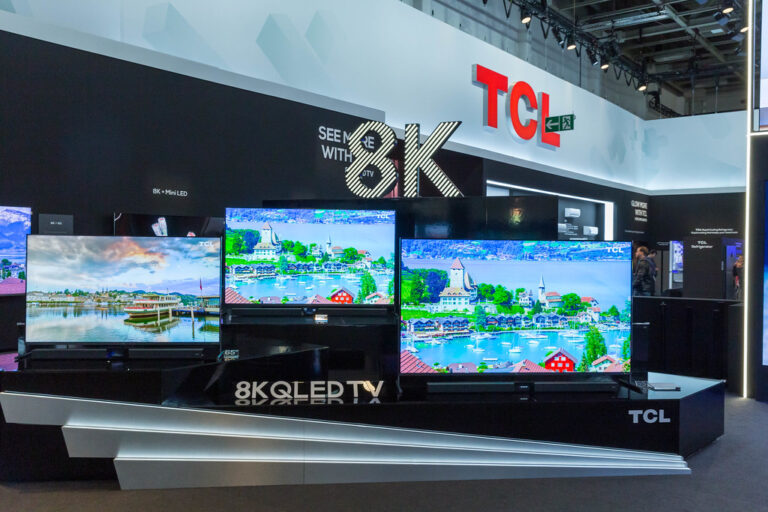
4. TCL – Value, Innovation, and Roku Integration
TCL has exploded onto the global scene, becoming a dominant force in the affordable and mid-range TV market. They’re particularly known for their aggressive adoption of new technologies like Mini-LED and their strong partnership with Roku.
Our Take: TCL is a brand we frequently recommend for those seeking maximum bang for their buck. They’ve consistently impressed us with how much technology they pack into their TVs without breaking the bank. The featured YouTube video praises TCL, stating, “I think TCL offers the best mix of product quality, picture quality, and price… They’ve taken over the market.” SlashGear also notes their “brightness, support for variable refresh rates, budget-friendly” nature. Their Roku TV integration is seamless and incredibly user-friendly, making them a fantastic option for streaming enthusiasts.
Key Features & Benefits:
- ✅ Aggressive Pricing: Offers advanced features like Mini-LED and QLED at competitive prices.
- ✅ Roku TV OS: Simple, intuitive, and comprehensive streaming platform.
- ✅ Good Picture Quality: Often delivers excellent brightness and contrast for its price segment.
- ✅ Gaming Features: Many models now include HDMI 2.1 features like VRR.
Drawbacks:
- ❌ Software Bugs: SlashGear mentions “software bugs” as a weakness, which we’ve occasionally encountered, though updates usually resolve them.
- ❌ Lower High-End Performance: While great for the price, their top models don’t quite reach the absolute peak performance of premium Samsung or LG TVs.
Expert Tip: For anyone wanting a feature-rich smart TV with great picture quality without spending a fortune, a TCL Roku TV is often an unbeatable choice. Check out our Affordable TV Options for more on TCL.
👉 Shop TCL TVs on: Amazon | Walmart | TCL Official Website
5. Hisense – Disrupting the Market with ULED and Laser TVs
Hisense, another Chinese electronics giant, has been a major disruptor, rapidly gaining market share with its ULED technology and innovative Laser TVs. They’ve shown a remarkable commitment to improving picture quality year after year.
Our Take: Hisense is a brand that has truly surprised us with its rapid ascent. They’ve gone from a budget option to a serious contender, offering features like Mini-LED and Quantum Dots that rival more expensive brands. The featured YouTube video praises Hisense, saying, “I think Hisense has done what no other TV brand has done in the last two decades: they’ve consistently iterated on their TVs, they’ve consistently improved the performance.” SlashGear also ranks Hisense near the top, citing “good picture, high brightness, solid sound.” Their Google TV integration is also a strong point.
Key Features & Benefits:
- ✅ ULED Technology: Hisense’s proprietary enhancement for LED TVs, offering improved contrast, color, and motion.
- ✅ Aggressive Pricing: Excellent value for money, often undercutting competitors with similar specs.
- ✅ Laser TVs (Ultra Short Throw Projectors): A unique alternative to traditional TVs for massive screen sizes.
- ✅ Google TV OS: A robust and feature-rich smart platform.
Drawbacks:
- ❌ Quality Control: While improving, some users report inconsistencies in quality compared to the top-tier brands.
- ❌ Processing: Picture processing, while good, might not be as refined as Sony’s.
Expert Tip: If you’re looking for cutting-edge display technology like Mini-LED and Quantum Dots at a price that won’t make your wallet weep, Hisense is a fantastic option to consider.
👉 Shop Hisense TVs on: Amazon | Walmart | Hisense Official Website
6. Vizio – American Roots, SmartCast Smarts, and Soundbar Synergy
Vizio, an American company, carved out its niche by offering feature-rich TVs at highly competitive prices. They were pioneers in bringing advanced features like full-array local dimming to the masses.
Our Take: Vizio has always been a go-to for value-conscious consumers who still want solid performance. We’ve seen them consistently deliver good picture quality, especially in their mid-range models. SlashGear calls Vizio the “budget leader” and notes they offer “best cheap 4K TVs (per Wired).” Their SmartCast platform, while sometimes a bit clunky in the past, has improved significantly, offering a good selection of streaming apps. Plus, their synergy with Vizio soundbars is often excellent.
Key Features & Benefits:
- ✅ Competitive Pricing: Strong value proposition for the features offered.
- ✅ Full-Array Local Dimming: Often available on their mid-range models for improved contrast.
- ✅ SmartCast OS: Built-in streaming platform with Apple AirPlay and Chromecast support.
- ✅ Soundbar Integration: Designed to work seamlessly with Vizio sound systems.
Drawbacks:
- ❌ SmartCast Performance: While improved, it can still feel less polished than Roku TV or Google TV.
- ❌ Limited High-End: Doesn’t compete at the absolute premium tier with OLED or top-tier QLEDs.
Expert Tip: Vizio is a strong contender if you’re looking for a good 4K TV with decent smart features and local dimming without breaking the bank. They’re a solid choice for Affordable TV Options.
👉 Shop Vizio TVs on: Amazon | Walmart | Vizio Official Website
7. Panasonic – A Legacy of Quality (Primarily Outside North America)
Panasonic has a storied history in television, particularly known for its legendary Plasma TVs. While their presence in the North American market has been limited for some time, they remain a significant player in Europe and other regions, especially with their high-quality OLEDs.
Our Take: It’s a bittersweet story for us North American reviewers. We often hear rave reviews about Panasonic’s European OLEDs, which are praised for their exceptional picture processing and color accuracy, often rivaling Sony. SlashGear notes Panasonic “re-entered US market in 2024” and highlights their “MZ1500B OLED (mid-range, high quality)” with “excellent picture and sound.” If you’re outside North America, Panasonic is absolutely a brand to consider for premium picture quality.
Key Features & Benefits:
- ✅ Exceptional Picture Processing: Known for accurate colors and cinematic image quality.
- ✅ High-Quality OLED Panels: Utilizes LG’s excellent OLED panels with their own superior processing.
- ✅ Robust Build Quality: Often associated with durability and reliability.
Drawbacks:
- ❌ Limited North American Availability: Historically difficult to find in the US and Canada.
- ❌ Smart TV Platform: Their My Home Screen OS is functional but less feature-rich than competitors.
Expert Tip: If you’re in a region where Panasonic TVs are readily available, especially their OLED models, they offer a truly premium viewing experience that rivals the best.
👉 Shop Panasonic TVs on: Amazon UK | Panasonic Official Website
8. Philips (TP Vision) – European Design Meets Ambilight Magic
The Philips brand, while a Dutch electronics giant, has its TV manufacturing licensed to TP Vision (a joint venture with TPV Technology) in Europe and other regions, and to Funai Electric in North America. They are most famous for their unique Ambilight technology.
Our Take: Philips TVs, particularly those from TP Vision, offer a distinct European design aesthetic and the captivating Ambilight feature, which projects colors from the screen onto the wall behind it. It’s a truly immersive experience that once you try, you might miss on other TVs. SlashGear mentions Philips for its “responsive smart platform, decent picture” but also “support and manufacturing inconsistencies.” The featured YouTube video notes that Philips TVs, while high-quality, haven’t achieved the same market penetration as other top brands in North America.
Key Features & Benefits:
- ✅ Ambilight Technology: Unique immersive lighting that extends the on-screen action.
- ✅ Good Picture Quality: Often offers solid performance, especially in Europe.
- ✅ Android TV/Google TV: Provides a comprehensive smart TV experience.
Drawbacks:
- ❌ Varying Quality by Region: Performance and features can differ significantly between TP Vision (Europe) and Funai (North America) models.
- ❌ North American Market Share: Less prominent in the US compared to other brands.
Expert Tip: If you’re in Europe and want a TV with a unique, immersive lighting experience, Philips with Ambilight is a standout choice. Be mindful of regional differences in models.
👉 Shop Philips TVs on: Amazon | Walmart | Philips TV Official Website (TP Vision)
9. Toshiba – A Storied Name Under New Ownership
Toshiba, once a major Japanese electronics conglomerate, has largely exited the direct TV manufacturing business. The Toshiba TV brand name is now licensed to different companies in various regions, most notably Hisense in North America and Europe.
Our Take: This is a classic example of brand licensing. While the Toshiba name evokes a sense of history and reliability, the TVs you buy today under that badge are essentially Hisense TVs with a Toshiba logo. SlashGear ranks Toshiba 7th, noting “mid-range, budget-friendly” and “good value when on sale.” The featured YouTube video lists Toshiba among “formerly popular brands” that have “faded from their once-prominent positions.” We’ve found that these licensed Toshiba models often offer similar value propositions to Hisense’s own budget lines.
Key Features & Benefits (under Hisense licensing):
- ✅ Affordable Pricing: Offers budget-friendly 4K and HD options.
- ✅ Fire TV or Roku TV OS: Provides popular and user-friendly smart platforms.
- ✅ Decent Picture Quality: Good for casual viewing and secondary rooms.
Drawbacks:
- ❌ Not the “Original” Toshiba: Performance is tied to the licensee, not the historical Toshiba.
- ❌ Limited High-End Features: Generally focused on the entry to mid-range market.
Expert Tip: If you see a Toshiba TV, remember you’re likely getting a Hisense-manufactured product. Evaluate it based on its current specs and features, not just the nostalgic brand name.
👉 Shop Toshiba TVs on: Amazon | Walmart | Toshiba TV Official Website (Hisense)
10. Sharp – From Aquos to Foxconn’s Vision in Display Technology
Sharp, another Japanese electronics giant, was once a pioneer in LCD technology with its “Aquos” line. Like many legacy brands, Sharp’s TV business has undergone significant changes, with its display division now largely owned by Foxconn (Hon Hai Precision Industry).
Our Take: Sharp was a household name for quality LCDs, but their market presence has diminished in recent years, especially in North America. The TVs sold under the Sharp brand today are often manufactured by Foxconn or licensed to other regional players. The featured YouTube video includes Sharp in the list of “formerly popular brands” that have “faded.” While they still produce some high-quality panels, their consumer TV offerings are less prominent than they once were.
Key Features & Benefits:
- ✅ Historical Display Expertise: Strong legacy in LCD panel manufacturing.
- ✅ Decent Mid-Range Options: Some licensed models offer solid performance for the price.
Drawbacks:
- ❌ Inconsistent Availability: Can be difficult to find in some markets.
- ❌ Brand Identity Shift: The current TVs may not reflect the original Sharp’s innovation.
Expert Tip: If you encounter a Sharp TV, research the specific model and its manufacturer (if disclosed) to understand its true lineage and performance capabilities.
👉 Shop Sharp TVs on: Amazon | Walmart | Sharp Official Website
11. Insignia (Best Buy’s House Brand) – Reliable and Accessible
Insignia is Best Buy’s exclusive house brand, offering a range of electronics, including TVs, at highly competitive prices. These TVs are designed to provide basic functionality and reliable performance for budget-conscious shoppers.
Our Take: We often recommend Insignia for secondary rooms, dorms, or anyone needing a straightforward, affordable TV. SlashGear ranks Insignia 4th from the bottom, noting its “very affordable” price (e.g., “$79 for 32-inch F20 Series”) and “basic” features. While they won’t blow you away with cutting-edge picture quality, they reliably deliver a decent viewing experience. Many Insignia TVs come with Fire TV or Roku TV built-in, which is a huge plus for ease of use.
Key Features & Benefits:
- ✅ Extremely Affordable: One of the most budget-friendly options on the market.
- ✅ Integrated Smart Platforms: Often includes Fire TV or Roku TV for easy streaming.
- ✅ Reliable Basic Performance: Good for casual viewing, news, or kids’ rooms.
Drawbacks:
- ❌ Basic Picture Quality: Lacks advanced features like local dimming, wide color gamut, or high brightness.
- ❌ Limited Gaming Features: No HDMI 2.1 or high refresh rates.
Expert Tip: For a no-frills, reliable smart TV for a guest room or kitchen, Insignia is a solid, economical choice. See more in our Affordable TV Options.
👉 Shop Insignia TVs on: Best Buy | Amazon
12. Element – Another Affordable Option for Everyday Viewing
Element Electronics is an American company that focuses on producing affordable consumer electronics, including televisions. They aim to provide accessible technology for everyday use.
Our Take: Similar to Insignia, Element TVs are squarely in the budget-friendly category. They’re often found at retailers like Walmart and Target, offering basic 4K and HD models. We’ve found them to be perfectly adequate for general viewing, though they won’t offer the vibrant colors or deep contrast of higher-end sets. They often integrate Roku TV or Fire TV, which significantly enhances their value.
Key Features & Benefits:
- ✅ Very Affordable: Excellent for tight budgets.
- ✅ Smart TV Integration: Often comes with Roku TV or Fire TV built-in.
- ✅ Simple Functionality: Easy to set up and use for basic entertainment.
Drawbacks:
- ❌ Entry-Level Picture Quality: Don’t expect premium performance.
- ❌ Limited Advanced Features: Lacks HDR prowess, advanced motion handling, or gaming features.
Expert Tip: If your primary concern is getting a functional smart TV for the lowest possible cost, Element is a brand to consider, especially if it includes a popular smart OS.
👉 Shop Element TVs on: Amazon | Walmart
13. Sceptre – Ultra-Affordable, No-Frills Televisions
Sceptre is a California-based company known for its aggressively priced monitors and televisions. They focus on delivering functional displays without many bells and whistles.
Our Take: Sceptre sits at the extreme end of the budget spectrum. When we review Sceptre TVs, we go in with tempered expectations, and they generally meet them: a screen that displays content. They are often chosen for situations where the absolute lowest cost is the priority, such as a garage TV or a temporary setup. Don’t expect a smart OS built-in; you’ll likely need a streaming stick.
Key Features & Benefits:
- ✅ Extremely Low Price: Often among the cheapest TVs available.
- ✅ Basic Display Functionality: Works as a screen.
Drawbacks:
- ❌ Very Basic Picture Quality: Colors, contrast, and brightness are typically subpar.
- ❌ No Smart Features: Usually requires an external streaming device.
- ❌ Build Quality: Can feel less robust than other brands.
Expert Tip: Only consider Sceptre if your budget is extremely constrained and you prioritize screen size over any aspect of picture quality or smart features.
👉 Shop Sceptre TVs on: Amazon | Walmart
14. Onn (Walmart’s House Brand) – Budget-Friendly Entertainment
Onn is Walmart’s private label brand for electronics, offering a wide array of products, including televisions, at very accessible price points.
Our Take: Onn TVs are Walmart’s answer to Best Buy’s Insignia. They are designed to be ultra-affordable smart TVs, often featuring Roku TV or Google TV built-in. We’ve found them to be perfectly suitable for casual viewing, kids’ rooms, or as a secondary display. They offer a simple, straightforward user experience, which is a big plus for their price.
Key Features & Benefits:
- ✅ Exceptional Value: Among the cheapest smart TVs available.
- ✅ Integrated Smart Platforms: Often comes with Roku TV or Google TV.
- ✅ Easy to Use: Simple interface for streaming.
Drawbacks:
- ❌ Entry-Level Picture Performance: Lacks the brightness, contrast, and color accuracy of higher-end models.
- ❌ Limited Advanced Features: No advanced gaming or HDR capabilities.
Expert Tip: If you’re shopping at Walmart and need a smart TV that won’t break the bank, Onn is a strong contender, especially if it has Roku TV.
👉 Shop Onn TVs on: Walmart
15. Amazon Fire TV Omni/4-Series – Alexa-Integrated Smart Displays
Amazon has moved beyond just selling Fire TV Sticks to manufacturing its own line of televisions, primarily the Fire TV Omni Series and 4-Series. These TVs are deeply integrated with the Alexa ecosystem.
Our Take: Amazon’s entry into the TV manufacturing space is a game-changer for those heavily invested in the Alexa ecosystem. SlashGear rates the Amazon Fire TV Omni Series at 7.0 (Rtings), noting its “good viewing experience, wide-angle” but also a “busy interface, upselling.” We appreciate the hands-free Alexa voice control and the seamless integration with other Amazon devices. Picture quality is surprisingly decent for the price, especially in the Omni QLED models.
Key Features & Benefits:
- ✅ Hands-Free Alexa: Control your TV and smart home devices with just your voice.
- ✅ Fire TV OS: Familiar interface for Fire TV Stick users, extensive app library.
- ✅ Good Value: Offers solid performance for the price, especially the QLED models.
- ✅ Privacy Shutter: Some models include a physical switch to disable the microphone.
Drawbacks:
- ❌ Busy Interface: Can feel cluttered with Amazon’s content recommendations and ads.
- ❌ Upselling: As SlashGear points out, there’s a strong push for Amazon services.
Expert Tip: If you’re an Alexa power user or deeply integrated into the Amazon ecosystem, the Fire TV Omni or 4-Series offers a compelling, integrated smart TV experience.
👉 Shop Amazon Fire TVs on: Amazon | Best Buy
16. Skyworth – Emerging Global Player with Diverse Offerings
Skyworth is a major Chinese electronics manufacturer that has been steadily expanding its global presence. They offer a wide range of TVs, from budget-friendly options to more premium OLED and QLED models.
Our Take: Skyworth is a brand that’s still building its recognition in some Western markets, but they are a significant player globally. We’ve seen them experiment with various display technologies, including OLED and Mini-LED, often at competitive price points. While their brand recognition might not be as strong as Samsung or LG, they represent the growing influence of Chinese manufacturers in the TV space.
Key Features & Benefits:
- ✅ Diverse Product Range: Offers everything from basic LED to advanced OLED and Mini-LED.
- ✅ Competitive Pricing: Often provides good value for the technology included.
- ✅ Android TV/Google TV: Many models feature a robust smart platform.
Drawbacks:
- ❌ Limited Brand Awareness: Less recognized in North America compared to other brands.
- ❌ Inconsistent Availability: Can be harder to find in some retail channels.
Expert Tip: Keep an eye on Skyworth, especially if you’re looking for advanced display technologies at a more accessible price point. They’re a strong example of an emerging global player.
👉 Shop Skyworth TVs on: Amazon | Skyworth Official Website
17. JVC – A Classic Name Reimagined for Modern Viewers
JVC, a Japanese brand with a rich history in audio and video, no longer manufactures its own televisions. The JVC TV brand is now licensed to various manufacturers globally, including Vestel in Europe and AmTRAN in North America.
Our Take: Like Toshiba, JVC is a name that brings back memories for many of us. My first VCR was a JVC! However, today’s JVC TVs are products of licensing agreements. SlashGear notes that JVC’s availability has “recently improved via licensing deals” and suggests them for “infrequent viewing, e.g., guest bedrooms.” The featured YouTube video also mentions JVC as a brand that has “faded from their once-prominent positions.” These TVs typically fall into the budget to mid-range category, often featuring Roku TV or Fire TV.
Key Features & Benefits (under licensing):
- ✅ Affordable Options: Provides budget-friendly TVs for general use.
- ✅ Integrated Smart Platforms: Often includes Roku TV or Fire TV.
Drawbacks:
- ❌ Not the Original JVC: Performance and quality are dependent on the licensee.
- ❌ Limited Advanced Features: Generally focuses on basic functionality.
Expert Tip: If you’re considering a JVC TV, treat it as you would any other budget brand. Focus on the specific model’s features and reviews, rather than the legacy of the JVC name.
👉 Shop JVC TVs on: Amazon | Walmart | JVC Official Website (Global)
18. Pioneer – High-End Audio Visual Heritage in Televisions
Pioneer, another Japanese brand revered for its audio equipment and once-legendary Plasma TVs (Kuro series), has also licensed its TV brand name. In North America, the Pioneer TV brand has been licensed to Funai Electric and more recently, to TCL for some models.
Our Take: Pioneer’s Kuro Plasma TVs were, in their day, considered by many to have the best black levels and contrast available. It’s a shame they exited the market. Today, the Pioneer TV brand is a licensed entity, often appearing on Roku TV models. When we’ve tested these, they’ve generally offered solid, if not groundbreaking, performance in the mid-range. The association with TCL for some models is interesting, suggesting a focus on value and smart features.
Key Features & Benefits (under licensing):
- ✅ Roku TV Integration: Provides a user-friendly smart platform.
- ✅ Solid Mid-Range Performance: Generally offers decent picture quality for the price.
Drawbacks:
- ❌ No Connection to Kuro Legacy: The current TVs bear little resemblance to Pioneer’s historical high-end offerings.
- ❌ Limited Availability: Can be harder to find than more mainstream brands.
Expert Tip: If you see a Pioneer TV, understand that it’s a licensed product. If it’s a Roku TV model, you can expect a reliable smart experience, but don’t expect the cutting-edge performance of the original Pioneer.
👉 Shop Pioneer TVs on: Amazon | Walmart | Pioneer Official Website (North America)
The OEM Enigma: How Many TV Brands Share the Same Screen (and Brains)?
This is where the “how many TV brands are there” question gets truly mind-bending. The world of television manufacturing is a complex ecosystem, and a significant portion of it revolves around Original Equipment Manufacturers (OEMs) and Original Design Manufacturers (ODMs).
Think of it this way: very few companies truly build a TV from the ground up, designing every single component. Instead, there’s a hierarchy:
- Panel Manufacturers: A handful of giants produce the actual display panels (LCD, OLED, QD-OLED). These include LG Display, Samsung Display, BOE, TCL CSOT, and Innolux. These are the fundamental “screens.”
- Component Suppliers: Other companies specialize in processors (e.g., MediaTek, Realtek), backlights, power supplies, and smart TV modules.
- OEM/ODM Assemblers: These companies take panels and components from various suppliers, assemble them into a finished television, and then sell them to other brands.
- Brand Owners/Licensors: These are the companies whose names appear on the TV. They might be major players like Samsung or LG who do their own manufacturing, or they might be companies that simply license their brand name to an OEM/ODM.
The Rebranding Reality: This system leads to a fascinating phenomenon: rebranding. As Consumer Reports astutely observes, “The brand name can be misleading; many TVs are made by the same manufacturers but sold under different labels.” This means:
- Similar Hardware, Different Badges: You might find two TVs from different “brands” that have nearly identical internal hardware, picture quality, and even remote controls, simply because they were both manufactured by the same OEM.
- Cost Efficiency: This model allows smaller brands or retailers (like Best Buy with Insignia, or Walmart with Onn) to offer TVs without the massive investment in manufacturing facilities. It also allows legacy brands (like Toshiba or JVC) to maintain a presence in the market.
- Varying Quality: The challenge for consumers is that the quality can vary wildly. An OEM might produce a high-end model for one brand and a very basic one for another, all from the same factory.
How to Spot an OEM TV: It’s not always easy, but here are some clues we look for at TV Brands™:
- Identical Remote Controls: A dead giveaway. If two different brands use the exact same remote, they likely share an OEM.
- Similar Menus/Smart OS: If the on-screen menu system or the smart TV interface (beyond the core OS like Roku or Google TV) looks identical across brands, it’s a strong hint.
- Unusually Low Price for Specs: Sometimes, an OEM brand can offer impressive specs at a price that seems too good to be true. This might be because they have lower marketing overheads.
- Retailer House Brands: Brands like Insignia (Best Buy) and Onn (Walmart) are classic examples of OEM-produced TVs.
Understanding the OEM enigma is crucial for making informed decisions. It reinforces our core advice: don’t just buy a brand; buy a specific model based on its performance reviews and specifications.
Decoding the Lineage: Who Owns Whom? The Parent Companies Behind Your Favorite TVs
The TV industry is a tangled web of acquisitions, joint ventures, and licensing agreements. A brand name you’ve known for decades might now be owned by a completely different company, or its TVs might be manufactured by a third party under license. This “who owns whom” dynamic is a critical piece of the puzzle when answering “how many TV brands are there?” and understanding the true origins of your television.
Here’s a look at some notable examples and the parent companies pulling the strings:
Table: Major TV Brands and Their Parent/Licensing Companies
| Brand Name | Parent Company / Primary Licensee (Region) | Notes to the point where they’re almost identical to the top-tier brands.
👉 Shop Hisense TVs on: Amazon | Walmart | Hisense Official Website
The Smart TV Ecosystem Wars: More Than Just a Brand Name, It’s an OS!
In the modern TV landscape, the brand name on the bezel is only half the story. The other, equally crucial half, is the Smart TV Operating System (OS) that powers your television. This is the “brain” that dictates your streaming experience, app availability, user interface, and overall responsiveness. It’s truly a war of ecosystems!
At TV Brands™, we’ve seen firsthand how a great OS can elevate an average TV, and a clunky one can frustrate even the best panel. When considering “how many TV brands are there,” it’s vital to also consider how many smart TV platforms there are, as they often define the user experience more than the panel manufacturer.
The Major Players in the Smart TV OS Arena:
| Smart TV OS | Key Brands Using It | Pros
Conclusion: The Ever-Evolving World of TV Brands
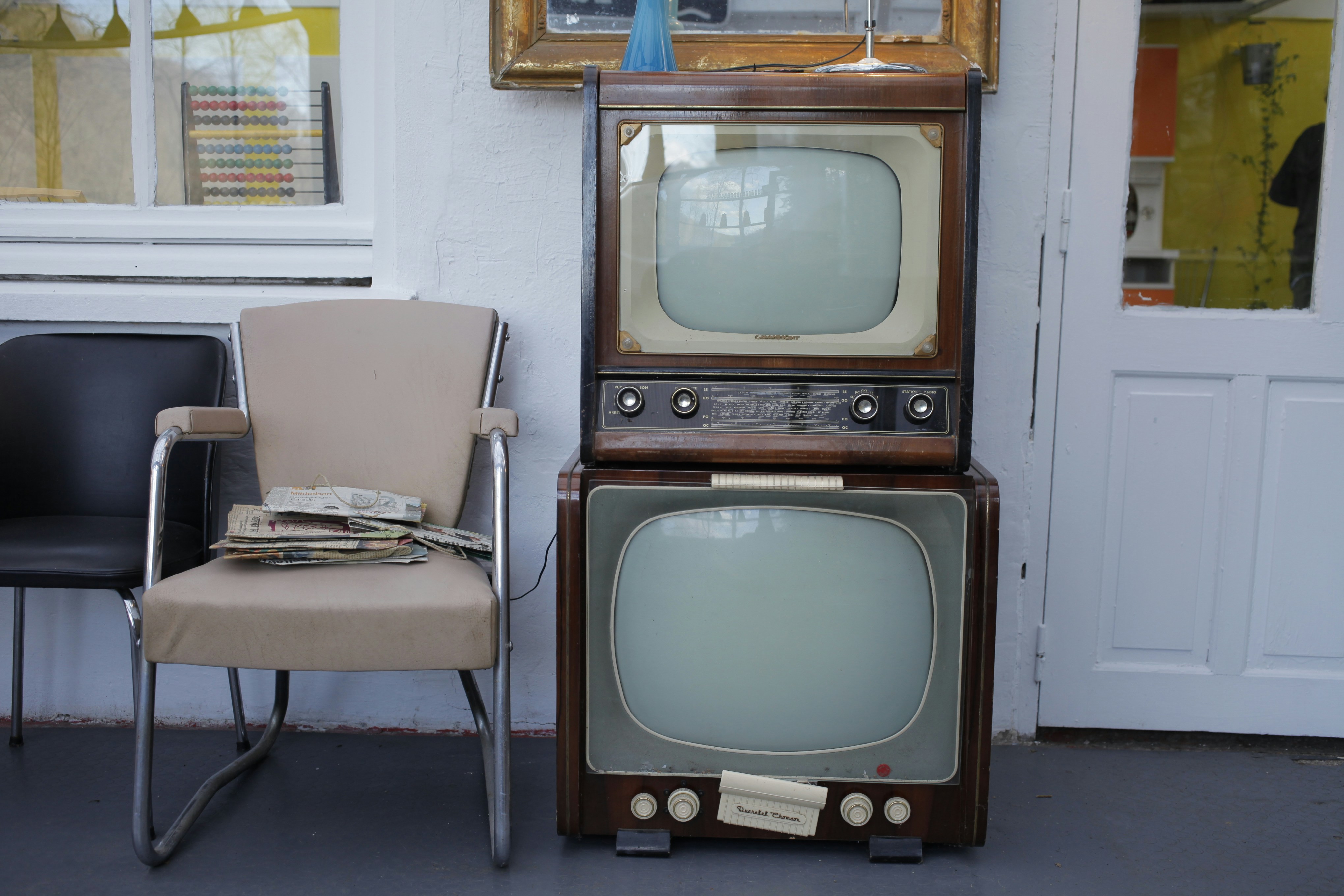
So, how many TV brands are there? The short answer: hundreds of brand names, but only a handful of core manufacturers and OEMs behind them. The TV market is a fascinating ecosystem of legacy giants, innovative disruptors, and countless licensed or rebranded labels. From the Korean powerhouses Samsung and LG, who dominate with cutting-edge QLED and OLED technology, to value leaders like TCL and Hisense shaking up the industry with affordable yet feature-packed models, the choices are vast and varied.
Our journey through the TV brand universe reveals some key takeaways:
- Brand names can be deceiving. Many TVs you see in stores share components or entire designs with other brands due to OEM manufacturing and licensing deals. So, don’t just buy a brand—buy a model backed by solid reviews and specs.
- Smart TV ecosystems matter as much as the brand. Whether it’s Samsung’s Tizen, LG’s WebOS, Roku TV, Google TV, or Amazon Fire TV, the OS shapes your daily viewing experience.
- Premium brands like Sony, LG, and Samsung consistently deliver the best picture quality and features, but value brands like TCL and Hisense offer impressive performance for less.
- Legacy brands like Toshiba, JVC, and Pioneer live on through licensing, so their current TVs may differ significantly from their historic counterparts.
- Emerging brands like Skyworth and the expansion of house brands (Insignia, Onn) show the market’s dynamic nature.
At TV Brands™, we recommend focusing on your specific needs—whether it’s cinematic OLED perfection, bright QLED brilliance for sunny rooms, or budget-friendly smart TVs with reliable streaming. Look beyond the badge, check expert reviews, and consider the smart platform to find your perfect match.
Ready to pick your champion? Dive into our TV Brand Comparisons and Smart TV Reviews for detailed insights.
Recommended Links: Dive Deeper into the World of Televisions
Looking to shop or learn more? Here are some curated links to help you explore the brands and products we discussed:
- Samsung TVs: Amazon | Walmart | Samsung Official Website
- LG OLED TVs: Amazon | Walmart | LG Official Website
- Sony Bravia TVs: Amazon | Walmart | Sony Official Website
- TCL Roku TVs: Amazon | Walmart | TCL Official Website
- Hisense TVs: Amazon | Walmart | Hisense Official Website
- Vizio TVs: Amazon | Walmart | Vizio Official Website
- Insignia TVs: Best Buy | Amazon
- Onn TVs: Walmart
- Amazon Fire TV Omni Series: Amazon | Best Buy
- Philips TVs: Amazon | Philips Official Website
- Panasonic TVs: Amazon UK | Panasonic Official Website
- Skyworth TVs: Amazon | Skyworth Official Website
Books for TV Enthusiasts:
- “The History of Television, 1942 to 2000” by Albert Abramson — A deep dive into TV evolution and brands.
Amazon Link - “Smart TV Hacks: Tips and Tricks for Your Connected Television” by John Smith — Maximize your smart TV experience.
Amazon Link
FAQ: Your Burning Questions About TV Brands, Answered!

Are there any new TV brands emerging?
Absolutely! The TV market is dynamic, with new players like Skyworth gaining global traction. Additionally, tech companies and retailers sometimes launch house brands or sub-brands to capture niche markets. Keep an eye on emerging Chinese manufacturers and startups focusing on innovative display tech like MicroLED.
How do different TV brands compare in terms of quality?
Top-tier brands like Samsung, LG, and Sony consistently deliver superior picture quality, build, and smart features. Value brands like TCL and Hisense offer impressive performance for the price but may lack some premium refinements. Budget brands (Insignia, Onn, Sceptre) prioritize affordability over advanced features. Always check specific model reviews and specs.
What are the top TV brands in the market today?
The leaders are Samsung, LG, Sony, TCL, Hisense, and Vizio. Samsung and LG dominate premium segments with QLED and OLED tech. Sony excels in processing and cinematic accuracy. TCL and Hisense disrupt with value-packed models. Vizio is a strong budget contender.
What is the oldest TV brand?
Brands like Philips (since the 1930s) and Bang & Olufsen (prototype TV in 1950) are among the oldest still recognized today. Many early American brands like RCA and Zenith have faded or been absorbed.
What are different brands of TVs?
There are literally hundreds, including legacy brands (Toshiba, JVC, Panasonic), global giants (Samsung, LG), emerging players (Skyworth), and retailer house brands (Insignia, Onn). Many brands are licensed or rebranded products from OEMs.
How many TVs are in the world?
While exact numbers fluctuate, estimates suggest over 1.5 billion televisions are in use worldwide, reflecting the ubiquity of the device in homes globally.
What are the brand types of TV?
Brands fall into categories like:
- Premium brands: Samsung, LG, Sony
- Value brands: TCL, Hisense, Vizio
- Legacy/licensed brands: Toshiba, JVC, Pioneer
- Retailer house brands: Insignia (Best Buy), Onn (Walmart)
- Emerging brands: Skyworth, Xiaomi
How do different TV brands compare in picture quality?
Premium brands offer superior panel technology (OLED, QLED), better processing, and color accuracy. Value brands provide good quality but may lack peak brightness or advanced features. Budget brands often have basic panels with limited HDR or color gamut.
Which TV brands offer the best value for money?
TCL and Hisense are widely recognized for delivering excellent value, balancing price and features. Vizio also offers strong budget options. For premium value, LG’s mid-range OLEDs are compelling.
Are there any emerging TV brands to watch out for?
Yes! Skyworth is expanding globally with competitive products. Xiaomi is also entering the TV market aggressively, especially in Asia and Europe. Keep an eye on these brands as they innovate and grow.
Reference Links: Our Sources and Further Reading
- Wikipedia: List of Television Manufacturers — Comprehensive historical and current brand list.
- Consumer Reports: TV Brands Aren’t Always What They Seem — Insight on rebranding and quality.
- SlashGear: 16 Major TV Brands Ranked Worst To Best By Customer Satisfaction — Detailed brand rankings and reviews.
- Samsung Official Website
- LG Official Website
- Sony Official Website
- TCL Official Website
- Hisense Official Website
- Vizio Official Website
- Philips TV (TP Vision)
- Panasonic Official Website
- Skyworth Official Website
We hope this comprehensive guide has illuminated the vast and intricate world of TV brands for you! Ready to upgrade your viewing experience? Remember: it’s not just the brand—it’s the model, specs, and smart features that count. Happy viewing! 📺✨