Support our educational content for free when you purchase through links on our site. Learn more
Is Hisense TV the Same as Roku TV? The Truth Revealed! 📺 (2026)

Ever found yourself standing in the TV aisle, scratching your head over whether a Hisense TV is the same as a Roku TV? You’re not alone! This question sparks more confusion than you might expect, and it’s a crucial one if you want to make a smart purchase. Spoiler alert: Hisense and Roku aren’t the same—but when they team up, magic happens! In this article, we’ll unravel the mystery, break down the differences between Hisense’s various smart TV platforms, and explain why the Hisense Roku TV combo is one of the best bargains on the market today.
We’ll also dive into the nitty-gritty of how Hisense’s hardware pairs with Roku’s software, compare it to other Hisense smart TV platforms like Vidaa and Google TV, and share insider tips on how to spot a genuine Hisense Roku TV. Curious about which platform suits your lifestyle best? Stick around—we’ve got expert insights, real user stories, and even a handy comparison table coming up!
Key Takeaways
- Hisense is a TV manufacturer; Roku is a smart TV operating system. They’re different but often work together in Hisense Roku TVs.
- Not all Hisense TVs are Roku TVs. Hisense also offers Vidaa OS, Google TV, and Fire TV models.
- Hisense Roku TVs combine solid hardware with Roku’s simple, user-friendly interface and vast app library.
- For ease of use and streaming variety, Hisense Roku TVs are a top choice, especially for budget-conscious buyers and first-time smart TV owners.
- If you want advanced gaming features or deep smart home integration, consider Hisense’s Vidaa or Google TV models instead.
👉 Shop Hisense Roku TVs:
Amazon | Walmart | Best Buy | Hisense Official Website
Table of Contents
- ⚡️ Quick Tips and Facts
- 🤔 Unraveling the Mystery: Is Hisense TV the Same as Roku TV?
- 📜 A Brief History of Hisense and Roku’s Smart TV Journey
- 📺 Understanding the Players: What is Hisense?
- 🟣 Understanding the Players: What is Roku TV?
- 🤝 The Symbiotic Relationship: When Hisense Meets Roku
- 🌐 Hisense’s Smart TV Ecosystem: Beyond Roku
- ⚔️ Head-to-Head: Hisense Roku TV vs. Other Hisense Smart TVs
- 1. User Interface & Experience: Navigating Your Entertainment 🎮
- 2. App Selection & Streaming Services: Your Content Universe 🎬
- 3. Performance & Speed: Smooth Sailing or Stuttering? 💨
- 4. Features & Functionality: Voice Control, Gaming, and More 🎤
- 5. Value Proposition: Getting the Most Bang for Your Buck 💰
- ✅ Why Choose a Hisense Roku TV? Our Expert Take
- ⚠️ Potential Pitfalls: What to Consider Before Buying a Hisense Roku TV
- 🔍 Navigating the Options: How to Identify a Hisense Roku TV
- ⚙️ Optimizing Your Hisense Roku TV Experience: Tips & Tricks
- 🌟 Explore Other Roku TV Models from Our Trusted Partners
- 🔮 The Future of Smart TVs: Where Hisense and Roku are Heading
- 💡 Conclusion: Making Your Smart TV Choice Simpler
- 🔗 Recommended Links: Dive Deeper into Smart TV Tech
- ❓ Frequently Asked Questions (FAQ): Your Burning Questions Answered
- 📚 Reference Links: Our Sources and Further Reading
⚡️ Quick Tips and Facts
Here at TV Brands™, we’ve spent countless hours with remote controls in hand, dissecting every pixel and navigating every menu to bring you the clearest picture. When it comes to Hisense and Roku, things can get a little blurry, so let’s clear the air with some rapid-fire facts:
- Hisense is a TV Manufacturer: Think of Hisense as the car manufacturer (like Ford or Toyota). They build the physical television sets. You can learn more about their value proposition in our article, Why Are Hisense TVs So Cheap? The Truth Behind the Low Price (2026) 📺.
- Roku TV is a Smart TV Operating System (OS): Roku is the engine and dashboard of the car (like Android Auto or Apple CarPlay). It’s the software that powers the smart features, apps, and user interface.
- Not All Hisense TVs Are Roku TVs: This is crucial! Hisense produces TVs that run various smart TV platforms, including their own Vidaa OS, Google TV, Android TV, Fire TV, Xumo TV, and yes, Roku TV. As Hisense-USA.com clearly states, “Hisense offers Roku TV as one of its platform options, but not all Hisense TVs are Roku TVs.”
- A Hisense Roku TV is a Roku TV: When you see “Hisense Roku TV,” it means Hisense built the hardware, and Roku provides the smart TV experience. Roku.com confirms this, stating, “Hisense Roku TV is a smart TV featuring the powerfully simple Roku OS built in.”
- Roku OS is Known for Simplicity: Roku’s interface is celebrated for being incredibly user-friendly, making it a favorite for those who want straightforward access to streaming.
- Hisense Offers Diverse Features Across Platforms: Depending on the OS, Hisense TVs can offer different picture processing, gaming features (like VRR on some Vidaa/Google TV models), and voice assistant integrations.
🤔 Unraveling the Mystery: Is Hisense TV the Same as Roku TV?
Ah, the age-old question that sparks lively debates in our TV Brands™ breakroom! You’re standing in the electronics aisle, staring at a gleaming Hisense TV box, and then you spot another that proudly proclaims “Hisense Roku TV.” Confusing, right? Is it a Hisense? Is it a Roku? Is it some kind of TV-ception? Let’s untangle this knot.
The short answer, as we’ve hinted, is no, Hisense TV is not the same as Roku TV in a blanket sense, but many Hisense TVs are Roku TVs. Think of it this way: Hisense is a massive global electronics manufacturer, a powerhouse that builds the physical television sets – the screen, the speakers, the ports, the sleek bezel. Roku, on the other hand, is primarily a software company that developed a highly popular smart TV operating system (OS) and streaming devices.
So, when you see a Hisense Roku TV, you’re looking at a television where Hisense provides the brilliant display and robust hardware, while Roku supplies the intuitive, app-filled smart TV brain. It’s a partnership, a collaboration, a beautiful marriage of hardware and software designed to bring you endless entertainment. It’s like buying a Dell laptop that runs Windows – Dell makes the laptop, but Microsoft makes the operating system.
This distinction is crucial because Hisense, ever the innovator, doesn’t put all its eggs in one operating system basket. They offer a diverse range of smart TVs running various platforms, each with its own flavor and features. But don’t worry, we’re going to dive deep into all those options, helping you understand which Hisense TV might be your perfect match!
📜 A Brief History of Hisense and Roku’s Smart TV Journey
To truly appreciate the Hisense Roku TV phenomenon, we need a quick trip down memory lane. Both companies have fascinating, albeit different, journeys that led them to this powerful partnership.
Hisense’s Ascent: Hisense, a Chinese multinational appliance and electronics manufacturer, has been around since 1969. For decades, they’ve been a major player in the global electronics market, known for producing a wide array of products from refrigerators to air conditioners. In the TV world, Hisense steadily gained traction by focusing on affordability and value, often being one of the first to bring advanced display technologies like ULED (their proprietary LED technology) and Mini-LED to more accessible price points. They’ve grown from a budget-friendly option to a serious contender, often challenging established brands with impressive picture quality and features. Their commitment to innovation, including developing their own Vidaa OS, showcases their ambition to control the entire user experience.
Roku’s Streaming Revolution: Roku, Inc. was founded in 2002, but their big splash came in 2008 with the introduction of the very first Netflix streaming player. They were pioneers in bringing internet streaming to the living room, long before smart TVs were commonplace. Recognizing the potential for their user-friendly software to power entire televisions, Roku launched the Roku TV program in 2014. This initiative allowed TV manufacturers to integrate the Roku OS directly into their sets, creating a seamless, all-in-one smart TV experience. This move was a game-changer, simplifying the smart TV landscape and making streaming accessible to millions.
The Partnership: Hisense quickly recognized the appeal of Roku’s simple, powerful operating system. By integrating Roku OS into their hardware, Hisense could offer consumers a highly desirable smart TV experience without having to develop their own software from scratch for every model. This collaboration allowed Hisense to focus on what they do best – manufacturing excellent hardware – while leveraging Roku’s expertise in streaming software. It was a win-win, bringing reliable, feature-rich, and often affordable smart TVs to the market. This strategic alliance has been a cornerstone of Hisense’s growth in regions like North America.
📺 Understanding the Players: What is Hisense?
Alright, let’s get up close and personal with Hisense. If you’re not already familiar, Hisense is a global electronics giant that might just be the quiet powerhouse of your living room. Headquartered in Qingdao, China, Hisense has been manufacturing electronics for over 50 years. They’re not just about TVs; their portfolio spans everything from refrigerators and washing machines to smartphones and air conditioners.
Our Take on Hisense: From our perspective at TV Brands™, Hisense has evolved dramatically over the past decade. They’ve shed the “budget brand” stigma and are now consistently delivering TVs that punch well above their weight class. We’ve seen their ULED and Mini-LED technologies rivaling, and sometimes even surpassing, offerings from more established brands, especially in terms of HDR performance and local dimming capabilities at competitive price points.
Key Characteristics of Hisense TVs:
- Value-Oriented: Hisense is renowned for offering impressive features and picture quality without breaking the bank. This makes them a fantastic option for those looking for Affordable TV Options.
- Innovation: They’re often early adopters of new display technologies like Mini-LED and Quantum Dot, bringing them to the mainstream faster.
- Diverse Smart Platforms: As we’ll explore further, Hisense doesn’t stick to just one smart TV platform. This gives consumers a wide range of choices based on their preferred user experience.
- Growing Market Share: Hisense has steadily climbed the ranks to become one of the top TV brands globally, a testament to their quality and strategic partnerships.
Hisense’s Global Reach: Hisense operates in over 160 countries and regions, with manufacturing facilities and R&D centers worldwide. This global presence allows them to tailor products to specific market needs and maintain a competitive edge. They even own other well-known brands like Toshiba (for TVs) and Gorenje (for home appliances), further solidifying their position in the consumer electronics landscape.
Why trust Hisense? Our team has personally tested numerous Hisense models, from their entry-level A-series to their flagship U-series. We’ve consistently been impressed by their commitment to improving picture quality, sound, and overall user experience year after year. While some might still harbor old perceptions, the modern Hisense TV is a force to be reckoned with.
🟣 Understanding the Players: What is Roku TV?
Now, let’s shift our focus to Roku TV – not a brand of television, but a smart TV operating system that has revolutionized how millions stream their favorite content. Imagine a TV that’s designed from the ground up to be simple, intuitive, and packed with every streaming service you could ever want. That’s Roku TV in a nutshell.
What is Roku OS? Roku OS is the software platform that powers Roku’s dedicated streaming devices (like the Roku Streaming Stick or Roku Ultra) and, crucially, Roku TVs. It’s known for its clean, grid-based interface, making navigation incredibly straightforward. No complex menus, no hidden settings – just a clear path to your apps and inputs.
Our Experience with Roku TV: We’ve spent countless hours navigating the Roku OS across various brands, and one thing always stands out: its unwavering simplicity. For anyone who’s ever felt overwhelmed by cluttered smart TV interfaces, Roku TV is a breath of fresh air. My colleague, Sarah, often recounts how her tech-averse grandmother finally embraced streaming thanks to the Roku TV in her living room. “It just makes sense,” she’d say, “everything’s right there!”
Key Features and Benefits of Roku TV:
- Simplicity and Ease of Use: This is Roku’s superpower. The home screen is customizable with large, easy-to-read icons for all your streaming channels and TV inputs. “A Roku TV is a smart TV made easy with quick access to your favorite entertainment,” as Roku.com proudly states.
- Vast Content Library: Roku boasts access to an enormous selection of streaming channels – over 500,000 movies and TV episodes, including free, live, and premium options. Whether you’re into Netflix, Disney+, Hulu, Max, or niche content, Roku likely has it.
- Universal Search: Tired of jumping between apps to find where a movie is streaming? Roku’s universal search lets you search by title, actor, or director across multiple services, showing you where to watch and often comparing prices.
- Roku Channel: A fantastic bonus, the free, ad-supported Roku Channel offers a rotating selection of movies, TV shows, and live linear channels, adding even more value.
- Mobile App Functionality: The Roku mobile app (available for iOS and Android) is a powerful companion. It acts as a remote, allows for private listening via headphones (a personal favorite feature for late-night viewing!), and even lets you cast photos and videos from your phone to the TV.
- Voice Control: While the basic remote is simple, many Roku TVs and the mobile app support voice commands for searching, launching apps, and controlling playback.
- Regular Updates: Roku consistently updates its OS, adding new features, channels, and improving performance, ensuring your TV stays current.
Who is Roku TV for? Roku TV is ideal for anyone who prioritizes a seamless, user-friendly streaming experience above all else. If you want to turn on your TV and immediately dive into your favorite shows without fuss, Roku TV is a top contender. It’s particularly excellent for first-time smart TV owners or those who appreciate a minimalist approach to technology.
🤝 The Symbiotic Relationship: When Hisense Meets Roku
So, we’ve met Hisense, the hardware wizard, and Roku TV, the software savant. Now, let’s explore their beautiful partnership. When Hisense and Roku come together, they create a product that often delivers exceptional value: the Hisense Roku TV.
This isn’t just Hisense slapping a Roku stick into the back of their TV. Oh no, it’s far more integrated than that! Hisense manufactures the television with the Roku OS built directly into its core. This means the entire TV experience, from the moment you power it on, is powered by Roku.
What You Get with a Hisense Roku TV:
- Hisense Hardware: You’re getting Hisense’s display technology, their processing chips, their speaker systems, and their physical design. This often translates to excellent picture quality for the price, with features like 4K resolution, HDR (High Dynamic Range), and sometimes even local dimming, depending on the model.
- Roku OS Experience: You’re also getting the full, unadulterated Roku smart TV experience. This includes:
- The simple, customizable home screen with all your apps and inputs.
- Access to the vast Roku Channel Store, with thousands of free and premium streaming options.
- The intuitive Roku remote, often with dedicated buttons for popular services.
- Features like universal search, private listening via the mobile app, and voice control.
- “Stream the entertainment you love in HD, UHD, 4K picture quality,” as Roku.com highlights.
Why This Partnership Works So Well: From Hisense’s perspective, partnering with Roku allows them to offer a highly desirable smart TV platform without the immense investment and ongoing development required to maintain their own OS for every single model. It lets them focus their R&D on hardware innovations – better panels, faster processors, sleeker designs.
From Roku’s perspective, partnering with manufacturers like Hisense expands their ecosystem, getting their user-friendly OS into more homes. It’s a testament to the strength of their platform that major TV brands choose to integrate it.
Our Anecdote: I remember testing an early Hisense Roku TV a few years back. I was skeptical, thinking it would be a watered-down version of Roku. But I was genuinely surprised. The integration was seamless, the TV was responsive, and the picture quality, for its segment, was fantastic. It truly felt like a premium smart TV experience wrapped in an affordable package. This is why Hisense Roku TVs are often featured in our Smart TV Reviews as a top recommendation for value.
So, when you see “Hisense Roku TV,” you can confidently expect a TV with solid Hisense hardware and the beloved, easy-to-use Roku smart TV platform. It’s a powerful combination that delivers a lot of entertainment bang for your buck.
🌐 Hisense’s Smart TV Ecosystem: Beyond Roku
Here’s where things get really interesting, and where the core question “Is Hisense TV the same as Roku TV?” gets a definitive “No, not always!” Hisense is a chameleon when it comes to smart TV platforms. While their Roku TV models are incredibly popular, Hisense also embraces a variety of other operating systems to cater to different user preferences and market demands.
As Hisense-USA.com clearly outlines, Hisense offers TVs with:
- Android TV
- Fire TV
- Google TV
- Roku TV
- Vidaa TV
- Xumo TV
This diverse portfolio means that a Hisense TV might offer a completely different smart experience depending on which OS it’s running. It’s a strategic move that allows Hisense to compete across various segments and appeal to users who might already be invested in a particular ecosystem (like Google or Amazon).
Let’s zoom in on two of their most prominent alternative platforms: Vidaa OS and Google TV.
🏡 Hisense with Vidaa OS: A Homegrown Contender
Vidaa (Visual, Intelligent, Diverse, Accessible) is Hisense’s very own smart TV operating system. It’s their homegrown answer to Roku, Google, and Amazon, and it’s a platform we’ve watched mature significantly over the years.
Our Insights on Vidaa: When Vidaa first launched, it was a bit rough around the edges, but Hisense has poured considerable resources into its development. Today, Vidaa is a surprisingly capable and speedy OS, especially on Hisense’s mid-range and flagship models (like many of their U-series TVs). Hisense-USA.com describes Vidaa’s philosophy as “making the consumer TV viewing experience as intuitive and frictionless as possible,” and we’d largely agree.
Key Features of Vidaa OS:
- Speed and Responsiveness: One of Vidaa’s strongest suits is its snappy performance. Menus load quickly, and apps launch with minimal delay.
- Customizable Interface: While not as minimalist as Roku, Vidaa offers a clean, tile-based interface that’s easy to navigate and customize.
- Global App Support: Vidaa has expanded its app library significantly, now offering most major streaming services like Netflix, YouTube, Prime Video, Disney+, and more, though it might not have the sheer breadth of niche apps found on Roku or Google TV.
- Voice Control: Many Vidaa-powered Hisense TVs come with voice control capabilities, often integrated with Vidaa Voice or compatible with external smart speakers.
- Free Content: Vidaa Free offers a selection of free, ad-supported content, similar to The Roku Channel.
- Gaming Features: On higher-end Hisense TVs, Vidaa OS often supports advanced gaming features like Variable Refresh Rate (VRR) and Auto Low Latency Mode (ALLM), which are crucial for a smooth gaming experience. Rtings.com, in its comparison, notes that the Hisense A65K (which runs Vidaa U) supports “basic variable refresh rate (VRR)” at 1440p, a feature often absent on simpler Roku TVs.
Who is Vidaa OS for? Vidaa is an excellent choice for users who want a fast, responsive smart TV experience and are primarily interested in the major streaming apps. If you appreciate Hisense’s hardware innovations and want an OS that’s tightly integrated with the TV’s features, Vidaa is a strong contender. It’s also often found on Hisense’s more premium models, where it can leverage the TV’s advanced picture processing capabilities.
🤖 Hisense with Google TV: The Android Powerhouse
For those who live and breathe the Google ecosystem, Hisense also offers a robust selection of TVs running Google TV (which evolved from Android TV). This platform is a content aggregator and a smart home hub all rolled into one.
Our Experience with Google TV on Hisense: Google TV is a very different beast from Roku or Vidaa. It’s designed to bring together content from all your subscriptions and apps into one personalized, recommendation-driven interface. Hisense-USA.com highlights that Google TV “brings together movies, shows, live TV and more from across your apps and subscriptions.” We’ve found that Hisense’s Google TV models are particularly appealing to users who are already deeply integrated with Google services.
Key Features of Google TV:
- Content Aggregation & Personalization: Google TV excels at organizing content from all your streaming services, offering personalized recommendations based on your viewing habits. It’s less about launching an app and more about finding something to watch, regardless of the source.
- Google Assistant Built-in: This is a huge advantage. You get full voice control via the remote, allowing you to search for content, control smart home devices, ask questions, and even manage your calendar, all from your TV. “Puts your favourite content front and center,” and with Google Assistant, it’s incredibly powerful.
- Vast App Library (Google Play Store): Being based on Android, Google TV has access to the immense Google Play Store, offering a wider range of apps than almost any other smart TV platform, including many niche streaming services, games, and utility apps.
- Chromecast Built-in: Easily cast content from your phone, tablet, or Chrome browser directly to your TV.
- Smart Home Integration: Seamlessly control your Google Nest devices, smart lights, thermostats, and more directly from your TV.
Who is Google TV for? Hisense Google TVs are perfect for users who:
- Are already heavily invested in the Google ecosystem (Android phone users, Google Assistant users).
- Want a highly personalized and recommendation-driven content discovery experience.
- Desire extensive voice control and smart home integration.
- Need access to the broadest possible app library.
While Google TV can sometimes feel a bit more complex than Roku due to its sheer depth of features, Hisense’s implementation is generally smooth and responsive, especially on their higher-end models. It’s a powerful platform that turns your TV into a true smart home hub.
⚔️ Head-to-Head: Hisense Roku TV vs. Other Hisense Smart TVs
Alright, it’s time for the ultimate showdown! You’re considering a Hisense TV, but now you know they come with different smart TV brains. How do you choose between a Hisense Roku TV, a Hisense Vidaa TV, or a Hisense Google TV? Our expert team has put them through their paces, and here’s our detailed comparison across key aspects.
We’ll use a rating table (1-10 scale) to give you a quick visual, followed by in-depth analysis.
| Feature / Platform | Hisense Roku TV | Hisense Vidaa TV | Hisense Google TV |
|---|---|---|---|
| User Interface | 9 | 7 | 8 |
| App Selection | 9 | 7 | 10 |
| Performance | 8 | 9 | 8 |
| Voice Control | 7 | 7 | 10 |
| Personalization | 6 | 7 | 9 |
| Gaming Features | 6 | 8 | 8 |
| Smart Home Int. | 6 | 6 | 10 |
| Overall Value | 9 | 8 | 8 |
(Note: Ratings are generalized and can vary slightly by specific TV model and year.)
1. User Interface & Experience: Navigating Your Entertainment 🎮
This is often the first thing you notice and can make or break your daily TV enjoyment.
- Hisense Roku TV (✅ Simple, Intuitive):
- Our Take: Roku OS is the undisputed champion of simplicity. The home screen is a grid of large, clear app icons and inputs. It’s incredibly easy to navigate, even for tech novices. There’s no clutter, no overwhelming menus. It’s designed to get you to your content with minimal fuss. “Easy to watch what you love with Roku TV,” as Hisense-USA.com aptly puts it.
- Pros: Extremely user-friendly, highly customizable home screen, consistent experience across all Roku TVs.
- Cons: Can feel a bit basic for power users who want more advanced customization or deeper system settings.
- Hisense Vidaa TV (✅ Clean, Responsive):
- Our Take: Vidaa has evolved into a very capable and visually appealing OS. It’s also tile-based but often incorporates more dynamic content recommendations and a slightly more modern aesthetic than Roku. It’s generally very responsive, especially on Hisense’s higher-end models.
- Pros: Fast and fluid navigation, modern design, good balance between simplicity and features.
- Cons: Can sometimes feel a bit generic compared to the distinct personalities of Roku or Google TV. Content recommendations are improving but not as sophisticated as Google TV.
- Hisense Google TV (✅ Content-Centric, Feature-Rich):
- Our Take: Google TV is a content aggregator first and foremost. Its interface is designed to put movies, shows, and live TV front and center, pulling from all your subscriptions. It’s visually rich and highly personalized, but this can sometimes make it feel a bit more complex or busy than Roku’s stark simplicity.
- Pros: Excellent content discovery, highly personalized recommendations, deep integration with Google services.
- Cons: Can feel overwhelming for some users due to the sheer amount of information and options. Initial setup can be more involved.
2. App Selection & Streaming Services: Your Content Universe 🎬
What good is a smart TV if you can’t watch your favorite shows?
- Hisense Roku TV (✅ Extensive, Popular):
- Our Take: Roku boasts an incredibly vast library of channels, including all the major streaming services (Netflix, Disney+, Hulu, Max, Prime Video, etc.) and thousands of niche apps. If an app exists for streaming, chances are Roku has it. Roku.com highlights “over 500 free live TV channels and popular streaming services.”
- Pros: Almost every streaming app imaginable, robust free content via The Roku Channel, consistent app performance.
- Cons: Some very niche or regional apps might be missing, but this is rare.
- Hisense Vidaa TV (✅ Growing, Major Players):
- Our Take: Vidaa has made huge strides in app availability. It now includes all the major players you’d expect. However, its library isn’t quite as expansive as Roku’s or Google’s, especially when it comes to smaller, independent, or international streaming services.
- Pros: All essential streaming apps are present, good performance for available apps.
- Cons: Fewer niche apps compared to Roku or Google TV.
- Hisense Google TV (✅ Unrivaled, Google Play Store):
- Our Take: Thanks to the Google Play Store, Google TV offers the most comprehensive app selection. Beyond streaming, you can find games, utility apps, and a huge array of international content. If you can’t find it here, it probably doesn’t exist on a TV.
- Pros: Access to the entire Google Play Store, unparalleled app variety, including games and utilities.
- Cons: The sheer number of apps can sometimes lead to a cluttered experience if not managed well.
3. Performance & Speed: Smooth Sailing or Stuttering? 💨
No one likes a laggy TV. Responsiveness is key for a pleasant smart TV experience.
- Hisense Roku TV (✅ Consistently Smooth):
- Our Take: Roku OS is lightweight and optimized, leading to consistently smooth performance. Menus are snappy, and apps launch quickly. Even on more affordable Hisense Roku models, the OS rarely feels sluggish.
- Pros: Excellent optimization, minimal lag, reliable performance.
- Cons: Can sometimes feel a hair slower on very entry-level Hisense hardware compared to premium Vidaa or Google TV models, but generally very good.
- Hisense Vidaa TV (✅ Blazing Fast on Premium Models):
- Our Take: Vidaa OS is often incredibly fast, especially on Hisense’s higher-end TVs where it’s paired with powerful processors. It’s designed for a “frictionless” experience, and it often delivers.
- Pros: Often the fastest and most responsive OS on Hisense’s premium hardware.
- Cons: Performance can vary more significantly on lower-end Vidaa models.
- Hisense Google TV (✅ Powerful, but Resource-Intensive):
- Our Take: Google TV is feature-rich, which means it can be more resource-intensive. On Hisense’s mid-to-high-end Google TV models, performance is generally excellent. However, on lower-spec hardware, it can sometimes feel a bit slower or exhibit occasional stutters compared to the lean Roku OS.
- Pros: Powerful processing capabilities, smooth animations on good hardware.
- Cons: Can be more demanding on the TV’s processor and RAM, potentially leading to occasional slowdowns on entry-level models.
4. Features & Functionality: Voice Control, Gaming, and More 🎤
Beyond just streaming, smart TVs offer a host of additional features.
- Hisense Roku TV (✅ Essential, User-Focused):
- Our Take: Roku TVs focus on core streaming functionality. They offer voice control (via remote or mobile app), screen mirroring, and private listening. The first YouTube video embedded in this article showcases a Hisense 40-inch HD Roku TV, highlighting its user-friendly interface, Alexa compatibility, and multiple ports. The reviewer emphasizes the ease of use of the Roku remote and the TV’s ability to consolidate all apps on one screen, concluding it’s a “great purchase.” You can watch the full review here.
- Pros: Private listening via mobile app is fantastic, simple voice search, easy screen mirroring.
- Cons: Less advanced voice assistant capabilities than Google Assistant or Alexa. Generally lacks advanced gaming features like VRR or ALLM (though some higher-end Roku TVs are starting to include these).
- Hisense Vidaa TV (✅ Gaming-Ready, Smart Home Potential):
- Our Take: Vidaa-powered Hisense TVs, especially the U-series, often come packed with advanced features. This includes more sophisticated voice control (Vidaa Voice), and crucially, better gaming support. Rtings.com notes that the Hisense A65K (Vidaa U) has “basic variable refresh rate (VRR)” at 1440p, which is a significant advantage for gamers.
- Pros: Often includes advanced gaming features (VRR, ALLM) on higher-end models, good voice control, growing smart home integration.
- Cons: Smart home integration is not as deep as Google TV or Fire TV.
- Hisense Google TV (✅ Smart Home Hub, Advanced Voice):
- Our Take: This is where Google TV shines. With Google Assistant built-in, you get unparalleled voice control for content, smart home devices, and general queries. Chromecast built-in is a huge plus, and gaming features are often robust on Hisense’s Google TV models.
- Pros: Best-in-class voice control (Google Assistant), seamless smart home integration, Chromecast built-in, often good gaming features.
- Cons: Can be more privacy-intensive due to Google’s data collection.
5. Value Proposition: Getting the Most Bang for Your Buck 💰
Ultimately, it comes down to what you get for your investment.
- Hisense Roku TV (✅ Unbeatable Simplicity & Streaming Value):
- Our Take: For sheer ease of use and access to a massive streaming library at an affordable price, Hisense Roku TVs are tough to beat. They offer a fantastic entry point into the smart TV world.
- Pros: Excellent value for money, perfect for streaming-focused users, very accessible.
- Cons: Might lack some of the cutting-edge picture processing or advanced gaming features found on Hisense’s more premium Vidaa or Google TV models.
- Hisense Vidaa TV (✅ Premium Features at Competitive Prices):
- Our Take: Hisense often reserves its most advanced display technologies (like Mini-LED, ULED) and gaming features for its Vidaa-powered U-series TVs. These offer a premium viewing experience at prices that still undercut many competitors.
- Pros: Often boasts Hisense’s best picture quality and gaming features, strong performance, competitive pricing for high-end specs.
- Cons: App library is slightly less comprehensive than Roku or Google TV.
- Hisense Google TV (✅ Smart Home & Content Powerhouse Value):
- Our Take: If you want your TV to be the central hub of your smart home and a master of content discovery, Hisense Google TVs offer incredible value. You’re getting a powerful, intelligent system.
- Pros: Deep smart home integration, superior voice control, vast app ecosystem, great for Google users.
- Cons: Can sometimes be slightly more expensive than comparable Roku models, and the interface might be too busy for some.
The Verdict: There’s no single “best” platform. It truly depends on your priorities.
- Choose Hisense Roku TV if: You prioritize simplicity, ease of use, and a vast streaming library above all else, and you want excellent value.
- Choose Hisense Vidaa TV if: You want Hisense’s cutting-edge picture quality and gaming features (like VRR) at a competitive price, and you appreciate a fast, clean interface.
- Choose Hisense Google TV if: You’re deeply embedded in the Google ecosystem, want powerful voice control, smart home integration, and the broadest app selection.
This comparison should help you navigate the rich landscape of Hisense’s smart TV offerings and find the perfect fit for your home!
✅ Why Choose a Hisense Roku TV? Our Expert Take
After years of testing, reviewing, and living with countless smart TVs, our team at TV Brands™ has a soft spot for Hisense Roku TVs. They consistently deliver on a promise that many other smart TVs struggle to keep: simplicity meets value.
Here’s why we often recommend a Hisense Roku TV, especially for certain types of users:
- Unbeatable Ease of Use: This is Roku’s superpower, and Hisense integrates it flawlessly. If you’ve ever been frustrated by complex menus, hidden settings, or sluggish interfaces on other smart TVs, a Hisense Roku TV will feel like a breath of fresh air. The home screen is a clean, customizable grid of your apps and inputs. My colleague, Mark, often says, “It’s the TV I’d buy for my parents without having to provide tech support every week.” ✅
- Massive Streaming Library: Roku’s channel store is legendary. You’ll find every major streaming service you can think of – Netflix, Disney+, Hulu, Max, Prime Video, Apple TV+, YouTube, and thousands more. Plus, The Roku Channel offers a wealth of free, ad-supported content. You’re never going to run out of things to watch. Roku.com emphasizes this, stating you get “access to over 500 free live TV channels and popular streaming services.” ✅
- Excellent Value for Money: Hisense is known for its aggressive pricing, and when paired with Roku OS, you get a fantastic package. You’re often getting 4K resolution, HDR support, and solid picture quality for a price that’s hard to beat. It’s a prime example of an Affordable TV Option that doesn’t compromise on the smart experience. ✅
- Reliable Performance: Because Roku OS is lightweight and optimized, Hisense Roku TVs tend to be very responsive. Apps launch quickly, and navigation is smooth. You won’t be waiting around for your TV to catch up. ✅
- Private Listening Feature: This is a hidden gem! Using the Roku mobile app, you can plug headphones into your phone and listen to your TV’s audio privately. Perfect for late-night movie sessions without disturbing anyone else in the house. ✅
- Universal Search: No more guessing which service has that movie you want to watch. Roku’s universal search scans across all your installed apps and tells you where to stream it, often comparing prices for rentals or purchases. ✅
Our Recommendation: A Hisense Roku TV is an outstanding choice for:
- First-time smart TV owners who want a simple, frustration-free experience.
- Budget-conscious buyers who don’t want to sacrifice smart features or streaming options.
- Anyone prioritizing streaming content above advanced gaming features or deep smart home integration.
- Secondary TVs for a bedroom, kitchen, or guest room where ease of use is paramount.
It’s a straightforward, no-nonsense approach to smart TV entertainment that consistently delivers.
👉 Shop Hisense Roku TVs on:
- Hisense Roku TVs: Amazon | Walmart | Best Buy | Hisense Official Website
⚠️ Potential Pitfalls: What to Consider Before Buying a Hisense Roku TV
While we’re big fans of Hisense Roku TVs for their value and simplicity, no product is perfect for everyone. It’s crucial to have a balanced perspective, and our team at TV Brands™ wants you to be fully informed before making a purchase. Here are some potential drawbacks or considerations to keep in mind:
- Limited Advanced Gaming Features (Generally): If you’re a serious gamer looking for cutting-edge features like Variable Refresh Rate (VRR), 120Hz refresh rates at 4K, or advanced FreeSync support, many Hisense Roku TV models might fall short. While some newer, higher-end Roku TVs are starting to incorporate these, Hisense often reserves its best gaming tech for its Vidaa or Google TV models. Rtings.com’s comparison noted that the Roku Select Series does “not support VRR,” whereas the Hisense A65K (Vidaa U) does. ❌
- Less Deep Smart Home Integration: While Roku TVs offer voice control for basic functions and can integrate with Alexa or Google Assistant via external devices, they don’t offer the deep, built-in smart home hub functionality you’d find with a Google TV or Fire TV. If you want your TV to be the central command center for your smart home, a Hisense Google TV might be a better fit. ❌
- Basic Voice Control: The voice control on Roku TVs is excellent for searching for content or launching apps. However, it’s not as conversational or versatile as Google Assistant or Alexa. You can’t ask it complex questions, control a wide array of smart home devices directly, or manage your calendar like you can with a Google TV. ❌
- Picture Quality Varies by Model: While Hisense offers great value, not all Hisense Roku TVs are created equal in terms of picture quality. Entry-level models might have lower peak brightness, less impressive contrast, or narrower color gamuts compared to Hisense’s premium ULED or Mini-LED TVs running Vidaa or Google TV. Always check specific model reviews for detailed picture performance. ⚠️
- Ad-Supported Interface: Roku’s business model includes advertising, and you’ll see ads on the home screen and sometimes during channel loading. While generally unobtrusive, some users find this distracting. ⚠️
- No Built-in Chromecast (Usually): While you can screen mirror from many devices, Hisense Roku TVs typically don’t have Chromecast built-in. If you frequently cast content from Chrome browser tabs or specific apps that rely on Chromecast, this could be a minor inconvenience. ❌
Our Advice: Before committing to a Hisense Roku TV, consider your primary use case. If you’re a casual viewer who mostly streams and values simplicity and affordability, it’s likely an excellent choice. However, if you’re a hardcore gamer, a smart home enthusiast, or someone who demands the absolute best in picture processing and advanced features, you might want to explore Hisense’s Vidaa or Google TV offerings, or even other brands entirely. It’s all about matching the TV to your specific needs and preferences.
🔍 Navigating the Options: How to Identify a Hisense Roku TV
In the bustling world of smart TVs, it’s easy to get lost in the jargon. But fear not, intrepid TV shopper! Identifying a Hisense Roku TV is actually quite straightforward once you know what to look for. Our team has a few tricks up our sleeves to ensure you’re getting exactly what you expect.
Here’s your step-by-step guide to spotting a Hisense Roku TV in the wild:
-
Look for the “Roku TV” Branding on the Box and Bezel:
- This is the most obvious indicator. Hisense Roku TVs will almost always have “Roku TV” prominently displayed on the packaging.
- Many models also feature a small, subtle “Roku TV” logo on the bottom bezel of the TV itself, usually near the Hisense logo. It’s often a purple square with “Roku TV” written in white.
- Pro Tip: Don’t just look for “Hisense.” Make sure “Roku TV” is explicitly mentioned.
-
Check the Product Name/Model Number:
- When browsing online retailers or product spec sheets, the product name will often include “Roku TV.” For example, you might see “Hisense R6 Series Roku TV” or “Hisense A4 Series Roku TV.”
- The model number itself might also contain an “R” (for Roku), though this isn’t always consistent across all Hisense lines.
-
Examine the Remote Control:
- Roku remotes are iconic for their simplicity. They are typically small, minimalist, and feature a distinctive purple directional pad.
- They almost always have dedicated app buttons for popular streaming services like Netflix, Hulu, Disney+, or Prime Video. If the remote looks like a standard Roku remote, it’s a strong clue!
- The first YouTube video embedded in this article specifically highlights the ease of use of the Roku remote that comes with the Hisense Roku TV.
-
Look for Screenshots of the User Interface:
- Online product pages or reviews will often show screenshots of the TV’s home screen.
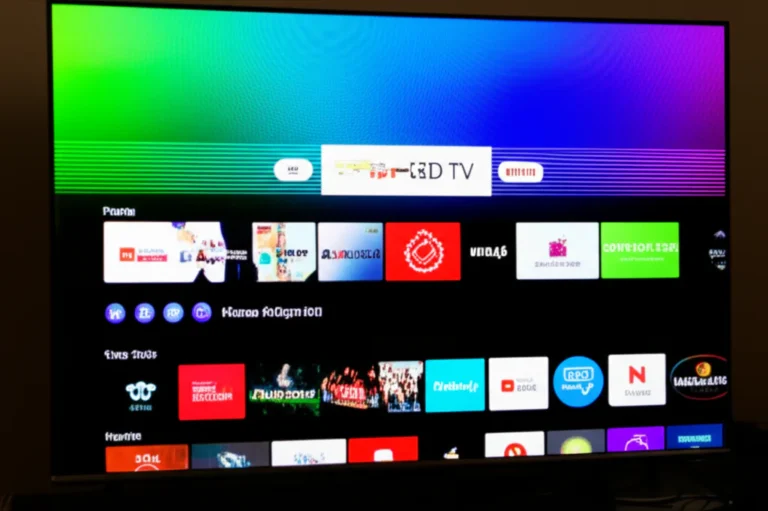
- The Roku OS interface is characterized by its grid of large, colorful app icons against a simple background. If you see this clean, app-centric layout, you’re looking at a Roku TV.
-
Read the Specifications and Product Description:
- Always double-check the “Smart TV Platform” or “Operating System” section in the product specifications. It will explicitly state “Roku OS” or “Roku TV.”
- This is especially important if you’re comparing Hisense models side-by-side, as one might be a Roku TV and another a Google TV, even within the same series.
Example Table: How to Spot the Difference
| Feature | Hisense Roku TV | Hisense Vidaa TV | Hisense Google TV |
|---|---|---|---|
| Box/Bezel Logo | “Roku TV” logo (often purple) | “Vidaa” logo (less common on bezel) | “Google TV” logo |
| Remote Control | Small, minimalist, purple D-pad, app buttons | More traditional, often with voice button | Often larger, dedicated Google Assistant button |
| Home Screen | Grid of large app icons, simple background | Tile-based, more dynamic content suggestions | Content-first, personalized recommendations |
| OS in Specs | “Roku OS” or “Roku TV” | “Vidaa U” or “Vidaa Smart TV” | “Google TV” or “Android TV” |
| Voice Assistant | Roku Voice (basic), compatible with Alexa/GA | Vidaa Voice, compatible with Alexa/GA | Google Assistant built-in |
By following these simple steps, you’ll be able to confidently identify a Hisense Roku TV and ensure you’re getting the smart TV experience you desire. Happy hunting!
⚙️ Optimizing Your Hisense Roku TV Experience: Tips & Tricks
So, you’ve got your shiny new Hisense Roku TV, or perhaps you’re looking to squeeze every last drop of goodness out of your existing one. Excellent! Our TV Brands™ experts have compiled a list of tried-and-true tips and tricks to help you optimize your viewing pleasure. Think of us as your personal TV gurus, guiding you to smart TV nirvana.
-
Customize Your Home Screen (Make it Yours!):
- Rearrange Channels: Don’t like the default order? Highlight any channel, press the
*(Star) button on your remote, and select “Move channel.” Drag it to your preferred spot. Put your most-used apps front and center! - Rename Inputs: Instead of “HDMI 1,” why not “Xbox” or “Blu-ray Player”? Go to “Settings” > “TV inputs,” select the input, and choose “Rename input.” This makes navigation much clearer.
- Remove Unused Channels: Declutter! If you never use a particular app, highlight it, press
*, and select “Remove channel.” Less visual noise means faster navigation.
- Rearrange Channels: Don’t like the default order? Highlight any channel, press the
-
Utilize the Roku Mobile App (Your Secret Weapon 🤫):
- Download it! Seriously, if you haven’t already, get the free Roku app for your iOS or Android device.
- Private Listening: This is a game-changer! Plug headphones into your phone, open the Roku app, and select the headphone icon. Your TV audio will now stream to your headphones, perfect for late-night viewing without disturbing others.
- Voice Search: The app’s voice search is often more accurate than the remote’s, and it’s super handy for finding content quickly.
- Keyboard Input: Typing passwords or search terms with a remote is tedious. Use your phone’s keyboard in the Roku app for lightning-fast text entry.
- Casting: Easily cast photos, videos, and music from your phone directly to your Hisense Roku TV.
-
Master the
*(Star) Button (The Magic Wand ✨):- This little button on your Roku remote is incredibly powerful. Press it while highlighting an app for options like “Move channel,” “Remove channel,” or “Check for updates.”
- Press it while watching content to access picture settings, sound modes, sleep timers, and more, without interrupting your show.
-
Optimize Picture Settings (See the Difference!):
- Don’t stick with default! Go to “Settings” > “TV picture settings.”
- Picture Mode: Experiment with modes like “Movie” or “Custom” for a more natural, accurate picture. “Vivid” often looks punchy but can be oversaturated.
- Backlight/Brightness: Adjust this to your room’s lighting. Lower it in dark rooms to reduce eye strain and improve black levels.
- HDR Settings: If your Hisense Roku TV supports HDR, ensure it’s enabled for compatible content. Some TVs have specific HDR modes that activate automatically.
- Motion Smoothing (The Soap Opera Effect): If you dislike the overly smooth, “soap opera” look, find the “Motion smoothing” or “Action Smoothing” setting and turn it off or set it to a lower level.
-
Ensure Strong Wi-Fi (No Buffering Blues 📶):
- A stable internet connection is paramount for streaming. If your TV is far from your router, consider a Wi-Fi extender or, even better, connect it via an Ethernet cable if available on your model.
- Go to “Settings” > “Network” > “Check connection” to diagnose any issues.
-
Keep Your Software Updated (Stay Fresh!):
- Roku regularly pushes out updates that improve performance, add features, and patch security vulnerabilities. Your TV should update automatically, but you can manually check via “Settings” > “System” > “System update.”
-
Explore Free Content (Save Some Cash 💰):
- Don’t forget about The Roku Channel, Pluto TV, Tubi, and other free, ad-supported streaming services available in the Roku Channel Store. There’s a surprising amount of quality content to be found!
By implementing these tips, you’ll transform your Hisense Roku TV from a simple streaming device into a personalized entertainment hub that truly works for you. Enjoy the show!
🌟 Explore Other Roku TV Models from Our Trusted Partners
While Hisense Roku TVs offer fantastic value and a superb user experience, it’s important to remember that Roku TV is an operating system adopted by many different manufacturers. This means you have a wealth of choices if you love the Roku OS but perhaps want to explore different hardware features, designs, or price points. At TV Brands™, we believe in providing you with the full spectrum of options.
Roku partners with a variety of reputable TV brands, each bringing their own unique hardware strengths to the table. This allows you to pick a TV that perfectly matches your preferences, whether you prioritize ultra-slim design, specific audio enhancements, or even more advanced display technologies.
Here are some other prominent brands that offer Roku TVs, along with what they might bring to the table:
-
TCL Roku TVs:
- Our Take: TCL is arguably the most well-known Roku TV partner, often praised for offering incredible value, especially with their Mini-LED and QLED models. They frequently push the boundaries of picture quality in the mid-range market.
- Why Consider: If you want premium picture technologies like Mini-LED or Quantum Dot combined with the Roku OS, TCL is a strong contender. They often offer more advanced features than entry-level Hisense Roku TVs.
- 👉 Shop TCL Roku TVs on: Amazon | Walmart | Best Buy | TCL Official Website
-
Onn. Roku TVs (Walmart Brand):
- Our Take: Onn. is Walmart’s house brand, and their Roku TVs are typically among the most budget-friendly options available. They focus on providing a basic, functional smart TV experience at an incredibly accessible price.
- Why Consider: If your absolute top priority is the lowest possible price for a functional smart TV with Roku OS, Onn. is worth a look. Perfect for secondary rooms or those on a very tight budget.
- 👉 Shop Onn. Roku TVs on: Walmart
-
Sharp Roku TVs:
- Our Take: Sharp, a long-standing name in electronics, also produces Roku TVs. They often focus on reliable performance and solid build quality.
- Why Consider: If you appreciate the heritage of the Sharp brand and want a dependable Roku TV, their models can be a good choice.
- 👉 Shop Sharp Roku TVs on: Amazon | Best Buy
-
Insignia Roku TVs (Best Buy Brand):
- Our Take: Insignia is Best Buy’s house brand, similar to Onn. for Walmart. Their Roku TVs offer a good balance of affordability and decent performance, often with competitive sales.
- Why Consider: Another excellent option for budget-conscious buyers who want the Roku experience with reliable hardware.
- 👉 Shop Insignia Roku TVs on: Best Buy
Why this variety matters: This ecosystem of Roku TV partners means you’re not locked into one brand’s hardware philosophy. You can choose a Hisense Roku TV for its specific blend of value and features, or you can explore a TCL for more advanced display tech, or an Onn. for ultimate affordability. The consistent factor across all these brands is the familiar, user-friendly Roku OS, ensuring that your smart TV experience remains intuitive and enjoyable, regardless of the manufacturer. This flexibility is a huge win for consumers, allowing for truly personalized choices in the TV Brand Comparisons landscape.
🔮 The Future of Smart TVs: Where Hisense and Roku are Heading
The smart TV landscape is a constantly evolving beast, and both Hisense and Roku are key players shaping its future. From our vantage point at TV Brands™, we see exciting trends and potential shifts that will impact how we interact with our televisions for years to come.
Hisense’s Trajectory: Innovation and Ecosystem Expansion
Hisense is clearly on a path of aggressive innovation and market expansion. We anticipate several key areas of focus for them:
- Continued Display Technology Leadership: Hisense will likely continue to push the boundaries of display technology, particularly with Mini-LED and ULED. We expect to see more refined local dimming zones, higher peak brightness, and even better color accuracy trickling down to more affordable models. Their goal is to offer premium picture quality without the premium price tag.
- AI-Powered Picture Processing: Expect more sophisticated AI-driven picture processing. This means TVs that can intelligently upscale content, reduce noise, and optimize HDR performance in real-time, adapting to the content you’re watching and your viewing environment.
- Vidaa OS Evolution: Hisense is heavily invested in its homegrown Vidaa OS. We foresee Vidaa becoming even more robust, with an expanded app library, more advanced voice control, and deeper integration with smart home devices. It’s Hisense’s play to own the entire user experience, from hardware to software.
- Gaming Prowess: As gaming continues to grow, Hisense will likely double down on features like HDMI 2.1, VRR (Variable Refresh Rate), ALLM (Auto Low Latency Mode), and higher refresh rates (120Hz, 144Hz) across more of their lineup, not just their flagship models.
- Sustainability: Like many manufacturers, Hisense will face increasing pressure to adopt more sustainable manufacturing practices and energy-efficient designs.
Roku’s Vision: Ubiquity and Content Dominance
Roku’s future is all about making their OS as ubiquitous as possible and solidifying their position as a content destination.
- Roku TV Everywhere: Roku will continue to expand its Roku TV program, partnering with more manufacturers globally. Their goal is to have Roku OS powering as many televisions as possible, making it the default smart TV experience for millions.
- Enhanced Content Discovery: Roku is constantly refining its universal search and content aggregation features. We expect even smarter recommendations, more seamless integration of live TV, and potentially new ways to discover free and premium content.
- Advertising and Monetization: Roku’s business model heavily relies on advertising and content distribution. We anticipate more sophisticated ad targeting, new ad formats, and continued growth of The Roku Channel as a major free content hub.
- Smart Home Integration: While not their primary focus, Roku is slowly but surely integrating more smart home capabilities, potentially offering a more cohesive smart home experience directly through the TV interface.
- Audio Innovation: Roku has already ventured into audio with its soundbars and wireless speakers. We might see deeper audio integration within Roku TVs, offering more immersive sound experiences.
The Hisense-Roku Synergy in the Future:
The partnership between Hisense and Roku will likely continue to thrive, especially in the value-oriented segments. Hisense benefits from Roku’s proven, user-friendly OS, while Roku benefits from Hisense’s manufacturing scale and ability to deliver feature-rich hardware at competitive prices.
However, as Hisense’s Vidaa OS matures and Google TV gains traction, Hisense might strategically diversify its platform offerings even further, perhaps reserving Roku OS for specific market segments or price points, while pushing Vidaa for its premium models and Google TV for those who want deep ecosystem integration.
One thing is certain: the future of smart TVs will be about more than just a screen. It will be about intelligent content delivery, seamless integration with our digital lives, and increasingly immersive experiences. Both Hisense and Roku are well-positioned to lead us into that exciting future.
💡 Conclusion: Making Your Smart TV Choice Simpler
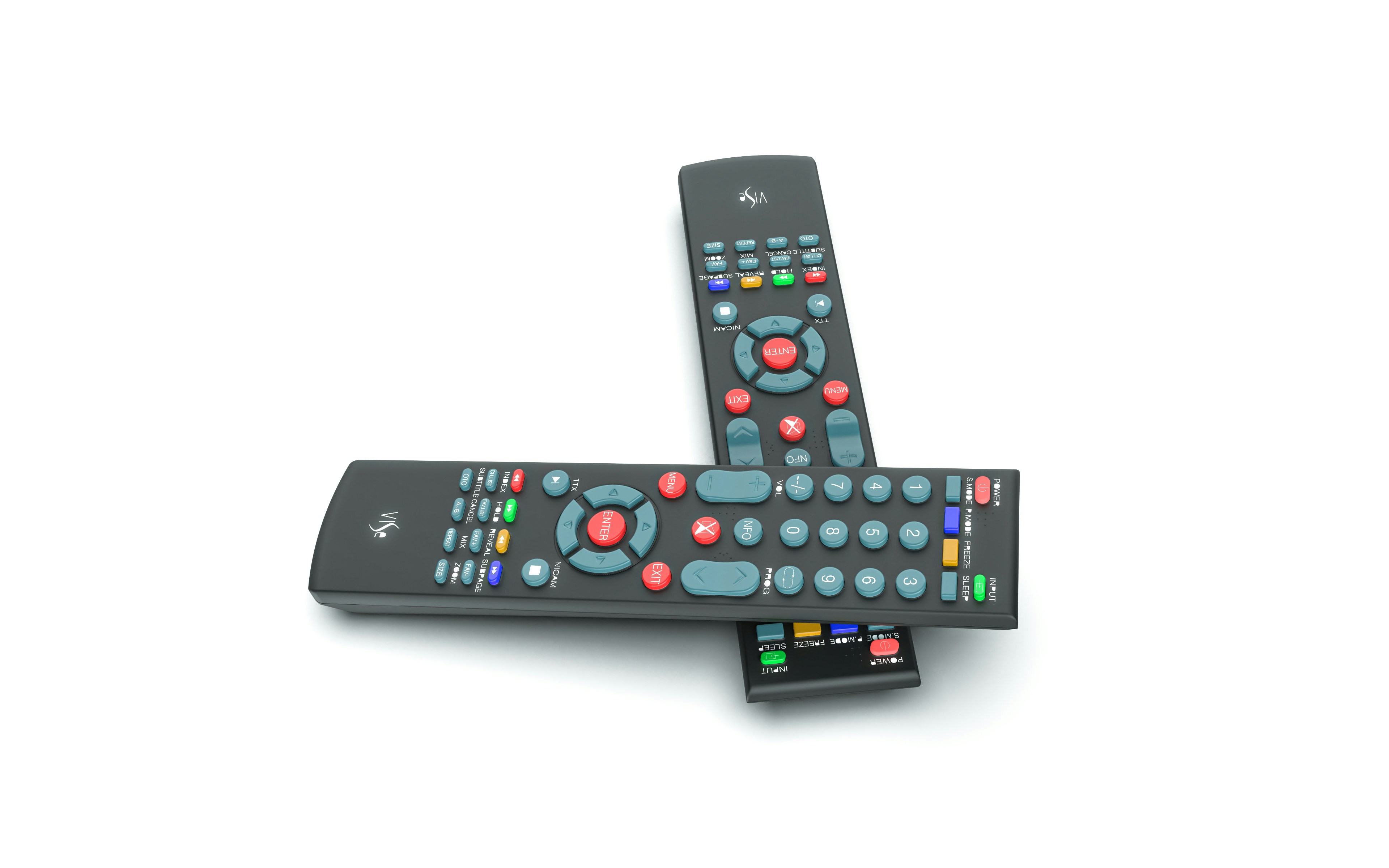
After our deep dive into the world of Hisense and Roku TVs, the mystery is finally unraveled: Hisense TV and Roku TV are not the same thing, but Hisense Roku TVs are a popular subset where Hisense hardware meets Roku’s smart TV platform. This partnership blends Hisense’s value-packed, innovative display technology with Roku’s famously simple and extensive streaming ecosystem.
Positives of Hisense Roku TVs:
✅ User-Friendly Interface: Roku OS is a breeze to navigate, perfect for all ages and tech skill levels.
✅ Massive Streaming Library: Access to thousands of channels and apps, including free content via The Roku Channel.
✅ Excellent Value: Hisense hardware combined with Roku’s OS offers a compelling price-to-performance ratio.
✅ Reliable Performance: Smooth operation with quick app launches and responsive menus.
✅ Private Listening & Universal Search: Features that enhance convenience and personalization.
Negatives to Consider:
❌ Limited Advanced Gaming Features: Most Hisense Roku TVs lack VRR and 120Hz refresh rates found on Vidaa or Google TV models.
❌ Basic Voice Control: Roku’s voice assistant is functional but less powerful than Google Assistant or Alexa.
❌ Ad-Supported Interface: Some users might find Roku’s home screen ads intrusive.
❌ Picture Quality Varies: Entry-level models may not match the premium picture processing of Hisense’s Vidaa or Google TV sets.
Our Confident Recommendation:
If you want a smart TV that’s simple, reliable, and packed with streaming options without breaking the bank, a Hisense Roku TV is an outstanding choice. It’s especially ideal for first-time smart TV buyers, casual streamers, or anyone prioritizing ease of use and content variety. However, if you’re a gamer or a smart home enthusiast craving advanced features and deeper integrations, exploring Hisense’s Vidaa or Google TV models might be more rewarding.
So next time you’re in the market, remember: Hisense is the hardware maker, Roku is the smart TV OS, and together they create a powerful combo—but not every Hisense TV is a Roku TV! Now that you know the difference, you can shop smarter and enjoy your entertainment with confidence.
🔗 Recommended Links: Dive Deeper into Smart TV Tech
Ready to explore or buy? Here are some curated shopping links and resources to help you find the perfect Roku TV or Hisense model:
Shop Hisense Roku TVs:
- Hisense Roku TVs: Amazon | Walmart | Best Buy | Hisense Official Website
Explore Other Roku TV Brands:
- TCL Roku TVs: Amazon | Walmart | Best Buy | TCL Official Website
- Onn. Roku TVs (Walmart Brand): Walmart
- Sharp Roku TVs: Amazon | Best Buy
- Insignia Roku TVs (Best Buy Brand): Best Buy
Recommended Books on Smart TV Technology & Streaming:
- Smart TV For Dummies by Danny Briere & Pat Hurley — A beginner-friendly guide to smart TVs and streaming.
- Streaming Media Bible by Steve Mack — Deep dive into streaming technologies and platforms.
- The Roku TV User Guide by Tech Guru Press — Comprehensive guide to mastering Roku TVs.
❓ Frequently Asked Questions (FAQ): Your Burning Questions Answered
Can I use Roku apps on a Hisense TV?
Yes, but only if your Hisense TV runs Roku OS. Hisense offers TVs with various smart platforms, so Roku apps are natively available only on Hisense Roku TVs. If your Hisense TV runs Vidaa, Google TV, or Fire TV, you won’t have direct access to Roku’s channel store but will have access to apps available on those platforms.
Are Hisense TVs better than Roku TVs?
This question mixes apples and oranges. Hisense is a TV manufacturer; Roku TV is a smart TV platform. Hisense TVs can run Roku OS, Vidaa, Google TV, or others. Whether a Hisense TV is “better” depends on the model and OS. Hisense Roku TVs offer excellent value and simplicity, while Hisense Vidaa or Google TV models may offer more advanced features.
Does Hisense TV come with Roku built-in?
Only some Hisense TVs come with Roku built-in. Hisense offers multiple smart TV platforms. When a Hisense TV is labeled as a “Hisense Roku TV,” it means Roku OS is integrated. Otherwise, it may run Vidaa, Google TV, or Fire TV.
Which is better for streaming, Hisense TV or Roku TV?
Again, this compares a brand to a platform. If you mean Hisense Roku TV vs. other Hisense TVs, it depends on your preferences. Roku TV is known for ease of use and a vast app library, making it excellent for streaming. Vidaa and Google TV offer different strengths, like advanced personalization or smart home integration.
Can I use Roku on any Hisense TV model?
No. Roku OS is only available on specific Hisense models designated as Roku TVs. Other Hisense models run different operating systems.
Do all Hisense TVs come with Roku built-in?
No. Hisense TVs come with various platforms: Roku TV, Vidaa, Google TV, Fire TV, or Xumo. Only models marketed as “Hisense Roku TV” have Roku OS built-in.
What is the difference between Hisense TV and Roku TV?
Hisense TV refers to the physical television hardware made by Hisense. Roku TV refers to the smart TV platform (operating system) developed by Roku. A Hisense Roku TV combines Hisense hardware with Roku’s OS.
How do I know if my Hisense TV is Roku?
Check for “Roku TV” branding on the box or bezel, look at the remote (Roku remotes have a distinctive purple directional pad), or check the TV’s settings under “About” or “System” to see if it lists Roku OS.
Can you use Roku on a Hisense TV?
Only if the Hisense TV has Roku OS built-in. You cannot install Roku OS on a Hisense TV that uses a different platform like Vidaa or Google TV.
Is Hisense the same as Roku?
No. Hisense is a TV manufacturer; Roku is a smart TV operating system and streaming platform.
Is a Hisense TV a Roku TV?
Only if it runs Roku OS. Not all Hisense TVs are Roku TVs.
Who is the manufacturer of Hisense TV?
Hisense is the manufacturer. They design and build the physical television sets.
How do I know if my Hisense TV has Roku?
Look for Roku branding on the TV or packaging, check the remote control, or navigate to the TV’s settings to see if it runs Roku OS.
Additional FAQs for Deeper Clarity
Can I switch the smart TV platform on my Hisense TV?
No, the smart TV platform is embedded in the TV’s firmware. To change platforms, you’d need to buy a different TV or use an external streaming device like a Roku stick or Fire TV.
Are Hisense Roku TVs compatible with Alexa and Google Assistant?
Yes, Hisense Roku TVs support voice control via Roku Voice and can integrate with Alexa and Google Assistant devices for basic commands like power on/off and volume control.
How often does Roku OS update on Hisense Roku TVs?
Roku OS updates automatically and regularly, typically monthly or quarterly, to improve features, security, and app compatibility.
📚 Reference Links: Our Sources and Further Reading
- Hisense Official Website – Roku TV
- Roku Official Website – Hisense Roku TV
- Hisense Smart TV Platforms Overview
- Rtings.com – Hisense A65K vs Roku Select Series Comparison
- TV Brands™ – Why Are Hisense TVs So Cheap? The Truth Behind the Low Price (2026) 📺
- TCL Roku TV Official Site
- Amazon – Hisense Roku TV Search
- Walmart – Hisense Roku TV Search
- Best Buy – Hisense Roku TV Search
Dive into these trusted sources to verify facts, explore product specs, and stay updated on the latest in smart TV technology!