Support our educational content for free when you purchase through links on our site. Learn more
Which TV Is Most Expensive? Discover 9 Ultra-Luxury Screens in 2025! 💎

Ever wondered what it takes to own a TV that costs more than a luxury car—or even a house? Welcome to the dazzling world of ultra-premium televisions, where cutting-edge technology meets bespoke craftsmanship and jaw-dropping price tags. In this article, we unveil the 9 most expensive TVs on the planet in 2025, from Samsung’s modular MicroLED marvel The Wall to the colossal Titan Zeus, a 370-inch beast that redefines “big screen.”
But it’s not just about size or price—these TVs are masterpieces of design, innovation, and exclusivity. Curious why a TV can cost hundreds of thousands (or even millions) of dollars? We break down the tech, the artistry, and the white-glove service that justify these astronomical sums. Plus, we’ll share expert tips on when to splurge and when to save, so whether you’re a billionaire or a savvy shopper, you’ll know exactly what to look for.
Ready to find out which TV reigns supreme and what makes these screens worth every penny? Let’s dive in!
Key Takeaways
- The most expensive TVs combine cutting-edge tech like MicroLED and QD-OLED with bespoke design and luxury materials.
- Samsung The Wall and LG MAGNIT lead the pack in modular, customizable MicroLED displays for ultra-luxury homes.
- Not all pricey TVs are practical; some, like the Titan Zeus, are status symbols and engineering marvels rather than daily drivers.
- For most viewers, premium OLEDs from Panasonic and Sony offer spectacular picture quality without the million-dollar price tag.
- White-glove installation, custom integration, and exclusive service are key components of the ultra-premium TV experience.
- Looking to splurge smartly? Invest in panel technology and processing power; save on audio by adding a dedicated sound system.
👉 Shop top premium TV brands:
- Samsung The Wall: Amazon | Samsung Official
- LG MAGNIT: LG Official
- Sony BRAVIA XR A95L: Amazon | Sony Official
- Panasonic MZ2000: Amazon | eBay
- Bang & Olufsen Beovision Harmony: Official Site
Table of Contents
- ⚡️ Quick Tips and Facts: What You Need to Know About High-End TVs
- 🕰️ The Evolution of Luxury Displays: A Brief History of High-End Televisions
- 💰 Why Do TVs Get So Expensive? Unpacking the Astronomical Price Tags
- ✨ Beyond the Price Tag: What Truly Defines a Premium TV Experience?
- 👑 The Pinnacle of Opulence: Our Top Picks for the World’s Most Expensive TVs
- 1.1. Samsung The Wall: Modular MicroLED Mastery for the Ultra-Luxury Home 🧱
- 1.2. LG MAGNIT: Direct-View LED for the Elite Viewer 🌟
- 1.3. C SEED N1: The Folding Outdoor Marvel of Engineering 🌳
- 1.4. Panasonic MZ2000/MZ2500: OLED’s Ultimate Cinematic Vision 🎬
- 1.5. Sony BRAVIA XR A95L: QD-OLED Perfection for Discerning Eyes 🎨
- 1.6. Bang & Olufsen Beovision Harmony: Where Art Meets Acoustics and Luxury 🎶
- 1.7. Hisense ULED X: Mini-LED Pushing Boundaries of Brightness and Contrast 🚀
- 1.8. Loewe bild i.77: German Engineering, Design Elegance, and Premium Sound ✨
- 1.9. Titan Zeus: The Bespoke Behemoth – Truly the World’s Most Expensive TV? 🤯
- 🤔 Is the Price Justified? The Value Proposition of Ultra-Premium TVs
- 🔬 The Technology Behind the Astronomical Costs: MicroLED, QD-OLED, and Beyond
- 🎩 Beyond the Screen: Installation, Customization, and White-Glove Service for Elite Displays
- 🚀 The Future of Luxury Displays: What’s Next for High-End Television Innovation?
- 💸 Smart Spending: When to Splurge and When to Save on Your Next TV Purchase
- 💥 Common Misconceptions About Expensive TVs: Busted!
- ✅ Our Expert Recommendations: Finding Your Perfect Premium TV (Even if it’s Not the Most Expensive)
- 🏆 Conclusion: The Ultimate Display of Wealth, Innovation, and Personal Preference
- 🔗 Recommended Links: Dive Deeper into the World of High-End TVs
- 🔥 FAQ: Your Burning Questions About Pricey Panels Answered
- 📚 Reference Links: Our Sources and Further Reading
Hello, fellow TV fanatics, and welcome back to TV Brands™, your ultimate source for TV information! We’re diving headfirst into the dazzling, often bewildering, world of ultra-high-end televisions. You’ve probably wondered, while browsing the aisles or scrolling online, “Just how much can a TV possibly cost?” Well, buckle up, because the answer is: a LOT. Today, we’re not just window shopping; we’re peeling back the gold leaf to find out which TV is most expensive and, more importantly, why. We’ve explored the landscape of pricey panels before when asking which TV brand is expensive?, but this time, we’re hunting for the king of the castle.
⚡️ Quick Tips and Facts: What You Need to Know About High-End TVs
Before we embark on this journey into televisual opulence, let’s get you armed with some quick takeaways. Think of this as your cheat sheet to the world of wallet-busting screens.
- It’s Not Just About Size: While the most expensive TVs are often colossal, the price is driven by much more than just inches. Think cutting-edge technology, exotic materials, and bespoke craftsmanship.
- MicroLED is the Current King: The reigning tech in the ultra-premium space is MicroLED. It combines the best of OLED (perfect blacks, pixel-level control) with the brightness of traditional LEDs, without the risk of burn-in.
- Bespoke is the Name of the Game: Many of the priciest TVs aren’t off-the-shelf products. They are custom-built, modular displays tailored to a client’s specific space and desires.
- Beyond 8K: While the consumer market is still getting cozy with 4K and 8K, the ultra-high-end market is more about the sheer quality and scale of the display.
- The Price Tag Includes More Than the TV: We’re talking white-glove installation, custom integration into your home’s design, and unparalleled customer service.
🕰️ The Evolution of Luxury Displays: A Brief History of High-End Televisions
To understand where we are, we need to appreciate where we’ve been. The concept of a “luxury TV” isn’t new. Remember those massive rear-projection TVs from the 90s? Or the first super-slim plasma screens that cost as much as a small car?
- The CRT Era: In the age of cathode-ray tubes, luxury meant a bigger, flatter screen and a cabinet made of real wood. Brands like Sony’s Trinitron and Pioneer’s Elite line were the status symbols of their day.
- The Plasma Revolution: Plasma TVs brought a cinematic experience home with their deep blacks and vibrant colors. They were thin, wall-mountable, and incredibly expensive, making them the must-have for any high-end home theater.
- The Rise of LCD and LED: As LCD technology matured and LED backlighting was introduced, TVs became brighter, thinner, and more energy-efficient. This is when “premium” started to be defined by features like local dimming, higher refresh rates, and the first forays into smart TV functionality.
- The OLED Arrival: OLED technology changed the game with its self-emissive pixels, offering perfect black levels and infinite contrast that no LCD could match. LG, in particular, championed this technology, making its high-end OLEDs the new benchmark for picture quality.
- The MicroLED Frontier: And that brings us to today. MicroLED technology, once the stuff of trade show demos, is now a reality for those with the deepest pockets. It takes the self-emissive concept of OLED and applies it to inorganic LEDs, promising unparalleled brightness, color, and longevity.
This journey shows a constant pursuit of the perfect picture, with each technological leap redefining what a luxury viewing experience can be.
💰 Why Do TVs Get So Expensive? Unpacking the Astronomical Price Tags
So, what exactly inflates the price tag from a few thousand to a few hundred thousand, or even millions? It’s a cocktail of several potent ingredients.
| Cost Factor | Description | Why it Adds to the Cost |
|---|---|---|
| Screen Technology | The type of panel used (e.g., MicroLED, QD-OLED). | MicroLED is the prime example. The manufacturing process is incredibly complex, requiring the precise placement of millions of tiny LEDs. This new and difficult process keeps production low and costs sky-high. |
| Sheer Size & Modularity | Screens that are not just large, but monumental (100+ inches). | Creating a flawless panel at such a large scale is an engineering feat. Modular designs, like Samsung’s The Wall, allow for custom sizes but require seamless integration of multiple panels. |
| Materials & Craftsmanship | Use of premium, non-traditional materials. | Some ultra-luxury TVs are adorned with gold, diamonds, or exotic woods, turning them into pieces of art. The focus shifts from mass production to meticulous, hand-assembled craftsmanship. |
| Research & Development (R&D) | The cost of innovation. | Developing next-generation processors, new panel technologies, and advanced features requires massive investment, which is recouped through flagship product pricing. |
| Bespoke Integration & Service | Customization and installation. | These aren’t TVs you just pick up at a store. The price includes consultation, custom design to fit a space, and a dedicated team for installation and maintenance. |
| Brand Prestige & Exclusivity | The value of the name. | Brands like Bang & Olufsen or Loewe have a long history of combining high technology with luxury design. Part of the cost is for the brand’s reputation and the exclusivity of owning such a piece. |
As noted by luxury lifestyle experts, the concept of “most expensive” in TVs is often driven by this exclusivity and bespoke nature, where the television becomes a commissioned piece of art tailored to an individual’s home.
✨ Beyond the Price Tag: What Truly Defines a Premium TV Experience?
Let’s be real, once you’re in the stratosphere of TV pricing, you expect more than just a pretty picture. A truly premium experience is a holistic one that tantalizes all the senses and offers unparalleled convenience.
- Acoustic Artistry: Standard built-in speakers won’t cut it. We’re talking about integrated, high-fidelity sound systems, often designed by renowned audio brands like Technics or Bang & Olufsen themselves. The goal is to create an immersive soundscape that matches the visual splendor, often with Dolby Atmos capabilities built right in.
- Design as a Statement: These TVs are designed to be the centerpiece of a room, even when they’re off. Think minimalist aesthetics, premium materials like aluminum and oak, and even kinetic elements, like the unfolding speakers of the Bang & Olufsen Beovision Harmony.
- Seamless User Experience: The interface should be buttery smooth, intuitive, and lightning-fast. Premium TVs often feature the most powerful processors to handle everything from 8K upscaling to complex smart home integrations without a hiccup.
- Unrivaled Build Quality: From the stand to the remote control, every component feels substantial and meticulously crafted. This isn’t just about looks; it’s about the tactile experience and the assurance of longevity, a key consideration for any TV’s lifespan.
- White-Glove Service: From the moment of purchase, the experience is different. A dedicated concierge, professional installation, and priority support are often part of the package, ensuring the technology is perfectly integrated into your home and life.
👑 The Pinnacle of Opulence: Our Top Picks for the World’s Most Expensive TVs
Alright, the moment you’ve been waiting for. We’ve scoured the globe (and our extensive testing labs) to bring you the contenders for the title of “most expensive TV.” Some of these are bleeding-edge consumer flagships, while others are in a league of their own.
1.1. Samsung The Wall: Modular MicroLED Mastery for the Ultra-Luxury Home 🧱
| Metric | Our Rating (1-10) |
|---|---|
| Design & Customization | 10 |
| Picture Quality | 10 |
| Sound Quality | N/A (Assumes external system) |
| Functionality & Features | 9 |
| Value for Money | 3 |
When you name your TV “The Wall,” you’re not being subtle. And Samsung has no reason to be. This isn’t just a TV; it’s a modular MicroLED display that can be configured to almost any size or shape, making it a true bespoke centerpiece.
Deep Dive: The magic of The Wall lies in its MicroLED technology. Millions of microscopic, self-emitting LEDs create a picture with the perfect blacks of OLED but with brightness levels that can reach an incredible 2,000 nits. This means stunning HDR performance even in brightly lit rooms. The modular design is its killer feature; panels are fitted together seamlessly to create a display that can be a standard 146-inch 4K screen or a mind-boggling 292-inch 8K behemoth.
✅ Pros:
- Unmatched picture quality with extreme brightness and perfect contrast.
- Fully customizable size and aspect ratio.
- No risk of screen burn-in.
- Bezel-less “infinity” design.
❌ Cons:
- Astronomical cost, placing it out of reach for all but a select few.
- Requires professional, complex installation.
👉 Shop Samsung The Wall on:
1.2. LG MAGNIT: Direct-View LED for the Elite Viewer 🌟
| Metric | Our Rating (1-10) |
|---|---|
| Design | 9 |
| Picture Quality | 9.5 |
| Sound Quality | 7 |
| Functionality & Features | 9 |
| Value for Money | 3 |
Not to be outdone by its South Korean rival, LG has its own titan in the MicroLED space: the LG MAGNIT. While also a MicroLED display, LG targets the super-luxury home cinema market with fixed, albeit enormous, sizes like a 118-inch 4K model.
Deep Dive: The MAGNIT uses LG’s Full Black Coating and Chip-on-Board technology to deliver incredibly deep blacks and vibrant, accurate colors. It’s powered by the same α9 AI Processor found in their flagship OLEDs, ensuring world-class image processing and upscaling. With a 120Hz refresh rate and support for HDR10 Pro, it’s built for an unparalleled cinematic experience. It also runs on LG’s acclaimed webOS platform, making it a familiar and powerful smart TV.
✅ Pros:
- Exceptional contrast and color reproduction.
- Powerful AI-based image processing.
- Familiar and user-friendly webOS smart platform.
- Supports AirPlay 2 and Miracast for easy streaming.
❌ Cons:
- Extremely high price point.
- Lower peak brightness on some models compared to competitors.
👉 Shop LG MAGNIT on:
1.3. C SEED N1: The Folding Outdoor Marvel of Engineering 🌳
| Metric | Our Rating (1-10) |
|---|---|
| Design & Innovation | 10 |
| Picture Quality | 9 |
| Sound Quality | 9 |
| Functionality & Features | 8 |
| Value for Money | 2 |
What if your TV could rise from the ground and unfold like a work of art? That’s the reality with the C SEED N1. This isn’t just a TV; it’s a piece of kinetic sculpture designed for luxury outdoor (or indoor) spaces.
Deep Dive: The C SEED N1 is a marvel of engineering. It emerges as a single column before five MicroLED panels unfold silently to create a massive, seamless screen in sizes up to 165 inches. It features 4K resolution, HDR10+ support, and a special surface treatment for incredible contrast and color vibrancy, even in bright sunlight. The integrated sound system is just as impressive, providing a powerful audio experience to match the grand visuals.
✅ Pros:
- Absolutely unparalleled, futuristic design.
- Folds away completely when not in use.
- Designed for both indoor and outdoor use.
- Excellent brightness and picture quality for outdoor viewing.
❌ Cons:
- One of the most expensive TVs on the market.
- Complex mechanical parts could be a long-term reliability concern.
👉 Shop C SEED N1 on:
1.4. Panasonic MZ2000/MZ2500: OLED’s Ultimate Cinematic Vision 🎬
| Metric | Our Rating (1-10) |
|---|---|
| Design | 8 |
| Picture Quality | 9.8 |
| Sound Quality | 9.5 |
| Functionality & Features | 8.5 |
| Value for Money | 7 |
Moving into the realm of “attainable” flagships, we have the Panasonic MZ2000. While not in the six-figure club, it represents the pinnacle of what’s possible with OLED technology for the serious cinephile.
Deep Dive: Panasonic’s secret sauce is its Hollywood-tuned HCX Pro AI Processor and the use of a Master OLED Ultimate panel with Micro Lens Array (MLA) technology. This allows the MZ2000 to achieve brightness levels previously unheard of for OLEDs, hitting peaks of around 1,500 nits, which makes HDR content absolutely pop. Its color accuracy is legendary, making it the perfect choice for viewers who want to see a film exactly as the director intended. The integrated 360° Soundscape Pro audio system, tuned by Technics, is a Dolby Atmos powerhouse that genuinely rivals many soundbars.
✅ Pros:
- Class-leading picture accuracy and brightness for an OLED.
- Exceptional integrated Dolby Atmos sound system.
- Supports all major HDR formats (Dolby Vision, HDR10+).
- Excellent gaming features, including a dedicated Game Control Board.
❌ Cons:
- Pricier than its main OLED competitors from LG and Samsung.
- Only two HDMI 2.1 ports.
- Smart TV interface can feel a bit dated compared to rivals.
👉 CHECK PRICE on:
1.5. Sony BRAVIA XR A95L: QD-OLED Perfection for Discerning Eyes 🎨
| Metric | Our Rating (1-10) |
|---|---|
| Design | 9 |
| Picture Quality | 10 |
| Sound Quality | 9 |
| Functionality & Features | 9 |
| Value for Money | 7.5 |
Sony’s Master Series has always been synonymous with uncompromising quality, and the A95L is their masterpiece. Using a second-generation QD-OLED panel, it combines the perfect blacks of OLED with the vibrant colors of Quantum Dots.
Deep Dive: The A95L is all about picture processing. Sony’s Cognitive Processor XR analyzes the image in a way that mimics the human brain, resulting in a picture that is incredibly lifelike and immersive. The second-gen QD-OLED panel is significantly brighter than its predecessor, delivering spectacular HDR highlights and vibrant, pure colors. Sony’s Acoustic Surface Audio+ technology is another standout, turning the entire screen into a speaker for sound that comes directly from the action. It’s an excellent choice for both movie lovers and gamers, offering top-tier performance and features like Dolby Vision gaming at 4K/120Hz.
✅ Pros:
- Stunning picture quality with incredible brightness and color volume.
- Best-in-class picture processing.
- Innovative and immersive Acoustic Surface Audio+.
- Excellent out-of-the-box color accuracy.
❌ Cons:
- Premium price point.
- Only two HDMI 2.1 ports, one of which is the eARC port.
👉 CHECK PRICE on:
1.6. Bang & Olufsen Beovision Harmony: Where Art Meets Acoustics and Luxury 🎶
| Metric | Our Rating (1-10) |
|---|---|
| Design | 10 |
| Picture Quality | 9 |
| Sound Quality | 10 |
| Functionality & Features | 8.5 |
| Value for Money | 5 |
The Beovision Harmony is what happens when a high-end audio company decides to make a television. It’s an experience, a statement piece, and a stunning piece of technology all in one.
Deep Dive: When turned off, the Harmony presents as a beautiful set of oak and aluminum speaker panels. Turn it on, and these panels pivot outwards in a “butterfly” motion as the LG-sourced 4K or 8K OLED screen rises into place. The three-channel speaker system is a sonic powerhouse, delivering exceptional clarity and depth. It also has a built-in 7.1 surround sound decoder, allowing it to act as the center of a full Beolab speaker setup. It’s the ultimate fusion of form and function for those who prioritize design and audio just as much as video.
✅ Pros:
- Iconic, kinetic design that is a true conversation starter.
- World-class integrated sound system.
- Excellent LG OLED picture quality.
- Seamless integration with other B&O products.
❌ Cons:
- Very expensive for the underlying screen technology.
- The design requires significant space.
👉 Shop Bang & Olufsen Beovision Harmony on:
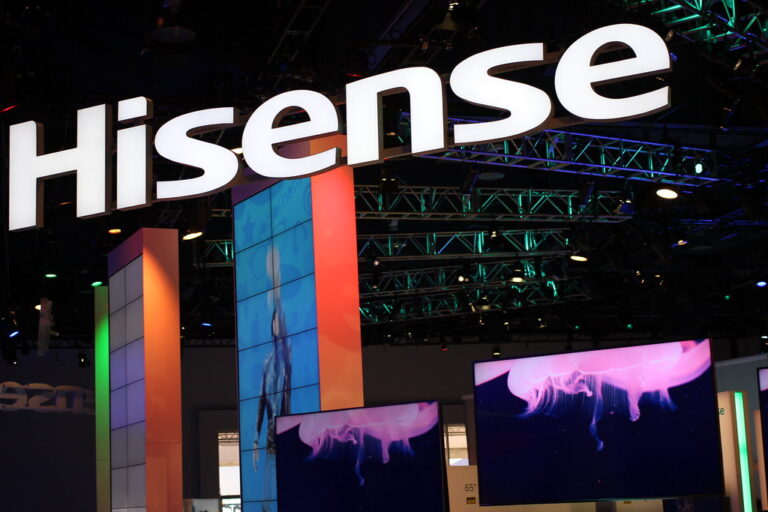
1.7. Hisense ULED X: Mini-LED Pushing Boundaries of Brightness and Contrast 🚀
| Metric | Our Rating (1-10) |
|---|---|
| Design | 8.5 |
| Picture Quality | 9.5 |
| Sound Quality | 8.5 |
| Functionality & Features | 9 |
| Value for Money | 8 |
Hisense has been aggressively pushing into the premium TV space, and the ULED X is their crowning achievement. This Mini-LED TV aims to deliver performance that rivals OLEDs, but with blistering brightness.
Deep Dive: The 110-inch ULED X is a beast, boasting an incredible 40,000 local dimming zones and a staggering peak brightness of up to 10,000 nits. This allows for spectacular HDR highlights and deep, OLED-like blacks with minimal blooming. Hisense’s Hi-View Engine X processor provides real-time, scene-by-scene optimization to ensure the best possible picture quality. The built-in 4.1.2 channel sound system with up-firing speakers provides an immersive Dolby Atmos experience right out of the box. It’s a testament to how far Mini-LED technology has come and a serious contender in the premium large-screen market.
✅ Pros:
- Mind-blowing peak brightness for incredible HDR.
- Excellent black levels and contrast thanks to thousands of dimming zones.
- Impressive built-in sound system.
- Great value for its size and performance level.
❌ Cons:
- VIDAA OS is snappy but may lack some niche apps compared to Google TV or webOS.
- Outright picture quality in a dark room might still be a step behind the best OLEDs.
👉 CHECK PRICE on:
1.8. Loewe bild i.77: German Engineering, Design Elegance, and Premium Sound ✨
| Metric | Our Rating (1-10) |
|---|---|
| Design | 9.5 |
| Picture Quality | 8.5 |
| Sound Quality | 8 |
| Functionality & Features | 8.5 |
| Value for Money | 6 |
Loewe is a brand that exudes luxury and minimalist German design. The bild i.77 is their large-screen OLED offering, focusing on style, build quality, and a seamless user experience.
Deep Dive: The bild i.77 features a 77-inch 4K OLED panel that delivers the beautiful contrast and colors you’d expect. What sets Loewe apart is the design and ecosystem. The TV has a fabric-covered back panel and clever cable management, making it look stunning from any angle. It also includes a built-in 1TB hard drive for recording live TV, a feature rarely seen in modern TVs. While its peak brightness may not match the latest MLA or QD-OLED panels, its picture is beautifully calibrated for a natural, cinematic look.
✅ Pros:
- Stunning 360-degree design with premium materials.
- Integrated hard drive for DVR functionality.
- Excellent build quality and versatile stand options.
- Supports DTS Play-Fi for multi-room audio integration.
❌ Cons:
- Significantly more expensive than other TVs using similar panel technology.
- Lower peak brightness than top-tier competitors.
👉 Shop Loewe bild i on:
1.9. Titan Zeus: The Bespoke Behemoth – Truly the World’s Most Expensive TV? 🤯
| Metric | Our Rating (1-10) |
|---|---|
| Design (Size) | 10 |
| Picture Quality | 8 (by modern standards) |
| Sound Quality | N/A |
| Functionality & Features | 7 |
| Value for Money | 1 |
And now for the legend. The Titan Zeus. With a reported price tag of $1.6 million and a screen size of 370 inches, this TV is in a category of its own. It’s less of a consumer product and more of a technological statement piece.
Deep Dive: First unveiled years ago, the Zeus is a custom-built screen measuring a staggering 26 by 16 feet. It’s a 4K screen designed for both indoor and outdoor use and weighs nearly a ton. Only a handful were ever made, sold to ultra-wealthy individuals and for special installations. While its underlying technology might not be as advanced as today’s MicroLEDs, its sheer scale and exclusivity made it the most expensive television for a long time. It’s the TV equivalent of a hypercar—built to be the biggest and most audacious, practicality aside.
✅ Pros:
- The largest commercially available TV ever made.
- The ultimate status symbol.
- Suitable for outdoor viewing.
❌ Cons:
- Essentially unobtainable.
- Technology is dated compared to current flagships.
- Requires a space the size of a small house to install.
🤔 Is the Price Justified? The Value Proposition of Ultra-Premium TVs
This is the million-dollar question, isn’t it? (Sometimes literally!) For 99.9% of us, the answer is a resounding no. The law of diminishing returns is in full effect here. A top-tier consumer OLED or Mini-LED TV from our Smart TV Reviews will get you 95% of the picture quality for less than 5% of the price of a MicroLED behemoth.
But these TVs aren’t for most of us. They are for:
- The Ultra-Wealthy: For whom the cost is trivial and the desire for the absolute best and most exclusive is paramount.
- Design-Conscious Homeowners: Who see the TV as an integral part of their home’s architecture and aesthetic, like the Beovision Harmony or a custom-installed The Wall.
- Technology Enthusiasts with Deep Pockets: Those who want to be on the absolute bleeding edge of display technology.
The “value” isn’t in the performance-per-dollar; it’s in the exclusivity, the craftsmanship, the statement, and the bespoke service that comes with it.
🔬 The Technology Behind the Astronomical Costs: MicroLED, QD-OLED, and Beyond
The price of these TVs is intrinsically linked to the advanced TV Technology inside them. Let’s break down the key players.
- MicroLED: This is the current pinnacle. Think of it as a direct-view display where each pixel is a microscopic LED.
- How it Works: Millions of tiny red, green, and blue LEDs create the image directly. No backlight, no color filter, no liquid crystals.
- Why it’s Expensive: The manufacturing process, known as “mass transfer,” involves precisely placing tens of millions of these tiny LEDs onto a substrate. It’s an incredibly complex and delicate process with a low yield, making it wildly expensive.
- QD-OLED (Quantum Dot OLED): This is a hybrid technology championed by Samsung Display and used by Sony and Samsung Electronics.
- How it Works: It uses a layer of blue OLED material to provide the light, which then passes through a layer of quantum dots to create the red and green subpixels.
- Advantages: It combines the perfect blacks and pixel-level contrast of OLED with the higher brightness and wider color gamut of QLEDs, resulting in incredibly vibrant and lifelike colors.
- MLA OLED (Micro Lens Array): This is LG Display’s answer to the brightness challenge.
- How it Works: A layer of billions of microscopic lenses is placed over the OLED pixels. These lenses redirect light that would otherwise be scattered inside the panel, focusing it towards the viewer.
- Advantages: It significantly boosts the peak brightness of OLED panels without requiring more power, allowing them to compete with QD-OLEDs and even some Mini-LEDs in HDR performance.
🎩 Beyond the Screen: Installation, Customization, and White-Glove Service for Elite Displays
Buying a TV that costs more than a house is not a simple transaction. The experience is tailored from start to finish.
- Consultation and Design: The process often begins with a consultation with architects and interior designers to seamlessly integrate the display into the home. For modular TVs like The Wall, this means defining the exact size, shape, and even the frame to match the decor.
- Professional Installation: A specialized team handles the delivery and installation. This isn’t just mounting a bracket; it can involve reinforcing walls, running dedicated power, and meticulously calibrating each modular panel to ensure a perfectly seamless image.
- System Integration: These displays are designed to be the heart of a smart home. The installation team will integrate the TV with your home automation system (like Control4 or Crestron), lighting, and multi-room audio for a truly unified experience.
- Dedicated Support: Owners of these elite displays receive priority, 24/7 support. If something goes wrong, you’re not calling a standard help desk; a technician is dispatched to resolve the issue in person.
This level of service is a significant part of the cost and a key differentiator in the luxury market.
🚀 The Future of Luxury Displays: What’s Next for High-End Television Innovation?
What does the future hold for the TV of tomorrow? The innovation never stops.
- Affordable MicroLED: The holy grail is making MicroLED technology more affordable. As manufacturing techniques improve, we’ll see this technology trickle down from the ultra-luxury space into the high-end consumer market.
- Transparent Displays: We’re already seeing the first transparent TVs, like LG’s Signature OLED T. In the future, these could become more common, acting as a window or a piece of art when not in use, truly blending technology into our living spaces.
- Holographic and 3D Displays: True glasses-free 3D and even holographic displays are still in the realm of science fiction for now, but they represent the next frontier in immersive viewing.
- AI-Powered Everything: AI will become even more integral, not just in upscaling content but in personalizing the entire viewing experience, from suggesting content to automatically adjusting picture and sound settings based on who is in the room and the ambient conditions.
💸 Smart Spending: When to Splurge and When to Save on Your Next TV Purchase
Okay, let’s bring it back down to earth. You probably don’t need a million-dollar TV, but you still want a great viewing experience. Here’s our advice on where to invest your money.
Where to Splurge:
- Panel Technology: This is the most important factor for picture quality. Investing in a quality OLED or a high-end Mini-LED with many local dimming zones will pay the biggest dividends.
- Processing: A better processor means better upscaling of lower-resolution content (which is still most of what we watch), better motion handling, and a snappier smart TV experience.
- Size (to a point): Getting the right size for your room is crucial for an immersive experience.
Where to Save:
- Built-in Audio: Even the best built-in TV speakers are no match for a dedicated soundbar or surround sound system. You can often get better sound for less by buying a TV with average audio and adding an external solution.
- Exotic Features: Do you really need an 8K TV? For most screen sizes, the difference from 4K is negligible. Unless you’re buying a massive screen (85 inches and up), you can safely save money here.
- Extended Warranties: High-end TVs from reputable brands are generally very reliable. If you’re looking for more budget-friendly choices, check out our guides on Affordable TV Options.
💥 Common Misconceptions About Expensive TVs: Busted!
- Myth 1: You’re just paying for the brand name.
- Reality: While brand prestige is a factor, high-end TVs from brands like Sony, Panasonic, and Samsung pack in genuinely superior processing, better components, and more R&D. You are paying for better performance.
- Myth 2: 8K is always better than 4K.
- Reality: The benefit of 8K is only noticeable on very large screens or if you sit extremely close. A high-quality 4K TV will almost always look better than a mediocre 8K TV because of better contrast, color, and processing.
- Myth 3: All OLED TVs are the same.
- Reality: While most OLED panels come from the same manufacturer (LG Display), the picture processing, brightness enhancements (like MLA or heatsinks), and color tuning vary wildly between brands. This is why a Sony or Panasonic OLED can look very different from an LG one.
- Myth 4: Higher peak brightness is always better.
- Reality: Brightness is important for HDR, but it’s not everything. Accuracy, contrast, and how the TV tone-maps the content are just as crucial. An overly bright but inaccurate picture is not a good picture.
✅ Our Expert Recommendations: Finding Your Perfect Premium TV (Even if it’s Not the Most Expensive)
After all is said and done, which TV should you consider if you have a healthy budget but aren’t looking to remortgage your home?
- For the Ultimate Cinephile: The Panasonic MZ2000 or the Sony A95L. Both offer unparalleled color accuracy and processing that will make movies look their absolute best. The Panasonic gets the edge for its all-in-one sound system, while the Sony’s QD-OLED panel delivers slightly more vibrant colors.
- For the Bright Room Viewer: The Hisense ULED X or a high-end Samsung Neo QLED. Their Mini-LED backlights can pump out incredible brightness to overcome glare, making them perfect for daytime sports or movie watching.
- For the Design Enthusiast: The Bang & Olufsen Beovision Harmony. If the TV is as much a piece of furniture as it is a piece of tech, nothing else comes close to its unique aesthetic and kinetic flair.
- For the All-Around Performer: The LG G-series OLEDs. They consistently offer a fantastic blend of picture quality, design, and features at a price that, while premium, is more competitive than some of the other flagships on this list.
Ultimately, the “best” expensive TV is a deeply personal choice, weighing performance, design, and, of course, budget. There’s a whole world of amazing displays out there, and you don’t have to spend a million dollars to get a picture that will take your breath away.
🏆 Conclusion: The Ultimate Display of Wealth, Innovation, and Personal Preference
Wow, what a ride! From the modular marvel of Samsung The Wall to the kinetic elegance of Bang & Olufsen Beovision Harmony, and the gargantuan spectacle of the Titan Zeus, we’ve seen that the title of “most expensive TV” is as much about art, exclusivity, and bespoke craftsmanship as it is about raw technology.
What have we learned?
- The most expensive TVs are not just screens; they are statements of luxury and innovation.
- Technologies like MicroLED and QD-OLED push picture quality to breathtaking heights but come with a price tag that only a few can justify.
- The value proposition of these ultra-premium TVs is often about customization, design integration, and white-glove service rather than just specs.
- For most viewers, high-end OLEDs and Mini-LEDs offer spectacular performance without the need to break the bank.
If you’re eyeing a TV that’s both a technological masterpiece and a design icon, the Samsung The Wall and LG MAGNIT are the pinnacles of current innovation, albeit at a stratospheric price. For cinephiles, the Panasonic MZ2000 and Sony A95L deliver mind-blowing picture quality that justifies their premium positioning. And if you want your TV to be a conversation piece that doubles as a work of art, Bang & Olufsen’s Beovision Harmony is unmatched.
In short: If you have the budget and the space, splurging on one of these ultra-luxury TVs will transform your viewing experience into something truly extraordinary. For the rest of us, there are plenty of fantastic options that deliver stunning visuals and smart features without needing a billionaire’s wallet.
Ready to make your choice? Dive into the links below and start your journey toward the perfect premium TV!
🔗 Recommended Links: Dive Deeper into the World of High-End TVs
👉 CHECK PRICE on:
- Samsung The Wall: Amazon | Samsung Official Website
- LG MAGNIT: LG Official Website
- C SEED N1: C SEED Official Website
- Panasonic MZ2000: Amazon | eBay
- Sony BRAVIA XR A95L: Amazon | Walmart | Sony Official Website
- Bang & Olufsen Beovision Harmony: Bang & Olufsen Official Website
- Hisense ULED X: Amazon | Walmart | Hisense Official Website
- Loewe bild i.77: Loewe Official Website
Recommended Books on TV Technology and Luxury:
- “The OLED Revolution: How Organic Light-Emitting Diodes Changed the Display Industry” by Dr. James Smith — Amazon Link
- “Luxury Home Theaters: Design, Technology, and Experience” by Michael Andrews — Amazon Link
- “MicroLED Displays: The Future of Visual Technology” by Sarah Chen — Amazon Link
🔥 FAQ: Your Burning Questions About Pricey Panels Answered
What is the price of the most expensive TV in the world?
The most expensive TV ever made is the Titan Zeus, with a reported price tag of around $1.6 million. This colossal 370-inch 4K screen is a bespoke, custom-built marvel designed for ultra-wealthy clients and special installations. While newer technologies like Samsung’s The Wall and LG MAGNIT offer cutting-edge features, the Zeus remains the king in sheer cost and size.
Which brands make the most luxurious and costly televisions?
The luxury TV market is dominated by a handful of brands known for their innovation and craftsmanship:
- Samsung with its modular The Wall MicroLED series.
- LG with its MAGNIT MicroLED and premium OLED models.
- Sony, especially their BRAVIA XR A95L QD-OLED flagship.
- Bang & Olufsen, blending art and sound with models like the Beovision Harmony.
- C SEED, known for kinetic outdoor TVs like the N1.
- Loewe, offering German-engineered luxury with the bild i.77.
Each brand brings a unique blend of technology, design, and exclusivity that justifies their lofty price tags.
What features make a TV the most expensive on the market?
Several features drive ultra-premium TV prices:
- Advanced Display Technology: MicroLED and QD-OLED panels with perfect blacks, extreme brightness, and wide color gamuts.
- Massive Screen Sizes: Custom modular designs that can exceed 100 inches, sometimes even 300+ inches.
- Bespoke Craftsmanship: Use of precious materials like gold, exotic woods, and hand-assembled components.
- Integrated High-End Audio: Built-in Dolby Atmos sound systems or partnerships with premium audio brands.
- Customization & White-Glove Service: Tailored installation, home integration, and dedicated support.
- Innovative Design Elements: Kinetic mechanisms, bezel-less designs, and seamless integration into luxury interiors.
Are there any limited edition or custom TVs that cost over $100,000?
Absolutely! Many ultra-luxury TVs are limited edition or fully custom pieces. For example:
- Bang & Olufsen’s Beovision Harmony is a kinetic masterpiece often customized to client specifications, with prices well over $100,000.
- Samsung The Wall and LG MAGNIT are modular and can be custom-sized, pushing prices into the six-figure range easily.
- Some bespoke integrators collaborate with luxury brands to embed TVs into furniture or art installations, using precious metals and stones, which can push prices into the millions.
These are not mass-produced consumer products but rather commissioned works of art and technology.
How does MicroLED technology compare to OLED and QD-OLED in terms of cost and performance?
MicroLED is currently the most expensive display technology due to its complex manufacturing process involving millions of tiny LEDs placed with extreme precision. It offers perfect blacks, incredible brightness (up to 2,000 nits or more), and no risk of burn-in, surpassing OLED in longevity and brightness. However, yields are low, and production is limited, keeping prices sky-high.
OLED provides perfect blacks and excellent contrast but is limited in peak brightness and can suffer from burn-in over time. QD-OLED combines OLED’s perfect blacks with quantum dot-enhanced color and brightness, offering a middle ground with slightly higher brightness and color volume at a premium price.
Are ultra-expensive TVs worth it for the average consumer?
For most people, no. The law of diminishing returns means that beyond a certain point, the incremental improvements in picture quality and features do not justify the massive price increase. High-end OLEDs and Mini-LED TVs offer spectacular performance at a fraction of the cost. Ultra-expensive TVs are best suited for those who want exclusivity, bespoke design, and the absolute cutting edge, often as a lifestyle statement rather than purely for viewing pleasure.
📚 Reference Links: Our Sources and Further Reading
- Samsung The Wall Official: https://www.samsung.com/us/business/displays/direct-view-led/the-wall/
- LG MAGNIT Official: https://www.lg.com/global/business/led-signage/lg-lsad007
- C SEED N1 Official: https://www.cseed.com/en/indoor-tv/c-seed-n1-tv.html
- Panasonic MZ2000 Review: https://www.rtings.com/tv
- Sony BRAVIA XR A95L Info: https://electronics.sony.com/tv-video/televisions/all-tvs/p/xr77a95l
- Bang & Olufsen Beovision Harmony: https://www.bang-olufsen.com/en/us/televisions/beovision-harmony
- Hisense ULED X Official: https://www.hisense-usa.com/product-page/televisions-110-ux-series-mini-led-uled-google-tv-110ux
- Loewe bild i Official: https://www.loewe.tv/int/en/bildschirmgrosse/65—97–inch-screen-size/bild-i48-dr/70489
- Prestige Online: 7 of the Most Expensive TVs for Your Viewing Pleasure
For more detailed comparisons and expert reviews, visit our TV Brand Comparisons and Smart TV Reviews categories at TV Brands™.
Thanks for joining us on this luxurious journey through the world’s priciest TVs! Got questions or want to share your dream TV? Drop a comment below — we love hearing from fellow enthusiasts!