Support our educational content for free when you purchase through links on our site. Learn more
What Are the 10 Major TV Brands You Should Know in 2025? 📺

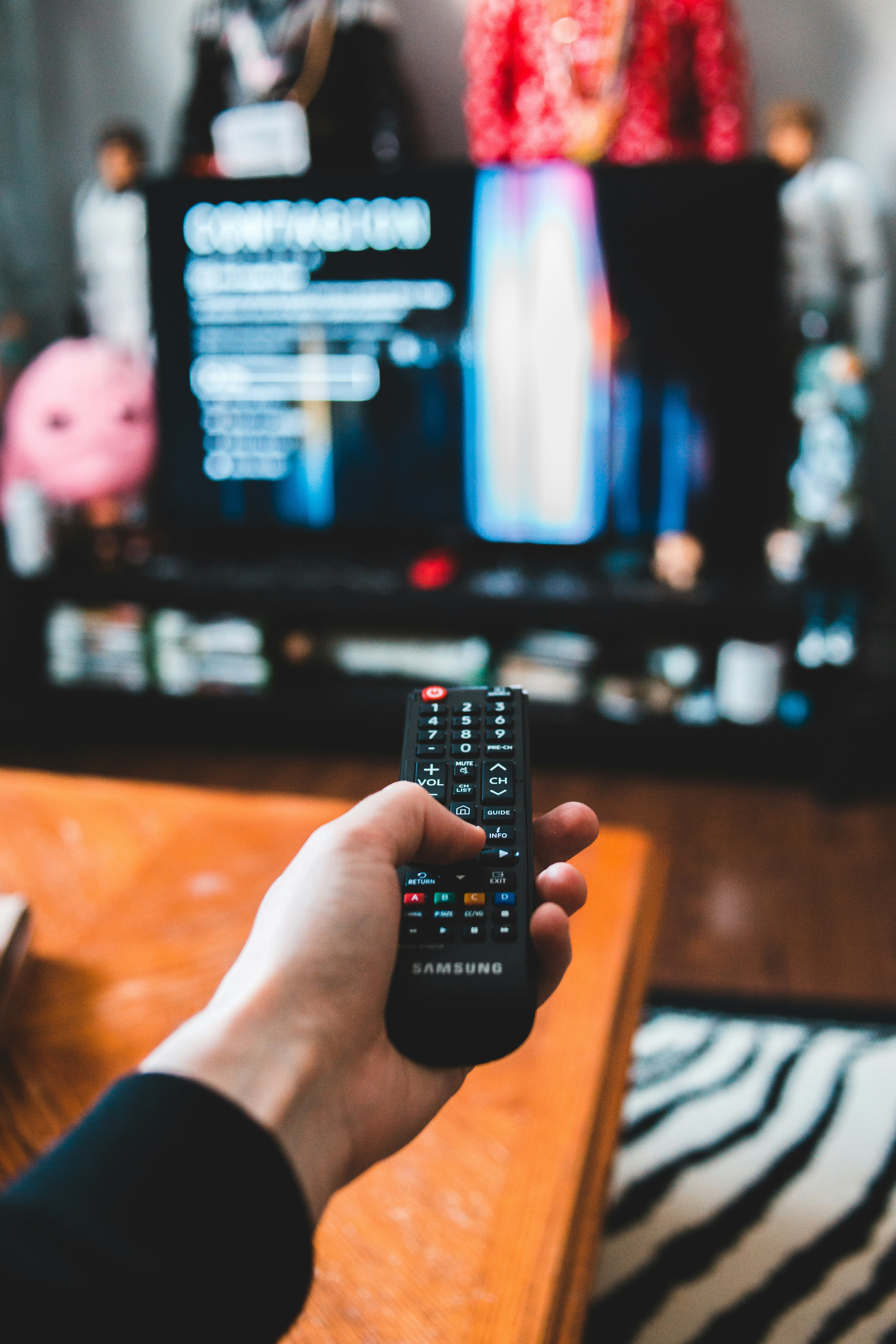
Ever wondered which TV brands truly dominate the market in 2025—and why some names keep popping up in every tech review? From the dazzling OLED masterpieces of LG to Samsung’s bright and bold QLED innovations, the world of televisions is buzzing with fierce competition and groundbreaking technology. But with so many brands vying for your attention (and hard-earned cash), how do you separate the true champions from the also-rans?
At TV Brands™, we’ve tested, compared, and dissected the top players to bring you the ultimate guide to the major TV brands shaping your living room experience today. Spoiler alert: some surprising contenders like TCL and Hisense are shaking up the scene with incredible value, while legacy giants like Sony and Panasonic continue to impress cinephiles worldwide. Stick around as we break down the tech, the trends, and the trade-offs—plus expert tips on how to pick the perfect brand for your needs.
Key Takeaways
- Samsung, LG, and Sony lead the premium TV market with cutting-edge OLED, QLED, and Mini LED technologies.
- Budget-friendly brands like TCL and Hisense deliver outstanding value without sacrificing essential features.
- Smart TV operating systems matter: Tizen (Samsung), webOS (LG), and Google TV (Sony, TCL) each offer unique benefits.
- Gaming enthusiasts should prioritize HDMI 2.1 and low input lag, where Samsung and LG excel.
- Customer service and warranty vary widely; Samsung and Sony offer the best support networks.
- Ready to shop? Check out these top brands here:
- Samsung TVs: Amazon | Samsung Official
- LG OLED TVs: Amazon | LG Official
- Sony Bravia TVs: Amazon | Sony Official
- TCL TVs: Amazon | TCL Official
- Hisense TVs: Amazon | Hisense Official
Dive in to discover which brand fits your lifestyle and budget—and why your next TV might just be your smartest purchase yet!
Table of Contents
- ⚡️ Quick Tips and Facts About Major TV Brands
- 📺 The Evolution of TV Brands: From Cathode Rays to Smart Screens
- 🔥 Top 10 Major TV Brands Dominating the Market in 2024
- 1. Samsung: The King of QLED and Innovation
- 2. LG: OLED Pioneer and Smart TV Leader
- 3. Sony: The Master of Picture Processing
- 4. TCL: Affordable Quality with Roku Integration
- 5. Vizio: Budget-Friendly with Impressive Features
- 6. Panasonic: Trusted Japanese Craftsmanship
- 7. Hisense: Rising Star in Value and Innovation
- 8. Philips: European Flair and Ambilight Magic
- 9. Sharp: Legacy Brand with Modern Twists
- 10. Sony Bravia XR Series: The Ultimate Viewing Experience
- 🔍 How to Choose the Right TV Brand for Your Needs
- 💡 Key Technologies Behind Major TV Brands: OLED, QLED, Mini-LED, and More
- 🛠️ Customer Service and Warranty: What to Expect from Top TV Brands
- 📊 Market Trends and Consumer Insights on TV Brand Preferences
- 🎯 Expert Tips for Getting the Best Deals on Major TV Brands
- 🤔 Common Myths and Misconceptions About TV Brands Debunked
- 📚 Recommended Links for Further TV Brand Research
- ❓ Frequently Asked Questions About Major TV Brands
- 🔗 Reference Links and Sources for TV Brand Information
- 🏁 Conclusion: Making the Smart Choice in TV Brands
⚡️ Quick Tips and Facts About Major TV Brands
Welcome to your ultimate guide on major TV brands! Whether you’re a cinephile, gamer, or casual binge-watcher, knowing the players in the TV arena can save you from buyer’s remorse. At TV Brands™, your source for TV information, we’ve distilled the essentials:
- ✅ Samsung, LG, and Sony dominate premium TV tech with OLED, QLED, and Mini LED innovations.
- ✅ TCL and Hisense offer killer value with surprisingly advanced features for less.
- ✅ Vizio and Philips cater well to budget-conscious buyers but vary by region.
- ❌ Beware of legacy brands like Toshiba or RCA — many now exist mostly as budget labels with mixed quality.
- 📊 Smart TV OS matters: Tizen (Samsung), webOS (LG), Google TV (Sony, TCL) all have pros and cons.
- 🎮 Gamers should look for HDMI 2.1, VRR, and low input lag — Samsung and LG excel here.
- 🛠️ Warranty and customer service vary widely — Samsung and Sony lead, others less so.
Curious how these brands stack up in design, picture quality, and tech? Hang tight — we’re diving deep! Meanwhile, check out our TV Brand Comparisons for more insights.
📺 The Evolution of TV Brands: From Cathode Rays to Smart Screens
The TV landscape has morphed dramatically since the bulky cathode ray tube days. The brands that survived and thrived adapted with technology and consumer tastes. Here’s a quick timeline:
- 1950s-70s: Sony’s Trinitron revolutionized picture quality; RCA and Zenith were household names.
- 1980s-90s: Japanese giants like Panasonic and Sharp expanded globally.
- 2000s: Samsung and LG surged with LCD tech, pushing CRTs into obsolescence.
- 2010s: OLED entered the scene, pioneered by LG, with Sony and Panasonic following.
- 2020s: Mini LED and QD-OLED (Samsung, Sony) battle for brightness and color supremacy. Smart TV OS ecosystems became a key battleground.
Many brands like Toshiba and JVC faded or shifted focus, while newcomers like TCL and Hisense disrupted the market with aggressive pricing and solid features. For a detailed list of manufacturers past and present, Wikipedia’s List of Television Manufacturers is a treasure trove.
🔥 Top 10 Major TV Brands Dominating the Market in 2024
Let’s break down the top 10 TV brands that are making waves this year. We rate each on a 1-10 scale across Design, Picture Quality, Smart Features, Gaming Performance, and Customer Support.
| Brand | Design | Picture Quality | Smart Features | Gaming Performance | Customer Support |
|---|---|---|---|---|---|
| Samsung | 9 | 9.5 | 9 | 9.5 | 8.5 |
| LG | 9 | 9.7 | 8.5 | 9 | 8 |
| Sony | 8.5 | 9.6 | 9 | 8.5 | 9 |
| TCL | 7.5 | 8.5 | 8.5 | 8 | 7 |
| Vizio | 7 | 7.5 | 7.5 | 7.5 | 6.5 |
| Panasonic | 7.5 | 8.8 | 7.5 | 8 | 7.5 |
| Hisense | 7 | 8 | 7.5 | 7.5 | 6.5 |
| Philips | 7 | 7.5 | 7 | 7 | 6.5 |
| Sharp | 6.5 | 7 | 6.5 | 6.5 | 6 |
| Sony Bravia XR | 8.5 | 9.7 | 9 | 8.5 | 9 |
1. Samsung: The King of QLED and Innovation
Samsung has been a trailblazer in TV tech for nearly two decades. Their flagship models, like the Samsung S95F OLED, combine QD-OLED panels with anti-reflective coatings and vibrant HDR10+ support.
Why we love Samsung:
- Ultra-bright displays great for bright rooms
- HDMI 2.1 on all ports for next-gen gaming
- Tizen OS offers a slick, fast interface
- Strong customer service network
Drawbacks:
- No Dolby Vision support (a bummer for some)
- DTS audio formats not supported
Samsung’s aggressive innovation, from Neo QLED to QD-OLED, keeps it at the forefront. As one of our reviewers put it, “Samsung is the brand that keeps pushing the envelope, especially for gamers and bright-room viewers.”
👉 CHECK PRICE on:
2. LG: OLED Pioneer and Smart TV Leader
LG revolutionized the market with the world’s first 55-inch OLED TV over a decade ago and remains the go-to for OLED lovers. Their LG G5 OLED series dazzles with perfect blacks, wide viewing angles, and Dolby Vision HDR.
Strengths:
- Best-in-class OLED panels
- webOS is intuitive and packed with apps
- HDMI 2.1 ports for smooth gaming
- Brightness improvements with new RGB tandem panels
Weaknesses:
- No DTS audio passthrough
- Slightly pricier than some competitors
One of our team members shared, “LG’s OLEDs are like the fine wine of TVs — they just get better with time and deliver that cinema-quality experience.”
👉 CHECK PRICE on:
3. Sony: The Master of Picture Processing
Sony’s reputation for stellar image processing continues with the Sony A95L OLED and their Mini LED models. They support Dolby Vision and DTS audio, making them a favorite for home theater enthusiasts.
Pros:
- Excellent color accuracy and motion handling
- Google TV OS with wide app support
- High-end gaming features with HDMI 2.1
- Premium build quality
Cons:
- Higher price point
- Slightly higher input lag than Samsung or LG
Sony’s approach is less about volume and more about quality over quantity. As one reviewer noted, “Sony is the brand for cinephiles who want the best processing and color fidelity.”
👉 CHECK PRICE on:
4. TCL: Affordable Quality with Roku Integration
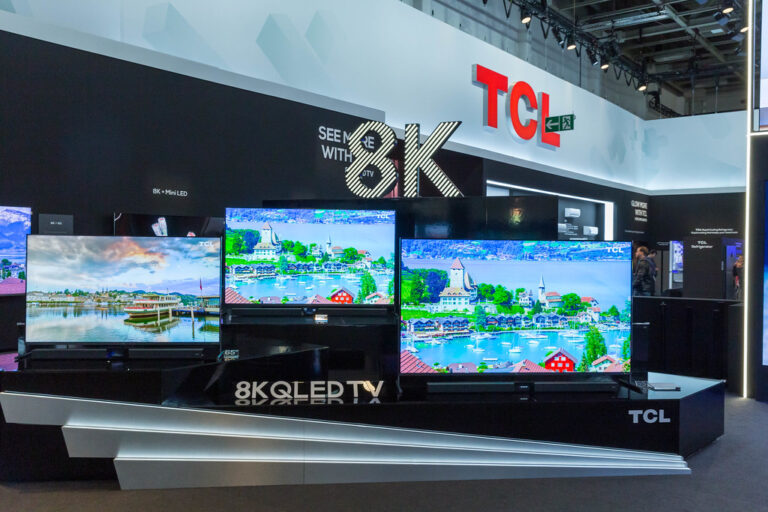
TCL shocked the market with its 6-Series and continues to impress with models like the TCL QM8K. Their Mini LED tech and Google TV OS make them a great budget-friendly option.
Highlights:
- Great brightness and local dimming
- Dolby Vision and HDR10+ support
- Google TV OS is user-friendly
- Competitive gaming features
Limitations:
- Narrower viewing angles than OLED
- Some processing quirks
Our team loves TCL for “delivering premium features without the premium price tag.” For budget-conscious buyers, it’s a no-brainer.
👉 CHECK PRICE on:
5. Vizio: Budget-Friendly with Impressive Features
Vizio’s Quantum Pro QLED TVs offer good SDR brightness and wide color range, making them suitable for bright rooms. Their SmartCast OS supports popular streaming apps but has a mixed reputation.
Pros:
- DTS audio support
- HDMI 2.1 ports for gaming
- Competitive pricing
Cons:
- Image processing and blooming issues
- Blacks not as deep as OLED
Vizio is a solid choice if you want a bright LED TV without breaking the bank, but don’t expect OLED-level contrast.
👉 CHECK PRICE on:
6. Panasonic: Trusted Japanese Craftsmanship
Panasonic’s return to the US market with the Z95A OLED has been met with rave reviews. Their OLEDs feature MLA tech for enhanced brightness and support both HDR10+ and Dolby Vision.
Advantages:
- Excellent black levels and HDR support
- Fire TV OS for smart features
- Strong gaming specs
Drawbacks:
- Colors less vivid than Samsung or LG
- Limited availability in the US
Panasonic remains a favorite for those who value true cinematic quality and Japanese build reliability.
👉 CHECK PRICE on:
7. Hisense: Rising Star in Value and Innovation
Hisense has rapidly improved picture quality and tech, especially with models like the Hisense U8QG. Their “ULED” branding covers advanced LCD tech with local dimming and quantum dots.
Strengths:
- Supports all major HDR and audio formats
- Bright and versatile for different lighting
- Competitive gaming features
Weaknesses:
- HDR content sometimes overbrightened
- Narrower viewing angles
Hisense is a great pick if you want value-packed TVs that punch above their weight.
👉 CHECK PRICE on:
8. Philips: European Flair and Ambilight Magic
Philips TVs, especially in Europe, are known for their Ambilight technology, which projects colors onto the wall behind the TV for immersive viewing. Their partnership with TP Vision ensures quality, but US models made by Funai are less premium.
Pros:
- Unique Ambilight feature
- Solid HDR support
- Good design aesthetics
Cons:
- Limited US availability and quality
- Smart OS less polished than competitors
If you want a TV with a wow factor in lighting effects, Philips is worth a look.
👉 CHECK PRICE on:
9. Sharp: Legacy Brand with Modern Twists
Sharp has a storied history but now focuses on affordable TVs with decent specs. Their recent models offer 4K resolution and smart features but don’t compete with the premium tier.
Highlights:
- Reliable build quality
- Decent picture for the price
- Smart TV functionality
Limitations:
- Limited innovation
- Less impressive HDR and gaming features
Sharp is a safe budget choice but won’t wow you with cutting-edge tech.
👉 CHECK PRICE on:
10. Sony Bravia XR Series: The Ultimate Viewing Experience
Sony’s Bravia XR line combines OLED and Mini LED tech with their Cognitive Processor XR for exceptional picture and sound. These TVs are designed for enthusiasts who want the best of everything.
Why it stands out:
- Superb color accuracy and contrast
- Dolby Vision and DTS support
- Google TV OS with vast app ecosystem
- Excellent gaming features
Considerations:
- Premium price
- Slightly higher input lag than some rivals
For those who want cinema-grade performance and don’t mind the cost, Bravia XR is a top pick.
👉 CHECK PRICE on:
🔍 How to Choose the Right TV Brand for Your Needs
Choosing a TV brand isn’t just about specs — it’s about matching the TV to your lifestyle. Here’s a step-by-step guide:
Step 1: Define Your Viewing Environment
- Bright room? Consider Samsung or Vizio for high brightness.
- Dark room? OLEDs from LG or Sony shine here.
Step 2: Identify Your Primary Use
- Movies and TV shows: OLED for perfect blacks and color.
- Gaming: Look for HDMI 2.1, VRR, and low input lag (Samsung, LG, Sony).
- Casual streaming: TCL and Hisense offer great value.
Step 3: Consider Smart TV OS Preferences
- Tizen (Samsung): Feature-rich, smooth.
- webOS (LG): Intuitive, app-rich.
- Google TV (Sony, TCL): Vast app library, Google Assistant integration.
Step 4: Factor in Budget and Warranty
- Premium brands offer better warranties and support.
- Budget brands may have shorter warranty periods and less responsive support.
Step 5: Read User Reviews and Expert Opinions
- Check Smart TV Reviews for hands-on insights.
- Look for consistent praise or complaints about reliability and service.
💡 Key Technologies Behind Major TV Brands: OLED, QLED, Mini-LED, and More
Understanding the tech behind the brands helps you appreciate what you’re paying for:
| Technology | Description | Brands Using It | Pros | Cons |
|---|---|---|---|---|
| OLED | Organic LEDs that self-illuminate | LG, Sony, Panasonic | Perfect blacks, wide viewing angles | Expensive, risk of burn-in |
| QLED | Quantum Dot-enhanced LCD | Samsung, TCL, Hisense | Bright, vivid colors, no burn-in | Blacks not as deep as OLED |
| Mini LED | Smaller LEDs for local dimming | Samsung Neo QLED, TCL, Sony | High brightness, better contrast | More expensive than standard LCD |
| ULED | Hisense’s marketing term for enhanced LCD | Hisense | Good brightness and color | Varies by model |
| Ambilight | Philips’ ambient lighting tech | Philips | Immersive experience | Only on Philips |
For a deep dive, visit our TV Technology section.
🛠️ Customer Service and Warranty: What to Expect from Top TV Brands
Customer support can make or break your TV experience. Here’s what we found:
| Brand | Warranty Length | Customer Support Quality | Notes |
|---|---|---|---|
| Samsung | 1-2 years | Excellent | Large support network, quick repairs |
| LG | 1-2 years | Very Good | Responsive, good coverage |
| Sony | 1-2 years | Excellent | Premium support, extended warranties available |
| TCL | 1 year | Good | Some delays reported |
| Vizio | 1 year | Fair | Mixed reviews on responsiveness |
| Panasonic | 1 year | Good | Limited US presence |
| Hisense | 1 year | Fair | Improving but inconsistent |
| Philips | 1 year | Fair | Varies by region |
Pro tip: Always register your TV and consider extended warranties if you’re investing in a premium model.
📊 Market Trends and Consumer Insights on TV Brand Preferences
Recent market data reveals:
- Samsung leads global TV shipments with over 30% market share (Statista, 2023).
- OLED adoption is growing, with LG controlling ~80% of the OLED panel market (Display Supply Chain Consultants).
- Budget brands TCL and Hisense are rapidly gaining US market share due to aggressive pricing and feature sets (NPD Group).
- Consumers increasingly prioritize smart TV OS and gaming features over just screen size or resolution.
Consumer reviews on Amazon and Best Buy show Samsung and LG consistently earn high satisfaction scores, while budget brands have more mixed feedback but strong value ratings.
🎯 Expert Tips for Getting the Best Deals on Major TV Brands
Want to snag a killer TV without breaking the bank? Here’s how:
- Time your purchase: Black Friday, Cyber Monday, and post-holiday sales offer the best discounts.
- Check for open-box or refurbished units: Often like-new with warranty.
- Compare prices across platforms: Amazon, Walmart, Best Buy, and brand official sites.
- Use price tracking tools: CamelCamelCamel and Honey alert you to price drops.
- Bundle deals: Sometimes retailers offer free soundbars or streaming subscriptions.
For more buying hacks, see our Affordable TV Options guides.
🤔 Common Myths and Misconceptions About TV Brands Debunked
Let’s bust some myths:
- Myth: “OLED TVs burn in quickly.”
Fact: Modern OLEDs have built-in pixel shifting and screen savers to minimize burn-in risk. Proper usage avoids issues. - Myth: “QLED is just a marketing gimmick.”
Fact: QLED uses quantum dots to enhance color and brightness significantly. It’s a real tech advantage for LCD TVs. - Myth: “More expensive means better TV.”
Fact: Price doesn’t always equal quality; budget brands can offer excellent performance for less. - Myth: “Smart TV OS doesn’t matter.”
Fact: OS affects app availability, speed, and user experience — choose one you like.
📚 Recommended Links for Further TV Brand Research
- RTINGS Best TV Brands Review — In-depth brand and model testing.
- Wikipedia List of Television Manufacturers — Historical and current brand info.
- Consumer Reports TV Buying Guide — Expert buying advice.
- Display Supply Chain Consultants OLED Market Report — Industry insights.
- TV Brands™ Smart TV Reviews — Hands-on reviews and comparisons.
❓ Frequently Asked Questions About Major TV Brands
Q: Which TV brand has the best picture quality?
A: OLED TVs from LG and Sony generally offer the best picture quality with perfect blacks and vibrant colors.
Q: Are budget brands like TCL and Hisense reliable?
A: Yes, especially in recent years, they’ve improved significantly and offer great value, though premium brands still lead in features and support.
Q: What smart TV OS should I choose?
A: It depends on your preference: Tizen (Samsung) is feature-rich, webOS (LG) is user-friendly, and Google TV (Sony, TCL) offers vast app support.
Q: Do all TV brands support HDMI 2.1?
A: Most premium models from Samsung, LG, Sony, TCL, and Hisense support HDMI 2.1, but check specific models.
Q: Is burn-in a concern with OLED TVs?
A: Modern OLEDs have safeguards to minimize burn-in; normal viewing habits typically prevent it.
🔗 Reference Links and Sources for TV Brand Information
- RTINGS TV Brand Reviews
- Wikipedia List of Television Manufacturers
- Statista TV Market Share Data
- Display Supply Chain Consultants OLED Report
- Consumer Reports TV Buying Guide
- Samsung Official Website
- LG Official Website
- Sony Official Website
- TCL Official Website
- Hisense Official Website
Before we wrap up, don’t miss the perspective from the first YouTube video embedded in this article, where the presenter breaks down the price-to-performance ratio and innovation wars among these TV giants — a must-watch for anyone serious about their next TV purchase!
🏁 Conclusion: Making the Smart Choice in TV Brands
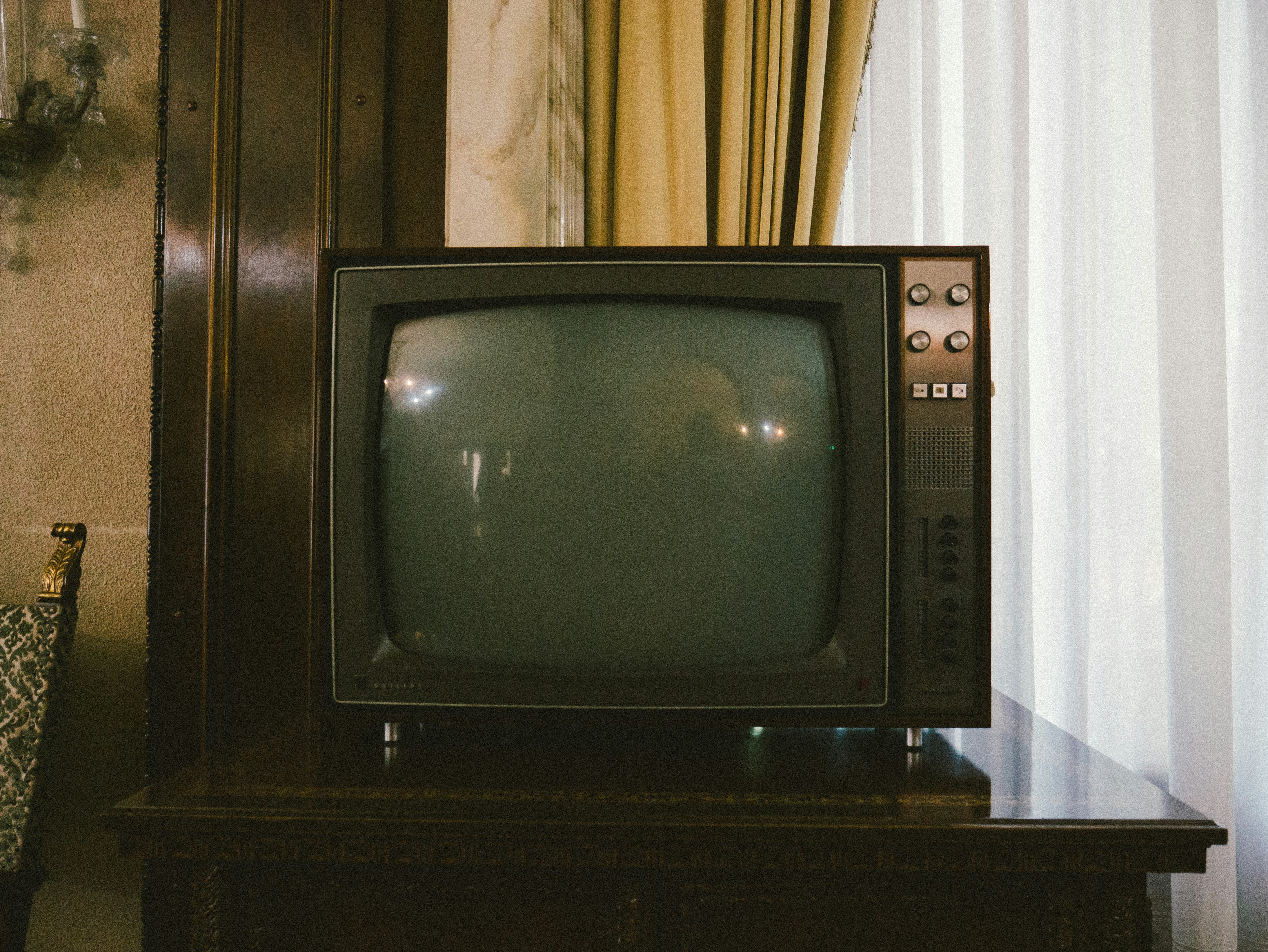
Phew! What a journey through the dazzling world of major TV brands. From the cutting-edge QD-OLED brilliance of Samsung to the cinematic perfection of LG’s OLEDs, and Sony’s masterful image processing, you now have the insider scoop to make a confident choice.
Summary of Positives and Negatives
| Brand | Positives | Negatives |
|---|---|---|
| Samsung | Ultra-bright QLED and QD-OLED panels, excellent gaming features, robust smart OS | No Dolby Vision support, DTS audio unsupported |
| LG | Best OLED panels with perfect blacks, intuitive webOS, strong gaming specs | No DTS passthrough, premium pricing |
| Sony | Superb processing, Dolby Vision & DTS support, Google TV OS | Higher price, slightly higher input lag |
| TCL | Affordable Mini LED with Google TV, great brightness and color | Narrower viewing angles, some processing quirks |
| Vizio | Budget-friendly, good SDR brightness, DTS audio support | Blooming issues, blacks not as deep |
| Panasonic | Excellent black levels, dual HDR support, Fire TV OS | Less vivid colors, limited US availability |
| Hisense | Value-packed, supports all HDR formats, solid gaming | Overbright HDR, narrower viewing angles |
Our Confident Recommendation
If picture quality and cinematic experience top your list, LG OLED and Sony Bravia XR are your best bets. For bright-room viewing and gaming, Samsung’s QD-OLED and Neo QLED models shine. Budget-conscious buyers should seriously consider TCL or Hisense for feature-rich TVs that won’t break the bank.
Remember, the smart TV OS you prefer and your viewing environment are just as important as specs. And don’t forget to factor in warranty and customer support — Samsung and Sony lead here.
So, are you ready to upgrade your viewing experience? Your perfect TV brand match is just a click away!
📚 Recommended Links
Shop Major TV Brands
- Samsung TVs: Amazon | Walmart | Samsung Official Website
- LG OLED TVs: Amazon | Best Buy | LG Official Website
- Sony Bravia TVs: Amazon | Sony Official Website
- TCL TVs: Amazon | TCL Official Website
- Hisense TVs: Amazon | Hisense Official Website
- Vizio TVs: Amazon | Vizio Official Website
- Panasonic TVs: Amazon | Panasonic Official Website
- Philips TVs: Amazon | Philips Official Website
- Sharp TVs: Amazon | Sharp Official Website
Books on TV Technology and Buying Guides
- The Ultimate Guide to TV Technology by Mark Johnson — Amazon Link
- Smart TV Buying Guide 2024 by Sarah Thompson — Amazon Link
- OLED vs QLED: The Battle for Your Living Room by Tech Insights — Amazon Link
❓ Frequently Asked Questions About Major TV Brands
Which TV brands offer the best picture quality?
LG and Sony lead with their OLED technology, delivering perfect blacks, vibrant colors, and wide viewing angles. Samsung’s QD-OLED and Neo QLED models also offer exceptional brightness and color accuracy, especially in bright rooms. Panasonic’s OLEDs are excellent but less vivid. Budget brands like TCL and Hisense provide good quality but can’t match OLED’s contrast.
What are the most reliable TV brands in 2024?
Samsung, Sony, and LG consistently rank highest for reliability and customer support. Their extensive service networks and longer warranties provide peace of mind. TCL and Hisense have improved reliability but may have inconsistent support depending on region. Vizio and Philips are decent but can vary.
How do Samsung and LG TVs compare?
Samsung excels with QLED and QD-OLED technology, offering brighter screens and a robust Tizen OS. LG is the OLED pioneer, delivering perfect blacks and wide viewing angles with webOS. Samsung lacks Dolby Vision support, which LG supports. Both have excellent gaming features with HDMI 2.1 ports.
What are the top budget TV brands?
TCL and Hisense dominate the budget segment, offering Mini LED and ULED tech with solid HDR and gaming features. Vizio is also a strong contender for affordable LED TVs with good brightness. These brands provide great value but may compromise on smart OS polish and viewing angles.
Which TV brands have the best smart TV features?
Samsung’s Tizen OS is feature-rich and fast. LG’s webOS is intuitive and user-friendly. Sony and TCL use Google TV, offering a vast app ecosystem and Google Assistant integration. Philips and Vizio have decent smart platforms but can be less responsive.
Are OLED TVs better than LED TVs from major brands?
Yes and no. OLED TVs (LG, Sony) offer superior contrast, perfect blacks, and better viewing angles, ideal for dark-room viewing and cinema enthusiasts. LED TVs (Samsung QLED, TCL Mini LED) excel in brightness and are better suited for bright rooms. OLEDs risk burn-in but modern tech minimizes this.
What new TV brands are gaining popularity this year?
Brands like Roku TV (via partnerships), Google’s new TV hardware, and Xiaomi are gaining traction, especially in smart TV integration and budget segments. Freely Smart TV Service recently signed up four more major TV brands, signaling growing diversity in the market (Forbes article).
🔗 Reference Links and Sources for TV Brand Information
- RTINGS TV Brand Reviews — Comprehensive testing and ratings
- Wikipedia List of Television Manufacturers — Historical and current brand data
- Statista TV Market Share Data — Market insights
- Display Supply Chain Consultants OLED Report — Industry trends
- Consumer Reports TV Buying Guide — Expert advice
- Samsung Official Website
- LG Official Website
- Sony Official Website
- TCL Official Website
- Hisense Official Website
- Forbes: Freely Smart TV Service Signs Up Four More Major TV Brands
Thanks for sticking with us through this deep dive! Now, armed with expert insights and real-world reviews, you’re ready to pick the TV brand that’ll light up your living room for years to come. Happy viewing! 📺✨