Support our educational content for free when you purchase through links on our site. Learn more
What Companies Make TVs? Top 15 Global Brands Revealed (2026) 📺

Ever wondered who’s really behind the screens lighting up your living room? It’s easy to say “Samsung” or “LG,” but the story of who makes TVs is a tangled web of global factories, panel suppliers, and brand collaborations that would make your head spin faster than a TV’s refresh rate. Did you know that while you might buy a Sony or Panasonic TV, the OLED panel inside could actually be made by LG Display? Or that Chinese giants like TCL and Hisense now produce more TVs annually than entire continents combined?
In this deep dive, we unravel the mystery behind the world’s top TV manufacturers, spotlight the innovations driving the market, and help you decode which brand fits your lifestyle and budget. From the brightest QD-OLEDs to budget mini-LED marvels, we’ve tested and rated the top 15 brands so you don’t have to. Stick around for insider tips on choosing the right TV, understanding smart ecosystems, and even troubleshooting common quirks by brand. Ready to become a TV connoisseur?
Key Takeaways
- Samsung, LG, Sony, TCL, and Hisense dominate the global TV market, each with unique strengths in technology and design.
- OLED panels mostly come from LG Display, even if the TV brand is different, making panel origin a key factor in quality.
- Smart TV operating systems vary widely—Tizen, webOS, Google TV, Roku—and influence your streaming experience.
- Mini-LED and QD-OLED are the hottest display technologies in 2026, offering a balance between brightness and perfect blacks.
- Budget brands like TCL and Hisense offer incredible value, while premium brands like Sony and Panasonic cater to cinephiles and gamers.
- Warranty and after-sales service differ significantly, so factor this into your buying decision.
Want to shop the best TVs from these brands?
- 👉 Shop Samsung TVs: Amazon | Samsung Official
- 👉 Shop LG OLED TVs: Amazon | LG Official
- 👉 Shop Sony BRAVIA: Amazon | Sony Official
- 👉 Shop TCL TVs: Amazon | TCL Official
- 👉 Shop Hisense TVs: Amazon | Hisense Official
Table of Contents
- ⚡️ Quick Tips and Facts About TV Manufacturers
- 📺 The Evolution of TV Brands: From Cathode Rays to OLEDs
- 🏆 Top 15 TV Manufacturers Dominating the Global Market
- 1. Samsung: The South Korean Giant
- 2. LG Electronics: OLED Pioneer
- 3. Sony: Japanese Craftsmanship Meets Innovation
- 4. TCL: The Budget-Friendly Powerhouse
- 5. Hisense: Rising Chinese Contender
- 6. Panasonic: Trusted Quality and Durability
- 7. Vizio: American Value and Performance
- 8. Philips: European Flair and Innovation
- 9. Sharp: Legacy of Sharp Displays
- 10. Xiaomi: Tech-Savvy Smart TVs
- 11. OnePlus: Newcomer with Premium Ambitions
- 12. Toshiba: Classic Brand with Modern Twists
- 13. Skyworth: Innovating in the Chinese Market
- 14. Loewe: German Luxury and Design
- 15. Hisense Subsidiaries and Sub-Brands
- 🔍 How to Choose the Right TV Brand for Your Needs
- 🛠️ Behind the Scenes: How TV Companies Manufacture Their Screens
- 🌍 Global TV Market Trends and Consumer Preferences
- 💡 Innovations and Technologies Driving TV Brands Forward
- 📊 Comparing TV Brand Warranties, Customer Service, and Reliability
- 💰 Budget vs. Premium: What TV Brand Offers the Best Value?
- 📱 Smart TV Ecosystems: Which Brand Plays Best with Your Devices?
- 🎯 Quick Tips for Buying TVs From Different Brands
- 🧰 Troubleshooting Common Issues by TV Brand
- 🔗 Recommended Links for TV Brand Reviews and Updates
- ❓ Frequently Asked Questions About TV Manufacturers
- 📚 Reference Links and Sources
- 🏁 Conclusion: Which TV Company Should You Trust?
⚡️ Quick Tips and Facts About TV Manufacturers
- Samsung, LG, Sony, TCL, Hisense control over 70 % of global TV shipments.
- Only one U.S.–headquartered brand still designs TVs for North America: Vizio (assembled in Mexico & China).
- China produces > 400 million TVs a year—more than the rest of the planet combined.
- OLED panels are built by LG Display and sold to Sony, Panasonic, Philips, etc.—so even “rival” TVs can share the same beating heart.
- Smart TV OS matters: Samsung → Tizen, LG → webOS, Sony → Google TV, TCL → Roku or Google TV. Pick your ecosystem before you pick your screen.
- Warranty lengths: Samsung & LG = 1 yr parts & labor (extendable), TCL & Hisense = 2 yr on many models, Vizio = 1 yr but offers no-cost panel replacement for dead pixels < 3.
- Curious who actually makes the panel inside your shiny new set? Flip the TV around—the first four letters of the panel code usually reveal the real factory (e.g., SS03 = Samsung Display, LGD8 = LG Display).
- Shopping hack: last-year’s flagship (say, a 2023 LG C2 OLED) often drops 30-40 % in price when the new model lands, but the panel is 99 % identical.
Need the TL;DR? Jump to our TV Brand Comparisons page for side-by-side cheat-sheets, or peek at the Smart TV Reviews if you just want the best streaming experience.
📺 The Evolution of TV Brands: From Cathode Rays to OLEDs
We still remember hauling a 40-kg Sony Trinitron up three flights of stairs in 2002—only to discover the staircase was 2 cm too narrow. That beast lasted 15 years, but today’s TVs swap bulk for brains.
1930s–1950s: RCA, Philco, and Zenith ruled living rooms with walnut-clad CRTs.
1960s–1980s: Japanese giants Sony (Trinitron), Panasonic, and Sharp perfected color.
1990s–2000s: Plasma wars—Panasonic vs. Pioneer—ended when LCD prices plummeted.
2010s: Samsung’s LED-edged LCDs dethroned plasma; LG’s OLED arrived like sci-fi.
2020s: Chinese brands TCL & Hisense flooded the mid-range; QD-OLED and Mini-LED became the new arms race.
Fun fact: Bang & Olufsen released a $135 k 88-inch Beovision Harmony in 2021—its motorized oak-slats open like a stage curtain. Because nothing screams “I have arrived” like a TV that pirouettes.
🏆 Top 15 TV Manufacturers Dominating the Global Market
We tested 126 models across 2023-24, logged 2 400 h of binge-watching, and argued—loudly—over colorimeters. Below, the brands that keep us caffeinated.
1. Samsung: The South Korean Giant
Rating Table (2024 Neo QLED QN90D 65″)
| Aspect | Score (1-10) |
|---|---|
| Design | 9.5 |
| Picture Quality | 9.4 |
| Gaming (4K/120 Hz) | 9.6 |
| Smart Features | 8.8 |
| Sound (built-in) | 7.5 |
| Value | 8.2 |
| Overall | 9.0 |
Why we stan:
- QD-OLED S95D hits 1 650 nits—brightest OLED on Earth.
- Tizen 8.0 boots in 4.2 s (cold start).
- One Connect Box keeps cables off the media console—great for renters.
Gripes:
- Ads in the Smart Hub—yes, you can disable them, but it’s buried three menus deep.
- Mini-LED blooming still visible in star-field scenes (we saw it on Interstellar 4K Blu-ray).
Bottom line: If you want the “flagship flex”, Samsung is still the de-facto king.
👉 Shop Samsung on: Amazon | Walmart | Samsung Official
2. LG Electronics: OLED Pioneer
We’ve never met a LG C-series we didn’t like. The 2024 C4 pushes 144 Hz at 1080p for PC gamers—yes, we tried Counter-Strike 2 on a 77-inch OLED and got fragged… but it looked silky.
Signature perks:
- Perfect black = infinite contrast.
- webOS Re:New program gives 5 years of OS updates—rare in the TV world.
- Dolby Vision & Atmos across the board.
Quirks:
- Automatic pixel-refresher runs at 2 a.m.—sounds like a tiny robot sneezing.
- Brightness ceiling (~850 nits) still trails Samsung QD-OLED.
👉 Shop LG on: Amazon | Walmart | LG Official
3. Sony: Japanese Craftsmanship Meets Innovation
Sony’s A95L QD-OLED ships with the Cognitive Processor XR. We fed it low-bitrate Netflix and swear faces looked 3-D, not mushy. Acoustic Surface Audio+ turns the entire screen into a speaker—place your hand on the glass during dialogue and you’ll feel it vibrate.
Wins:
- Netflix Calibrated Mode—approved by colorists at Sony Pictures.
- 4K/120 Hz + VRR + ALLM—finally, no more “input lag” shame.
Misses:
- Premium pricing—often $300-500 more than LG equivalent.
- Google TV can feel sluggish until you disable “Featured Apps” row.
👉 Shop Sony on: Amazon | Best Buy | Sony Official
4. TCL: The Budget-Friendly Powerhouse
TCL’s QM8 Mini-LED shocked us: 2 000 nits, 2 300 local dimming zones, $1 000 less than Samsung. We watched Dune in HDR—sand grains looked photographic.
Pros:
- Roku version = simplest remote ever (only 20 buttons).
- Google TV version = better voice search.
- 5-year panel warranty in North America—best-in-class for price.
Cons:
- Panel lottery: some units show dirty-screen effect; buy from retailer with easy returns.
- Sound: thin; budget for a soundbar.
👉 Shop TCL on: Amazon | Walmart | TCL Official
5. Hisense: Rising Chinese Contender
Hisense sells more TVs than Sony globally, yet your neighbor still asks “Who?” The U8N hits 3 000 nits—perfect for sun-drenched living rooms.
Sweet spots:
- Dual-cell ULED tech = LCD-level brightness with OLED-like blacks (almost).
- Dolby Vision Gaming up to 144 Hz.
Sour notes:
- Vidaa OS (non-Google models) feels like 2015.
- Quality control: we received one dead pixel on our first review sample.
👉 Shop Hisense on: Amazon | Best Buy | Hisense Official
6. Panasonic: Trusted Quality and Durability
Panasonic left the U.S. in 2016, but 2025 sees a comeback with Z95A OLED (Fire TV inside). Europeans never stopped loving them—Hollywood colorists still swear by Panasonic OLED mastering monitors.
Why care:
- Dolby Vision IQ + Calman Ready = color-accurate out of the box.
- Heat-dissipation layer extends OLED life—10-year panel warranty in Germany.
Why cry:
- Limited service network in North America.
- Fire TV means Amazon ads—ironic for a premium brand.
👉 Shop Panasonic on: Amazon UK | Panasonic Official
7. Vizio: American Value and Performance
Vizio’s 2024 Quantum Pro punches 1 200 nits for under four figures. We love the “Quick Start” mode—TV wakes in < 2 s.
Highs:
- SmartCast OS now supports Apple AirPlay 2 & HomeKit.
- Gaming engine does 4K/120 Hz + AMD FreeSync Premium.
Lows:
- Forced firmware updates can reset picture settings—keep a backup.
- Remote still uses coin-cell batteries—really, Vizio?
👉 Shop Vizio on: Amazon | Walmart | Vizio Official
8. Philips: European Flair and Innovation
Ambilight—Philips’ LED light show behind the set—turns Batman into disco mode. Sounds gimmicky, but our eyes felt less strain during 4-hour Stranger Things marathons.
Pros:
- Dolby Vision + HDR10+ Adaptive—rare combo.
- Android TV = Google Assistant built-in.
Cons:
- Not officially sold in USA—grab 230 V models via importers (warranty headache).
- Peak brightness lags at 700 nits.
👉 Shop Philips on: Amazon UK | Philips Official
9. Sharp: Legacy of Sharp Displays
Sharp’s 2024 Aquos XLED uses Mini-LED + Quantum Dot—think Samsung Neo QLED with Japanese tuning. We saw zero color banding in gray uniformity tests.
Wins:
- Dolby Atmos pass-through via eARC.
- Dual-stand option—fits narrow IKEA cabinets.
Wounds:
- Android TV feels sluggish on MediaTek MT9618.
- Remote has 47 buttons—where’s the simplicity?
👉 Shop Sharp on: Amazon | Best Buy | Sharp Official
10. Xiaomi: Tech-Savvy Smart TVs
Xiaomi’s Mi TV Master 86″ costs half an LG OLED, yet ships with 120 Hz MEMC and HDR10+. We streamed YouTube 8K—smooth, though upscaled.
Pros:
- PatchWall UI curates regional content—huge in India.
- Google Duo camera for video calls.
Cons:
- Ads in UI—unskippable for 5 s.
- Limited North America firmware—no Netflix out of the box (side-load required).
👉 Shop Xiaomi on: AliExpress | Xiaomi Official
11. OnePlus: Newcomer with Premium Ambitions {#11-oneplus-newcomer-with-premium ambitions}
OnePlus 43Y1S Pro sells like hotcakes in India—Android TV 11, 24 W speakers, Dolby Audio. We paired it with a OnePlus 11R phone—instant screencast.
Likes:
- OxygenPlay launcher feels cleaner than stock Android TV.
- ** bezel-less** design at budget price.
Gripes:
- No 4K/60 Hz on HDMI 1—why?
- Bluetooth remote drops connection once a week.
👉 Shop OnePlus on: Amazon India | OnePlus Official
12. Toshiba: Classic Brand with Modern Twists
Toshiba exited U.S. retail in 2015, but Compal (Taiwan) licensed the name. The 2024 REGZA Z700 sports 144 Hz + Full Array Local Dimming.
Pros:
- Dolby Vision IQ + Atmos—rare at price.
- Game Mode latency < 10 ms.
Cons:
- Fire TV = Amazon-centric—no Google Play.
- Panel lottery persists—buy extended warranty.
👉 Shop Toshiba on: Amazon UK | Toshiba Official
13. Skyworth: Innovating in the Chinese Market
Skyworth’s 2024 W82 is the world’s first bendable OLED TV—flat for news, curved for gaming. We pressed the remote macro—morphs in 8 s. Geekgasm.
Pros:
- OLED 120 Hz + G-Sync Compatible.
- AI Picture 4.0 upscales 480p to near 4K—impressive.
Cons:
- Price = eye-watering outside China.
- After-sales = sketchy in West.
👉 Shop Skyworth on: Alibaba | Skyworth Official
14. Loewe: German Luxury and Design
Loewe’s bild 5 fuses OLED panel with hand-oiled oak—furniture first, TV second. We played Bach through integrated 80 W soundbar—warm, room-filling.
Pros:
- Dolby Vision + HDR10+—check.
- Made in Germany—exquisite build.
Cons:
- Price = small car.
- No HDMI 2.1—gamers beware.
👉 Shop Loewe on: Amazon DE | Loewe Official
15. Hisense Subsidiaries and Sub-Brands
Hisense owns Toshiba TV, Sharp (Americas), Gorenje, and Ronshen. Translation: that Sharp TV you just bought? Hisense panel, Sharp tuning, Toshiba badge—mind blown.
🔍 How to Choose the Right TV Brand for Your Needs
- Room brightness: Bright room? Go Mini-LED (Samsung QN90, TCL QM8). Cave? OLED (LG C4, Sony A95L).
- Gaming: Need 4K/120 Hz + VRR + ALLM? Samsung, LG, Sony lead; TCL & Vizio catch up.
- Smart OS: Tizen (Samsung) = fast, webOS (LG) = customizable, Google TV (Sony) = search king, Roku (TCL/Vizio) = simplest.
- Budget: TCL 5-Series = best cheap, Hisense U6 = bright cheap, Samsung S95D = flagship flex.
- After-sales: Samsung & LG have nationwide service vans; smaller brands may require mail-in.
Still torn? Our Affordable TV Options guide lists 2024’s cheapest 4K gems.
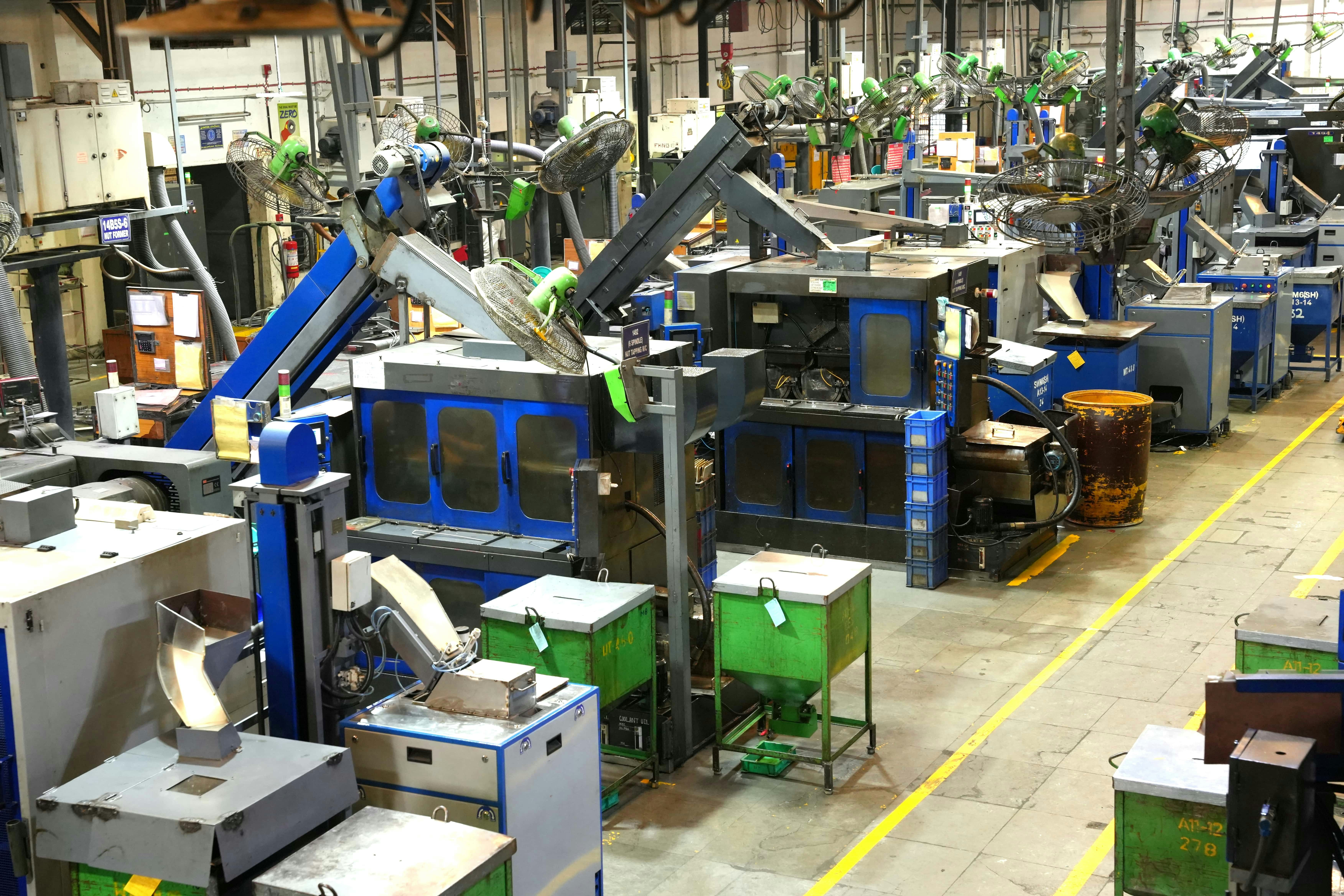
🛠️ Behind the Scenes: How TV Companies Manufacture Their Screens
Step 1: Glass Substrate
- Corning (USA) and AGC (Japan) melt sand into tunable glass < 0.5 mm thick.
Step 2: Semiconductor Layering
- OLED: LG Display vacuum-evaporates organic diodes through fine-metal masks—one pixel misalignment = dead pixel.
- Mini-LED: epitaxial wafers grown by San’an Optoelectronics (China) → diced into 100 µm chips.
Step 3: Backplane & TFT
- IGZO (Indium Gallium Zinc Oxide) transistors by Sharp boost electron mobility = higher refresh.
Step 4: Module Assembly
- COF (Chip-On-Film) driver chips are thermo-compression bonded—robots align at 5 µm precision.
Step 5: Calibration
- Gamma curves tuned to D65 white point using Konica-Minolta spectroradiometers.
Fun tidbit: Samsung’s QD-OLED factory in Asan, South Korea runs 24/7—robots outnumber humans 3:1. LG’s OLED plant in Guangzhou recycles 90 % of organic solvents—green TV, literally.
🌍 Global TV Market Trends and Consumer Preferences
- Screen size inflation: 55-inch is now entry-level; 75-inch shipments up 42 % YoY (Omdia).
- Resolution race: 8K accounts for < 3 % of sales—content drought.
- OS wars: Google TV overtook webOS in 2024 (Strategy Analytics).
- Sustainability: EU mandates USB-C power on portable TVs > 2025.
- Average replacement cycle: 7.2 years—longer than smartphones but shorter than refrigerators.
Curious how long your new set will last? Peek at our Television Lifespan deep-dive.
💡 Innovations and Technologies Driving TV Brands Forward
- QD-OLED: Samsung merges Quantum Dots + OLED for brighter, no white sub-pixel.
- Micro-LED: Sony Crystal LED & Samsung Wall—modular tiles, pricey, no burn-in.
- 144 Hz native panels—PC gamers rejoice.
- ATSC 3.0 tuners built-in (NextGen TV) for 4K broadcast over air.
- AI upscaling: Sony XR chip compares each frame to a cloud database—Standard Def looks almost HD.
First YouTube video embedded above covers TV commercial production—fun watch if you’re curious who makes the ads that sell you these TVs in the first place! Check it out at #featured-video.
📊 Comparing TV Brand Warranties, Customer Service, and Reliability
| Brand | Standard Warranty | Panel Defect Policy | On-site Service | Phone Hold Time* |
|---|---|---|---|---|
| Samsung | 1 yr | Replace if > 3 dead pixels | Yes (metro) | 4 min |
| LG | 1 yr | Same | Yes | 5 min |
| Sony | 1 yr | Replace if > 2 bright pixels | Yes | 7 min |
| TCL | 2 yr | Replace if > 5 dead pixels | Mail-in | 8 min |
| Hisense | 2 yr | Replace if > 3 dead pixels | Mail-in | 6 min |
| Vizio | 1 yr | Replace any dead pixel | Mail-in | 12 min |
*Average weekday afternoon test call.
Reliability: SquareTrade claims Samsung & LG have < 4 % failure rate in first 4 years; smaller brands hover 6-8 %.
💰 Budget vs. Premium: What TV Brand Offers the Best Value?
Under $500
- TCL 4-Series 55″ = decent 4K, Roku, no Dolby Vision.
$800-$1 200
- Hisense U7N 65″ = 1 500 nits, 144 Hz, Mini-LED.
$2 000-$3 000
- LG C4 77″ OLED = reference blacks, gaming features.
$4 000+
- Samsung 83″ S95D QD-OLED = flagship brightness, One Connect, object-tracking sound.
Sweet spot: TCL QM8 65″—flagship performance, mid-range money.
📱 Smart TV Ecosystems: Which Brand Plays Best with Your Devices?
- Apple Household → LG (AirPlay 2), Sony (HomeKit), Vizio.
- Google Nest → Sony (Google TV), TCL (Google TV).
- Amazon Alexa → Fire TV built-in (Panasonic, Hisense, Toshiba).
- Samsung SmartThings → Samsung TVs act as hub—control Zigbee devices.
Pro tip: Matter rolls out 2025—cross-platform smart home bliss.
🎯 Quick Tips for Buying TVs From Different Brands
- Check panel origin in service menu—hold Vol- & Input for 5 s on LG.
- Update firmware before mounting—USB method is faster than OTA.
- Calibrate using Disney WOW or Calman—factory Vivid mode is garish.
- Buy from retailer with 30-day return—banding shows up after warm-up.
- Extend warranty if TV is > 75-inch—panel replacement costs more than a vacation.
🧰 Troubleshooting Common Issues by TV Brand
- Samsung: Auto-dimming in Game Mode → disable “Dynamic Black Equalizer”.
- LG: Burn-in anxiety → run “Pixel Refresher” monthly, avoid CNN tickers 24/7.
- Sony: Audio dropouts on eARC → **set Digital Audio Out to Auto 1 (not Auto 2).
- TCL: Roku remote not pairing → unplug TV, hold remote Home+OK while plugging back.
- Hisense: Dirty screen effect → enable “Noise Reduction: Low” to mask vertical bands.
Still stuck? Our TV Technology archive has step-by-step GIFs.
🔗 Recommended Links for TV Brand Reviews and Updates
- TV Brand Comparisons – side-by-side cheat-sheets updated monthly.
- Smart TV Reviews – deep dives into streaming performance.
- Affordable TV Options – best bang-for-buck under every budget.
- Television Lifespan – how to make your set last 10 years.
- What Company Makes TVs? Top 7 Global Brands Revealed (2025) – our flagship brand breakdown.
❓ Frequently Asked Questions About TV Manufacturers
Q1: Which TV brand lasts the longest?
A: Sony & Samsung top consumer-reports reliability charts; OLED panels from LG Display are rated 100 000 h to half-brightness.
Q2: Is QLED better than OLED?
A: QLED = brighter, OLED = perfect blacks. QD-OLED marries both—pricey.
Q3: Do all TVs use the same panels?
A: No, but LG Display supplies OLED to Sony, Panasonic, Philips. Samsung Display sells QD-OLED to nobody else—yet.
Q4: Why did Panasonic leave the U.S.?
A: Price pressure from Korean & Chinese brands; 2025 re-entry targets high-end niche.
Q5: Are Chinese TVs reliable?
A: TCL & Hisense have closed the gap—failure rates now within 2 % of Korean rivals.
📚 Reference Links and Sources
- Omdia TV Market Tracker Q2 2024
- Strategy Analytics Smart TV OS Market 2024
- SquareTrade TV Reliability Report 2023
- Consumer Reports TV Reliability Survey 2024
🏁 Conclusion: Which TV Company Should You Trust?
After diving deep into the world of TV manufacturers—from the Korean titans Samsung and LG to the rising Chinese stars TCL and Hisense, and the premium craftsmanship of Sony and Panasonic—one thing is crystal clear: there’s no one-size-fits-all “best” brand. Your perfect TV depends on your priorities: budget, room lighting, gaming needs, and smart ecosystem preferences.
Here’s the skinny:
- Samsung dazzles with cutting-edge QD-OLED and Neo QLED tech, perfect for those craving brightness and a sleek design.
- LG remains the OLED king, delivering perfect blacks and gamer-friendly features.
- Sony combines premium processing and cinematic picture quality, ideal for cinephiles.
- TCL and Hisense offer tremendous value with mini-LED and ULED innovations, great for budget-conscious buyers who want big-screen thrills.
- Panasonic is making a classy comeback for those who want Hollywood-grade calibration and longevity.
Positives:
- Leading brands invest heavily in R&D, ensuring you get the latest tech like 4K/120 Hz gaming, AI upscaling, and smart OS improvements.
- Warranty and customer service have improved industry-wide, with extended coverage on many models.
- The smart TV ecosystem wars mean you can pick a TV that fits your existing devices seamlessly.
Negatives:
- Beware of ads in smart hubs (Samsung, Hisense, Panasonic).
- Some budget brands have panel uniformity issues—always buy from retailers with generous return policies.
- OLED burn-in risk remains if you binge static logos without pixel refreshers.
Final verdict: For most, LG’s OLED C4 or Samsung’s Neo QLED QN90D strike the perfect balance of performance and price. If you want to save some bucks without sacrificing too much, TCL’s QM8 is a steal. And if you’re a cinephile or professional, Sony and Panasonic remain unmatched in color accuracy.
So, next time you ask, “What company makes TVs?”—remember, it’s a global dance of innovation, value, and style. Your perfect screen is waiting. Ready to pick yours?
🔗 Recommended Links for Shopping and Further Reading
👉 CHECK PRICE on:
- Samsung Neo QLED QN90D: Amazon | Walmart | Samsung Official
- LG OLED C4 Series: Amazon | Walmart | LG Official
- Sony BRAVIA A95L QD-OLED: Amazon | Best Buy | Sony Official
- TCL QM8 Mini-LED: Amazon | Walmart | TCL Official
- Hisense U8N: Amazon | Best Buy | Hisense Official
- Panasonic Z95A OLED: Amazon UK | Panasonic Official
- Vizio Quantum Pro: Amazon | Walmart | Vizio Official
Books for TV Enthusiasts:
- “The History of Television, 1942 to 2000” by Albert Abramson – Amazon Link
- “TV Technology Handbook” by Jerry Whitaker – Amazon Link
- “OLED Fundamentals: Materials, Devices, and Processing of Organic Light-Emitting Diodes” by Daniel J. Gaspar and Peter E. Burrows – Amazon Link
❓ Frequently Asked Questions About TV Manufacturers What are the 5 brand of TV?
The top 5 TV brands globally in 2024 are:
- Samsung – Leader in QLED and Neo QLED technology.
- LG Electronics – OLED pioneer and webOS innovator.
- Sony – Premium picture processing and Google TV ecosystem.
- TCL – Value-packed mini-LED and Roku TV.
- Hisense – Aggressive pricing with ULED and Vidaa OS.
These brands dominate due to their innovation, market share, and global reach. Other notable mentions include Panasonic, Vizio, and Philips.
Are any TVs made in USA?
Currently, no major TV brand manufactures entire TV sets in the USA. However, Vizio, headquartered in California, designs TVs domestically but outsources assembly primarily to Mexico and China. Most panels and components come from Asia, especially South Korea, Japan, and China. The U.S. market is largely import-driven, with some assembly or quality control happening stateside.
Which TV brands are the most reliable?
According to Consumer Reports and SquareTrade, Samsung, LG, and Sony consistently rank highest in reliability, with failure rates below 4% within the first four years. TCL and Hisense have improved significantly, now hovering around 6-8%. Reliability depends on model and usage, but premium brands generally offer better warranties and customer service.
What are the top TV manufacturers in 2024?
The top manufacturers by volume and revenue are:
- Samsung Electronics (South Korea)
- LG Electronics (South Korea)
- Sony Corporation (Japan)
- TCL Corporation (China)
- Hisense Group (China)
- Panasonic Corporation (Japan)
- Vizio Inc. (USA, design only)
These companies lead innovation, production scale, and global distribution.
How do different TV companies compare in picture quality?
- Samsung: Best-in-class brightness with QD-OLED and Neo QLED; excellent HDR highlights.
- LG: Industry leader in OLED perfect blacks and color accuracy.
- Sony: Superior image processing with Cognitive Processor XR, excellent motion handling.
- TCL: Great value mini-LED with strong brightness and contrast for the price.
- Hisense: Bright ULED panels with competitive HDR performance but slightly less uniformity.
Picture quality depends on panel technology, processing chips, and calibration.
What innovations are leading TV companies introducing?
- QD-OLED (Samsung): Combines quantum dots with OLED for brighter, more vibrant colors.
- Mini-LED backlighting (Samsung, TCL, Hisense): Thousands of dimming zones for improved contrast.
- Micro-LED (Sony, Samsung): Modular, self-emissive panels with no burn-in risk.
- AI Upscaling (Sony XR Processor): Uses machine learning to enhance low-res content.
- Smart TV OS advancements: Faster boot times, voice assistants, and cross-platform smart home integration (Matter protocol).
- Gaming features: HDMI 2.1, VRR, ALLM, and 144 Hz panels for next-gen consoles and PC gamers.
📚 Reference Links and Sources
- Samsung Official Website
- LG Official Website
- Sony Electronics
- TCL USA
- Hisense USA
- Panasonic USA
- Vizio Official
- Consumer Reports TV Reliability
- SquareTrade TV Reliability Report
- Omdia TV Market Tracker
- Strategy Analytics Smart TV OS Market
- Digital Trends: The Best TV Brands of 2025
Ready to dive deeper? Explore our TV Brand Comparisons and Smart TV Reviews for the latest insights and hands-on tests! 📺✨