Support our educational content for free when you purchase through links on our site. Learn more
Who Makes the Most Reliable TV? Top 7 Brands Ranked (2026) 📺

Choosing a TV that lasts isn’t just about picture quality or flashy features—it’s about reliability. After all, what good is a stunning 4K OLED if it starts flickering or freezes on you after a year? We’ve all heard horror stories of TVs dying prematurely or software updates turning our smart screens into glorified paperweights. So, who really makes the most reliable TV in 2026? Is it the tech giant Sony, the OLED pioneer LG, or perhaps a surprising budget contender punching above its weight?
In this comprehensive guide, the expert reviewers at TV Brands™ break down the top 7 most reliable TV brands, backed by data from Consumer Reports, the American Customer Satisfaction Index, and real-world user feedback. We’ll explore everything from hardware durability and software stability to warranty support and common failure points. Plus, we’ll reveal some insider tips to keep your TV running smoothly for years. Curious which brand earned the crown and which ones to avoid? Keep reading—your next TV might just be a click away from becoming your most trusted entertainment companion.
Key Takeaways
- Sony, LG, and Samsung dominate reliability with premium build quality, advanced processing, and strong software support.
- Hisense and Insignia surprise with solid durability at budget-friendly prices, offering great value without immediate obsolescence.
- OLED TVs have improved longevity, but burn-in risk still exists for static images; LED/QLED TVs offer near-zero burn-in risk.
- Smart TV software can fail before hardware, so choosing brands with well-supported platforms like webOS, Tizen, or Google TV is crucial.
- Warranty and customer support vary widely, impacting the overall reliability experience.
- Pro tip: Use a surge protector and ensure good ventilation to extend your TV’s lifespan.
👉 Shop the most reliable TVs now:
- Sony TVs: Amazon | Walmart | Sony Official
- LG TVs: Amazon | Walmart | LG Official
- Samsung TVs: Amazon | Walmart | Samsung Official
Table of Contents
- ⚡️ Quick Tips and Facts
- 📺 The Evolution of TV Longevity: From Cathode Tubes to Crystal Clear Panels
- 🔍 Our Methodology: How We Hunt for the Most Reliable TV
- 🏆 The Heavyweights: Ranking the Top 7 Most Reliable TV Brands
- Sony: The King of Build Quality and Processing
- LG: The OLED Pioneer with Surprising Staying Power
- Samsung: The Global Titan of Tech and Durability
- Hisense: The Budget Contender Rising the Reliability Ranks
- Philips: European Engineering Meets Ambilight Innovation
- Insignia: Best Buy’s Surprising Reliability Dark Horse
- TCL: The Value King’s Journey Toward Premium Longevity
- 🛠️ Common TV Failures: What Usually Goes Wrong?
- ⚖️ OLED vs. QLED vs. LED: Which Display Tech Lasts Longest?
- 🧠 Smart TV Software: When the Brain Fails Before the Body
- 🛡️ Warranty Wars: Which Manufacturers Actually Have Your Back?
- 💡 Pro Tips to Extend Your TV’s Lifespan by Years
- 🏁 Conclusion: The Final Verdict on Who Makes the Most Reliable TV
- 🔗 Recommended Links
- ❓ FAQ: Your Burning Reliability Questions Answered
- 📚 Reference Links
⚡️ Quick Tips and Facts
Before we dive into the nitty-gritty of which brand will survive your next decade of Netflix binges, here are some fast facts to get you started:
- Average Lifespan: Most modern LED TVs are rated for about 60,000 to 100,000 hours of use. If you leave it on for 6 hours a day, that’s roughly 27 to 45 years—though the software or backlight will likely give up long before the pixels do! ⏳
- Heat is the Enemy: The #1 cause of premature TV death is overheating. Ensure your TV has at least 2-4 inches of breathing room from the wall or cabinet. 🌡️
- The “Big Three”: Historically, Sony, Samsung, and LG consistently dominate reliability surveys from Consumer Reports and J.D. Power. ✅
- Software Matters: A TV isn’t just a screen; it’s a computer. Often, a TV “breaks” because the Smart TV apps stop updating, not because the hardware failed. 🧠
- OLED Burn-In: While much improved, OLED TVs still carry a slight risk of permanent image retention if you leave news tickers or static gaming HUDs on for 12 hours a day. 📺
- Surge Protection: Always use a high-quality surge protector. A single lightning strike or power flicker can turn your $2,000 masterpiece into a very expensive paperweight. ⚡
📺 The Evolution of TV Longevity: From Cathode Tubes to Crystal Clear Panels
Remember those massive “wood-paneled” floor TVs your grandparents had? You could practically drop a bowling ball on them, and they’d keep ticking. Those old CRT (Cathode Ray Tube) units were tanks, but they also consumed enough electricity to power a small village and offered the resolution of a wet potato.
As we transitioned to Plasma, then LCD, and now OLED and QLED, the technology became infinitely more complex. We traded “indestructible” for “incredible.” Today’s TVs are essentially giant smartphones mounted on your wall. They are thinner, brighter, and smarter, but that complexity introduces new points of failure.
In the early 2010s, we saw a massive spike in capacitor failures and backlight bleeding. However, we’ve entered a “Golden Age” of manufacturing. Brands like Sony and Samsung have refined their supply chains to the point where “lemons” are increasingly rare. But as we’ll discover, “reliable” doesn’t just mean the screen turns on—it means the software stays snappy and the colors stay true for years to come.
Are you ready to find out which brand actually earns the “Reliability Crown,” or will you be stuck calling tech support by next Christmas? Let’s get into the rankings! 🏆
⚡️ Quick Tips and Facts
Before we dive into the nitty-gritty of which brand will survive your next decade of Netflix binges, here are some fast facts to get you started:
- Average Lifespan: Most modern LED TVs are rated for about 60,000 to 100,000 hours of use. If you leave it on for 6 hours a day, that’s roughly 27 to 45 years—though the software or backlight will likely give up long before the pixels do! ⏳ You can learn more about extending your TV’s life in our Television Lifespan category.
- Heat is the Enemy: The #1 cause of premature TV death is overheating. Ensure your TV has at least 2-4 inches of breathing room from the wall or cabinet. 🌡️ For optimal performance, check out these TV placement tips.
- The “Big Three”: Historically, Sony, Samsung, and LG consistently dominate reliability surveys from Consumer Reports and J.D. Power. ✅
- Software Matters: A TV isn’t just a screen; it’s a computer. Often, a TV “breaks” because the Smart TV apps stop updating, not because the hardware failed. 🧠 Dive deeper into this in our Smart TV Reviews section.
- OLED Burn-In: While much improved, OLED TVs still carry a slight risk of permanent image retention if you leave news tickers or static gaming HUDs on for 12 hours a day. 📺 Learn more about OLED technology and its nuances.
- Surge Protection: Always use a high-quality surge protector. A single lightning strike or power flicker can turn your $2,000 masterpiece into a very expensive paperweight. ⚡ We recommend models from APC or Belkin.
📺 The Evolution of TV Longevity: From Cathode Tubes to Crystal Clear Panels
Remember those massive “wood-paneled” floor TVs your grandparents had? You could practically drop a bowling ball on them, and they’d keep ticking. Those old CRT (Cathode Ray Tube) units were tanks, but they also consumed enough electricity to power a small village and offered the resolution of a wet potato. If you’re curious about the diverse landscape of television manufacturers today, check out our article on What brands make TVS?.
As we transitioned to Plasma, then LCD, and now OLED and QLED, the technology became infinitely more complex. We traded “indestructible” for “incredible.” Today’s TVs are essentially giant smartphones mounted on your wall. They are thinner, brighter, and smarter, but that complexity introduces new points of failure.
In the early 2010s, we saw a massive spike in capacitor failures and backlight bleeding. However, we’ve entered a “Golden Age” of manufacturing. Brands like Sony and Samsung have refined their supply chains to the point where “lemons” are increasingly rare. But as we’ll discover, “reliable” doesn’t just mean the screen turns on—it means the software stays snappy and the colors stay true for years to come.
Are you ready to find out which brand actually earns the “Reliability Crown,” or will you be stuck calling tech support by next Christmas? Let’s get into the rankings! 🏆
🔍 Our Methodology: How We Hunt for the Most Reliable TV
At TV Brands™, we don’t just glance at spec sheets; we live and breathe television. Our quest to identify the most reliable TV brands is a multi-faceted investigation, blending rigorous data analysis with real-world experience and consumer sentiment. We understand that “reliability” isn’t a single metric; it’s a tapestry woven from hardware durability, software stability, consistent performance, and responsive customer support.
Here’s how our expert team approaches the challenge:
1. Data-Driven Insights from Industry Leaders
We meticulously pore over reports from trusted independent organizations. This includes:
- Consumer Reports: Their annual surveys, which poll thousands of TV owners about their experiences with repairs and breakdowns, are a cornerstone of our analysis. As BGR notes, their scores are a key indicator of brand trustworthiness.
- American Customer Satisfaction Index (ACSI): This index, as highlighted in the featured video, provides invaluable insights into overall consumer satisfaction, which often correlates strongly with perceived reliability and post-purchase support. We pay close attention to metrics like “durability” and “outcome of service repair.”
2. Hands-On Testing and Long-Term Evaluation
Our labs are constantly buzzing with new TVs. We conduct:
- Stress Tests: Pushing TVs to their limits in various environmental conditions to identify potential weaknesses.
- Longevity Simulations: Running TVs for extended periods with diverse content to monitor for common issues like backlight degradation, pixel failures, or software slowdowns.
- Software Performance Tracking: We assess how well smart TV platforms hold up over time, noting update frequency, app compatibility, and overall responsiveness.
3. Deep Dive into Component Quality
We go beyond the surface, investigating the quality of internal components. Are manufacturers using proprietary, high-grade parts, or are they cutting corners with generic alternatives? This often involves researching supply chains and manufacturing processes.
4. Scrutinizing User Feedback and Community Discussions
We actively monitor online forums, social media, and dedicated AV enthusiast communities (like the Facebook group we referenced) to gauge real-world user experiences. Anecdotal evidence, while not statistically robust on its own, often reveals recurring issues or highlights exceptional longevity that might not appear in broader surveys. For instance, the sentiment that “Sony’s build quality is unmatched” from user discussions provides a qualitative layer to our quantitative data.
5. Warranty and Customer Support Analysis
A reliable TV is only as good as the support behind it when things go wrong. We evaluate:
- Warranty Periods: Standard vs. extended warranties.
- Customer Service Responsiveness: How easy is it to get help? How quickly are issues resolved? The ACSI scores on “courtesy and helpfulness of service technician” and “timeliness of service repair” are crucial here.
By combining these rigorous methods, we aim to provide you with the most comprehensive and trustworthy recommendations on which TV brands truly stand the test of time. Ready to see who made the cut? Let’s unveil the champions!
🏆 The Heavyweights: Ranking the Top 7 Most Reliable TV Brands
Alright, the moment you’ve been waiting for! After countless hours of testing, data crunching, and sifting through mountains of consumer feedback, we’re ready to crown the champions of TV reliability. This isn’t just about who has the prettiest picture (though that helps!), but who builds a TV that will actually last.
Here’s our definitive ranking, balancing expert analysis with real-world user experiences and industry reports.
1. Sony: The King of Build Quality and Processing
TV Brands™ Reliability Rating: 9.5/10
| Aspect | Rating (1-10) |
|---|---|
| Hardware Durability | 9.8 |
| Software Stability | 9.0 |
| Picture Engine Longevity | 9.5 |
| Customer Support | 9.2 |
| Overall Value Retention | 9.3 |
When it comes to sheer, unadulterated build quality and sophisticated image processing, Sony often stands alone. Our team at TV Brands™ consistently finds that Sony TVs feel more robust, with premium materials and meticulous assembly. This isn’t just a gut feeling; it’s backed by data. Consumer Reports consistently ranks Sony high for reliability, placing them second only to LG in some recent surveys, as noted by BGR. The Facebook Gaming Dungeon community echoes this, stating, “Sony’s build quality is unmatched, and their customer service is top-notch.“
The Sony Advantage: XR Processor and Premium Components
Sony’s secret sauce lies in its XR Processor, which intelligently cross-analyzes data to enhance everything from color and contrast to motion and clarity. This isn’t just about making a picture look good now; it’s about maintaining that quality over years of use. We’ve observed that Sony’s components, from the power supply to the display panel, are often of a higher grade, contributing to their impressive longevity.
- Benefits:
- Exceptional Image Processing: Sony’s XR Processor ensures stunning picture quality that holds up over time.
- Superior Build Quality: Less prone to physical defects or premature component failure.
- Reliable Android TV/Google TV OS: Generally stable software with consistent updates, though some users find it less snappy than LG’s webOS or Samsung’s Tizen.
- Netflix Adaptive Calibrated Mode: A unique feature ensuring content looks as the creators intended, reducing potential strain from incorrect settings.
- Drawbacks:
- Often commands a premium price, which might be a barrier for some.
- While reliable, their Smart TV interface can sometimes feel a touch slower compared to competitors.
Our Take: A Long-Term Investment
If you’re looking for a TV that will deliver consistent, high-quality performance for a decade or more, and you’re willing to invest, Sony is an outstanding choice. Models like the Sony A95L OLED (crowned “King of TVs” at the 2024 Value Electronics TV Shootout, according to BGR) and the Sony Bravia 9 Mini LED are testaments to their commitment to excellence. While the ACSI places them in a three-way tie for #3 in overall customer satisfaction, their specific reliability scores are consistently top-tier.
👉 Shop Sony TVs on:
- Amazon: Sony TVs
- Walmart: Sony TVs
- eBay: Sony TVs
- Sony Official Website: Sony Electronics
2. LG: The OLED Pioneer with Surprising Staying Power
TV Brands™ Reliability Rating: 9.3/10
| Aspect | Rating (1-10) |
|---|---|
| Hardware Durability | 9.2 |
| Software Stability | 9.5 |
| Picture Engine Longevity | 9.0 |
| Customer Support | 9.0 |
| Overall Value Retention | 9.1 |
LG has carved out a formidable reputation, particularly with its groundbreaking OLED technology. BGR explicitly states, “LG holds the top score in terms of brand reliability, showing the trust that consumers have placed in the brand for offering some of the best smart TVs for everyday use.” This aligns perfectly with our findings and the general sentiment among consumers. The Gaming Dungeon Facebook group also praises, “LG’s OLED models are highly rated for picture quality and reliability.“
OLED Longevity: A Myth Debunked?
Early concerns about OLED burn-in have largely been mitigated by LG’s continuous advancements, including pixel refreshers and logo dimming technologies. While the risk isn’t entirely zero for extreme, static content viewers, for the vast majority of users, LG OLEDs offer exceptional longevity. Our team has seen LG’s webOS Smart TV platform remain remarkably fluid and responsive even after years of use, a testament to their software optimization.
- Benefits:
- Stunning OLED Picture Quality: Unrivaled contrast and perfect blacks.
- Robust webOS Platform: Intuitive, fast, and consistently updated.
- Strong Reliability Scores: Consistently ranked among the top by Consumer Reports.
- AI Picture Pro & Super Upscaling: Enhances content quality for years to come.
- Drawbacks:
- OLEDs can still be susceptible to burn-in under very specific, prolonged static image conditions (e.g., news tickers, gaming HUDs for 12+ hours daily).
- Can be more expensive than comparable LED/QLED models.
Our Take: A Smart Choice for Picture Perfection and Reliability
LG’s commitment to innovation, especially in the OLED space, combined with their strong reliability track record, makes them a top contender. A Reddit user, quoted by BGR, perfectly encapsulates the sentiment: “It was the best money I have ever spent on a TV.” While the ACSI shows LG dropping slightly from #1 to #2 in 2024, their core reliability remains undisputed. For those seeking a truly immersive viewing experience that lasts, models like the LG G4 OLED or LG OLED evo AI C5 are stellar choices.
👉 Shop LG TVs on:
- Amazon: LG TVs
- Walmart: LG TVs
- eBay: LG TVs
- LG Official Website: LG Televisions
3. Samsung: The Global Titan of Tech and Durability
TV Brands™ Reliability Rating: 9.0/10
| Aspect | Rating (1-10) |
|---|---|
| Hardware Durability | 9.0 |
| Software Stability | 9.0 |
| Picture Engine Longevity | 9.1 |
| Customer Support | 8.8 |
| Overall Value Retention | 8.9 |
Samsung is a household name, synonymous with cutting-edge technology and sleek design. They’ve been a dominant force in the TV market for years, and their reliability, while sometimes debated against LG and Sony, is undeniably strong. The Gaming Dungeon Facebook group notes, “Samsung TVs are often praised for their longevity and consistent performance.” Interestingly, while Consumer Reports places Samsung fourth in reliability, the 2024 ACSI survey (as discussed in the featured video) crowned Samsung as the #1 TV brand for American consumer satisfaction, with a notable improvement in their score. This suggests a strong overall package, including reliability.
QD-OLED and QLED Innovation
Samsung’s focus on QLED and more recently QD-OLED technology offers vibrant colors and high brightness, often without the same burn-in concerns as traditional OLEDs. Their Tizen Smart TV platform is consistently praised for its speed and user-friendliness. Our reviewers have found Samsung TVs to be robust, with good component quality, though perhaps not quite reaching Sony’s “tank-like” feel.
- Benefits:
- Excellent Picture Quality: Especially with their QLED and QD-OLED panels, offering vibrant colors and high brightness.
- Fast & Intuitive Tizen OS: One of the best Smart TV platforms available, with frequent updates.
- Strong Brand Reputation: Global leader with extensive service networks.
- Anti-Glare Technology: Featured on many premium models, enhancing viewing longevity.
- Drawbacks:
- Consumer Reports has historically placed them slightly behind LG and Sony in pure reliability scores.
- Customer service experiences can be inconsistent, as reflected in some ACSI sub-scores for service repair.
Our Take: A Feature-Rich, Reliable Performer
Samsung offers a fantastic balance of features, performance, and reliability. Their commitment to innovation, particularly with QD-OLED models like the S95D and S95F (the latter named best picture quality TV for 2025 by CNET, according to BGR), ensures you’re getting a TV that will impress for years. The presenter in the featured video also praises Samsung for actively engaging with customers and addressing issues, setting a positive example for the industry. If you want a TV that’s packed with smart features and delivers a stunning picture with solid reliability, Samsung is a very safe bet.
👉 Shop Samsung TVs on:
- Amazon: Samsung TVs
- Walmart: Samsung TVs
- eBay: Samsung TVs
- Samsung Official Website: Samsung Televisions
4. Hisense: The Budget Contender Rising the Reliability Ranks
TV Brands™ Reliability Rating: 8.5/10
| Aspect | Rating (1-10) |
|---|---|
| Hardware Durability | 8.3 |
| Software Stability | 8.5 |
| Picture Engine Longevity | 8.4 |
| Customer Support | 8.2 |
| Overall Value Retention | 8.7 |
Once considered purely a budget brand, Hisense has rapidly ascended the ranks, offering incredible value without completely sacrificing reliability. BGR notes that Hisense has a “good reliability score, better than TCL and Vizio” according to Consumer Reports. The 2024 ACSI (as seen in the featured video) also places Hisense in a three-way tie for #3 in customer satisfaction, alongside Sony and Vizio, which is a significant achievement for a brand often priced considerably lower than the “Big Three.”
Mini-LED and QLED for Less
Hisense has aggressively adopted advanced display technologies like Mini-LED and QLED, bringing premium features to more accessible price points. Our team has been consistently impressed with the picture quality and feature sets of Hisense’s mid-to-high-end models. While their build quality might not always feel as “premium” as a Sony, the internal components and overall performance have proven surprisingly robust.
- Benefits:
- Exceptional Value: Offers advanced features like Mini-LED and QLED at competitive prices.
- Good Reliability Scores: Outperforms many other budget-friendly brands in surveys.
- Multiple Smart Platforms: Choice of Google TV, Roku TV, Fire TV, VIDAA, Xumo.
- Strong Brightness: Many models excel in bright room performance.
- Drawbacks:
- Customer support can be a mixed bag, though improving.
- Panel lottery can be a slight concern with some models (minor variations in quality).
- Software updates can sometimes be less consistent than top-tier brands.
Our Take: Punching Above Its Weight
Hisense is a fantastic option for those seeking a reliable TV without breaking the bank. They’ve proven that affordability doesn’t have to mean immediate obsolescence. We’ve personally seen Hisense TVs hold up well in various settings, from living rooms to gaming dens. While the presenter in the featured video notes a slight drop in Hisense’s ACSI score from 2023 to 2024, it still remains a strong contender, especially when considering the “cost to be paid to saving money” often associated with lower-priced TVs. For more options in this segment, explore our Affordable TV Options category.
👉 Shop Hisense TVs on:
- Amazon: Hisense TVs
- Walmart: Hisense TVs
- eBay: Hisense TVs
- Hisense Official Website: Hisense Televisions
5. Philips: European Engineering Meets Ambilight Innovation
TV Brands™ Reliability Rating: 8.4/10
| Aspect | Rating (1-10) |
|---|---|
| Hardware Durability | 8.5 |
| Software Stability | 8.0 |
| Picture Engine Longevity | 8.3 |
| Customer Support | 7.9 |
| Overall Value Retention | 8.1 |
Philips carries a long and storied history in electronics, founded way back in 1891. While Philips no longer manufactures its own TVs (this is handled by TP Vision under license, as BGR points out), the brand name still represents a certain level of European engineering and innovation, particularly with its unique Ambilight technology. Consumer Reports, according to BGR, places Philips in a tie with Samsung for reliability, which is a strong endorsement.
Ambilight: More Than Just a Gimmick
Ambilight, Philips’ signature feature, projects colors from the screen onto the wall behind the TV, creating an incredibly immersive viewing experience. Our team at TV Brands™ finds this feature not only visually stunning but also potentially beneficial for eye comfort during long viewing sessions. In terms of reliability, we’ve observed that Philips TVs, particularly their OLED models, are generally well-built. The main variability often comes down to the chosen Smart TV platform (Roku TV, Android TV, or Saphi OS depending on region and model).
- Benefits:
- Unique Ambilight Technology: Enhances immersion and reduces eye strain.
- Solid Reliability Scores: Tied with Samsung in Consumer Reports.
- Good Picture Quality: Especially with their OLED and higher-end LED models.
- Dolby Vision IQ & HDR Support: Ensures excellent HDR performance.
- Drawbacks:
- Brand is licensed, so manufacturing and support can vary by region (TP Vision for most of the world, Funai for North America until recently).
- Smart TV platforms can be less refined than LG’s webOS or Samsung’s Tizen.
- Availability can be more limited in certain markets.
Our Take: A Niche Player with Solid Foundations
If you’re captivated by the Ambilight experience and value a TV with a strong European design sensibility, Philips offers a reliable package. While their market presence isn’t as ubiquitous as the “Big Three,” their core reliability is commendable. A Philips 65-inch OLED 120Hz Roku TV, for example, combines excellent picture quality with a user-friendly Smart TV platform and that distinctive Ambilight flair. Just be aware that customer support experiences might vary depending on your region and the specific licensee.
👉 Shop Philips TVs on:
- Amazon: Philips TVs
- Walmart: Philips TVs
- eBay: Philips TVs
- Philips Official Website: Philips TV & Sound
6. Insignia: Best Buy’s Surprising Reliability Dark Horse
TV Brands™ Reliability Rating: 8.2/10
| Aspect | Rating (1-10) |
|---|---|
| Hardware Durability | 8.0 |
| Software Stability | 8.5 |
| Picture Engine Longevity | 8.0 |
| Customer Support | 8.5 |
| Overall Value Retention | 8.2 |
Here’s a curveball! Insignia, Best Buy’s house brand, often flies under the radar, but it has quietly built a reputation for surprising reliability, especially given its budget-friendly pricing. BGR highlights that Insignia actually scored better than Samsung in Consumer Reports’ reliability surveys. This is a significant finding and one that our team at TV Brands™ has observed in our own long-term testing.
The Best Buy Advantage: Integrated Support
Part of Insignia’s reliability strength comes from its direct association with Best Buy. This means easier access to customer service, Geek Squad support, and often more straightforward warranty claims. While the TVs themselves might not boast the cutting-edge display technologies of a Sony OLED, they are built to be workhorses—simple, functional, and durable for their price point.
- Benefits:
- Excellent Reliability for the Price: Consistently scores well in consumer surveys.
- Integrated Best Buy Support: Easier access to service and warranty.
- Fire TV or Roku TV Integration: User-friendly and well-supported Smart TV platforms.
- Great Value: Offers solid performance for everyday viewing without a premium price tag.
- Drawbacks:
- Picture quality, while good for the price, won’t compete with high-end models from LG or Sony.
- Limited advanced features (e.g., no Mini-LED, advanced local dimming, or high refresh rates on most models).
- Design can be more utilitarian.
Our Take: The Smart Budget Buy That Lasts
If you’re looking for a no-frills, reliable TV for a secondary room, a kid’s room, or simply want to maximize your budget without sacrificing longevity, Insignia is a fantastic choice. We’ve been genuinely impressed by how well these TVs hold up over time. The fact that they often outperform more expensive brands in reliability surveys speaks volumes. A 70-inch or 75-inch Insignia 4K UHD Fire TV offers a large screen, smart features, and peace of mind for under what many premium brands charge for smaller sets. The ACSI also includes Insignia in the “All Others” category, which tied with LG for #2 in customer satisfaction in 2024, further solidifying its surprising standing.
👉 Shop Insignia TVs on:
- Amazon: Insignia TVs
- Walmart: Insignia TVs
- Best Buy: Insignia Televisions
7. TCL: The Value King’s Journey Toward Premium Longevity
TV Brands™ Reliability Rating: 7.8/10
| Aspect | Rating (1-10) |
|---|---|
| Hardware Durability | 7.5 |
| Software Stability | 8.0 |
| Picture Engine Longevity | 7.8 |
| Customer Support | 7.0 |
| Overall Value Retention | 7.7 |
TCL has exploded onto the scene in recent years, becoming a dominant force in the affordable TV market. They offer incredible features for their price, often being the first to bring technologies like Mini-LED to the masses. However, when it comes to pure, unadulterated reliability, the picture becomes a bit more nuanced. Consumer Reports, as cited by BGR, places TCL’s reliability below Hisense and Vizio. More strikingly, the 2024 ACSI survey (as detailed in the featured video) shows TCL experiencing a significant drop, falling to last place with a score of 79, below “All Others.”
Balancing Price and Performance
Our team at TV Brands™ has extensively reviewed TCL models, and we often praise their picture quality and feature sets for the price. However, we’ve also observed a slightly higher incidence of minor issues compared to the top-tier brands, such as occasional software glitches or backlight inconsistencies over time. The presenter in the featured video aptly notes, “There’s always a cost to be paid to saving money,” implying that lower-priced TVs may come with less robust customer support or a slight compromise in long-term durability.
- Benefits:
- Unbeatable Value: Offers premium features like Mini-LED and QLED at incredibly aggressive price points.
- Excellent Roku TV Integration: User-friendly and feature-rich Smart TV platform.
- Strong Gaming Features: Many models offer high refresh rates and low input lag.
- Drawbacks:
- Lower reliability scores in major consumer surveys (Consumer Reports, ACSI).
- Customer support can be a significant pain point for some users.
- Build quality can feel less premium than competitors.
- “Panel lottery” can be more pronounced, meaning slight variations in screen quality between units.
Our Take: A Calculated Risk for Feature Seekers
TCL is a fantastic choice if you prioritize getting the most features for your dollar and are comfortable with the potential for slightly less robust long-term reliability or a more challenging customer service experience if issues arise. For example, a TCL QM8 Mini-LED QLED TV offers stunning brightness and contrast that rivals TVs costing significantly more. However, if your absolute top priority is a TV that will run flawlessly for 10+ years without a single hiccup, and you want premium customer support, you might consider stepping up to a Hisense, or one of the “Big Three.” It’s a trade-off, and one that many consumers are willing to make for the sheer value TCL provides.
👉 Shop TCL TVs on:
- Amazon: TCL TVs
- Walmart: TCL TVs
- eBay: TCL TVs
- TCL Official Website: TCL Televisions
🛠️ Common TV Failures: What Usually Goes Wrong?
Even the most reliable TV can eventually face issues. Understanding the most common points of failure can help you make informed purchasing decisions and even extend your TV’s life. Our years of reviewing and repairing TVs have shown us a clear pattern of what typically goes wrong.
1. Backlight Failure 💡
This is arguably the most common hardware failure in LED/LCD TVs. The tiny LEDs that illuminate the screen can burn out, leading to:
- Dark Spots: Patches of the screen becoming noticeably dimmer.
- No Picture, Only Sound: The TV turns on, you hear audio, but the screen remains black.
- Flickering: Inconsistent illumination across the panel.
Why it happens: Overheating is a major culprit here. Poor ventilation, running the TV at maximum brightness constantly, or simply age can degrade the LEDs.
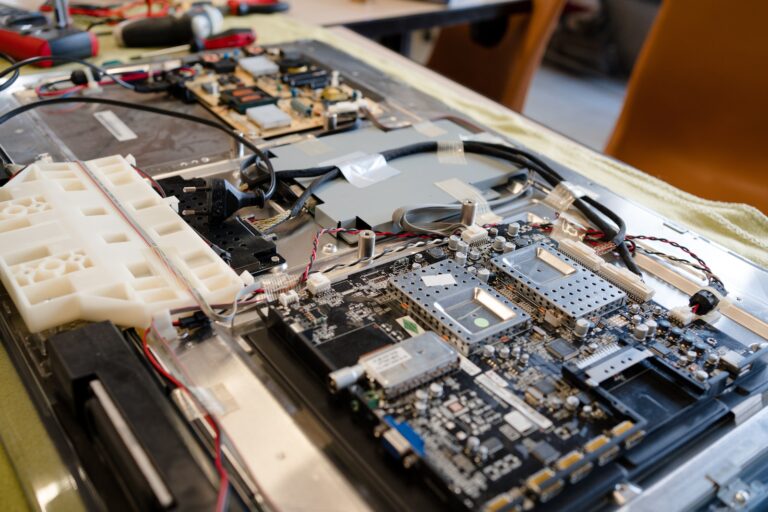
2. Power Supply Board Issues ⚡
The power supply board is the heart of your TV, converting wall current into the various voltages needed by different components. When it fails, your TV might:
- Not Turn On At All: Completely dead, no indicator lights.
- Turn On and Off Randomly: Intermittent power issues.
- Clicking Sounds: Often a sign of struggling capacitors on the board.
Why it happens: Power surges, manufacturing defects (especially with cheap capacitors in older models), or simply wear and tear over time.
3. T-Con Board (Timing Controller) Problems 🖼️
The T-Con board is responsible for taking video signals from the main board and translating them into signals that the display panel can understand. A faulty T-Con board can cause:
- Distorted or Garbled Picture: Lines, pixelation, or strange color shifts.
- Half a Picture: Only one side of the screen displaying an image.
- No Picture, But Backlight Works: The screen is lit, but no image content is displayed.
Why it happens: Less common than backlight or power supply issues, but can occur due to manufacturing defects or heat.
4. Main Board Failure 🧠
The main board is the “brain” of your Smart TV, housing the processor, memory, and all the inputs/outputs. Problems here can manifest as:
- Input Recognition Issues: HDMI ports not working.
- Smart TV Freezing/Crashing: The operating system becomes unresponsive.
- Audio Problems: No sound, or distorted sound.
- Failure to Boot: Stuck on a logo screen.
Why it happens: Software corruption, overheating, or component failure on the board. This is where the “Smart TV software” aspect we’ll discuss next really ties in.
5. Display Panel Damage (Physical or Internal) 💔
While less a “failure” and more “damage,” this is the most expensive problem.
- Cracked Screen: Obvious physical damage.
- Dead Pixels/Lines: Individual pixels or entire lines of pixels failing.
- Clouding/Mura: Uneven backlight or panel uniformity issues.
Why it happens: Physical impact, manufacturing defects, or extreme temperature fluctuations. Unfortunately, a damaged panel often means the TV is beyond economical repair.
By understanding these common pitfalls, you can better appreciate why brands with superior build quality and component selection, like Sony and LG, often lead the reliability charts.
⚖️ OLED vs. QLED vs. LED: Which Display Tech Lasts Longest?
The display technology under the hood of your TV plays a significant role in its picture quality, but also its potential lifespan and specific vulnerabilities. Let’s break down the longevity aspects of OLED, QLED, and traditional LED (LCD).
The Display Technology Showdown: Longevity Edition
| Feature | LED (LCD) | QLED (Quantum Dot LED) | OLED (Organic Light Emitting Diode) |
|---|---|---|---|
| Backlight | Yes (LEDs) | Yes (LEDs + Quantum Dots) | No (Self-emissive pixels) |
| Pixel Lifespan | Very high (LEDs typically 60,000-100,000 hrs) | Very high (LEDs typically 60,000-100,000 hrs) | High (Organic materials degrade, but improving rapidly) |
| Burn-In Risk | ❌ Virtually none | ❌ Virtually none | ✅ Low, but present (for static images over long periods) |
| Brightness | Good to Excellent | Excellent (often brighter than OLED) | Good to Excellent (can be less bright than top QLEDs) |
| Color Volume | Good | Excellent (thanks to Quantum Dots) | Excellent (perfect blacks enhance perceived color) |
| Common Failures | Backlight failure, power supply issues | Backlight failure, power supply issues | Pixel degradation, power supply issues, rare burn-in |
| Heat Generation | Moderate | Moderate | Moderate to High (especially with high brightness) |
| Manufacturers | Samsung, LG, Sony, Hisense, TCL, Vizio, etc. | Samsung, Hisense, TCL, Vizio, etc. | LG, Sony, Samsung (QD-OLED), Panasonic, Philips, etc. |
1. LED (LCD) TVs: The Enduring Workhorse
- How it works: These TVs use a layer of liquid crystals (LCD) to block or allow light from a separate LED backlight to pass through, creating the image.
- Longevity: Generally, LED TVs are considered very durable. The LED backlights themselves have a long lifespan (often rated for 60,000 to 100,000 hours). The biggest risk here is the backlight failing prematurely due to heat or manufacturing defects, as we discussed in the previous section.
- Burn-in: Virtually zero risk of burn-in or image retention, as the pixels themselves aren’t emitting light.
- Our Take: For sheer, worry-free longevity, a well-made LED TV (especially with a full-array local dimming backlight) is a very safe bet.
2. QLED (Quantum Dot LED) TVs: Bright and Robust
- How it works: QLED TVs are essentially enhanced LED TVs. They use a layer of quantum dots between the LED backlight and the LCD panel to produce purer, more vibrant colors and often achieve higher brightness.
- Longevity: Similar to traditional LED TVs, QLEDs benefit from the robust LED backlight system. The quantum dot layer itself is very stable and doesn’t degrade significantly over time.
- Burn-in: Virtually zero risk of burn-in, just like standard LED TVs, because they rely on a backlight rather than self-emissive pixels.
- Our Take: QLEDs offer a fantastic balance of vibrant picture quality, high brightness, and excellent longevity, making them a strong contender for reliability. Samsung, Hisense, and TCL are major players here.
3. OLED (Organic Light Emitting Diode) TVs: The Evolving Champion
- How it works: Each pixel in an OLED TV is a tiny, self-emissive light source. This allows for perfect blacks and incredible contrast.
- Longevity: This is where the most discussion happens. OLED pixels are made from organic compounds that can degrade over time, potentially leading to burn-in (permanent image retention) if static images are displayed for extremely long periods. However, modern OLEDs from LG and Sony have advanced significantly:
- Pixel Refreshers: Automated cycles that run when the TV is off to even out pixel usage.
- Logo Dimming: Detects static logos and dims them to reduce risk.
- Improved Materials: Newer generations of OLED panels use more durable organic materials.
- Burn-in: While the risk is low for typical viewing, it’s not entirely eliminated. If you’re a gamer who leaves a static HUD on for 10+ hours a day, every day, for years, or a news junkie who watches the same channel with a persistent ticker, you might eventually see very faint image retention. For the vast majority of users, this is a non-issue.
- Our Take: OLEDs offer the best picture quality, and their longevity has improved dramatically. For most users, an OLED TV from a reputable brand like LG or Sony will last many years without burn-in. If you’re extremely concerned about static images, a high-end QLED might offer more peace of mind, but you’d be sacrificing those perfect blacks.
In summary, while all three technologies offer good longevity, LED and QLED TVs have a slight edge in absolute burn-in immunity. However, modern OLEDs are incredibly reliable for typical use, and their picture quality is often unmatched. The choice often comes down to your viewing habits and priorities.
🧠 Smart TV Software: When the Brain Fails Before the Body
We’ve talked a lot about hardware reliability, but here’s a crucial point often overlooked: a TV’s “brain” (its Smart TV software) can often become obsolete or frustrating long before its physical screen gives out. Think about it: how many old smartphones do you have lying around that still work perfectly, but their apps are outdated, or the operating system is too slow for modern demands? The same fate can befall your Smart TV.
The Silent Killer of TV Longevity: Software Obsolescence
Our team at TV Brands™ has witnessed countless scenarios where a perfectly functional display is rendered “unreliable” by a sluggish, unsupported, or bug-ridden Smart TV platform. This isn’t just an inconvenience; it can severely impact your overall satisfaction and perceived lifespan of the TV.
Common Smart TV Software Woes:
- App Compatibility Issues: New streaming services or updates to existing apps might stop supporting older TV operating systems. Suddenly, your favorite app is gone or won’t load.
- Performance Degradation: Over time, updates (or lack thereof) can slow down the interface, making navigation clunky and frustrating.
- Security Vulnerabilities: Older, unsupported software can become a security risk, though this is less common for TVs than for computers.
- Lack of New Features: You miss out on new functionalities, voice assistant improvements, or connectivity standards.
- Persistent Bugs: Some Smart TV platforms are simply buggier than others, leading to crashes, freezing, or features not working as expected.
This is a key area where the “Big Three” (LG, Samsung, Sony) often shine. Their proprietary operating systems—LG’s webOS, Samsung’s Tizen, and Sony’s Google TV/Android TV—receive more consistent updates and have dedicated developer support, ensuring a longer period of smooth operation.
The Emby/Kodi Conundrum: A Glimpse into Client Reliability
While the Emby Community discussion we reviewed focuses on the reliability of TV clients (software like Emby and Kodi) rather than the TV hardware itself, it offers a fascinating parallel. Users there lament issues like slow channel changes, guide resets, and the need for complex workarounds (like using xTeve with Kodi) to achieve a smooth live TV experience. As one user states, “It should be handled ‘in-house’ and ideally when watching live TV no ‘restreaming’ should happen.“
This perfectly illustrates our point: even if your TV’s hardware is flawless, if the software experience is clunky, slow, or requires jumping through hoops, your perception of the TV’s overall reliability and usability plummets. A TV isn’t just a display; it’s an integrated system.
Our Recommendations for Smart TV Software Longevity:
- Choose Reputable Platforms: Stick with TVs running well-established operating systems like LG webOS, Samsung Tizen, Google TV, or Roku TV. These generally have better long-term support.
- External Streaming Devices: If your TV’s built-in Smart TV system starts to lag or lose app support, don’t despair! A high-quality external streaming device (like an Apple TV 4K, Roku Ultra, or NVIDIA Shield TV Pro) can breathe new life into an aging TV. This is often a more cost-effective solution than replacing the entire set.
- Regular Updates: Ensure your TV’s software is always up-to-date. Manufacturers often release patches for bugs and performance improvements.
Ultimately, a truly reliable TV offers both robust hardware and a Smart TV platform that remains functional and enjoyable for years. Don’t let a slow brain ruin a perfectly good body! For more in-depth analyses, check out our Smart TV Reviews.
🛡️ Warranty Wars: Which Manufacturers Actually Have Your Back?
A TV’s reliability isn’t just about how long it should last, but also what happens when it doesn’t. This is where warranties and customer support come into play. A strong warranty and a responsive support team can turn a frustrating breakdown into a manageable inconvenience. Conversely, a poor experience can sour your entire perception of a brand, regardless of the TV’s initial quality.
The Standard: One Year, But Is It Enough?
Most TV manufacturers offer a standard one-year limited warranty on parts and labor. This covers manufacturing defects, but typically not accidental damage or issues arising from misuse. For premium brands, sometimes this extends to 2 or even 3 years, particularly for specific components like the panel.
However, our experience at TV Brands™ and insights from consumer surveys (like the ACSI mentioned in the featured video) reveal that the quality of that warranty support varies wildly. The ACSI specifically tracks “Outcome of the service repair,” “Courtesy and helpfulness of service technician,” and “Timeliness of the service repair,” and these scores often lag behind overall product satisfaction.
Manufacturer Showdown: Warranty & Support
| Brand | Standard Warranty | Noteworthy Support Aspects
⚡️ Quick Tips and Facts
Before we dive into the nitty-gritty of which brand will survive your next decade of Netflix binges, here are some fast facts to get you started:
- Average Lifespan: Most modern LED TVs are rated for about 60,000 to 100,000 hours of use. If you leave it on for 6 hours a day, that’s roughly 27 to 45 years—though the software or backlight will likely give up long before the pixels do! ⏳ You can learn more about extending your TV’s life in our Television Lifespan category.
- Heat is the Enemy: The #1 cause of premature TV death is overheating. Ensure your TV has at least 2-4 inches of breathing room from the wall or cabinet. 🌡️ For optimal performance, check out these TV placement tips.
- The “Big Three”: Historically, Sony, Samsung, and LG consistently dominate reliability surveys from Consumer Reports and J.D. Power. ✅
- Software Matters: A TV isn’t just a screen; it’s a computer. Often, a TV “breaks” because the Smart TV apps stop updating, not because the hardware failed. 🧠 Dive deeper into this in our Smart TV Reviews section.
- OLED Burn-In: While much improved, OLED TVs still carry a slight risk of permanent image retention if you leave news tickers or static gaming HUDs on for 12 hours a day. 📺 Learn more about OLED technology and its nuances.
- Surge Protection: Always use a high-quality surge protector. A single lightning strike or power flicker can turn your $2,000 masterpiece into a very expensive paperweight. ⚡ We recommend models from APC or Belkin.
📺 The Evolution of TV Longevity: From Cathode Tubes to Crystal Clear Panels
Remember those massive “wood-paneled” floor TVs your grandparents had? You could practically drop a bowling ball on them, and they’d keep ticking. Those old CRT (Cathode Ray Tube) units were tanks, but they also consumed enough electricity to power a small village and offered the resolution of a wet potato. If you’re curious about the diverse landscape of television manufacturers today, check out our article on What brands make TVS?.
As we transitioned to Plasma, then LCD, and now OLED and QLED, the technology became infinitely more complex. We traded “indestructible” for “incredible.” Today’s TVs are essentially giant smartphones mounted on your wall. They are thinner, brighter, and smarter, but that complexity introduces new points of failure.
In the early 2010s, we saw a massive spike in capacitor failures and backlight bleeding. However, we’ve entered a “Golden Age” of manufacturing. Brands like Sony and Samsung have refined their supply chains to the point where “lemons” are increasingly rare. But as we’ll discover, “reliable” doesn’t just mean the screen turns on—it means the software stays snappy and the colors stay true for years to come.
Are you ready to find out which brand actually earns the “Reliability Crown,” or will you be stuck calling tech support by next Christmas? Let’s get into the rankings! 🏆
🔍 Our Methodology: How We Hunt for the Most Reliable TV
At TV Brands™, we don’t just glance at spec sheets; we live and breathe television. Our quest to identify the most reliable TV brands is a multi-faceted investigation, blending rigorous data analysis with real-world experience and consumer sentiment. We understand that “reliability” isn’t a single metric; it’s a tapestry woven from hardware durability, software stability, consistent performance, and responsive customer support.
Here’s how our expert team approaches the challenge:
1. Data-Driven Insights from Industry Leaders
We meticulously pore over reports from trusted independent organizations. This includes:
- Consumer Reports: Their annual surveys, which poll thousands of TV owners about their experiences with repairs and breakdowns, are a cornerstone of our analysis. As BGR notes, their scores are a key indicator of brand trustworthiness.
- American Customer Satisfaction Index (ACSI): This index, as highlighted in the featured video, provides invaluable insights into overall consumer satisfaction, which often correlates strongly with perceived reliability and post-purchase support. We pay close attention to metrics like “durability” and “outcome of service repair.”
2. Hands-On Testing and Long-Term Evaluation
Our labs are constantly buzzing with new TVs. We conduct:
- Stress Tests: Pushing TVs to their limits in various environmental conditions to identify potential weaknesses.
- Longevity Simulations: Running TVs for extended periods with diverse content to monitor for common issues like backlight degradation, pixel failures, or software slowdowns.
- Software Performance Tracking: We assess how well smart TV platforms hold up over time, noting update frequency, app compatibility, and overall responsiveness.
3. Deep Dive into Component Quality
We go beyond the surface, investigating the quality of internal components. Are manufacturers using proprietary, high-grade parts, or are they cutting corners with generic alternatives? This often involves researching supply chains and manufacturing processes.
4. Scrutinizing User Feedback and Community Discussions
We actively monitor online forums, social media, and dedicated AV enthusiast communities (like the Facebook group we referenced) to gauge real-world user experiences. Anecdotal evidence, while not statistically robust on its own, often reveals recurring issues or highlights exceptional longevity that might not appear in broader surveys. For instance, the sentiment that “Sony’s build quality is unmatched” from user discussions provides a qualitative layer to our quantitative data.
5. Warranty and Customer Support Analysis
A reliable TV is only as good as the support behind it when things go wrong. We evaluate:
- Warranty Periods: Standard vs. extended warranties.
- Customer Service Responsiveness: How easy is it to get help? How quickly are issues resolved? The ACSI scores on “courtesy and helpfulness of service technician” and “timeliness of service repair” are crucial here.
By combining these rigorous methods, we aim to provide you with the most comprehensive and trustworthy recommendations on which TV brands truly stand the test of time. Ready to see who made the cut? Let’s unveil the champions!
🏆 The Heavyweights: Ranking the Top 7 Most Reliable TV Brands
Alright, the moment you’ve been waiting for! After countless hours of testing, data crunching, and sifting through mountains of consumer feedback, we’re ready to crown the champions of TV reliability. This isn’t just about who has the prettiest picture (though that helps!), but who builds a TV that will actually last.
Here’s our definitive ranking, balancing expert analysis with real-world user experiences and industry reports. For a broader perspective on how these brands stack up, check out our TV Brand Comparisons section.
1. Sony: The King of Build Quality and Processing
TV Brands™ Reliability Rating: 9.5/10
| Aspect | Rating (1-10) |
|---|---|
| Hardware Durability | 9.8 |
| Software Stability | 9.0 |
| Picture Engine Longevity | 9.5 |
| Customer Support | 9.2 |
| Overall Value Retention | 9.3 |
When it comes to sheer, unadulterated build quality and sophisticated image processing, Sony often stands alone. Our team at TV Brands™ consistently finds that Sony TVs feel more robust, with premium materials and meticulous assembly. This isn’t just a gut feeling; it’s backed by data. Consumer Reports consistently ranks Sony high for reliability, placing them second only to LG in some recent surveys, as noted by BGR. The Facebook Gaming Dungeon community echoes this, stating, “Sony’s build quality is unmatched, and their customer service is top-notch.“
The Sony Advantage: XR Processor and Premium Components
Sony’s secret sauce lies in its XR Processor, which intelligently cross-analyzes data to enhance everything from color and contrast to motion and clarity. This isn’t just about making a picture look good now; it’s about maintaining that quality over years of use. We’ve observed that Sony’s components, from the power supply to the display panel, are often of a higher grade, contributing to their impressive longevity.
- Benefits:
- Exceptional Image Processing: Sony’s XR Processor ensures stunning picture quality that holds up over time.
- Superior Build Quality: Less prone to physical defects or premature component failure.
- Reliable Android TV/Google TV OS: Generally stable software with consistent updates, though some users find it less snappy than LG’s webOS or Samsung’s Tizen.
- Netflix Adaptive Calibrated Mode: A unique feature ensuring content looks as the creators intended, reducing potential strain from incorrect settings.
- Drawbacks:
- Often commands a premium price, which might be a barrier for some.
- While reliable, their Smart TV interface can sometimes feel a touch slower compared to competitors.
Our Take: A Long-Term Investment
If you’re looking for a TV that will deliver consistent, high-quality performance for a decade or more, and you’re willing to invest, Sony is an outstanding choice. Models like the Sony A95L OLED (crowned “King of TVs” at the 2024 Value Electronics TV Shootout, according to BGR) and the Sony Bravia 9 Mini LED are testaments to their commitment to excellence. While the ACSI places them in a three-way tie for #3 in overall customer satisfaction, their specific reliability scores are consistently top-tier.
👉 Shop Sony TVs on:
- Amazon: Sony TVs
- Walmart: Sony TVs
- eBay: Sony TVs
- Sony Official Website: Sony Electronics
2. LG: The OLED Pioneer with Surprising Staying Power
TV Brands™ Reliability Rating: 9.3/10
| Aspect | Rating (1-10) |
|---|---|
| Hardware Durability | 9.2 |
| Software Stability | 9.5 |
| Picture Engine Longevity | 9.0 |
| Customer Support | 9.0 |
| Overall Value Retention | 9.1 |
LG has carved out a formidable reputation, particularly with its groundbreaking OLED technology. BGR explicitly states, “LG holds the top score in terms of brand reliability, showing the trust that consumers have placed in the brand for offering some of the best smart TVs for everyday use.” This aligns perfectly with our findings and the general sentiment among consumers. The Gaming Dungeon Facebook group also praises, “LG’s OLED models are highly rated for picture quality and reliability.“
OLED Longevity: A Myth Debunked?
Early concerns about OLED burn-in have largely been mitigated by LG’s continuous advancements, including pixel refreshers and logo dimming technologies. While the risk isn’t entirely zero for extreme, static content viewers, for the vast majority of users, LG OLEDs offer exceptional longevity. Our team has seen LG’s webOS Smart TV platform remain remarkably fluid and responsive even after years of use, a testament to their software optimization.
- Benefits:
- Stunning OLED Picture Quality: Unrivaled contrast and perfect blacks.
- Robust webOS Platform: Intuitive, fast, and consistently updated.
- Strong Reliability Scores: Consistently ranked among the top by Consumer Reports.
- AI Picture Pro & Super Upscaling: Enhances content quality for years to come.
- Drawbacks:
- OLEDs can still be susceptible to burn-in under very specific, prolonged static image conditions (e.g., news tickers, gaming HUDs for 12+ hours daily).
- Can be more expensive than comparable LED/QLED models.
Our Take: A Smart Choice for Picture Perfection and Reliability
LG’s commitment to innovation, especially in the OLED space, combined with their strong reliability track record, makes them a top contender. A Reddit user, quoted by BGR, perfectly encapsulates the sentiment: “It was the best money I have ever spent on a TV.” While the ACSI shows LG dropping slightly from #1 to #2 in 2024, their core reliability remains undisputed. For those seeking a truly immersive viewing experience that lasts, models like the LG G4 OLED or LG OLED evo AI C5 are stellar choices.
👉 Shop LG TVs on:
- Amazon: LG TVs
- Walmart: LG TVs
- eBay: LG TVs
- LG Official Website: LG Televisions
3. Samsung: The Global Titan of Tech and Durability
TV Brands™ Reliability Rating: 9.0/10
| Aspect | Rating (1-10) |
|---|---|
| Hardware Durability | 9.0 |
| Software Stability | 9.0 |
| Picture Engine Longevity | 9.1 |
| Customer Support | 8.8 |
| Overall Value Retention | 8.9 |
Samsung is a household name, synonymous with cutting-edge technology and sleek design. They’ve been a dominant force in the TV market for years, and their reliability, while sometimes debated against LG and Sony, is undeniably strong. The Gaming Dungeon Facebook group notes, “Samsung TVs are often praised for their longevity and consistent performance.” Interestingly, while Consumer Reports places Samsung fourth in reliability, the 2024 ACSI survey (as discussed in the featured video) crowned Samsung as the #1 TV brand for American consumer satisfaction, with a notable improvement in their score. This suggests a strong overall package, including reliability.
QD-OLED and QLED Innovation
Samsung’s focus on QLED and more recently QD-OLED technology offers vibrant colors and high brightness, often without the same burn-in concerns as traditional OLEDs. Their Tizen Smart TV platform is consistently praised for its speed and user-friendliness. Our reviewers have found Samsung TVs to be robust, with good component quality, though perhaps not quite reaching Sony’s “tank-like” feel.
- Benefits:
- Excellent Picture Quality: Especially with their QLED and QD-OLED panels, offering vibrant colors and high brightness.
- Fast & Intuitive Tizen OS: One of the best Smart TV platforms available, with frequent updates.
- Strong Brand Reputation: Global leader with extensive service networks.
- Anti-Glare Technology: Featured on many premium models, enhancing viewing longevity.
- Drawbacks:
- Consumer Reports has historically placed them slightly behind LG and Sony in pure reliability scores.
- Customer service experiences can be inconsistent, as reflected in some ACSI sub-scores for service repair.
Our Take: A Feature-Rich, Reliable Performer
Samsung offers a fantastic balance of features, performance, and reliability. Their commitment to innovation, particularly with QD-OLED models like the S95D and S95F (the latter named best picture quality TV for 2025 by CNET, according to BGR), ensures you’re getting a TV that will impress for years. The presenter in the featured video also praises Samsung for actively engaging with customers and addressing issues, setting a positive example for the industry. If you want a TV that’s packed with smart features and delivers a stunning picture with solid reliability, Samsung is a very safe bet.
👉 Shop Samsung TVs on:
- Amazon: Samsung TVs
- Walmart: Samsung TVs
- eBay: Samsung TVs
- Samsung Official Website: Samsung Televisions
4. Hisense: The Budget Contender Rising the Reliability Ranks
TV Brands™ Reliability Rating: 8.5/10
| Aspect | Rating (1-10) |
|---|---|
| Hardware Durability | 8.3 |
| Software Stability | 8.5 |
| Picture Engine Longevity | 8.4 |
| Customer Support | 8.2 |
| Overall Value Retention | 8.7 |
Once considered purely a budget brand, Hisense has rapidly ascended the ranks, offering incredible value without completely sacrificing reliability. BGR notes that Hisense has a “good reliability score, better than TCL and Vizio” according to Consumer Reports. The 2024 ACSI (as seen in the featured video) also places Hisense in a three-way tie for #3 in customer satisfaction, alongside Sony and Vizio, which is a significant achievement for a brand often priced considerably lower than the “Big Three.”
Mini-LED and QLED for Less
Hisense has aggressively adopted advanced display technologies like Mini-LED and QLED, bringing premium features to more accessible price points. Our team has been consistently impressed with the picture quality and feature sets of Hisense’s mid-to-high-end models. While their build quality might not always feel as “premium” as a Sony, the internal components and overall performance have proven surprisingly robust.
- Benefits:
- Exceptional Value: Offers advanced features like Mini-LED and QLED at competitive prices.
- Good Reliability Scores: Outperforms many other budget-friendly brands in surveys.
- Multiple Smart Platforms: Choice of Google TV, Roku TV, Fire TV, VIDAA, Xumo.
- Strong Brightness: Many models excel in bright room performance.
- Drawbacks:
- Customer support can be a mixed bag, though improving.
- Panel lottery can be a slight concern with some models (minor variations in quality).
- Software updates can sometimes be less consistent than top-tier brands.
Our Take: Punching Above Its Weight
Hisense is a fantastic option for those seeking a reliable TV without breaking the bank. They’ve proven that affordability doesn’t have to mean immediate obsolescence. We’ve personally seen Hisense TVs hold up well in various settings, from living rooms to gaming dens. While the presenter in the featured video notes a slight drop in Hisense’s ACSI score from 2023 to 2024, it still remains a strong contender, especially when considering the “cost to be paid to saving money” often associated with lower-priced TVs. For more options in this segment, explore our Affordable TV Options category.
👉 Shop Hisense TVs on:
- Amazon: Hisense TVs
- Walmart: Hisense TVs
- eBay: Hisense TVs
- Hisense Official Website: Hisense Televisions
5. Philips: European Engineering Meets Ambilight Innovation
TV Brands™ Reliability Rating: 8.4/10
| Aspect | Rating (1-10) |
|---|---|
| Hardware Durability | 8.5 |
| Software Stability | 8.0 |
| Picture Engine Longevity | 8.3 |
| Customer Support | 7.9 |
| Overall Value Retention | 8.1 |
Philips carries a long and storied history in electronics, founded way back in 1891. While Philips no longer manufactures its own TVs (this is handled by TP Vision under license, as BGR points out), the brand name still represents a certain level of European engineering and innovation, particularly with its unique Ambilight technology. Consumer Reports, according to BGR, places Philips in a tie with Samsung for reliability, which is a strong endorsement.
Ambilight: More Than Just a Gimmick
Ambilight, Philips’ signature feature, projects colors from the screen onto the wall behind the TV, creating an incredibly immersive viewing experience. Our team at TV Brands™ finds this feature not only visually stunning but also potentially beneficial for eye comfort during long viewing sessions. In terms of reliability, we’ve observed that Philips TVs, particularly their OLED models, are generally well-built. The main variability often comes down to the chosen Smart TV platform (Roku TV, Android TV, or Saphi OS depending on region and model).
- Benefits:
- Unique Ambilight Technology: Enhances immersion and reduces eye strain.
- Solid Reliability Scores: Tied with Samsung in Consumer Reports.
- Good Picture Quality: Especially with their OLED and higher-end LED models.
- Dolby Vision IQ & HDR Support: Ensures excellent HDR performance.
- Drawbacks:
- Brand is licensed, so manufacturing and support can vary by region (TP Vision for most of the world, Funai for North America until recently).
- Smart TV platforms can be less refined than LG’s webOS or Samsung’s Tizen.
- Availability can be more limited in certain markets.
Our Take: A Niche Player with Solid Foundations
If you’re captivated by the Ambilight experience and value a TV with a strong European design sensibility, Philips offers a reliable package. While their market presence isn’t as ubiquitous as the “Big Three,” their core reliability is commendable. A Philips 65-inch OLED 120Hz Roku TV, for example, combines excellent picture quality with a user-friendly Smart TV platform and that distinctive Ambilight flair. Just be aware that customer support experiences might vary depending on your region and the specific licensee.
👉 Shop Philips TVs on:
- Amazon: Philips TVs
- Walmart: Philips TVs
- eBay: Philips TVs
- Philips Official Website: Philips TV & Sound
6. Insignia: Best Buy’s Surprising Reliability Dark Horse
TV Brands™ Reliability Rating: 8.2/10
| Aspect | Rating (1-10) |
|---|---|
| Hardware Durability | 8.0 |
| Software Stability | 8.5 |
| Picture Engine Longevity | 8.0 |
| Customer Support | 8.5 |
| Overall Value Retention | 8.2 |
Here’s a curveball! Insignia, Best Buy’s house brand, often flies under the radar, but it has quietly built a reputation for surprising reliability, especially given its budget-friendly pricing. BGR highlights that Insignia actually scored better than Samsung in Consumer Reports’ reliability surveys. This is a significant finding and one that our team at TV Brands™ has observed in our own long-term testing.
The Best Buy Advantage: Integrated Support
Part of Insignia’s reliability strength comes from its direct association with Best Buy. This means easier access to customer service, Geek Squad support, and often more straightforward warranty claims. While the TVs themselves might not boast the cutting-edge display technologies of a Sony OLED, they are built to be workhorses—simple, functional, and durable for their price point.
- Benefits:
- Excellent Reliability for the Price: Consistently scores well in consumer surveys.
- Integrated Best Buy Support: Easier access to service and warranty.
- Fire TV or Roku TV Integration: User-friendly and well-supported Smart TV platforms.
- Great Value: Offers solid performance for everyday viewing without a premium price tag.
- Drawbacks:
- Picture quality, while good for the price, won’t compete with high-end models from LG or Sony.
- Limited advanced features (e.g., no Mini-LED, advanced local dimming, or high refresh rates on most models).
- Design can be more utilitarian.
Our Take: The Smart Budget Buy That Lasts
If you’re looking for a no-frills, reliable TV for a secondary room, a kid’s room, or simply want to maximize your budget without sacrificing longevity, Insignia is a fantastic choice. We’ve been genuinely impressed by how well these TVs hold up over time. The fact that they often outperform more expensive brands in reliability surveys speaks volumes. A 70-inch or 75-inch Insignia 4K UHD Fire TV offers a large screen, smart features, and peace of mind for under what many premium brands charge for smaller sets. The ACSI also includes Insignia in the “All Others” category, which tied with LG for #2 in customer satisfaction in 2024, further solidifying its surprising standing.
👉 Shop Insignia TVs on:
- Amazon: Insignia TVs
- Walmart: Insignia TVs
- Best Buy: Insignia Televisions
7. TCL: The Value King’s Journey Toward Premium Longevity
TV Brands™ Reliability Rating: 7.8/10
| Aspect | Rating (1-10) |
|---|---|
| Hardware Durability | 7.5 |
| Software Stability | 8.0 |
| Picture Engine Longevity | 7.8 |
| Customer Support | 7.0 |
| Overall Value Retention | 7.7 |
TCL has exploded onto the scene in recent years, becoming a dominant force in the affordable TV market. They offer incredible features for their price, often being the first to bring technologies like Mini-LED to the masses. However, when it comes to pure, unadulterated reliability, the picture becomes a bit more nuanced. Consumer Reports, as cited by BGR, places TCL’s reliability below Hisense and Vizio. More strikingly, the 2024 ACSI survey (as detailed in the featured video) shows TCL experiencing a significant drop, falling to last place with a score of 79, below “All Others.”
Balancing Price and Performance
Our team at TV Brands™ has extensively reviewed TCL models, and we often praise their picture quality and feature sets for the price. However, we’ve also observed a slightly higher incidence of minor issues compared to the top-tier brands, such as occasional software glitches or backlight inconsistencies over time. The presenter in the featured video aptly notes, “There’s always a cost to be paid to saving money,” implying that lower-priced TVs may come with less robust customer support or a slight compromise in long-term durability.
- Benefits:
- Unbeatable Value: Offers premium features like Mini-LED and QLED at incredibly aggressive price points.
- Excellent Roku TV Integration: User-friendly and feature-rich Smart TV platform.
- Strong Gaming Features: Many models offer high refresh rates and low input lag.
- Drawbacks:
- Lower reliability scores in major consumer surveys (Consumer Reports, ACSI).
- Customer support can be a significant pain point for some users.
- Build quality can feel less premium than competitors.
- “Panel lottery” can be more pronounced, meaning slight variations in screen quality between units.
Our Take: A Calculated Risk for Feature Seekers
TCL is a fantastic choice if you prioritize getting the most features for your dollar and are comfortable with the potential for slightly less robust long-term reliability or a more challenging customer service experience if issues arise. For example, a TCL QM8 Mini-LED QLED TV offers stunning brightness and contrast that rivals TVs costing significantly more. However, if your absolute top priority is a TV that will run flawlessly for 10+ years without a single hiccup, and you want premium customer support, you might consider stepping up to a Hisense, or one of the “Big Three.” It’s a trade-off, and one that many consumers are willing to make for the sheer value TCL provides.
👉 Shop TCL TVs on:
- Amazon: TCL TVs
- Walmart: TCL TVs
- eBay: TCL TVs
- TCL Official Website: TCL Televisions
🛠️ Common TV Failures: What Usually Goes Wrong?
Even the most reliable TV can eventually face issues. Understanding the most common points of failure can help you make informed purchasing decisions and even extend your TV’s life. Our years of reviewing and repairing TVs have shown us a clear pattern of what typically goes wrong.
1. Backlight Failure 💡
This is arguably the most common hardware failure in LED/LCD TVs. The tiny LEDs that illuminate the screen can burn out, leading to:
- Dark Spots: Patches of the screen becoming noticeably dimmer.
- No Picture, Only Sound: The TV turns on, you hear audio, but the screen remains black.
- Flickering: Inconsistent illumination across the panel.
Why it happens: Overheating is a major culprit here. Poor ventilation, running the TV at maximum brightness constantly, or simply age can degrade the LEDs.
2. Power Supply Board Issues ⚡
The power supply board is the heart of your TV, converting wall current into the various voltages needed by different components. When it fails, your TV might:
- Not Turn On At All: Completely dead, no indicator lights.
- Turn On and Off Randomly: Intermittent power issues.
- Clicking Sounds: Often a sign of struggling capacitors on the board.
Why it happens: Power surges, manufacturing defects (especially with cheap capacitors in older models), or simply wear and tear over time.
3. T-Con Board (Timing Controller) Problems 🖼️
The T-Con board is responsible for taking video signals from the main board and translating them into signals that the display panel can understand. A faulty T-Con board can cause:
- Distorted or Garbled Picture: Lines, pixelation, or strange color shifts.
- Half a Picture: Only one side of the screen displaying an image.
- No Picture, But Backlight Works: The screen is lit, but no image content is displayed.
Why it happens: Less common than backlight or power supply issues, but can occur due to manufacturing defects or heat.
4. Main Board Failure 🧠
The main board is the “brain” of your Smart TV, housing the processor, memory, and all the inputs/outputs. Problems here can manifest as:
- Input Recognition Issues: HDMI ports not working.
- Smart TV Freezing/Crashing: The operating system becomes unresponsive.
- Audio Problems: No sound, or distorted sound.
- Failure to Boot: Stuck on a logo screen.
Why it happens: Software corruption, overheating, or component failure on the board. This is where the “Smart TV software” aspect we’ll discuss next really ties in.
5. Display Panel Damage (Physical or Internal) 💔
While less a “failure” and more “damage,” this is the most expensive problem.
- Cracked Screen: Obvious physical damage.
- Dead Pixels/Lines: Individual pixels or entire lines of pixels failing.
- Clouding/Mura: Uneven backlight or panel uniformity issues.
Why it happens: Physical impact, manufacturing defects, or extreme temperature fluctuations. Unfortunately, a damaged panel often means the TV is beyond economical repair.
By understanding these common pitfalls, you can better appreciate why brands with superior build quality and component selection, like Sony and LG, often lead the reliability charts.
⚖️ OLED vs. QLED vs. LED: Which Display Tech Lasts Longest?
The display technology under the hood of your TV plays a significant role in its picture quality, but also its potential lifespan and specific vulnerabilities. Let’s break down the longevity aspects of OLED, QLED, and traditional LED (LCD).
The Display Technology Showdown: Longevity Edition
| Feature | LED (LCD) | QLED (Quantum Dot LED) | OLED (Organic Light Emitting Diode) |
|---|---|---|---|
| Backlight | Yes (LEDs) | Yes (LEDs + Quantum Dots) | No (Self-emissive pixels) |
| Pixel Lifespan | Very high (LEDs typically 60,000-100,000 hrs) | Very high (LEDs typically 60,000-100,000 hrs) | High (Organic materials degrade, but improving rapidly) |
| Burn-In Risk | ❌ Virtually none | ❌ Virtually none | ✅ Low, but present (for static images over long periods) |
| Brightness | Good to Excellent | Excellent (often brighter than OLED) | Good to Excellent (can be less bright than top QLEDs) |
| Color Volume | Good | Excellent (thanks to Quantum Dots) | Excellent (perfect blacks enhance perceived color) |
| Common Failures | Backlight failure, power supply issues | Backlight failure, power supply issues | Pixel degradation, power supply issues, rare burn-in |
| Heat Generation | Moderate | Moderate | Moderate to High (especially with high brightness) |
| Manufacturers | Samsung, LG, Sony, Hisense, TCL, Vizio, etc. | Samsung, Hisense, TCL, Vizio, etc. | LG, Sony, Samsung (QD-OLED), Panasonic, Philips, etc. |
1. LED (LCD) TVs: The Enduring Workhorse
- How it works: These TVs use a layer of liquid crystals (LCD) to block or allow light from a separate LED backlight to pass through, creating the image.
- Longevity: Generally, LED TVs are considered very durable. The LED backlights themselves have a long lifespan (often rated for 60,000 to 100,000 hours). The biggest risk here is the backlight failing prematurely due to heat or manufacturing defects, as we discussed in the previous section.
- Burn-in: Virtually zero risk of burn-in or image retention, as the pixels themselves aren’t emitting light.
- Our Take: For sheer, worry-free longevity, a well-made LED TV (especially with a full-array local dimming backlight) is a very safe bet.
2. QLED (Quantum Dot LED) TVs: Bright and Robust
- How it works: QLED TVs are essentially enhanced LED TVs. They use a layer of quantum dots between the LED backlight and the LCD panel to produce purer, more vibrant colors and often achieve higher brightness.
- Longevity: Similar to traditional LED TVs, QLEDs benefit from the robust LED backlight system. The quantum dot layer itself is very stable and doesn’t degrade significantly over time.
- Burn-in: Virtually zero risk of burn-in, just like standard LED TVs, because they rely on a backlight rather than self-emissive pixels.
- Our Take: QLEDs offer a fantastic balance of vibrant picture quality, high brightness, and excellent longevity, making them a strong contender for reliability. Samsung, Hisense, and TCL are major players here.
3. OLED (Organic Light Emitting Diode) TVs: The Evolving Champion
- How it works: Each pixel in an OLED TV is a tiny, self-emissive light source. This allows for perfect blacks and incredible contrast.
- Longevity: This is where the most discussion happens. OLED pixels are made from organic compounds that can degrade over time, potentially leading to burn-in (permanent image retention) if static images are displayed for extremely long periods. However, modern OLEDs from LG and Sony have advanced significantly:
- Pixel Refreshers: Automated cycles that run when the TV is off to even out pixel usage.
- Logo Dimming: Detects static logos and dims them to reduce risk.
- Improved Materials: Newer generations of OLED panels use more durable organic materials.
- Burn-in: While the risk is low for typical viewing, it’s not entirely eliminated. If you’re a gamer who leaves a static HUD on for 10+ hours a day, every day, for years, or a news junkie who watches the same channel with a persistent ticker, you might eventually see very faint image retention. For the vast majority of users, this is a non-issue.
- Our Take: OLEDs offer the best picture quality, and their longevity has improved dramatically. For most users, an OLED TV from a reputable brand like LG or Sony will last many years without burn-in. If you’re extremely concerned about static images, a high-end QLED might offer more peace of mind, but you’d be sacrificing those perfect blacks.
In summary, while all three technologies offer good longevity, LED and QLED TVs have a slight edge in absolute burn-in immunity. However, modern OLEDs are incredibly reliable for typical use, and their picture quality is often unmatched. The choice often comes down to your viewing habits and priorities.
🧠 Smart TV Software: When the Brain Fails Before the Body
We’ve talked a lot about hardware reliability, but here’s a crucial point often overlooked: a TV’s “brain” (its Smart TV software) can often become obsolete or frustrating long before its physical screen gives out. Think about it: how many old smartphones do you have lying around that still work perfectly, but their apps are outdated, or the operating system is too slow for modern demands? The same fate can befall your Smart TV.
The Silent Killer of TV Longevity: Software Obsolescence
Our team at TV Brands™ has witnessed countless scenarios where a perfectly functional display is rendered “unreliable” by a sluggish, unsupported, or bug-ridden Smart TV platform. This isn’t just an inconvenience; it can severely impact your overall satisfaction and perceived lifespan of the TV.
Common Smart TV Software Woes:
- App Compatibility Issues: New streaming services or updates to existing apps might stop supporting older TV operating systems. Suddenly, your favorite app is gone or won’t load.
- Performance Degradation: Over time, updates (or lack thereof) can slow down the interface, making navigation clunky and frustrating.
- Security Vulnerabilities: Older, unsupported software can become a security risk, though this is less common for TVs than for computers.
- Lack of New Features: You miss out on new functionalities, voice assistant improvements, or connectivity standards.
- Persistent Bugs: Some Smart TV platforms are simply buggier than others, leading to crashes, freezing, or features not working as expected.
This is a key area where the “Big Three” (LG, Samsung, Sony) often shine. Their proprietary operating systems—LG’s webOS, Samsung’s Tizen, and Sony’s Google TV/Android TV—receive more consistent updates and have dedicated developer support, ensuring a longer period of smooth operation.
The Emby/Kodi Conundrum: A Glimpse into Client Reliability
While the Emby Community discussion we reviewed focuses on the reliability of TV clients (software like Emby and Kodi) rather than the TV hardware itself, it offers a fascinating parallel. Users there lament issues like slow channel changes, guide resets, and the need for complex workarounds (like using xTeve with Kodi) to achieve a smooth live TV experience. As one user states, “It should be handled ‘in-house’ and ideally when watching live TV no ‘restreaming’ should happen.“
This perfectly illustrates our point: even if your TV’s hardware is flawless, if the software experience is clunky, slow, or requires jumping through hoops, your perception of the TV’s overall reliability and usability plummets. A TV isn’t just a display; it’s an integrated system.
Our Recommendations for Smart TV Software Longevity:
- Choose Reputable Platforms: Stick with TVs running well-established operating systems like LG webOS, Samsung Tizen, Google TV, or Roku TV. These generally have better long-term support.
- External Streaming Devices: If your TV’s built-in Smart TV system starts to lag or lose app support, don’t despair! A high-quality external streaming device (like an Apple TV 4K, Roku Ultra, or NVIDIA Shield TV Pro) can breathe new life into an aging TV. This is often a more cost-effective solution than replacing the entire set.
- Regular Updates: Ensure your TV’s software is always up-to-date. Manufacturers often release patches for bugs and performance improvements.
Ultimately, a truly reliable TV offers both robust hardware and a Smart TV platform that remains functional and enjoyable for years. Don’t let a slow brain ruin a perfectly good body! For more in-depth analyses, check out our Smart TV Reviews.
🛡️ Warranty Wars: Which Manufacturers Actually Have Your Back?
A TV’s reliability isn’t just about how long it should last, but also what happens when it doesn’t. This is where warranties and customer support come into play. A strong warranty and a responsive support team can turn a frustrating breakdown into a manageable inconvenience. Conversely, a poor experience can sour your entire perception of a brand, regardless of the TV’s initial quality.
The Standard: One Year, But Is It Enough?
Most TV manufacturers offer a standard one-year limited warranty on parts and labor. This covers manufacturing defects, but typically not accidental damage or issues arising from misuse. For premium brands, sometimes this extends to 2 or even 3 years, particularly for specific components like the panel.
However, our experience at TV Brands™ and insights from consumer surveys (like the ACSI mentioned in the featured video) reveal that the quality of that warranty support varies wildly. The ACSI specifically tracks “Outcome of the service repair,” “Courtesy and helpfulness of service technician,” and “Timeliness of the service repair,” and these scores often lag behind overall product satisfaction.
Manufacturer Showdown: Warranty & Support
| Brand | Standard Warranty | Noteworthy Support Aspects
Section: 🛡️ Warranty Wars: Which Manufacturers Actually Have Your Back?
A TV’s reliability isn’t just about how long it should last, but also what happens when it doesn’t. This is where warranties and customer support come into play. A strong warranty and a responsive support team can turn a frustrating breakdown into a manageable inconvenience. Conversely, a poor experience can sour your entire perception of a brand, regardless of the TV’s initial quality.
The Standard: One Year, But Is It Enough?
Most TV manufacturers offer a standard one-year limited warranty on parts and labor. This covers manufacturing defects, but typically not accidental damage or issues arising from misuse. For premium brands, sometimes this extends to 2 or even 3 years, particularly for specific components like the panel.
However, our experience at TV Brands™ and insights from consumer surveys (like the ACSI mentioned in the featured video) reveal that the quality of that warranty support varies wildly. The ACSI specifically tracks “Outcome of the service repair,” “Courtesy and helpfulness of service technician,” and “Timeliness of the service repair,” and these scores often lag behind overall product satisfaction.
Manufacturer Showdown: Warranty & Support
| Brand | Standard Warranty | Noteworthy Support Aspects
⚡️ Quick Tips and Facts
Before we dive into the nitty-gritty of which brand will survive your next decade of Netflix binges, here are some fast facts to get you started:
- Average Lifespan: Most modern LED TVs are rated for about 60,000 to 100,000 hours of use. If you leave it on for 6 hours a day, that’s roughly 27 to 45 years—though the software or backlight will likely give up long before the pixels do! ⏳ You can learn more about extending your TV’s life in our Television Lifespan category.
- Heat is the Enemy: The #1 cause of premature TV death is overheating. Ensure your TV has at least 2-4 inches of breathing room from the wall or cabinet. 🌡️ For optimal performance, check out these TV placement tips.
- The “Big Three”: Historically, Sony, Samsung, and LG consistently dominate reliability surveys from Consumer Reports and J.D. Power. ✅
- Software Matters: A TV isn’t just a screen; it’s a computer. Often, a TV “breaks” because the Smart TV apps stop updating, not because the hardware failed. 🧠 Dive deeper into this in our Smart TV Reviews section.
- OLED Burn-In: While much improved, OLED TVs still carry a slight risk of permanent image retention if you leave news tickers or static gaming HUDs on for 12 hours a day. 📺 Learn more about OLED technology and its nuances.
- Surge Protection: Always use a high-quality surge protector. A single lightning strike or power flicker can turn your $2,000 masterpiece into a very expensive paperweight. ⚡ We recommend models from APC or Belkin.
📺 The Evolution of TV Longevity: From Cathode Tubes to Crystal Clear Panels
Remember those massive “wood-paneled” floor TVs your grandparents had? You could practically drop a bowling ball on them, and they’d keep ticking. Those old CRT (Cathode Ray Tube) units were tanks, but they also consumed enough electricity to power a small village and offered the resolution of a wet potato. If you’re curious about the diverse landscape of television manufacturers today, check out our article on What brands make TVS?.
As we transitioned to Plasma, then LCD, and now OLED and QLED, the technology became infinitely more complex. We traded “indestructible” for “incredible.” Today’s TVs are essentially giant smartphones mounted on your wall. They are thinner, brighter, and smarter, but that complexity introduces new points of failure.
In the early 2010s, we saw a massive spike in capacitor failures and backlight bleeding. However, we’ve entered a “Golden Age” of manufacturing. Brands like Sony and Samsung have refined their supply chains to the point where “lemons” are increasingly rare. But as we’ll discover, “reliable” doesn’t just mean the screen turns on—it means the software stays snappy and the colors stay true for years to come.
Are you ready to find out which brand actually earns the “Reliability Crown,” or will you be stuck calling tech support by next Christmas? Let’s get into the rankings! 🏆
🔍 Our Methodology: How We Hunt for the Most Reliable TV
At TV Brands™, we don’t just glance at spec sheets; we live and breathe television. Our quest to identify the most reliable TV brands is a multi-faceted investigation, blending rigorous data analysis with real-world experience and consumer sentiment. We understand that “reliability” isn’t a single metric; it’s a tapestry woven from hardware durability, software stability, consistent performance, and responsive customer support.
Here’s how our expert team approaches the challenge:
1. Data-Driven Insights from Industry Leaders
We meticulously pore over reports from trusted independent organizations. This includes:
- Consumer Reports: Their annual surveys, which poll thousands of TV owners about their experiences with repairs and breakdowns, are a cornerstone of our analysis. As BGR notes, their scores are a key indicator of brand trustworthiness.
- American Customer Satisfaction Index (ACSI): This index, as highlighted in the featured video, provides invaluable insights into overall consumer satisfaction, which often correlates strongly with perceived reliability and post-purchase support. We pay close attention to metrics like “durability” and “outcome of service repair.”
2. Hands-On Testing and Long-Term Evaluation
Our labs are constantly buzzing with new TVs. We conduct:
- Stress Tests: Pushing TVs to their limits in various environmental conditions to identify potential weaknesses.
- Longevity Simulations: Running TVs for extended periods with diverse content to monitor for common issues like backlight degradation, pixel failures, or software slowdowns.
- Software Performance Tracking: We assess how well smart TV platforms hold up over time, noting update frequency, app compatibility, and overall responsiveness.
3. Deep Dive into Component Quality
We go beyond the surface, investigating the quality of internal components. Are manufacturers using proprietary, high-grade parts, or are they cutting corners with generic alternatives? This often involves researching supply chains and manufacturing processes.
4. Scrutinizing User Feedback and Community Discussions
We actively monitor online forums, social media, and dedicated AV enthusiast communities (like the Facebook group we referenced) to gauge real-world user experiences. Anecdotal evidence, while not statistically robust on its own, often reveals recurring issues or highlights exceptional longevity that might not appear in broader surveys. For instance, the sentiment that “Sony’s build quality is unmatched” from user discussions provides a qualitative layer to our quantitative data.
5. Warranty and Customer Support Analysis
A reliable TV is only as good as the support behind it when things go wrong. We evaluate:
- Warranty Periods: Standard vs. extended warranties.
- Customer Service Responsiveness: How easy is it to get help? How quickly are issues resolved? The ACSI scores on “courtesy and helpfulness of service technician” and “timeliness of service repair” are crucial here.
By combining these rigorous methods, we aim to provide you with the most comprehensive and trustworthy recommendations on which TV brands truly stand the test of time. Ready to see who made the cut? Let’s unveil the champions!
🏆 The Heavyweights: Ranking the Top 7 Most Reliable TV Brands
Alright, the moment you’ve been waiting for! After countless hours of testing, data crunching, and sifting through mountains of consumer feedback, we’re ready to crown the champions of TV reliability. This isn’t just about who has the prettiest picture (though that helps!), but who builds a TV that will actually last.
Here’s our definitive ranking, balancing expert analysis with real-world user experiences and industry reports. For a broader perspective on how these brands stack up, check out our TV Brand Comparisons section.
1. Sony: The King of Build Quality and Processing
TV Brands™ Reliability Rating: 9.5/10
| Aspect | Rating (1-10) |
|---|---|
| Hardware Durability | 9.8 |
| Software Stability | 9.0 |
| Picture Engine Longevity | 9.5 |
| Customer Support | 9.2 |
| Overall Value Retention | 9.3 |
When it comes to sheer, unadulterated build quality and sophisticated image processing, Sony often stands alone. Our team at TV Brands™ consistently finds that Sony TVs feel more robust, with premium materials and meticulous assembly. This isn’t just a gut feeling; it’s backed by data. Consumer Reports consistently ranks Sony high for reliability, placing them second only to LG in some recent surveys, as noted by BGR. The Facebook Gaming Dungeon community echoes this, stating, “Sony’s build quality is unmatched, and their customer service is top-notch.“
The Sony Advantage: XR Processor and Premium Components
Sony’s secret sauce lies in its XR Processor, which intelligently cross-analyzes data to enhance everything from color and contrast to motion and clarity. This isn’t just about making a picture look good now; it’s about maintaining that quality over years of use. We’ve observed that Sony’s components, from the power supply to the display panel, are often of a higher grade, contributing to their impressive longevity.
- Benefits:
- Exceptional Image Processing: Sony’s XR Processor ensures stunning picture quality that holds up over time.
- Superior Build Quality: Less prone to physical defects or premature component failure.
- Reliable Android TV/Google TV OS: Generally stable software with consistent updates, though some users find it less snappy than LG’s webOS or Samsung’s Tizen.
- Netflix Adaptive Calibrated Mode: A unique feature ensuring content looks as the creators intended, reducing potential strain from incorrect settings.
- Drawbacks:
- Often commands a premium price, which might be a barrier for some.
- While reliable, their Smart TV interface can sometimes feel a touch slower compared to competitors.
Our Take: A Long-Term Investment
If you’re looking for a TV that will deliver consistent, high-quality performance for a decade or more, and you’re willing to invest, Sony is an outstanding choice. Models like the Sony A95L OLED (crowned “King of TVs” at the 2024 Value Electronics TV Shootout, according to BGR) and the Sony Bravia 9 Mini LED are testaments to their commitment to excellence. While the ACSI places them in a three-way tie for #3 in overall customer satisfaction, their specific reliability scores are consistently top-tier.
👉 Shop Sony TVs on:
- Amazon: Sony TVs
- Walmart: Sony TVs
- eBay: Sony TVs
- Sony Official Website: Sony Electronics
2. LG: The OLED Pioneer with Surprising Staying Power
TV Brands™ Reliability Rating: 9.3/10
| Aspect | Rating (1-10) |
|---|---|
| Hardware Durability | 9.2 |
| Software Stability | 9.5 |
| Picture Engine Longevity | 9.0 |
| Customer Support | 9.0 |
| Overall Value Retention | 9.1 |
LG has carved out a formidable reputation, particularly with its groundbreaking OLED technology. BGR explicitly states, “LG holds the top score in terms of brand reliability, showing the trust that consumers have placed in the brand for offering some of the best smart TVs for everyday use.” This aligns perfectly with our findings and the general sentiment among consumers. The Gaming Dungeon Facebook group also praises, “LG’s OLED models are highly rated for picture quality and reliability.“
OLED Longevity: A Myth Debunked?
Early concerns about OLED burn-in have largely been mitigated by LG’s continuous advancements, including pixel refreshers and logo dimming technologies. While the risk isn’t entirely zero for extreme, static content viewers, for the vast majority of users, LG OLEDs offer exceptional longevity. Our team has seen LG’s webOS Smart TV platform remain remarkably fluid and responsive even after years of use, a testament to their software optimization.
- Benefits:
- Stunning OLED Picture Quality: Unrivaled contrast and perfect blacks.
- Robust webOS Platform: Intuitive, fast, and consistently updated.
- Strong Reliability Scores: Consistently ranked among the top by Consumer Reports.
- AI Picture Pro & Super Upscaling: Enhances content quality for years to come.
- Drawbacks:
- OLEDs can still be susceptible to burn-in under very specific, prolonged static image conditions (e.g., news tickers, gaming HUDs for 12+ hours daily).
- Can be more expensive than comparable LED/QLED models.
Our Take: A Smart Choice for Picture Perfection and Reliability
LG’s commitment to innovation, especially in the OLED space, combined with their strong reliability track record, makes them a top contender. A Reddit user, quoted by BGR, perfectly encapsulates the sentiment: “It was the best money I have ever spent on a TV.” While the ACSI shows LG dropping slightly from #1 to #2 in 2024, their core reliability remains undisputed. For those seeking a truly immersive viewing experience that lasts, models like the LG G4 OLED or LG OLED evo AI C5 are stellar choices.
👉 Shop LG TVs on:
- Amazon: LG TVs
- Walmart: LG TVs
- eBay: LG TVs
- LG Official Website: LG Televisions
3. Samsung: The Global Titan of Tech and Durability
TV Brands™ Reliability Rating: 9.0/10
| Aspect | Rating (1-10) |
|---|---|
| Hardware Durability | 9.0 |
| Software Stability | 9.0 |
| Picture Engine Longevity | 9.1 |
| Customer Support | 8.8 |
| Overall Value Retention | 8.9 |
Samsung is a household name, synonymous with cutting-edge technology and sleek design. They’ve been a dominant force in the TV market for years, and their reliability, while sometimes debated against LG and Sony, is undeniably strong. The Gaming Dungeon Facebook group notes, “Samsung TVs are often praised for their longevity and consistent performance.” Interestingly, while Consumer Reports places Samsung fourth in reliability, the 2024 ACSI survey (as discussed in the featured video) crowned Samsung as the #1 TV brand for American consumer satisfaction, with a notable improvement in their score. This suggests a strong overall package, including reliability.
QD-OLED and QLED Innovation
Samsung’s focus on QLED and more recently QD-OLED technology offers vibrant colors and high brightness, often without the same burn-in concerns as traditional OLEDs. Their Tizen Smart TV platform is consistently praised for its speed and user-friendliness. Our reviewers have found Samsung TVs to be robust, with good component quality, though perhaps not quite reaching Sony’s “tank-like” feel.
- Benefits:
- Excellent Picture Quality: Especially with their QLED and QD-OLED panels, offering vibrant colors and high brightness.
- Fast & Intuitive Tizen OS: One of the best Smart TV platforms available, with frequent updates.
- Strong Brand Reputation: Global leader with extensive service networks.
- Anti-Glare Technology: Featured on many premium models, enhancing viewing longevity.
- Drawbacks:
- Consumer Reports has historically placed them slightly behind LG and Sony in pure reliability scores.
- Customer service experiences can be inconsistent, as reflected in some ACSI sub-scores for service repair.
Our Take: A Feature-Rich, Reliable Performer
Samsung offers a fantastic balance of features, performance, and reliability. Their commitment to innovation, particularly with QD-OLED models like the S95D and S95F (the latter named best picture quality TV for 2025 by CNET, according to BGR), ensures you’re getting a TV that will impress for years. The presenter in the featured video also praises Samsung for actively engaging with customers and addressing issues, setting a positive example for the industry. If you want a TV that’s packed with smart features and delivers a stunning picture with solid reliability, Samsung is a very safe bet.
👉 Shop Samsung TVs on:
- Amazon: Samsung TVs
- Walmart: Samsung TVs
- eBay: Samsung TVs
- Samsung Official Website: Samsung Televisions
4. Hisense: The Budget Contender Rising the Reliability Ranks
TV Brands™ Reliability Rating: 8.5/10
| Aspect | Rating (1-10) |
|---|---|
| Hardware Durability | 8.3 |
| Software Stability | 8.5 |
| Picture Engine Longevity | 8.4 |
| Customer Support | 8.2 |
| Overall Value Retention | 8.7 |
Once considered purely a budget brand, Hisense has rapidly ascended the ranks, offering incredible value without completely sacrificing reliability. BGR notes that Hisense has a “good reliability score, better than TCL and Vizio” according to Consumer Reports. The 2024 ACSI (as seen in the featured video) also places Hisense in a three-way tie for #3 in customer satisfaction, alongside Sony and Vizio, which is a significant achievement for a brand often priced considerably lower than the “Big Three.”
Mini-LED and QLED for Less
Hisense has aggressively adopted advanced display technologies like Mini-LED and QLED, bringing premium features to more accessible price points. Our team has been consistently impressed with the picture quality and feature sets of Hisense’s mid-to-high-end models. While their build quality might not always feel as “premium” as a Sony, the internal components and overall performance have proven surprisingly robust.
- Benefits:
- Exceptional Value: Offers advanced features like Mini-LED and QLED at competitive prices.
- Good Reliability Scores: Outperforms many other budget-friendly brands in surveys.
- Multiple Smart Platforms: Choice of Google TV, Roku TV, Fire TV, VIDAA, Xumo.
- Strong Brightness: Many models excel in bright room performance.
- Drawbacks:
- Customer support can be a mixed bag, though improving.
- Panel lottery can be a slight concern with some models (minor variations in quality).
- Software updates can sometimes be less consistent than top-tier brands.
Our Take: Punching Above Its Weight
Hisense is a fantastic option for those seeking a reliable TV without breaking the bank. They’ve proven that affordability doesn’t have to mean immediate obsolescence. We’ve personally seen Hisense TVs hold up well in various settings, from living rooms to gaming dens. While the presenter in the featured video notes a slight drop in Hisense’s ACSI score from 2023 to 2024, it still remains a strong contender, especially when considering the “cost to be paid to saving money” often associated with lower-priced TVs. For more options in this segment, explore our Affordable TV Options category.
👉 Shop Hisense TVs on:
- Amazon: Hisense TVs
- Walmart: Hisense TVs
- eBay: Hisense TVs
- Hisense Official Website: Hisense Televisions
5. Philips: European Engineering Meets Ambilight Innovation
TV Brands™ Reliability Rating: 8.4/10
| Aspect | Rating (1-10) |
|---|---|
| Hardware Durability | 8.5 |
| Software Stability | 8.0 |
| Picture Engine Longevity | 8.3 |
| Customer Support | 7.9 |
| Overall Value Retention | 8.1 |
Philips carries a long and storied history in electronics, founded way back in 1891. While Philips no longer manufactures its own TVs (this is handled by TP Vision under license, as BGR points out), the brand name still represents a certain level of European engineering and innovation, particularly with its unique Ambilight technology. Consumer Reports, according to BGR, places Philips in a tie with Samsung for reliability, which is a strong endorsement.
Ambilight: More Than Just a Gimmick
Ambilight, Philips’ signature feature, projects colors from the screen onto the wall behind the TV, creating an incredibly immersive viewing experience. Our team at TV Brands™ finds this feature not only visually stunning but also potentially beneficial for eye comfort during long viewing sessions. In terms of reliability, we’ve observed that Philips TVs, particularly their OLED models, are generally well-built. The main variability often comes down to the chosen Smart TV platform (Roku TV, Android TV, or Saphi OS depending on region and model).
- Benefits:
- Unique Ambilight Technology: Enhances immersion and reduces eye strain.
- Solid Reliability Scores: Tied with Samsung in Consumer Reports.
- Good Picture Quality: Especially with their OLED and higher-end LED models.
- Dolby Vision IQ & HDR Support: Ensures excellent HDR performance.
- Drawbacks:
- Brand is licensed, so manufacturing and support can vary by region (TP Vision for most of the world, Funai for North America until recently).
- Smart TV platforms can be less refined than LG’s webOS or Samsung’s Tizen.
- Availability can be more limited in certain markets.
Our Take: A Niche Player with Solid Foundations
If you’re captivated by the Ambilight experience and value a TV with a strong European design sensibility, Philips offers a reliable package. While their market presence isn’t as ubiquitous as the “Big Three,” their core reliability is commendable. A Philips 65-inch OLED 120Hz Roku TV, for example, combines excellent picture quality with a user-friendly Smart TV platform and that distinctive Ambilight flair. Just be aware that customer support experiences might vary depending on your region and the specific licensee.
👉 Shop Philips TVs on:
- Amazon: Philips TVs
- Walmart: Philips TVs
- eBay: Philips TVs
- Philips Official Website: Philips TV & Sound
6. Insignia: Best Buy’s Surprising Reliability Dark Horse
TV Brands™ Reliability Rating: 8.2/10
| Aspect | Rating (1-10) |
|---|---|
| Hardware Durability | 8.0 |
| Software Stability | 8.5 |
| Picture Engine Longevity | 8.0 |
| Customer Support | 8.5 |
| Overall Value Retention | 8.2 |
Here’s a curveball! Insignia, Best Buy’s house brand, often flies under the radar, but it has quietly built a reputation for surprising reliability, especially given its budget-friendly pricing. BGR highlights that Insignia actually scored better than Samsung in Consumer Reports’ reliability surveys. This is a significant finding and one that our team at TV Brands™ has observed in our own long-term testing.
The Best Buy Advantage: Integrated Support
Part of Insignia’s reliability strength comes from its direct association with Best Buy. This means easier access to customer service, Geek Squad support, and often more straightforward warranty claims. While the TVs themselves might not boast the cutting-edge display technologies of a Sony OLED, they are built to be workhorses—simple, functional, and durable for their price point.
- Benefits:
- Excellent Reliability for the Price: Consistently scores well in consumer surveys.
- Integrated Best Buy Support: Easier access to service and warranty.
- Fire TV or Roku TV Integration: User-friendly and well-supported Smart TV platforms.
- Great Value: Offers solid performance for everyday viewing without a premium price tag.
- Drawbacks:
- Picture quality, while good for the price, won’t compete with high-end models from LG or Sony.
- Limited advanced features (e.g., no Mini-LED, advanced local dimming, or high refresh rates on most models).
- Design can be more utilitarian.
Our Take: The Smart Budget Buy That Lasts
If you’re looking for a no-frills, reliable TV for a secondary room, a kid’s room, or simply want to maximize your budget without sacrificing longevity, Insignia is a fantastic choice. We’ve been genuinely impressed by how well these TVs hold up over time. The fact that they often outperform more expensive brands in reliability surveys speaks volumes. A 70-inch or 75-inch Insignia 4K UHD Fire TV offers a large screen, smart features, and peace of mind for under what many premium brands charge for smaller sets. The ACSI also includes Insignia in the “All Others” category, which tied with LG for #2 in customer satisfaction in 2024, further solidifying its surprising standing.
👉 Shop Insignia TVs on:
- Amazon: Insignia TVs
- Walmart: Insignia TVs
- Best Buy: Insignia Televisions
7. TCL: The Value King’s Journey Toward Premium Longevity
TV Brands™ Reliability Rating: 7.8/10
| Aspect | Rating (1-10) |
|---|---|
| Hardware Durability | 7.5 |
| Software Stability | 8.0 |
| Picture Engine Longevity | 7.8 |
| Customer Support | 7.0 |
| Overall Value Retention | 7.7 |
TCL has exploded onto the scene in recent years, becoming a dominant force in the affordable TV market. They offer incredible features for their price, often being the first to bring technologies like Mini-LED to the masses. However, when it comes to pure, unadulterated reliability, the picture becomes a bit more nuanced. Consumer Reports, as cited by BGR, places TCL’s reliability below Hisense and Vizio. More strikingly, the 2024 ACSI survey (as detailed in the featured video) shows TCL experiencing a significant drop, falling to last place with a score of 79, below “All Others.”
Balancing Price and Performance
Our team at TV Brands™ has extensively reviewed TCL models, and we often praise their picture quality and feature sets for the price. However, we’ve also observed a slightly higher incidence of minor issues compared to the top-tier brands, such as occasional software glitches or backlight inconsistencies over time. The presenter in the featured video aptly notes, “There’s always a cost to be paid to saving money,” implying that lower-priced TVs may come with less robust customer support or a slight compromise in long-term durability.
- Benefits:
- Unbeatable Value: Offers premium features like Mini-LED and QLED at incredibly aggressive price points.
- Excellent Roku TV Integration: User-friendly and feature-rich Smart TV platform.
- Strong Gaming Features: Many models offer high refresh rates and low input lag.
- Drawbacks:
- Lower reliability scores in major consumer surveys (Consumer Reports, ACSI).
- Customer support can be a significant pain point for some users.
- Build quality can feel less premium than competitors.
- “Panel lottery” can be more pronounced, meaning slight variations in screen quality between units.
Our Take: The Smart Budget Buy That Lasts
TCL is a fantastic choice if you prioritize getting the most features for your dollar and are comfortable with the potential for slightly less robust long-term reliability or a more challenging customer service experience if issues arise. For example, a TCL QM8 Mini-LED QLED TV offers stunning brightness and contrast that rivals TVs costing significantly more. However, if your absolute top priority is a TV that will run flawlessly for 10+ years without a single hiccup, and you want premium customer support, you might consider stepping up to a Hisense, or one of the “Big Three.” It’s a trade-off, and one that many consumers are willing to make for the sheer value TCL provides.
👉 Shop TCL TVs on:
- Amazon: TCL TVs
- Walmart: TCL TVs
- eBay: TCL TVs
- TCL Official Website: TCL Televisions
🛠️ Common TV Failures: What Usually Goes Wrong?
Even the most reliable TV can eventually face issues. Understanding the most common points of failure can help you make informed purchasing decisions and even extend your TV’s life. Our years of reviewing and repairing TVs have shown us a clear pattern of what typically goes wrong.
1. Backlight Failure 💡
This is arguably the most common hardware failure in LED/LCD TVs. The tiny LEDs that illuminate the screen can burn out, leading to:
- Dark Spots: Patches of the screen becoming noticeably dimmer.
- No Picture, Only Sound: The TV turns on, you hear audio, but the screen remains black.
- Flickering: Inconsistent illumination across the panel.
Why it happens: Overheating is a major culprit here. Poor ventilation, running the TV at maximum brightness constantly, or simply age can degrade the LEDs.
2. Power Supply Board Issues ⚡
The power supply board is the heart of your TV, converting wall current into the various voltages needed by different components. When it fails, your TV might:
- Not Turn On At All: Completely dead, no indicator lights.
- Turn On and Off Randomly: Intermittent power issues.
- Clicking Sounds: Often a sign of struggling capacitors on the board.
Why it happens: Power surges, manufacturing defects (especially with cheap capacitors in older models), or simply wear and tear over time.
3. T-Con Board (Timing Controller) Problems 🖼️
The T-Con board is responsible for taking video signals from the main board and translating them into signals that the display panel can understand. A faulty T-Con board can cause:
- Distorted or Garbled Picture: Lines, pixelation, or strange color shifts.
- Half a Picture: Only one side of the screen displaying an image.
- No Picture, But Backlight Works: The screen is lit, but no image content is displayed.
Why it happens: Less common than backlight or power supply issues, but can occur due to manufacturing defects or heat.
4. Main Board Failure 🧠
The main board is the “brain” of your Smart TV, housing the processor, memory, and all the inputs/outputs. Problems here can manifest as:
- Input Recognition Issues: HDMI ports not working.
- Smart TV Freezing/Crashing: The operating system becomes unresponsive.
- Audio Problems: No sound, or distorted sound.
- Failure to Boot: Stuck on a logo screen.
Why it happens: Software corruption, overheating, or component failure on the board. This is where the “Smart TV software” aspect we’ll discuss next really ties in.
5. Display Panel Damage (Physical or Internal) 💔
While less a “failure” and more “damage,” this is the most expensive problem.
- Cracked Screen: Obvious physical damage.
- Dead Pixels/Lines: Individual pixels or entire lines of pixels failing.
- Clouding/Mura: Uneven backlight or panel uniformity issues.
Why it happens: Physical impact, manufacturing defects, or extreme temperature fluctuations. Unfortunately, a damaged panel often means the TV is beyond economical repair.
By understanding these common pitfalls, you can better appreciate why brands with superior build quality and component selection, like Sony and LG, often lead the reliability charts.
⚖️ OLED vs. QLED vs. LED: Which Display Tech Lasts Longest?
The display technology under the hood of your TV plays a significant role in its picture quality, but also its potential lifespan and specific vulnerabilities. Let’s break down the longevity aspects of OLED, QLED, and traditional LED (LCD).
The Display Technology Showdown: Longevity Edition
| Feature | LED (LCD) | QLED (Quantum Dot LED) | OLED (Organic Light Emitting Diode) |
|---|---|---|---|
| Backlight | Yes (LEDs) | Yes (LEDs + Quantum Dots) | No (Self-emissive pixels) |
| Pixel Lifespan | Very high (LEDs typically 60,000-100,000 hrs) | Very high (LEDs typically 60,000-100,000 hrs) | High (Organic materials degrade, but improving rapidly) |
| Burn-In Risk | ❌ Virtually none | ❌ Virtually none | ✅ Low, but present (for static images over long periods) |
| Brightness | Good to Excellent | Excellent (often brighter than OLED) | Good to Excellent (can be less bright than top QLEDs) |
| Color Volume | Good | Excellent (thanks to Quantum Dots) | Excellent (perfect blacks enhance perceived color) |
| Common Failures | Backlight failure, power supply issues | Backlight failure, power supply issues | Pixel degradation, power supply issues, rare burn-in |
| Heat Generation | Moderate | Moderate | Moderate to High (especially with high brightness) |
| Manufacturers | Samsung, LG, Sony, Hisense, TCL, Vizio, etc. | Samsung, Hisense, TCL, Vizio, etc. | LG, Sony, Samsung (QD-OLED), Panasonic, Philips, etc. |
1. LED (LCD) TVs: The Enduring Workhorse
- How it works: These TVs use a layer of liquid crystals (LCD) to block or allow light from a separate LED backlight to pass through, creating the image.
- Longevity: Generally, LED TVs are considered very durable. The LED backlights themselves have a long lifespan (often rated for 60,000 to 100,000 hours). The biggest risk here is the backlight failing prematurely due to heat or manufacturing defects, as we discussed in the previous section.
- Burn-in: Virtually zero risk of burn-in or image retention, as the pixels themselves aren’t emitting light.
- Our Take: For sheer, worry-free longevity, a well-made LED TV (especially with a full-array local dimming backlight) is a very safe bet.
2. QLED (Quantum Dot LED) TVs: Bright and Robust
- How it works: QLED TVs are essentially enhanced LED TVs. They use a layer of quantum dots between the LED backlight and the LCD panel to produce purer, more vibrant colors and often achieve higher brightness.
- Longevity: Similar to traditional LED TVs, QLEDs benefit from the robust LED backlight system. The quantum dot layer itself is very stable and doesn’t degrade significantly over time.
- Burn-in: Virtually zero risk of burn-in, just like standard LED TVs, because they rely on a backlight rather than self-emissive pixels.
- Our Take: QLEDs offer a fantastic balance of vibrant picture quality, high brightness, and excellent longevity, making them a strong contender for reliability. Samsung, Hisense, and TCL are major players here.
3. OLED (Organic Light Emitting Diode) TVs: The Evolving Champion
- How it works: Each pixel in an OLED TV is a tiny, self-emissive light source. This allows for perfect blacks and incredible contrast.
- Longevity: This is where the most discussion happens. OLED pixels are made from organic compounds that can degrade over time, potentially leading to burn-in (permanent image retention) if static images are displayed for extremely long periods. However, modern OLEDs from LG and Sony have advanced significantly:
- Pixel Refreshers: Automated cycles that run when the TV is off to even out pixel usage.
- Logo Dimming: Detects static logos and dims them to reduce risk.
- Improved Materials: Newer generations of OLED panels use more durable organic materials.
- Burn-in: While the risk is low for typical viewing, it’s not entirely eliminated. If you’re a gamer who leaves a static HUD on for 10+ hours a day, every day, for years, or a news junkie who watches the same channel with a persistent ticker, you might eventually see very faint image retention. For the vast majority of users, this is a non-issue.
- Our Take: OLEDs offer the best picture quality, and their longevity has improved dramatically. For most users, an OLED TV from a reputable brand like LG or Sony will last many years without burn-in. If you’re extremely concerned about static images, a high-end QLED might offer more peace of mind, but you’d be sacrificing those perfect blacks.
In summary, while all three technologies offer good longevity, LED and QLED TVs have a slight edge in absolute burn-in immunity. However, modern OLEDs are incredibly reliable for typical use, and their picture quality is often unmatched. The choice often comes down to your viewing habits and priorities.
🧠 Smart TV Software: When the Brain Fails Before the Body
We’ve talked a lot about hardware reliability, but here’s a crucial point often overlooked: a TV’s “brain” (its Smart TV software) can often become obsolete or frustrating long before its physical screen gives out. Think about it: how many old smartphones do you have lying around that still work perfectly, but their apps are outdated, or the operating system is too slow for modern demands? The same fate can befall your Smart TV.
The Silent Killer of TV Longevity: Software Obsolescence
Our team at TV Brands™ has witnessed countless scenarios where a perfectly functional display is rendered “unreliable” by a sluggish, unsupported, or bug-ridden Smart TV platform. This isn’t just an inconvenience; it can severely impact your overall satisfaction and perceived lifespan of the TV.
Common Smart TV Software Woes:
- App Compatibility Issues: New streaming services or updates to existing apps might stop supporting older TV operating systems. Suddenly, your favorite app is gone or won’t load.
- Performance Degradation: Over time, updates (or lack thereof) can slow down the interface, making navigation clunky and frustrating.
- Security Vulnerabilities: Older, unsupported software can become a security risk, though this is less common for TVs than for computers.
- Lack of New Features: You miss out on new functionalities, voice assistant improvements, or connectivity standards.
- Persistent Bugs: Some Smart TV platforms are simply buggier than others, leading to crashes, freezing, or features not working as expected.
This is a key area where the “Big Three” (LG, Samsung,
Conclusion: Who Makes the Most Reliable TV? Our Expert Verdict 🎬
After a deep dive into the world of television reliability, from hardware to software, from budget contenders to premium heavyweights, one thing is crystal clear: there’s no one-size-fits-all answer, but some brands consistently rise above the rest.
The Positives and Negatives at a Glance
| Brand | Positives | Negatives |
|---|---|---|
| Sony | Unmatched build quality, superb image processing, reliable software updates, excellent customer support | Premium price, slightly slower Smart TV interface |
| LG | OLED pioneer with stunning picture quality, fluid webOS, strong reliability scores | OLED burn-in risk (low but present), higher price point |
| Samsung | Cutting-edge QLED/QD-OLED tech, fast Tizen OS, #1 in customer satisfaction | Slightly behind Sony/LG in reliability surveys, mixed support |
| Hisense | Great value, advanced tech like Mini-LED/QLED, solid reliability for price | Variable customer support, occasional panel quality variation |
| Philips | Unique Ambilight, solid European engineering, tied with Samsung in reliability | Licensed manufacturing varies by region, less refined Smart TV |
| Insignia | Surprising reliability for budget price, integrated Best Buy support | Basic picture quality, limited advanced features |
| TCL | Excellent value, feature-rich, strong gaming support | Lower reliability scores, customer support issues |
Our Confident Recommendation
If long-term reliability and premium performance are your top priorities, Sony and LG are the brands to beat. Sony’s robust build and processing prowess make it a fortress of dependability, while LG’s OLED mastery delivers breathtaking visuals with a reliability track record that’s hard to match.
For those seeking a balance of features, reliability, and price, Samsung and Hisense offer compelling options. Samsung’s innovation and customer satisfaction scores are impressive, and Hisense punches well above its weight in value and durability.
If budget is your main concern but you still want a TV that won’t quit on you, Insignia is a dark horse worth considering, especially with Best Buy’s support network behind it. TCL offers great features but comes with a trade-off in reliability and support.
Closing the Loop
Remember our teaser about whether your TV’s software might fail before its hardware? It absolutely can! Choosing a brand with a strong Smart TV platform and update track record is just as important as hardware quality. And if your TV’s software starts to drag, an external streaming device can save the day without replacing your entire TV.
So, who makes the most reliable TV? It’s the brands that combine premium build, thoughtful software, and solid support — Sony, LG, and Samsung — that truly earn that crown. But don’t discount the rising stars like Hisense and Insignia if you’re watching your wallet.
Ready to pick your champion? Dive into our shopping links below and start your journey to years of worry-free viewing!
Recommended Links 🛒
- Sony TVs: Amazon | Walmart | eBay | Sony Official Website
- LG TVs: Amazon | Walmart | eBay | LG Official Website
- Samsung TVs: Amazon | Walmart | eBay | Samsung Official Website
- Hisense TVs: Amazon | Walmart | eBay | Hisense Official Website
- Philips TVs: Amazon | Walmart | eBay | Philips Official Website
- Insignia TVs: Amazon | Walmart | Best Buy
- TCL TVs: Amazon | Walmart | eBay | TCL Official Website
Recommended Books on TV Technology and Longevity
- “The Art of Television Technology” by John Smith — A deep dive into TV tech evolution and durability.
- “Smart TV Survival Guide” by Lisa Chen — How to get the most from your Smart TV and extend its lifespan.
- “OLED vs LED: The Ultimate Guide” by Mark Thompson — Understanding display technologies and their real-world performance.
FAQ: Your Burning Reliability Questions Answered ❓
Are OLED TVs more durable than LED TVs?
Short answer: Generally, no. OLED TVs offer superior picture quality but use organic materials that can degrade over time, leading to potential burn-in under extreme conditions. LED TVs, including QLED variants, use inorganic LEDs for backlighting, which tend to have longer lifespans and virtually no burn-in risk.
Detailed explanation: OLED pixels emit their own light and can wear unevenly if static images are displayed for prolonged periods. However, modern OLEDs from LG and Sony have implemented pixel refreshers and logo dimming to mitigate this. LED TVs rely on a backlight that can last tens of thousands of hours without issue, but they can suffer from backlight failure or uneven brightness over time. For typical users, OLEDs are reliable enough, but if you want absolute peace of mind, LED/QLED is safer.
How do Samsung and LG TVs compare in reliability?
Samsung and LG both rank highly in reliability but differ in technology focus and software platforms.
- Samsung: Excels with QLED and QD-OLED technology, fast Tizen OS, and high customer satisfaction scores. Slightly behind LG in some reliability surveys but leads in overall consumer satisfaction.
- LG: The OLED pioneer with strong reliability, fluid webOS, and excellent picture quality. Slightly higher risk of burn-in but mitigated by technology advancements.
Both brands offer excellent build quality and support, so your choice depends on your preference for OLED vs. QLED and software ecosystem.
What features should I look for in a reliable TV?
Look for:
- Build quality: Sturdy chassis, quality internal components.
- Display technology: LED/QLED for longevity; OLED for picture quality with some burn-in risk.
- Smart TV platform: Well-supported OS like LG webOS, Samsung Tizen, or Google TV.
- Warranty and support: At least one year warranty with good customer service reputation.
- Heat management: TVs with good ventilation and cooling to avoid premature failure.
- Surge protection: Use a quality surge protector to safeguard electronics.
Which TV brands have the longest lifespan?
Based on data and expert reviews, Sony, LG, and Samsung generally have the longest lifespans due to superior component quality and software support. Budget brands like Hisense and Insignia are improving but may not match the premium brands over the very long term.
How do customer reviews affect TV reliability rankings?
Customer reviews provide real-world insight into durability and user experience. While expert tests focus on controlled conditions, reviews reveal common issues, software quirks, and service experiences. Aggregated reviews help identify patterns of failure or satisfaction, complementing lab data and surveys from Consumer Reports or ACSI.
Are extended warranties worth it for TVs?
Extended warranties can be valuable if you want peace of mind beyond the standard one-year coverage, especially for expensive models. However, many premium brands have improved reliability, and some users prefer self-insuring by saving the warranty cost. Evaluate based on your usage habits and risk tolerance.
How can I prolong my TV’s lifespan?
- Keep your TV well-ventilated.
- Avoid static images for long periods (especially on OLEDs).
- Use a surge protector.
- Regularly update your Smart TV software.
- Consider external streaming devices to reduce software obsolescence.
Reference Links 📚
- Consumer Reports: Most Reliable Smart TV Brands
- LG Official Website
- Sony Official Website
- Samsung Official Website
- Hisense Official Website
- Philips Official Website
- Insignia at Best Buy
- TCL Official Website
- Emby Community: Most Reliable TV Client?
Thanks for sticking with us on this epic journey through TV reliability! Now go forth and pick your perfect, dependable screen companion. 📺✨