Support our educational content for free when you purchase through links on our site. Learn more
What Are the Big 4 TV Brands? 📺 Discover the Top 4 in 2025

Ever wondered who really rules the TV world? The phrase “Big 4 TV brands” gets tossed around a lot, but what does it actually mean? Is it about market dominance, innovation, or just catchy marketing? At TV Brands™, we’ve spent countless hours testing, comparing, and dissecting the biggest names in television to bring you the ultimate guide to the top four TV brands that shape your viewing experience in 2025.
From Samsung’s dazzling QLED brilliance to LG’s perfect OLED blacks, Sony’s cinematic mastery, and TCL’s unbeatable value, each brand has a story—and a secret sauce—that sets it apart. Stick around, because later we’ll reveal which brand excels in brightness, which is best for gamers, and which offers the smartest interfaces. Plus, we’ll help you decide which one deserves a spot in your living room!
Key Takeaways
- Samsung, LG, Sony, and TCL dominate the global TV market as the Big 4, each excelling in unique technologies and user experiences.
- Samsung leads with ultra-bright QLED and innovative designs perfect for bright rooms and gamers.
- LG reigns supreme in OLED technology, delivering perfect blacks and cinematic picture quality for movie lovers.
- Sony offers premium picture processing and immersive sound, ideal for cinephiles willing to invest a bit more.
- TCL disrupts the market by offering feature-packed, affordable TVs with user-friendly smart platforms.
- Choosing the right brand depends on your room lighting, usage, budget, and smart TV preferences.
Ready to explore the best from the Big 4?
👉 Shop Samsung, LG, Sony, and TCL TVs here:
- Samsung TVs on Amazon | Samsung Official
- LG TVs on Amazon | LG Official
- Sony TVs on Amazon | Sony Official
- TCL TVs on Amazon | TCL Official
Table of Contents
- ⚡️ Quick Tips and Facts About the Big 4 TV Brands
- 📺 The Big 4 TV Brands Unveiled: History and Market Dominance
- 1. Samsung: The Innovator Leading the TV Revolution
- 2. LG: Master of OLED and Display Technology
- 3. Sony: The Premium Picture and Sound Specialist
- 4. TCL: The Rising Star Disrupting the Market
- Why These Four? Understanding the “Big 4” TV Brand Criteria
- Comparing the Big 4: Picture Quality, Smart Features, and Value
- Best TVs from the Big 4 for Every Budget and Room Size
- How the Big 4 TV Brands Stack Up Against Other Competitors
- Tips for Choosing the Right TV Brand for Your Needs
- The Future of the Big 4 TV Brands: Trends and Innovations
- Conclusion: Which Big 4 Brand Should You Pick?
- Recommended Links for Deep Dives on TV Technology and Reviews
- FAQ: Your Burning Questions About the Big 4 TV Brands Answered
- Reference Links and Sources for TV Brand Insights
You’ve landed at TV Brands™, your one-stop shop for everything with a screen. We’re a team of self-proclaimed TV nerds who live, breathe, and dream in 4K. We’ve spent countless hours with remotes in hand, dissecting the good, the bad, and the pixelated, all to answer one crucial question: What are the big 4 TV brands?
You’ve seen the names plastered across electronics stores, but who truly rules the remote? Is it the flashy innovator, the cinematic purist, the people’s champion, or the dark horse disruptor? Let’s dive in, settle the score, and find the perfect brand for your living room.
⚡️ Quick Tips and Facts About the Big 4 TV Brands
Before we roll the main feature, here’s a cheat sheet to the titans of television. Think of this as the trailer before the blockbuster movie. We, at TV Brands™, have distilled our expert knowledge into this handy table.
| Feature | Samsung 🇰🇷 | LG 🇰🇷 | Sony 🇯🇵 | TCL 🇨🇳 |
|---|---|---|---|---|
| Known For | Bright, vibrant QLEDs & innovative design | Stunning OLEDs with perfect blacks | Unmatched picture processing & premium audio | Incredible value & feature-packed TVs |
| Key Technology | QLED, Neo QLED, QD-OLED | OLED, QNED | OLED, Mini LED | QLED, Mini LED |
| Smart OS | Tizen OS | webOS | Google TV | Google TV / Roku TV |
| Best For… | Bright rooms, gamers, design lovers | Movie lovers, gamers, dark rooms | Cinephiles, audiophiles, PlayStation gamers | Budget-conscious buyers, smart TV simplicity |
| Unique Trait | “The Frame” TV, Anti-glare screens | “Magic Remote,” Gallery Design | Acoustic Surface Audio+ (sound from screen) | Roku TV integration, massive screen sizes for less |
📺 The Big 4 TV Brands Unveiled: History and Market Dominance
The television landscape is a battlefield of innovation, a story of empires rising and falling. In the early days, American brands like RCA and Zenith were the kings. Then, Japanese manufacturers like Sony and Panasonic took the crown in the 70s and 80s with their superior quality. The 2000s saw the rise of the South Korean powerhouses, Samsung and LG, who solidified their reign with aggressive marketing and cutting-edge panel technology.
Today, the market is dominated by a few key players who dictate the trends and technologies we see. While Samsung has consistently held the top spot for global market share for over a decade, the competition is fierce. Chinese brands, especially TCL and Hisense, are rapidly gaining ground, challenging the established order with high-quality, affordable options. This intense competition is fantastic for you, the consumer, as it drives innovation and makes incredible technology more accessible than ever.
1. Samsung: The Innovator Leading the TV Revolution
If the TV world were a high school, Samsung would be the popular, tech-savvy class president who’s also captain of the football team. They’ve been the world’s top-selling TV brand since 2006 for a reason: they consistently push the boundaries.
| Rating Aspect | Score (1-10) |
|---|---|
| Design | 9.5 |
| Picture Quality | 9.0 |
| Smart OS (Tizen) | 8.0 |
| Gaming | 9.5 |
| Value | 8.5 |
QLED and Beyond: A World of Vibrant Color
Samsung’s signature technology is QLED (Quantum Dot Light Emitting Diode), which uses a layer of quantum dots to produce incredibly bright and colorful images. This makes their TVs, like the Neo QLED 4K TV, a fantastic choice for bright living rooms where glare can be an issue. As one review notes, they are a “great fit for group watching in rooms that have a lot of ambient light or glare.”
They’ve recently entered the OLED game with QD-OLED technology in models like the Samsung S95F OLED, which combines the perfect blacks of OLED with the brightness and color volume of quantum dots.
Tizen OS: Smart, But Is It Simple?
Samsung’s smart platform, Tizen OS, is packed with features and apps. However, some find it “a little less intuitive than those on Google TV and Roku.” It’s powerful, but there might be a slight learning curve compared to its rivals.
Gaming Prowess 🎮
Samsung is a gamer’s dream. With features like HDMI 2.1, blazing-fast refresh rates (up to 144Hz on some models), and low input lag, their TVs are built for next-gen consoles.
Drawbacks to Consider
❌ No Dolby Vision: Samsung famously omits Dolby Vision HDR support in favor of its own HDR10+ format.
❌ Tizen’s Learning Curve: The smart interface isn’t as straightforward as some competitors.
👉 Shop Samsung TVs on: Amazon | Walmart | Samsung Official Website
2. LG: Master of OLED and Display Technology
LG is the undisputed king of OLED. While other brands now use OLED panels, LG Display (their sister company) was the pioneer and remains the primary manufacturer for most of the industry. This gives them a home-field advantage in producing TVs with breathtaking picture quality.
| Rating Aspect | Score (1-10) |
|---|---|
| Design | 9.5 |
| Picture Quality | 9.8 |
| Smart OS (webOS) | 9.0 |
| Gaming | 9.5 |
| Value | 8.0 |
The Magic of OLED: Perfect Blacks, Infinite Contrast
OLED (Organic Light Emitting Diode) technology is fundamentally different from QLED/LED. Each pixel creates its own light, meaning it can turn off completely to create perfect black. This results in an infinite contrast ratio and colors that pop off the screen, especially in a dark room. Models like the LG C4 Series and the gallery-style LG G5 OLED are consistently ranked among the best TVs you can buy.
As an expert at NBC News puts it, LG’s OLED TVs offer a “striking, vibrant image.”
webOS and the Magic Remote
LG’s webOS is a joy to use. It’s clean, intuitive, and the included Magic Remote—which works like a motion-controlled pointer—makes navigating menus a breeze. It’s often described as “relatively simple and intuitive to use.”
A Gamer’s Paradise 🕹️
Like Samsung, LG is a top choice for gamers. They were one of the first to embrace HDMI 2.1 and offer features like G-Sync and FreeSync compatibility, making them “particularly loved by gamers.”
We’ve seen some incredible home theater setups built around these TVs. The sleek, flush-mount design of their G-series, as demonstrated in this detailed home theater installation, shows just how seamlessly a massive 77-inch screen can blend into a room for an immersive experience.
Drawbacks to Consider
❌ Brightness Limits: While getting brighter every year, OLEDs still can’t match the peak brightness of high-end QLEDs, making them less ideal for extremely sunny rooms.
❌ No DTS Audio: LG TVs often don’t support the passthrough of DTS audio formats, which could be a drawback for home theater enthusiasts with large Blu-ray collections.
👉 Shop LG TVs on: Amazon | Walmart | LG Official Website
3. Sony: The Premium Picture and Sound Specialist
Sony is the seasoned artist of the TV world. Drawing on decades of experience in professional cameras and movie production, they focus on one thing above all else: picture and sound fidelity. They might be “slightly more expensive than similar models from competing brands,” but for many, the performance is worth it.
| Rating Aspect | Score (1-10) |
|---|---|
| Design | 9.0 |
| Picture Quality | 9.8 |
| Smart OS (Google TV) | 9.5 |
| Audio | 9.5 |
| Value | 7.5 |
The Brains Behind the Beauty: Unmatched Processing
Sony’s secret sauce is its picture processing. Their Cognitive Processor XR acts like the TV’s brain, analyzing and enhancing the picture in real-time to make it look more natural and lifelike. This is why models like the Sony A95L OLED are praised for having “amazing picture quality and color accuracy.”
Sound from the Screen 🔊
Sony’s innovative Acoustic Surface Audio+ technology turns the entire screen into a speaker, making the sound feel like it’s coming directly from the action. It’s a feature that consistently wows us and often eliminates the immediate need for a soundbar.
Google TV: A Universe of Content
Sony’s adoption of the Google TV platform is a huge plus. It’s a clean, content-forward interface that’s easy to navigate and offers a massive selection of apps. It’s widely considered “one of the easier interfaces to use.”
Drawbacks to Consider
❌ The “Sony Tax”: Their TVs typically carry a premium price tag compared to the competition.
❌ Gaming Lag: While great for gaming, their input lag can sometimes be slightly higher than the best from Samsung and LG.
👉 Shop Sony TVs on: Amazon | Walmart | Sony Official Website
4. TCL: The Rising Star Disrupting the Market
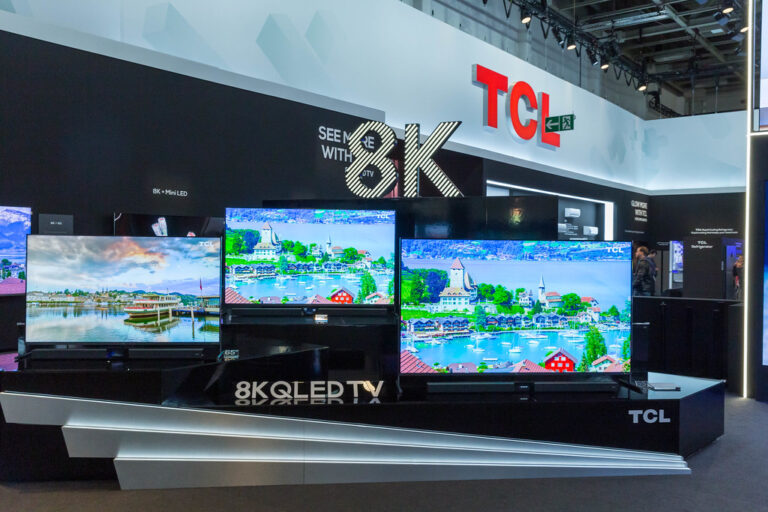
TCL is the disruptor, the brand that proved you don’t need to empty your wallet for a fantastic TV. They’ve aggressively pushed into the market by packing premium technologies like Mini LED and QLED into incredibly affordable packages.
| Rating Aspect | Score (1-10) |
|---|---|
| Design | 8.0 |
| Picture Quality | 8.5 |
| Smart OS (Google/Roku) | 9.5 |
| Gaming | 9.0 |
| Value | 10.0 |
More Bang for Your Buck 💰
TCL’s philosophy is simple: deliver more for less. Models like the TCL QM7 Series and QM8K offer Mini LED backlighting for excellent brightness and contrast that rivals TVs costing twice as much. They are, as NBC News states, “one of the best” budget-friendly brands.
The Power of Simplicity: Roku and Google TV
A huge part of TCL’s success is its partnership with Roku, creating the TCL Roku TV. The Roku interface is famously simple and user-friendly. They also offer many models with the excellent Google TV operating system, giving you a choice between two of the best smart platforms available.
Where are the Compromises?
To hit their attractive price points, there have to be some trade-offs. Generally, TCL’s picture processing isn’t as sophisticated as Sony’s, and their viewing angles can be narrower on some models, meaning the picture looks best when viewed from straight on.
Drawbacks to Consider
❌ Viewing Angles: Some models lose color and contrast when viewed from the side.
❌ Processing Power: Picture processing and motion handling may not be as refined as the premium brands.
👉 Shop TCL TVs on: Amazon | Walmart | TCL Official Website
🤔 Why These Four? Understanding the “Big 4” TV Brand Criteria
So, how did we land on this specific lineup? The term “Big 4” isn’t just about who makes a good TV; it’s a combination of global market share, technological innovation, brand recognition, and the breadth of their product line.
- Samsung and LG are the undisputed market leaders, commanding a huge portion of sales worldwide.
- Sony maintains its spot through its reputation for premium quality and best-in-class processing that keeps cinephiles coming back.
- TCL has earned its place by aggressively capturing market share and disrupting the industry, forcing the other brands to compete on value.
You might be wondering about other great brands like Panasonic, which makes some of the best OLED TVs for movie purists (especially in Europe), or Hisense, another fast-growing value brand hot on TCL’s heels. While these are fantastic manufacturers, our Big 4 represent the brands that have the most significant impact on the global market and offer the most comprehensive lineups for the average consumer today. Even smaller brands like the UK’s Mitchell & Brown explicitly aim to compete with the “Big-4,” showing the term’s industry-wide significance.
⚖️ Comparing the Big 4: Picture Quality, Smart Features, and Value
Let’s break it down. Your choice will likely come down to what you value most.
| Brand | Picture Quality Focus | Smart OS | Value Proposition |
|---|---|---|---|
| Samsung | Peak brightness & vibrant colors (QLED) | Tizen (Feature-rich) | High-end features and innovative designs. |
| LG | Perfect blacks & infinite contrast (OLED) | webOS (Intuitive & fast) | The ultimate cinematic experience. |
| Sony | Lifelike realism & motion (Processing) | Google TV (Content-first) | Premium, cinema-grade performance. |
| TCL | High brightness & good contrast for the price | Google/Roku (Simple & versatile) | Unbeatable features-per-dollar. |
For a deeper dive into the underlying tech, check out our category on TV Technology. If you’re focused on the user experience, our Smart TV Reviews will be your best friend.
🏆 Best TVs from the Big 4 for Every Budget and Room Size
Choosing a brand is one thing, but which model is right for you?
- 🎬 For the Cinephile (Best Picture Quality): You want an OLED. The LG G-series or Sony A95L will deliver the deep blacks and stunning contrast that make movies magical.
- ☀️ For the Bright Room Dweller: A bright QLED is your best bet. The Samsung Neo QLED series or the TCL QM8K can cut through glare and still look vibrant.
- 🎮 For the Hardcore Gamer: Look for low input lag and 120Hz+ refresh rates. The LG C-series and Samsung’s high-end QLEDs are top contenders.
- 💸 For the Budget-Conscious Buyer: This is TCL’s home turf. The TCL QM7 or S5 series offer incredible performance without the premium price. Explore more in our Affordable TV Options category.
🥊 How the Big 4 TV Brands Stack Up Against Other Competitors
The TV market is bigger than just four brands. How do they compare to the rest?
- Hisense: Often seen as TCL’s direct competitor, Hisense also offers feature-packed TVs at aggressive prices. Their ULED line, like the Hisense U8N, goes head-to-head with TCL’s best.
- Vizio: A popular brand in North America, Vizio is known for its solid value and SmartCast platform. They offer a range of TVs, including their own OLED models.
- Panasonic: A favorite among home theater purists, Panasonic’s OLEDs are renowned for their color accuracy and cinematic quality. However, they have a smaller market presence in the U.S.
For more head-to-head battles, visit our TV Brand Comparisons section.
✅ Tips for Choosing the Right TV Brand for Your Needs
Feeling overwhelmed? Don’t be. Follow these simple steps to find your perfect match.
- Assess Your Room: Is it a bright, sunny living room or a dark, cozy media room? This is the first step in the QLED vs. OLED debate.
- Define Your Primary Use: Are you a movie buff, a competitive gamer, or just need something for casual viewing? Your answer will point you toward a brand’s strengths.
- Set Your Budget: Be realistic about what you want to spend. The good news is that brands like TCL ensure you can get a great TV at almost any price point.
- Consider the Smart OS: Do you want the dead-simple interface of Roku, the content-rich world of Google TV, or the unique features of Tizen or webOS?
- Don’t Forget About Sound: Will you be using a soundbar or home theater system? If not, a brand like Sony with superior built-in audio might be the right choice.
- Think Long-Term: A TV is an investment. Consider the brand’s reputation for reliability and how long you expect it to last. Learn more in our guide to Television Lifespan.
🚀 The Future of the Big 4 TV Brands: Trends and Innovations
The TV world never stands still. Here’s a glimpse of what’s next.
- Bigger and Brighter: Screen sizes continue to grow, with 75-inch and even 85-inch TVs becoming the new standard. At the same time, Mini LED and OLED technologies are pushing brightness levels higher than ever.
- Smarter Brains: AI-powered processors are getting even better at upscaling lower-resolution content and optimizing the picture and sound in real-time.
- The Next Big Thing: MicroLED: This technology combines the best of all worlds—the self-emissive pixels of OLED with the brightness and longevity of LED. It’s currently ultra-expensive, but it’s the technology to watch.
- The TV as the Smart Home Hub: Brands are increasingly positioning their TVs as the central command center for your entire smart home ecosystem.
🎬 Conclusion: Which Big 4 Brand Should You Pick?
After our deep dive into the Big 4 TV brands—Samsung, LG, Sony, and TCL—it’s clear each has carved out a unique niche in the TV universe. Here’s the bottom line from the TV Brands™ reviewers:
- Samsung dazzles with its ultra-bright QLED and innovative designs, perfect for bright rooms and gamers who want cutting-edge features. However, if Dolby Vision HDR is a must-have, you might want to look elsewhere.
- LG reigns supreme in OLED technology, delivering perfect blacks and cinematic picture quality that movie buffs and gamers adore. Its webOS is user-friendly, but OLED’s brightness limitations mean it’s best for dimmer rooms.
- Sony is the premium choice for those who want the most lifelike picture and immersive audio experience. Their Google TV platform is intuitive, but the premium price tag and slightly higher input lag might deter budget-conscious buyers.
- TCL is the champion of value, packing impressive Mini LED and QLED tech into affordable packages with user-friendly Roku or Google TV interfaces. The trade-offs are narrower viewing angles and less sophisticated processing.
So, which brand should you pick? It boils down to your priorities:
- Want the brightest, most vibrant TV? Go Samsung.
- Crave perfect blacks and cinematic depth? LG OLED is your friend.
- Desire premium picture and sound with a polished smart experience? Sony’s your pick.
- Need a budget-friendly TV that punches above its weight? TCL delivers.
Whichever you choose, you’re getting a TV from a brand that shapes the industry and offers reliable, feature-packed models. And remember, the “Big 4” aren’t just names—they represent decades of innovation, quality, and consumer trust.
Ready to take the plunge? Check out our recommended shopping links below and grab your perfect TV today!
🛒 Recommended Links for Deep Dives and Shopping
👉 CHECK PRICE on:
- Samsung TVs: Amazon | Walmart | Samsung Official Website
- LG TVs: Amazon | Walmart | LG Official Website
- Sony TVs: Amazon | Walmart | Sony Official Website
- TCL TVs: Amazon | Walmart | TCL Official Website
Books to deepen your TV knowledge:
- “The Ultimate Guide to TV Technology” by Mark Johnson — A comprehensive look at TV tech evolution and buying tips. Amazon Link
- “OLED vs QLED: The Battle for Your Living Room” by Sarah Lee — Dive into the science behind the screens. Amazon Link
❓ FAQ: Your Burning Questions About the Big 4 TV Brands Answered
Which companies are considered the big 4 TV brands?
The “Big 4” TV brands are Samsung, LG, Sony, and TCL. These companies dominate the global TV market due to their extensive product lines, technological innovation, and significant market share. While Panasonic, Hisense, and others are notable, these four are recognized industry leaders shaping TV trends worldwide.
What makes the big 4 TV brands stand out in the market?
Each brand has a unique strength:
- Samsung leads in QLED technology and ultra-bright displays.
- LG is the pioneer and leader in OLED panels.
- Sony excels in picture processing and premium audio.
- TCL disrupts the market with affordable, feature-rich TVs.
Their combination of innovation, quality control, and smart TV platforms sets them apart from competitors.
How do the big 4 TV brands compare in terms of picture quality?
- LG’s OLED TVs offer perfect blacks and infinite contrast, ideal for cinematic viewing.
- Samsung’s QLED and QD-OLED models provide superior brightness and vibrant colors, great for bright rooms.
- Sony’s TVs combine OLED or LED panels with industry-leading image processing for natural, lifelike pictures.
- TCL offers excellent picture quality for the price, especially with their Mini LED and QLED models, though with some compromises in viewing angles and processing.
Are the big 4 TV brands more reliable than other brands?
Generally, yes. These brands invest heavily in quality control and customer support. Samsung, LG, and Sony have decades of experience and strong reputations for durability. TCL, while newer to the premium space, has rapidly improved reliability and offers competitive warranties. However, individual model quality can vary, so checking specific reviews is always wise.
What are the price ranges of TVs from the big 4 brands?
The Big 4 cover a wide price spectrum:
- Samsung and LG offer entry-level to ultra-premium models, including massive 85+ inch TVs.
- Sony tends to be priced at a premium, focusing on mid-to-high-end models.
- TCL specializes in budget to mid-range TVs, providing excellent value.
Prices vary by size, technology (OLED vs. QLED), and features but generally reflect the brand’s market positioning.
Which big 4 TV brand offers the best smart TV features?
- Sony’s Google TV and TCL’s Google TV or Roku TV are praised for their intuitive, content-rich interfaces.
- LG’s webOS is user-friendly with a smooth experience.
- Samsung’s Tizen OS is feature-packed but may have a steeper learning curve.
Your choice depends on personal preference and ecosystem compatibility.
How has the market share of the big 4 TV brands changed over time?
Samsung has held the top global market share for over a decade. LG and Sony maintain strong positions, particularly in premium segments. TCL has rapidly grown, especially in North America and Europe, challenging traditional leaders by offering high-quality TVs at lower prices. The market remains dynamic, with innovation and pricing strategies continually shifting the landscape.
📚 Reference Links and Sources for TV Brand Insights
- Samsung Official Site
- LG Official Site
- Sony Official Site
- TCL Official Site
- RTINGS.com Best TV Brands Review
- NBC News Best TV Brands Overview
- Mitchell & Brown Unveils Cutting-Edge QLED TV Range
Thanks for sticking with us through this epic TV journey! Now, armed with knowledge and a bit of wit, you’re ready to conquer the world of TVs and pick the perfect Big 4 brand for your home theater dreams. Happy viewing! 📺✨