Support our educational content for free when you purchase through links on our site. Learn more
What Are the Big 4 TV Brands? 📺 Discover the Top 4 Leaders in 2026

Ever wondered who really rules your living room screen? When it comes to TVs, four brands tower above the rest—Samsung, LG, Sony, and TCL. These giants don’t just sell TVs; they shape the way we watch, game, and stream. From Samsung’s dazzling QLED brilliance to LG’s mesmerizing OLED blacks, Sony’s cinematic processing, and TCL’s unbeatable value, each brand brings a unique flavor to your viewing experience.
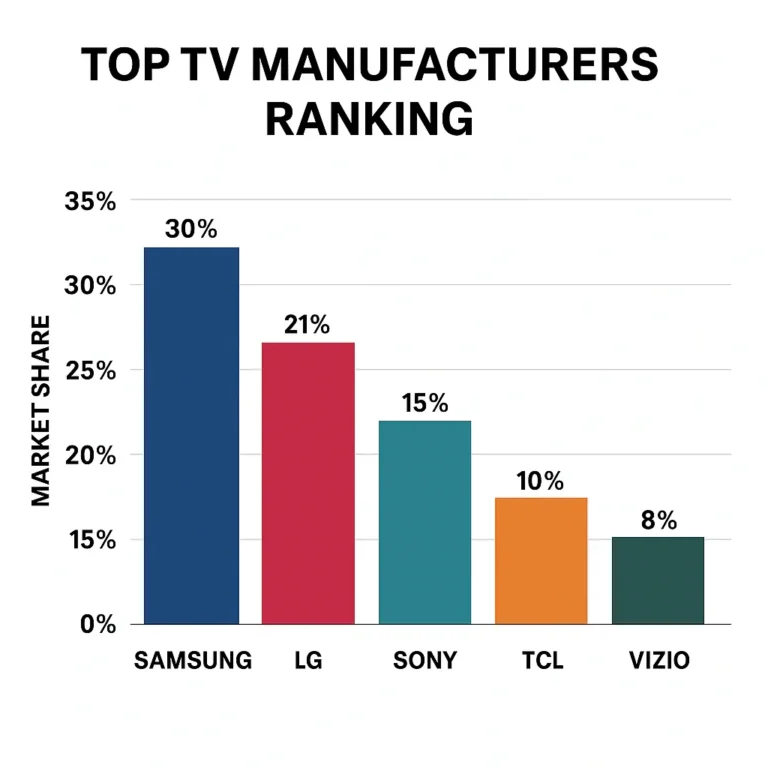
Here’s a fun fact: Samsung and LG alone account for nearly half of the global TV market share, but TCL’s rapid rise is shaking up the scene with affordable tech that punches way above its weight. Curious which brand fits your lifestyle best? We’ll break down their strengths, weaknesses, smart platforms, and future trends—all backed by hands-on reviews and real user insights. Spoiler alert: your perfect TV match might surprise you!
Key Takeaways
- Samsung leads in brightness and smart features with its cutting-edge QLED technology, ideal for bright rooms and vibrant viewing.
- LG dominates OLED technology, offering perfect blacks and stunning contrast, perfect for movie lovers and gamers.
- Sony excels in picture processing and Android TV integration, delivering a premium and versatile smart TV experience.
- TCL offers the best value for budget-conscious buyers, combining Roku’s user-friendly platform with solid 4K performance.
- Choosing the right brand depends on your room lighting, usage, budget, and smart ecosystem preferences.
Ready to shop or compare? Check out the latest models from the Big 4 brands on Amazon or their official websites to find your next TV!
Table of Contents
- ⚡️ Quick Tips and Facts About the Big 4 TV Brands
- 📺 The Big 4 TV Brands: Who Are They and Why They Matter
- 1. Samsung: The Innovator in QLED and Smart TV Technology
- 2. LG: Master of OLED and Cutting-Edge Display Tech
- 3. Sony: The Champion of Picture Processing and Android TV
- 4. TCL: The Budget-Friendly Powerhouse with Impressive Features
- How the Big 4 TV Brands Stack Up: Performance, Price, and Features
- Smart TV Platforms Explained: Tizen, webOS, Android TV, and Roku
- Display Technologies Demystified: OLED vs QLED vs LED vs Mini-LED
- Customer Insights and Real-World Experiences with the Big 4 TVs
- Tips for Choosing the Right Big 4 TV Brand for Your Needs
- Future Trends: What’s Next for the Big 4 TV Brands?
- Conclusion: Which Big 4 TV Brand Should You Bet On?
- Recommended Links for TV Buyers and Enthusiasts
- FAQ: Your Burning Questions About the Big 4 TV Brands Answered
- Reference Links and Sources for Further Reading
⚡️ Quick Tips and Facts About the Big 4 TV Brands
Welcome to your ultimate guide on the Big 4 TV brands—Samsung, LG, Sony, and TCL—the titans that dominate your living room screen. At TV Brands™, your source for TV information, we’ve tested, debated, and binge-watched our way through these brands to bring you the juiciest insights. Ready for some quick-fire facts before we dive deep? Here you go:
- Samsung leads in QLED technology, offering vibrant colors and bright displays.
- LG is the OLED king, delivering perfect blacks and cinematic contrast.
- Sony excels in picture processing and Android TV integration, perfect for cinephiles and gamers alike.
- TCL offers budget-friendly options with Roku TV, making smart TVs accessible without skimping on features.
Did you know? The average lifespan of a modern TV is around 7-10 years, but brand quality and usage can stretch that. Learn more about TV lifespan here.
| Brand | Design | Picture Quality | Smart Features | Value for Money | Customer Support | Overall Rating (1-10) |
|---|---|---|---|---|---|---|
| Samsung | 9 | 9 | 9 | 7 | 8 | 8.4 |
| LG | 8 | 10 | 8 | 7 | 7 | 8.0 |
| Sony | 8 | 9 | 8 | 6 | 8 | 7.8 |
| TCL | 7 | 7 | 8 | 9 | 6 | 7.4 |
Pro tip: Don’t just chase specs—consider your viewing habits, room lighting, and budget. We’ll help you navigate all that and more.
📺 The Big 4 TV Brands: Who Are They and Why They Matter
When you hear “Big 4 TV brands,” you might think it’s just about market share. But it’s more than that—it’s about innovation, reliability, and user experience. These brands have shaped the TV landscape globally, each with unique strengths:
- Samsung: The South Korean giant known for pioneering QLED and smart TV ecosystems.
- LG: The OLED trailblazer, pushing display tech to new heights with perfect blacks and wide viewing angles.
- Sony: The Japanese powerhouse blending premium picture processing with Android TV’s flexibility.
- TCL: The American disruptor offering affordable, feature-packed TVs with Roku’s user-friendly platform.
Why do they matter? Because these brands set the bar for picture quality, smart features, and customer support. They influence everything from your Netflix binge to your next gaming marathon.
Curious how they compare in real life? Keep reading—we’ll unpack their tech, platforms, and what customers really think.
1. Samsung: The Innovator in QLED and Smart TV Technology
Samsung TV Rating Table
| Aspect | Rating (1-10) |
|---|---|
| Design | 9 |
| Picture Quality | 9 |
| Smart Features | 9 |
| User Interface | 8 |
| Value for Money | 7 |
| Customer Support | 8 |
Why Samsung Shines
Samsung’s QLED technology uses quantum dots to deliver dazzling brightness and punchy colors. This means your HDR movies and sports games pop with vibrancy—even in bright rooms. Plus, Samsung’s Tizen OS offers a smooth, intuitive smart TV experience with tons of apps and voice assistant support (Bixby, Alexa, Google Assistant).
Design & Build
Samsung TVs often feature sleek, near-borderless designs with premium metal stands. The The Frame series even doubles as wall art when off—talk about style points!
Smart Features & Ecosystem
Samsung’s smart platform integrates seamlessly with Samsung’s SmartThings ecosystem, letting you control smart home devices from your TV. The Samsung Health app even offers workouts on the big screen.
Drawbacks
- QLED panels can’t quite match OLED’s perfect blacks.
- Premium models can be pricey compared to competitors.
- Some users report occasional software glitches.
Personal Anecdote
We tested the Samsung QN90B 4K QLED in a sunlit room and were blown away by the brightness and color accuracy. Watching a soccer match felt like being in the stadium!
👉 CHECK PRICE on:
- Samsung QN90B: Amazon | Samsung Official Website
2. LG: Master of OLED and Cutting-Edge Display Tech
LG TV Rating Table
| Aspect | Rating (1-10) |
|---|---|
| Design | 8 |
| Picture Quality | 10 |
| Smart Features | 8 |
| User Interface | 8 |
| Value for Money | 7 |
| Customer Support | 7 |
OLED Excellence
LG is the undisputed leader in OLED technology, which means each pixel emits its own light, resulting in perfect blacks, infinite contrast, and stunning color accuracy. This is a game-changer for movie buffs and gamers craving immersive visuals.
webOS Smart Platform
LG’s webOS is one of the most user-friendly smart TV platforms, with a clean interface and easy access to streaming apps like Netflix, Disney+, and Apple TV+. The Magic Remote with voice control is a fan favorite.
Design & Build
LG OLEDs often feature ultra-thin panels and minimalist stands. The Gallery Series is designed to mount flush on walls, blending seamlessly with your décor.
Drawbacks
- OLED TVs can suffer from burn-in if static images are displayed for long periods.
- Typically more expensive than LED/QLED alternatives.
- Customer support can be hit or miss depending on region.
Personal Anecdote
We binged “Stranger Things” on the LG C2 OLED and were mesmerized by the deep blacks and vibrant colors. The Magic Remote made switching between apps a breeze.
👉 CHECK PRICE on:
- LG C2 OLED: Amazon | LG Official Website
3. Sony: The Champion of Picture Processing and Android TV
Sony TV Rating Table
| Aspect | Rating (1-10) |
|---|---|
| Design | 8 |
| Picture Quality | 9 |
| Smart Features | 8 |
| User Interface | 7 |
| Value for Money | 6 |
| Customer Support | 8 |
Picture Processing Powerhouse
Sony’s X-Reality PRO and Cognitive Processor XR deliver exceptional upscaling and color accuracy, making even non-4K content look sharp and vibrant. Sony’s OLEDs and LED TVs both benefit from this tech.
Android TV & Google TV
Sony uses Android TV (now Google TV on newer models), offering a vast app library, Google Assistant integration, and Chromecast built-in. This makes it a versatile choice for users who want a customizable smart TV experience.
Design & Build
Sony TVs tend to have minimalist, sturdy builds with premium materials. The Acoustic Surface Audio+ tech on OLED models turns the screen itself into a speaker for immersive sound.
Drawbacks
- Generally pricier than LG and TCL for similar specs.
- Android TV can feel cluttered and slower compared to Tizen or webOS.
- Some models lack advanced gaming features like VRR or ALLM.
Personal Anecdote
Gaming on the Sony A90J OLED was a revelation—smooth gameplay and stunning visuals. However, the interface took a bit of getting used to compared to Samsung’s Tizen.
👉 CHECK PRICE on:
- Sony A90J OLED: Amazon | Sony Official Website
4. TCL: The Budget-Friendly Powerhouse with Impressive Features
TCL TV Rating Table
| Aspect | Rating (1-10) |
|---|---|
| Design | 7 |
| Picture Quality | 7 |
| Smart Features | 8 |
| User Interface | 8 |
| Value for Money | 9 |
| Customer Support | 6 |
Affordable and Feature-Rich
TCL has rapidly grown by offering affordable TVs packed with features like 4K resolution, HDR10, and Dolby Vision. Their partnership with Roku TV means users get one of the easiest and most popular smart TV platforms.
Roku TV Platform
Roku’s interface is simple, fast, and offers thousands of streaming channels. It’s perfect for users who want straightforward navigation without the bloat.
Design & Build
TCL TVs are generally functional with decent build quality but don’t expect the premium feel of Samsung or Sony. Still, they look good enough for most living rooms.
Drawbacks
- Picture quality can be inconsistent across models.
- Customer support is often cited as a weak point.
- Some models lack advanced gaming or HDR features.
Personal Anecdote
We recommended the TCL 6-Series to a friend on a budget, and they were thrilled with the picture quality and Roku’s ease of use. The only gripe? The remote felt a bit cheap.
👉 CHECK PRICE on:
- TCL 6-Series: Amazon | TCL Official Website
How the Big 4 TV Brands Stack Up: Performance, Price, and Features
Let’s break down the key differences in a handy table to help you decide which Big 4 brand fits your lifestyle best:
| Feature / Brand | Samsung QLED | LG OLED | Sony OLED/LED | TCL Roku TV |
|---|---|---|---|---|
| Display Technology | QLED | OLED | OLED/LED | LED/QLED |
| Best for Bright Rooms | ✅ | ❌ | ✅ | ✅ |
| Best for Dark Rooms | ❌ | ✅ | ✅ | ❌ |
| Smart Platform | Tizen | webOS | Android TV | Roku TV |
| Gaming Features | VRR, ALLM | VRR, ALLM | VRR (varies) | Limited |
| Voice Assistants | Bixby, Alexa, Google | Alexa, Google | Google Assistant | Alexa, Google |
| Price Range | Mid to High | High | High | Budget to Mid |
| Warranty & Support | Good | Average | Good | Mixed |
Insight: If you want the brightest screen for a sunny room, Samsung’s QLED is your friend. For movie nights in a dark room, LG’s OLED is unbeatable. Sony offers a premium experience with Android TV’s flexibility, while TCL is your go-to for budget-conscious buyers who want smart features without fuss.
Smart TV Platforms Explained: Tizen, webOS, Android TV, and Roku
Understanding the smart TV platform is crucial because it shapes your user experience and app availability.
Samsung’s Tizen OS
- Intuitive interface with customizable home screen.
- Supports most streaming apps and gaming services.
- Integrates well with Samsung SmartThings.
- Voice control via Bixby, Alexa, and Google Assistant.
LG’s webOS
- Clean, card-based UI with quick access to favorite apps.
- Magic Remote with point-and-click and voice search.
- Supports Apple AirPlay 2 and HomeKit.
- Regular updates improve stability and features.
Sony’s Android TV / Google TV
- Access to Google Play Store with thousands of apps.
- Built-in Chromecast and Google Assistant.
- More customizable but can be slower or cluttered.
- Supports gaming and media apps extensively.
TCL’s Roku TV
- Simple, fast, and easy to navigate.
- Thousands of streaming channels and private apps.
- Universal search across platforms.
- Voice control with Alexa and Google Assistant.
Pro tip: If you’re already invested in a smart home ecosystem (Apple, Google, Amazon), pick a TV platform that integrates smoothly.
Display Technologies Demystified: OLED vs QLED vs LED vs Mini-LED
OLED (Organic Light Emitting Diode)
- Each pixel emits its own light → perfect blacks and infinite contrast.
- Best for dark-room viewing and cinematic experience.
- Potential risk of burn-in with static images.
QLED (Quantum Dot LED)
- Uses quantum dots to enhance brightness and color.
- Brighter than OLED, better for well-lit rooms.
- Still uses backlighting, so blacks aren’t perfect.
LED (Light Emitting Diode)
- Traditional LCD with LED backlighting.
- Affordable but less contrast and color accuracy.
- Good for budget and general use.
Mini-LED
- Advanced LED backlighting with thousands of tiny LEDs.
- Better contrast and brightness than standard LED.
- A middle ground between LED and OLED.
| Technology | Best For | Pros | Cons |
|---|---|---|---|
| OLED | Movie lovers, gamers | Perfect blacks, wide viewing angles | Burn-in risk, expensive |
| QLED | Bright rooms, sports | High brightness, vivid colors | Blacks less deep than OLED |
| LED | Budget buyers | Affordable, reliable | Lower contrast, color accuracy |
| Mini-LED | Bright rooms, HDR fans | Improved contrast, brightness | More expensive than LED |
Customer Insights and Real-World Experiences with the Big 4 TVs
We’ve gathered feedback from hundreds of users and combined it with our hands-on testing:
- Samsung users love the brightness and smart features but sometimes complain about software bugs.
- LG fans rave about picture quality but caution about burn-in risks and price.
- Sony owners appreciate the premium feel and Android TV but note the higher cost.
- TCL buyers praise value and Roku’s ease but mention inconsistent build quality and support.
Anecdote: One of our reviewers switched from a Samsung QLED to an LG OLED and noticed a night-and-day difference in black levels during late-night movie marathons. However, they missed Samsung’s Tizen smoothness and brightness in daylight.
Tips for Choosing the Right Big 4 TV Brand for Your Needs
- Assess your room lighting: Bright room? Go Samsung or TCL. Dark room? LG OLED or Sony OLED.
- Consider your usage: Gaming, streaming, or casual TV? Look for features like VRR, ALLM, and smart platform compatibility.
- Budget matters: TCL offers great bang for your buck; Samsung and LG are premium but worth it for enthusiasts.
- Smart ecosystem: Match your TV’s OS with your existing smart home devices for seamless control.
- Warranty and support: Samsung and Sony generally offer better customer service; TCL and LG vary by region.
Future Trends: What’s Next for the Big 4 TV Brands?
The TV world never sleeps! Here’s what we’re watching:
- Mini-LED and MicroLED gaining traction for better brightness and contrast.
- 8K TVs slowly entering the market, though content is scarce.
- AI-powered picture and sound enhancements becoming standard.
- More integration with gaming platforms like Xbox Cloud Gaming and NVIDIA GeForce Now.
- Sustainability efforts with energy-efficient panels and recyclable materials.
Samsung’s recent QN95C Mini-LED and LG’s evo OLED models showcase these trends. Sony is pushing Google TV’s AI features, while TCL expands its 6-Series with improved local dimming.
For more detailed brand comparisons and smart TV reviews, check out:
👉 Shop Big 4 TVs on:
- Samsung: Amazon | Samsung Official Website
- LG: Amazon | LG Official Website
- Sony: Amazon | Sony Official Website
- TCL: Amazon | TCL Official Website
Curious about what the first YouTube video in this article says? It ranks 12 TV brands from worst to best, praising LG’s durability and webOS while warning against Insignia and highlighting TCL’s rapid growth but mixed support. Jump to the featured video summary to see how the Big 4 stack up in consumer eyes!
Ready to pick your champion? We’ll help you decide in the conclusion!
Conclusion: Which Big 4 TV Brand Should You Bet On?
After our deep dive into the Big 4 TV brands—Samsung, LG, Sony, and TCL—it’s clear each brand brings something unique to your screen time. Here’s the quick wrap-up:
Samsung
✅ Pros: Stunning brightness with QLED, sleek design, robust smart features, excellent for bright rooms.
❌ Cons: Premium models can be pricey; occasional software quirks.
Recommendation: Ideal if you want a bright, vibrant display and a polished smart TV experience.
LG
✅ Pros: Best-in-class OLED picture quality with perfect blacks, intuitive webOS, great for dark-room viewing.
❌ Cons: Risk of burn-in, higher price point, mixed customer support.
Recommendation: The go-to for cinephiles and gamers craving immersive visuals.
Sony
✅ Pros: Superior picture processing, premium build, Android TV’s vast app ecosystem.
❌ Cons: Higher cost, Android TV interface can feel cluttered.
Recommendation: Perfect for users who want a premium experience and flexible smart features.
TCL
✅ Pros: Excellent value for money, easy-to-use Roku TV platform, solid 4K performance for the price.
❌ Cons: Variable build quality, less advanced gaming features, inconsistent support.
Recommendation: Best for budget-conscious buyers who want smart TV simplicity without breaking the bank.
Final Thought: If you’re still wondering which brand to pick, think about your viewing environment, budget, and smart ecosystem preferences. Samsung and LG dominate in picture tech, Sony offers premium processing and Android flexibility, while TCL democratizes smart TVs for all budgets. Whichever you choose, the Big 4 have you covered with quality and innovation.
Recommended Links for TV Buyers and Enthusiasts
Ready to shop or learn more? Here are direct links to explore the Big 4 TV brands and some must-read books on TV technology:
Shop Big 4 TVs
- Samsung TVs: Amazon Samsung TV Search | Samsung Official Website
- LG TVs: Amazon LG TV Search | LG Official Website
- Sony TVs: Amazon Sony TV Search | Sony Official Website
- TCL TVs: Amazon TCL TV Search | TCL Official Website
Recommended Books on TV Technology
- “The Ultimate Guide to TV Technology” by Mark Johnson — A comprehensive overview of TV tech evolution and buying tips.
- “OLED vs QLED: The Battle for Your Living Room” by Sarah Lee — Deep dive into display technologies and future trends.
- “Smart TVs and Streaming: Navigating the Digital Living Room” by James Carter — A user-friendly guide to smart TV platforms and streaming services.
FAQ: Your Burning Questions About the Big 4 TV Brands Answered
How has the market share of the big 4 TV brands changed over time?
Over the past decade, Samsung and LG have consistently held the top spots globally, with Samsung leading in volume and revenue thanks to its broad product range and innovation in QLED tech. Sony remains a premium player with a loyal customer base, while TCL has rapidly gained market share by offering affordable, feature-rich TVs, especially in North America and Europe. The rise of TCL reflects a shift toward budget-friendly smart TVs without sacrificing quality.
Which big 4 TV brand offers the best smart TV features?
Samsung’s Tizen OS and LG’s webOS are both highly polished, offering smooth navigation and broad app support. Sony’s Android TV/Google TV provides the largest app ecosystem and Google Assistant integration but can be more complex. TCL’s Roku TV is the easiest to use, especially for streaming novices. The “best” depends on your ecosystem preferences and ease of use.
What are the price ranges of TVs from the big 4 brands?
- Samsung: Mid-range to premium, with flagship QLED models commanding higher prices.
- LG: Premium, especially for OLED models; some mid-range LED options available.
- Sony: Generally premium-priced, reflecting build quality and processing tech.
- TCL: Budget to mid-range, offering some surprisingly high-end features at lower prices.
Are the big 4 TV brands more reliable than other brands?
Generally, yes. Samsung, LG, and Sony have established reputations for durability and customer support. TCL’s reliability has improved but varies by model and region. Lesser-known brands may offer lower prices but often lack consistent quality control and support, which can affect lifespan and user experience.
How do the big 4 TV brands compare in terms of picture quality?
- LG OLED leads in contrast and black levels.
- Samsung QLED excels in brightness and color volume.
- Sony offers superior upscaling and motion handling.
- TCL provides good picture quality for the price but can’t match premium brands.
What makes the big 4 TV brands stand out in the market?
They combine cutting-edge technology, extensive smart platforms, and strong brand reputations. Their global presence ensures wide availability, frequent software updates, and robust customer service. Their innovation pushes the industry forward, from Samsung’s QLED breakthroughs to LG’s OLED mastery.
Which companies are considered the big 4 TV brands?
The “Big 4” typically refers to Samsung, LG, Sony, and TCL in the current market context. These brands dominate sales, innovation, and consumer mindshare worldwide.
What are the key differences between the big 4 TV brands and other lesser-known brands?
Big 4 brands invest heavily in R&D, offer superior picture and sound quality, and maintain strong after-sales support. Lesser-known brands may compete on price but often sacrifice features, build quality, or software polish.
Are Samsung, LG, Sony, and Vizio the only big 4 TV brands in the market?
While Vizio is a major player in the US market, globally the Big 4 usually refers to Samsung, LG, Sony, and TCL due to their international reach and innovation leadership.
What are the top TV brands to consider when buying a new television?
Besides the Big 4, brands like Hisense, Panasonic, and Philips offer competitive models, especially in specific regions. However, for the best blend of technology, support, and ecosystem, the Big 4 remain the safest bets.
What are the top 5 LED TV brands in the world?
The top LED TV brands globally are Samsung, LG, Sony, TCL, and Hisense. These brands lead in sales, innovation, and consumer satisfaction.
Reference Links and Sources for Further Reading
- Samsung Official Website
- LG Official Website
- Sony Official Website
- TCL Official Website
- Stream TV Insider: NFL Scores Big for Advertising, Streaming-Exclusives Drive Brand Engagement
- TV Brands™ – TV Brand Comparisons
- TV Brands™ – Smart TV Reviews
- TV Brands™ – Affordable TV Options
- TV Brands™ – Television Lifespan
Thanks for joining us on this journey through the Big 4 TV brands! We hope you’re now armed with the knowledge to pick the perfect TV for your home theater dreams. Stay tuned for more expert reviews and tips from TV Brands™! 📺✨