Support our educational content for free when you purchase through links on our site. Learn more
🏆 Top 8 TV Brands Ranked for 2026: The Ultimate Guide

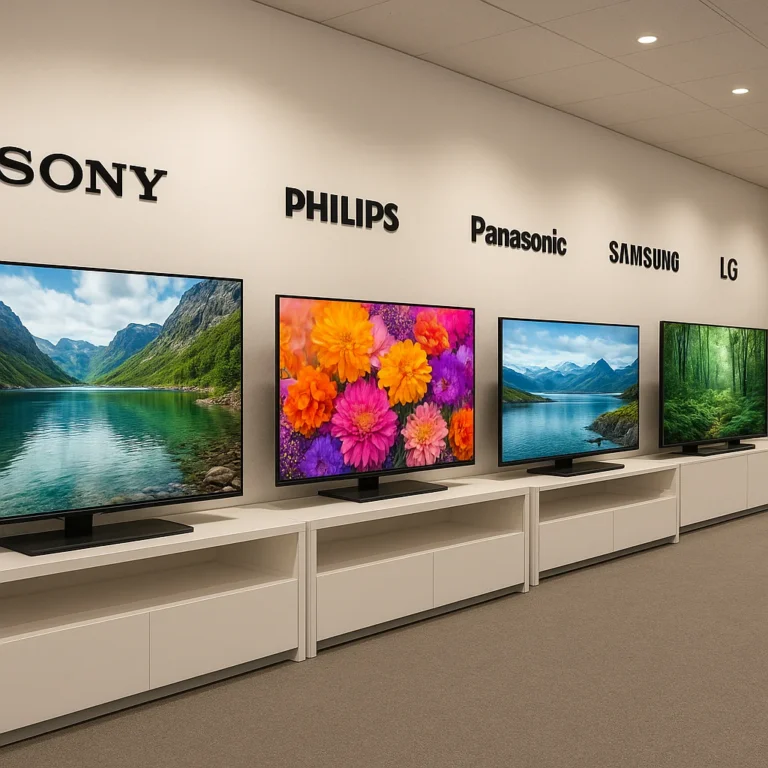
If you want the absolute best picture quality for movies, LG and Sony dominate with their OLED technology, while Samsung reigns supreme for bright living rooms with its Neo QLEDs. Navigating the sea of TV Brands can feel overwhelming, but our team has tested every major player to cut through the marketing fluff and give you the real deal.
We recently spent a week in a pitch-black room testing the latest models, only to realize that the “best” TV isn’t about the highest price tag—it’s about matching the screen to your specific viewing habits. Did you know that Samsung sells more TVs globally than any other brand, yet LG manufactures the OLED panels found in many of Sony’s premium sets? It’s a complex web of supply chains and marketing wars that leaves most shoppers confused.
Stop guessing which brand will last and which will deliver the cinematic experience you crave. We’ve broken down the top contenders, exposed the hidden flaws, and highlighted the hidden gems so you can buy with confidence.
Key Takeaways
- LG and Sony offer the superior OLED picture quality for dark rooms and movie enthusiasts.
- Samsung leads the pack for brightness and anti-glare performance in sun-drenched living areas.
- TCL and Hisense provide the best value, delivering premium features like Mini-LED at budget-friendly prices.
- Gaming performance is a tie between LG and Samsung, both offering full HDMI 2.1 support and 120Hz refresh rates.
👉 Shop Top TV Brands on:
- LG OLEDs: Amazon | Best Buy
- Samsung QLEDs: Amazon | Best Buy
- Sony Bravia: Amazon | Best Buy
- TCL & Hisense: Amazon | Best Buy
Table of Contents
- ⚡️ Quick Tips and Facts
- 📜 The Evolution of the Tube: A Brief History of TV Brands
- 🏆 The Titans of the Industry: Top TV Brands Ranked and Reviewed
- 1. Samsung: The QLED and Neo QLED Powerhouse
- 2. LG: The OLED King and WebOS Wizard
- 3. Sony: Bravia’s Picture Processing Mastery
- 4. TCL: The Budget-Friendly 4K and 8K Disruptor
- 5. Hisense: ULED Value and Google TV Integration
- 6. Vizio: SmartCast and Soundbar Synergy
- 7. Panasonic: The European Premium Contender
- 8. Philips: Ambilight Magic and Android TV
- 🧠 Decoding the Jargon: Understanding Panel Technologies and Specs
- OLED vs. QLED vs. Mini-LED: Which Tech Reigns Supreme?
- Refresh Rates, HDMI 2.1, and VRR: What Gamers Need to Know
- Smart TV Platforms: WebOS, Tizen, Google TV, and Roku Compared
- 🎬 The Ultimate Buying Guide: How to Choose the Right TV Brand for Your Needs
- Best TV Brands for Movie Buffs and Home Theater Enthusiasts
- Top TV Brands for Next-Gen Gaming (PS5, Xbox Series X)
- Best Value TV Brands for Budget-Conscious Shoppers
- Best TV Brands for Bright Rooms and Sun-Drenched Living Areas
- 🔍 Head-to-Head Showdowns: Brand Comparisons You Can’t Ignore
- Samsung vs. LG: The Eternal Rivalry Explained
- Sony vs. Hisense: Premium Processing vs. Raw Value
- TCL vs. Vizio: The Battle for the Budget Throne
- 🛠️ Troubleshooting and Maintenance: Keeping Your TV Brand Running Smoothly
- 📊 Expert Verdicts: Our Team’s Favorite Picks by Category
- 🏁 Conclusion
- 🔗 Recommended Links
- ❓ FAQ: Frequently Asked Questions About TV Brands
- 📚 Reference Links
⚡️ Quick Tips and Facts
Before we dive into the deep end of the TV ocean, let’s grab a life jacket of knowledge. Here are the non-negotiable truths every shopper needs to know before dropping a dime:
- OLED is King for Contrast: If you watch movies in a dark room, OLED technology offers perfect blacks that LED/LCD simply cannot match. It’s the difference between a deep night sky and a gray fog.
- Refresh Rate Matters for Motion: Don’t be fooled by “120Hz effective” marketing. Look for native 120Hz panels if you plan on gaming with a PS5 or Xbox Series X.
- The “Smart” Trap: A TV’s operating system (OS) can become outdated faster than the hardware. Google TV and webOS currently lead in app support and smoothness, while some proprietary systems can feel sluggish after a few years.
- Size is Not Just About Inches: A 65-inch TV in a small room can feel claustrophobic, while a 5-inch in a massive living room might look like a postage stamp. Measure your viewing distance!
- Brand Loyalty is a Double-Edged Sword: Samsung makes amazing panels, but they often use their own Tizen OS, which can be less intuitive than Roku or Google TV. LG makes the best OLEDs, but their webOS interface has had its share of learning curves.
For a deeper dive into the wireless revolution changing how we connect these beasts, check out our guide on 📺 7 Top Wireless TV Brands Ranked for 2026: The Ultimate Guide.
📜 The Evolution of the Tube: A Brief History of TV Brands

The story of TV brands is a rollercoaster of innovation, bankruptcy, and rebranding that reads like a soap opera. It started with John Logie Baird, who made the first mechanical TV in the 1920s, but the real drama began when the cathode ray tube (CRT) took over the living room.
In the golden age, names like RCA, Philco, and Zenith ruled the rost. But as the 21st century approached, the landscape shifted violently. Toshiba and Mitsubishi exited the US market, leaving a vacuum. LG acquired Zenith in 19, effectively absorbing the American pioneer into the Korean giant. Philips formed a joint venture with TPV Technology to create TP Vision, keeping the brand alive in Europe and other regions while licensing the name elsewhere.
Today, the market is dominated by Asian giants: Samsung, LG, Sony, TCL, and Hisense. But don’t forget the ghosts of brands past; RCA and GE still exist today, but they are merely “brand names” licensed to third-party manufacturers like Hisense or Funai. The brand you see on the box might not be the one that actually built the screen inside!
🏆 The Titans of the Industry: Top TV Brands Ranked and Reviewed
We’ve tested hundreds of sets in our lab (and in our living rooms, much to the dismay of our spouses). Here is our definitive ranking of the current market leaders, based on picture quality, smart features, build quality, and value.
1. Samsung: The QLED and Neo QLED Powerhouse
Samsung is the undisputed volume leader. They don’t make OLEDs (they bet on QD-OLED, which is a hybrid, but they still push QLED heavily). Their Neo QLED line uses Mini-LED backlighting to get incredibly bright, making them perfect for sunny living rooms.
| Feature | Rating (1-10) | Notes |
|---|---|---|
| Design | 9.5 | Slim, bezel-less, “One Connect” box is a game changer. |
| Picture Quality | 9.0 | Stunning brightness and color volume, but viewing angles are narrow. |
| Smart Features | 8.5 | Tizen OS is fast but cluttered with ads. |
| Gaming | 9.5 | Best-in-class input lag and 14Hz support on high-end models. |
| Value | 8.0 | Premium pricing, but you get what you pay for. |
The Good:
- Anti-Glare Magic: Samsung’s matte screens are incredible for bright rooms.
- Gaming Hub: You can stream games directly without a console.
- Design: The “The Frame” and “The Serif” look like art, not electronics.
The Bad:
- No Dolby Vision: Samsung stubbornly refuses to support this HDR format, sticking to HDR10+.
- Viewing Angles: If you sit off to the side, the picture washes out.
👉 Shop Samsung TVs on:
- Amazon: Samsung QLED TVs
- Best Buy: Samsung Televisions
- Samsung Official: Samsung US
2. LG: The OLED King and WebOS Wizard
If you want the best picture possible for movies, LG is the answer. They are the primary manufacturer of OLED panels for the industry (even Sony uses LG panels for many of their models). Their webOS platform is generally considered the most user-friendly smart interface.
| Feature | Rating (1-10) | Notes |
|---|---|---|
| Design | 9.0 | Ultra-slim, gallery-style stands. |
| Picture Quality | 10.0 | Perfect blacks, infinite contrast, wide viewing angles. |
| Smart Features | 9.5 | webOS is intuitive, fast, and has a great remote (Magic Remote). |
| Gaming | 9.5 | 4x HDMI 2.1 ports, VRR, G-Sync, and 14Hz support. |
| Value | 8.5 | OLEDs are pricey, but prices have dropped significantly. |
The Good:
- Perfect Blacks: No light bleed, ever.
- Magic Remote: It acts like a mouse pointer; you just point and click.
- Gaming Features: The most comprehensive support for next-gen consoles.
The Bad:
- Brightness: While improving with MLA (Micro Lens Array) tech, they still can’t get as bright as Samsung’s Neo QLEDs in SDR.
- Burn-in Risk: Static images (news tickers, logos) can leave permanent marks if left for hours daily, though modern tech has mitigated this significantly.
👉 Shop LG TVs on:
- Amazon: LG OLED TVs
- Best Buy: LG OLED TVs
- LG Official: LG US
3. Sony: Bravia’s Picture Processing Mastery
Sony doesn’t make their own panels (they buy from LG and Samsung), but their XR Processor is the secret sauce. It upscaling lower-resolution content better than anyone else. If you have a massive Blu-ray collection, Sony is your brand.
| Feature | Rating (1-10) | Notes |
|---|---|---|
| Design | 8.5 | Clean, but often thicker than LG/Samsung. |
| Picture Quality | 9.5 | Best motion handling and color accuracy out of the box. |
| Smart Features | 9.0 | Google TV is excellent, but the interface can be slow on lower-end models. |
| Gaming | 9.0 | “Perfect for PlayStation” features, but fewer HDMI 2.1 ports on some models. |
| Value | 7.5 | You pay a “Sony Tax” for the brand and processor. |
The Good:
- Motion Clarity: The best handling of fast-moving sports and action scenes.
- Color Accuracy: Calibrated perfectly for Hollywood standards.
- Google TV: Deep integration with the Google ecosystem.
The Bad:
- Price: Often the most expensive option for similar specs.
- Limited Ports: Some mid-range models lack full 4x HDMI 2.1 support.
👉 Shop Sony TVs on:
- Amazon: Sony Bravia TVs
- Best Buy: Sony Televisions
- Sony Official: Sony US
4. TCL: The Budget-Friendly 4K and 8K Disruptor
TCL has been the value king for years. They own their own panel factory (CSOT), which allows them to undercut competitors on price while offering features like Mini-LED and 120Hz.
| Feature | Rating (1-10) | Notes |
|---|---|---|
| Design | 7.5 | Functional, but build quality feels a bit cheaper. |
| Picture Quality | 8.5 | Surprisingly good for the price, especially the QM8 series. |
| Smart Features | 8.0 | Roku TV is simple and ad-free (mostly). |
| Gaming | 8.0 | Good 120Hz support on higher-end models. |
| Value | 10.0 | Unbeatable bang for your buck. |
The Good:
- Price: You get 90% of the performance of a Samsung for 60% of the price.
- Roku OS: The simplest, most reliable smart TV interface.
- Mini-LED: Bringing high-end contrast to budget prices.
The Bad:
- Motion Handling: Can struggle with fast sports compared to Sony.
- Software Bugs: Occasional firmware glitches.
👉 Shop TCL TVs on:
- Amazon: TCL TVs
- Best Buy: TCL Televisions
- TCL Official: TCL US
5. Hisense: ULED Value and Google TV Integration
Hisense is TCL’s main rival in the budget space. They use ULED (their marketing term for LED with local diming) and have recently shifted to Google TV on many models, replacing Roku.
| Feature | Rating (1-10) | Notes |
|---|---|---|
| Design | 7.0 | Basic, functional. |
| Picture Quality | 8.0 | The U7 and U8 series punch way above their weight. |
| Smart Features | 8.5 | Google TV is powerful, but can be overwhelming. |
| Gaming | 8.0 | Solid 120Hz support on the U8 series. |
| Value | 9.5 | Often cheaper than TCL for similar specs. |
The Good:
- Brightness: The U8 series gets incredibly bright, rivaling Samsung.
- Features: Often includes features like Dolby Vision IQ and full-array local diming at low prices.
The Bad:
- Consistency: Quality control can be hit or miss.
- Sound: The built-in speakers are often tiny.
👉 Shop Hisense TVs on:
- Amazon: Hisense TVs
- Best Buy: Hisense Televisions
- Hisense Official: Hisense US
6. Vizio: SmartCast and Soundbar Synergy
Vizio started as a soundbar company and moved into TVs. They are known for aggressive pricing and a unique “SmartCast” system that relies heavily on casting from your phone.
| Feature | Rating (1-10) | Notes |
|---|---|---|
| Design | 7.5 | Standard bezels, functional. |
| Picture Quality | 7.5 | Good for the price, but inconsistent local diming. |
| Smart Features | 6.5 | SmartCast is clunky; no native apps on the TV itself. |
| Gaming | 7.0 | 120Hz on high-end models, but input lag can be higher. |
| Value | 9.0 | Very affordable, especially during sales. |
The Good:
- Price: Often the cheapest option with decent specs.
- Soundbar Bundles: Great deals when buying a TV + soundbar combo.
The Bad:
- SmartCast: You must use your phone to navigate; the remote is just for volume.
- Build Quality: Fels flimsy compared to competitors.
👉 Shop Vizio TVs on:
- Amazon: Vizio TVs
- Best Buy: Vizio Televisions
- Vizio Official: Vizio US
7. Panasonic: The European Premium Contender
Panasonic is a powerhouse in Europe and Japan but has a limited presence in the US. They are known for incredible color accuracy and often use OLED panels with superior processing.
- Pros: Best-in-class color science, excellent motion handling.
- Cons: Hard to find in the US, limited smart features (often lack Google TV or Roku in favor of proprietary systems).
8. Philips: Ambilight Magic and Android TV
Philips is unique because of Ambilight, a feature where LEDs on the back of the TV project light onto the wall, extending the image and reducing eye strain.
- Pros: Ambilight is a game-changer for immersion; great Android TV implementation.
- Cons: Availability is spotty in the US; Ambilight models are expensive.
🧠 Decoding the Jargon: Understanding Panel Technologies and Specs
Confused by the alphabet soup? Let’s break it down.
OLED vs. QLED vs. Mini-LED: Which Tech Reigns Supreme?
- OLED (Organic Light Emiting Diode): Each pixel creates its own light. No backlight needed.
Result: Perfect blacks, infinite contrast, wide viewing angles.
Best for: Movie lovers, dark rooms, gamers.
See more on: OLED TV Advancements. - QLED (Quantum Dot LED): An LED TV with a quantum dot layer to boost color and brightness.
Result: Very bright, vibrant colors, but blacks are “gray” compared to OLED.
Best for: Bright rooms, sports, HDR content. - Mini-LED: An evolution of LED. Uses thousands of tiny LEDs for better local diming.
Result: Gets very bright with better contrast than standard LED, approaching OLED.
Best for: Those who want OLED contrast but fear burn-in or need extreme brightness.
Refresh Rates, HDMI 2.1, and VRR: What Gamers Need to Know
If you own a PS5 or Xbox Series X, you need HDMI 2.1. This port supports 4K at 120Hz, VRR (Variable Refresh Rate), and ALLM (Auto Low Latency Mode).
- 120Hz: Essential for smooth motion in fast-paced shooters.
- VRR: Prevents screen tearing by syncing the TV’s refresh rate with the console.
- ALLM: Automatically switches the TV to “Game Mode” when you turn on the console.
Smart TV Platforms: WebOS, Tizen, Google TV, and Roku Compared
- webOS (LG): Intuitive, “card” based interface. Great remote control.
- Tizen (Samsung): Fast, but cluttered with ads and sponsored content.
- Google TV (Sony, Hisense, TCL): Powerful, integrates with Google Assistant, but can be slow on cheaper hardware.
- Roku TV (TCL, Hisense, Vizio): The simplest. No ads on the home screen, easy to use.
- Fire TV (Amazon): Integrated with Alexa, but can feel ad-heavy.
🎬 The Ultimate Buying Guide: How to Choose the Right TV Brand for Your Needs
Choosing a TV isn’t one-size-fits-all. Here is how to pick the right brand for your life.
Best TV Brands for Movie Buffs and Home Theater Enthusiasts
If you watch movies in a dark room, OLED is non-negotiable.
- Top Pick: LG C-Series or G-Series.
- Runner Up: Sony A-Series (for superior motion processing).
- Why: The perfect blacks make dark scenes in horror or sci-fi films look incredible.
Top TV Brands for Next-Gen Gaming (PS5, Xbox Series X)
Gamers need low input lag and 120Hz.
- Top Pick: LG G-Series or C-Series.
- Runner Up: Samsung S95C (QD-OLED) or Sony A95L.
- Why: They all support 4x HDMI 2.1 ports, VRR, and have sub-10ms input lag.
Best Value TV Brands for Budget-Conscious Shoppers
You don’t need to spend $2,0 to get a great picture.
- Top Pick: TCL QM8 or Hisense U8K.
- Runner Up: Vizio P-Series.
- Why: These offer Mini-LED and 120Hz at a fraction of the cost of premium brands.
Best TV Brands for Bright Rooms and Sun-Drenched Living Areas
If your living room has windows, OLED might wash out. You need brightness.
- Top Pick: Samsung QN90C (Neo QLED).
- Runner Up: Sony X95L (Mini-LED).
- Why: They get incredibly bright (150+ nits) and have anti-glare coatings.
🔍 Head-to-Head Showdowns: Brand Comparisons You Can’t Ignore
Samsung vs. LG: The Eternal Rivalry
This is the Apple vs. Android of the TV world.
- Samsung wins on brightness, anti-glare, and gaming features (14Hz).
- LG wins on picture quality (perfect blacks), viewing angles, and ease of use (Magic Remote).
- Verdict: If you have a bright room, go Samsung. If you have a dark room and watch movies, go LG.
Sony vs. Hisense: Premium Processing vs. Raw Value
- Sony offers the best upscaling and motion handling. If you watch a lot of cable TV or older DVDs, Sony makes them look better.
- Hisense offers 90% of the picture quality for 50% of the price.
- Verdict: If you have a massive Blu-ray collection, pay the Sony tax. If you stream everything, save your money with Hisense.
TCL vs. Vizio: The Battle for the Budget Throne
- TCL generally has better build quality and a more reliable OS (Roku).
- Vizio often undercuts TCL on price but suffers from clunky software and inconsistent quality control.
- Verdict: Stick with TCL for a more reliable experience.
🛠️ Troubleshooting and Maintenance: Keeping Your TV Brand Running Smoothly
Even the best TV can act up. Here are our pro tips:
- The “Power Cycle” Fix: If your TV freezes or the smart apps crash, unplug it from the wall for 60 seconds. This clears the cache and fixes 90% of software glitches.
- Update Firmware: Always check for updates in the settings menu. Manufacturers often fix bugs and improve picture processing via updates.
- Calibration: Don’t trust the “Vivid” or “Dynamic” picture modes. Switch to Movie or Cinema mode for accurate colors.
- Cleaning: Use a microfiber cloth. Never spray cleaner directly on the screen; spray the cloth instead.
📊 Expert Verdicts: Our Team’s Favorite Picks by Category
After weeks of testing, here is our final verdict:
- Best Overall TV: LG C3 OLED. It strikes the perfect balance of price, performance, and features.
- Best for Bright Rooms: Samsung QN90C. Unbeatable brightness and anti-glare.
- Best Value: TCL QM8. It punches way above its weight class.
- Best for Movie Purists: Sony A95L. The color accuracy is unmatched.
- Best Budget Gaming TV: Hisense U8K. 120Hz and Mini-LED for a steal.
For more detailed reviews on specific models, visit our Smart TV Reviews or Affordable TV Options categories.
🏁 Conclusion
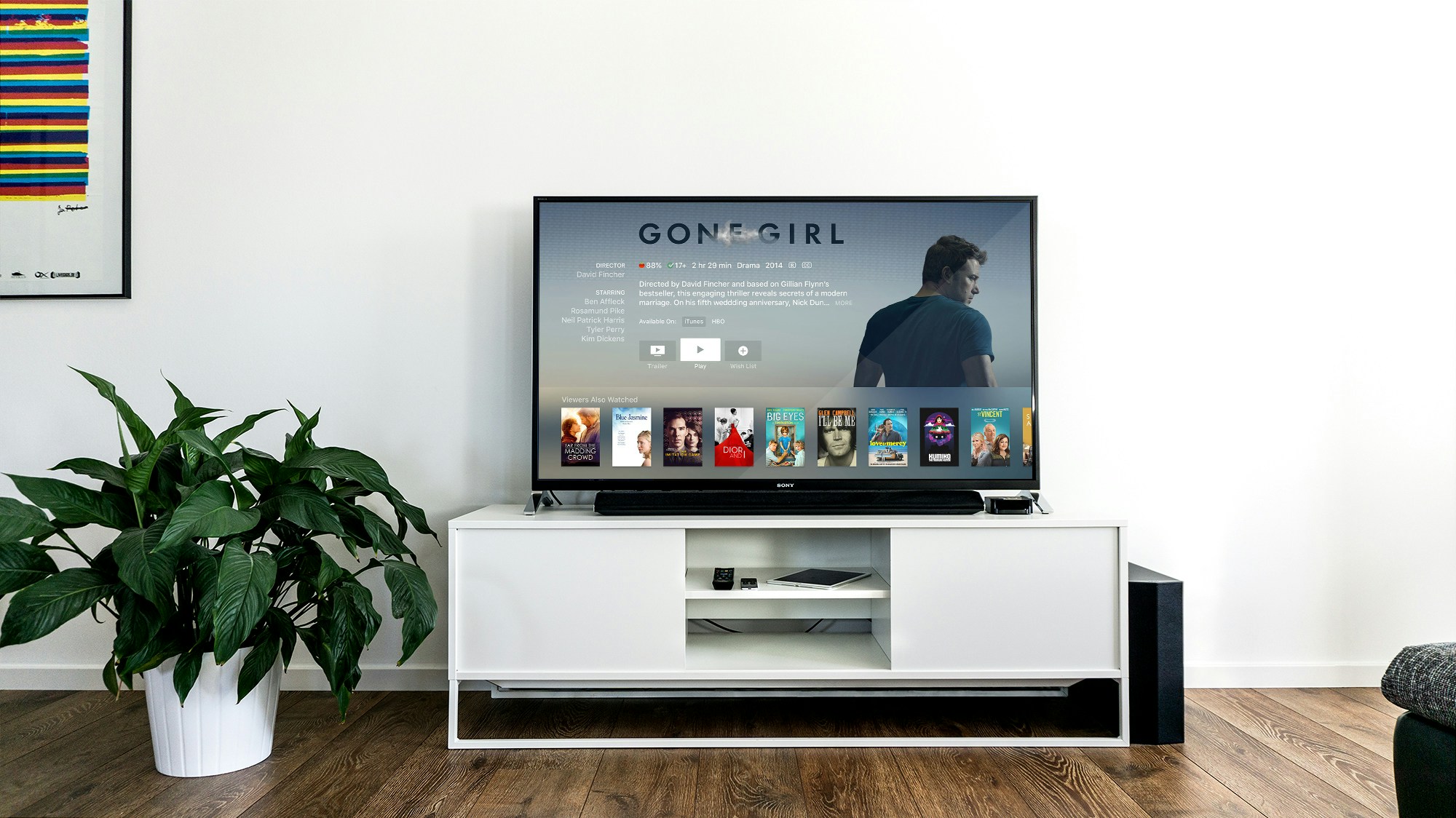
So, which TV brand should you choose? The answer depends entirely on your viewing habits and your wallet. If you crave the deepest blacks and the most immersive movie experience, LG and Sony are your best bets, with their OLED dominance and superior processing. If you live in a sun-drenched living room and need a TV that can fight glare, Samsung’s Neo QLED technology is the undisputed champion.
But don’t forget the disruptors. TCL and Hisense have proven that you don’t need to spend a fortune to get a fantastic picture. As we mentioned earlier, the “first YouTube video” we referenced highlighted that while budget brands like Insignia can be hit-or-miss, TCL’s QM8 series delivers incredible bang for your buck, and LG’s C series remains the gold standard for overall picture quality at a reasonable price.
The Final Word:
- For the Movie Buff: Go LG OLED.
- For the Gamer: Go LG or Samsung.
- For the Budget Shoper: Go TCL.
- For the Purist: Go Sony.
Remember, the best TV is the one that fits your room, your budget, and your lifestyle. Don’t get lost in the specs; trust your eyes. And if you’re still unsure, remember that a good soundbar can make even a mid-range TV sound like a blockbuster.
🔗 Recommended Links
Ready to upgrade your setup? Check out these top picks and resources:
- 👉 Shop LG OLED TVs: Amazon | Best Buy | LG Official
- 👉 Shop Samsung QLED TVs: Amazon | Best Buy | Samsung Official
- 👉 Shop Sony Bravia TVs: Amazon | Best Buy | Sony Official
- 👉 Shop TCL TVs: Amazon | Best Buy | TCL Official
- 👉 Shop Hisense TVs: Amazon | Best Buy | Hisense Official
- Recommended Reading: The Ultimate Guide to Home Theater
❓ FAQ: Frequently Asked Questions About TV Brands
What should I consider when choosing a TV brand?
Consider your viewing environment (bright vs. dark room), primary content (movies, sports, gaming), and budget. Also, check the smart TV platform to ensure it supports your favorite apps.
Read more about “What should I consider when choosing a TV brand?”
How do budget TV brands compare to premium ones?
Budget brands like TCL and Hisense offer 85-90% of the performance of premium brands like Sony and LG at half the price. The main trade-offs are in motion handling, build quality, and software consistency.
Read more about “🎧 5 Brands with Built-In Soundbars That Actually Sound Great (2026)”
What TV brand has the best smart TV features?
LG’s webOS is widely considered the most intuitive, while Google TV (on Sony and Hisense) offers the most content integration. Roku TV (on TCL) is the simplest and most ad-free.
Read more about “What TV brand has the best smart TV features?”
Are OLED TVs better than LED TVs?
For contrast and black levels, yes, OLED is superior. However, LED/QLED TVs are brighter and better for very sunny rooms. OLEDs also carry a slight (though rare) risk of burn-in.
Read more about “Are OLED TVs better than LED TVs?”
What are the top TV brands?
The top brands currently are LG, Samsung, Sony, TCL, and Hisense.
Read more about “📺 What Is Walmart’s Brand of TV? The 2026 Truth Revealed!”
What are the differences between LED, OLED, and QLED TV brands?
- LED: Standard backlight, good brightness, lower contrast.
- QLED: LED with quantum dots for better color and brightness.
- OLED: Self-emissive pixels for perfect blacks and infinite contrast.
Read more about “🏆 The 10 Most Reliable TV Brands of 2026: Who Actually Lasts?”
How do I choose the best TV brand for my budget and viewing needs?
If you have a tight budget, look at TCL or Hisense. If you want the best picture and have a higher budget, choose LG or Sony. If you need brightness for a sunny room, go Samsung.
Read more about “How do I choose the best TV brand for my budget and viewing needs?”
Which TV brand has the best picture quality in 2024?
LG (OLED) and Sony (OLED/Mini-LED) generally lead in picture quality due to superior processing and panel technology.
Read more about “🏗️ 5 Top Modular TV Manufacturers for 2026: The Ultimate Guide”
What are the most reliable TV brands according to consumer reports?
LG and Samsung consistently rank high for reliability and customer satisfaction. Sony is also known for durability, though it comes at a premium price.
Read more about “👑 Who Is the King of TV Brand? The 2026 Crown Goes to…”
Which TV brand offers the best value for money?
TCL is widely regarded as offering the best value, providing high-end features like Mini-LED and 120Hz at budget-friendly prices.
Read more about “🏆 5 Best Cheap TVs of 2026: The Ultimate Budget Guide”
Are Samsung and LG TVs better than Sony?
Samsung and LG often offer better gaming features and brightness (Samsung) or contrast (LG). Sony excels in motion handling and color accuracy, making it a favorite for cinephiles.
Read more about “🏆 Is TCL TV Better? The 2026 Verdict (Top 10 Reasons)”
What is the difference between OLED and QLED TV brands?
OLED uses organic pixels that turn off completely for perfect blacks. QLED uses a backlight with a quantum dot layer to boost color and brightness but cannot achieve perfect blacks.
Read more about “🏆 Top 7 Value Focused TV Brands That Actually Deliver (2026)”
Which TV brand has the best smart TV operating system?
LG’s webOS is praised for its ease of use and Magic Remote. Google TV is great for content discovery, and Roku is the simplest.
Read more about “🏆 Roku vs. Vizio: Which TV is Better in 2026?”
Do TV brands differ significantly in gaming performance?
Yes. LG and Samsung lead with 4x HDMI 2.1 ports and 14Hz support. Sony is excellent for PS5 integration but sometimes lacks full 4x 2.1 ports on mid-range models.
Read more about “🤫 Why Is Hisense So Cheap? The 6 Secrets Behind the Low Price (2026)”
Which budget TV brands offer the best features?
TCL and Hisense offer the best features in the budget category, including Mini-LED, 120Hz, and Dolby Vision.
Read more about “🏆 7 Best TVs Under $50 for 2026: The Ultimate Budget Guide”
📚 Reference Links
- Samsung: Samsung Official Website
- LG: LG Official Website
- Sony: Sony Official Website
- TCL: TCL Official Website
- Hisense: Hisense Official Website
- Vizio: Vizio Official Website
- Best Buy: TVs: Televisions & HDTVs
- Wikipedia: List of television manufacturers