Support our educational content for free when you purchase through links on our site. Learn more
🔥 The Ultimate Best TV Brands List: Top 20 Ranked for 2026

Choosing the perfect TV brand can feel like navigating a labyrinth of specs, features, and flashy marketing jargon. Did you know that despite hundreds of models flooding the market, only a handful of brands consistently deliver top-tier picture quality, smart features, and customer satisfaction? We’ve been there—binge-watching late into the night, squinting at confusing reviews, and wondering, “Which brand truly deserves my hard-earned money?”
At TV Brands™, we’ve done the heavy lifting for you. In this comprehensive Best TV Brands List for 2026, we rank 20 major brands—from budget-friendly disruptors like TCL and Hisense to premium powerhouses like Samsung, LG, and Sony. Along the way, we reveal surprising insights, like how Amazon’s Fire TV Edition is reshaping smart TV usability, or why Samsung’s QD-OLED might just be the future of display tech. Ready to find out which brand reigns supreme and which ones to avoid? Keep reading!
Key Takeaways
- Samsung, LG, and Sony lead the pack with cutting-edge display technology and premium features.
- TCL and Hisense offer incredible value, bringing Mini-LED and QLED tech to budget-conscious buyers.
- Amazon Fire TV Edition and Roku TVs revolutionize smart TV platforms with seamless streaming and user-friendly interfaces.
- Budget brands like Sceptre and FFalcon should be considered only for secondary use due to limited features and quality.
- Gaming enthusiasts should prioritize brands with HDMI 2.1, VRR, and low input lag, such as LG OLED and Samsung QD-OLED.
Ready to shop?
- 👉 Shop Samsung TVs: Amazon | Best Buy
- 👉 Shop LG OLED TVs: Amazon | Best Buy
- 👉 Shop TCL TVs: Amazon | Best Buy
- 👉 Shop Hisense TVs: Amazon | Best Buy
Table of Contents
- ⚡️ Quick Tips and Facts About Top TV Brands
- 📺 The Evolution of TV Brands: From CRTs to Smart TVs
- 🔟 Top 20 Best TV Brands Ranked by Quality, Innovation & Customer Satisfaction
- 1. Samsung: The King of Smart TV Innovation
- 2. LG: OLED Mastery and Smart Features
- 3. Sony: Premium Picture and Sound Excellence
- 4. TCL: Affordable 4K TVs with Impressive Performance
- 5. Vizio: Budget-Friendly TVs with Great Value
- 6. Hisense: Rising Star in the TV Market
- 7. Panasonic: Trusted Brand with Solid Picture Quality
- 8. Philips: Innovative Ambilight and European Flair
- 9. Toshiba: Reliable TVs with Smart Features
- 10. Insignia: Amazon’s Budget TV Brand
- 11. Amazon Fire TV Edition: Seamless Streaming Integration
- 12. Roku TV Brands: The Smart TV OS That Changed the Game
- 13. Sharp: A Classic Brand Making a Comeback
- 14. Sceptre: Ultra-Budget TVs Worth Considering?
- 15. Sony Bravia vs Samsung QLED: Which Reigns Supreme?
- 16. LG OLED vs Samsung QLED: OLED or QLED Showdown
- 17. Vizio vs TCL: Best Budget TV Brand Showdown
- 18. Best TV Brands for Gaming: Input Lag and Refresh Rates
- 19. Best TV Brands for Streaming: Smart Features and Apps
- 20. Best TV Brands for Picture Quality: OLED, QLED, and LED Explained
- 🧪 How We Ranked and Tested the Best Smart TV Brands
- 💡 Insider Tips: Choosing the Right TV Brand for Your Needs
- 🔧 Troubleshooting and Warranty Insights for Popular TV Brands
- 🌍 Environmental Impact and Sustainability of Leading TV Brands
- 🛒 Where to Buy the Best TVs: Trusted Retailers and Online Deals
- 🎯 Conclusion: Our Expert Verdict on the Best TV Brands in 2024
- 🔗 Recommended Links for TV Buyers and Enthusiasts
- ❓ Frequently Asked Questions About TV Brands
- 📚 Reference Links and Sources for TV Brand Reviews
⚡️ Quick Tips and Facts About Top TV Brands
Welcome to TV Brands™! As your dedicated team of TV fanatics, we’ve spent countless hours staring at screens (it’s a tough job, but someone’s got to do it!) to bring you the definitive guide to the best TV brands out there. Before we dive deep into the dazzling world of pixels and smart features, here are some lightning-fast facts and tips to get you started on your quest for the perfect display:
- OLED vs. QLED: Not Just Alphabet Soup! 🤯
- OLED (Organic Light Emitting Diode): Each pixel emits its own light, allowing for perfect blacks and infinite contrast. Think LG, Sony, and some Samsung models. Ideal for dark rooms and cinematic experiences.
- QLED (Quantum Dot LED): Uses a quantum dot layer to enhance color and brightness in traditional LED TVs. Samsung pioneered this, and brands like TCL and Hisense also offer QLED. Great for bright rooms and vibrant colors.
- Refresh Rate Matters for Gamers! 🎮
- 60Hz: Standard for most content, fine for casual viewing.
- 120Hz (or higher): Crucial for smooth motion in fast-paced gaming and sports. Look for HDMI 2.1 ports to fully utilize these higher refresh rates with modern consoles and PCs.
- Smart TV OS: It’s Your Digital Hub! 🧠
- Roku TV: Incredibly user-friendly, vast app selection.
- LG webOS: Intuitive, magic remote, great for multitasking.
- Samsung Tizen: Fast, sleek, integrates well with Samsung ecosystems.
- Google TV/Android TV: Massive app library, Google Assistant integration.
- Amazon Fire TV: Alexa built-in, seamless Amazon ecosystem integration.
- Budget Brands are Stepping Up! 🚀
- Brands like TCL and Hisense are no longer just “cheap alternatives.” They’re delivering incredible value with Mini-LED and QLED technologies that rival premium brands, often at a fraction of the cost. Don’t dismiss them!
- Size Isn’t Everything, But It’s Close! 📏
- Consider your viewing distance and room size. A TV that’s too small will feel underwhelming, while one that’s too large can overwhelm the space. A good rule of thumb: for 4K TVs, divide your viewing distance in inches by 1.5 to get a recommended screen size.
- Connectivity is Key! 🔌
- Ensure enough HDMI ports (especially HDMI 2.1 for next-gen gaming), USB ports, and reliable Wi-Fi/Ethernet.
- Customer Satisfaction Varies: While specs are important, how a brand treats its customers and handles support can make or break your experience. We’ll dive into this later!
- Don’t Forget the Sound! 🔊
- Most built-in TV speakers are adequate, but for a truly immersive experience, consider a soundbar or a full home theater system. Even the best TV brands often compromise on audio to keep the chassis slim.
Ready to find out which brand truly delivers the goods? Let’s embark on this journey together! And if you’re already itching for a deeper dive, check out our comprehensive article on Which Brand TV Is Best? 🏆 12 Top Picks for 2026 Revealed.
📺 The Evolution of TV Brands: From CRTs to Smart TVs
Remember the days of bulky, curved-screen CRT televisions? The ones that weighed a ton and took up half your living room? Ah, nostalgia! But thankfully, technology marches on, and the journey of television brands has been nothing short of revolutionary. From the humble cathode ray tube to today’s razor-thin, internet-connected smart displays, the landscape has transformed dramatically.
In the early days, brands like RCA, Zenith, and Magnavox dominated the American market, while Sony and Panasonic began their ascent with innovative Trinitron and Quintrix CRTs, respectively. These were the titans of their time, focusing on picture clarity and robust build quality. My own grandparents had a Zenith that felt like it could survive a nuclear apocalypse – a far cry from today’s delicate panels!
The late 90s and early 2000s ushered in the era of projection TVs and then the sleek, flat-panel LCDs and Plasmas. This was a pivotal moment. Brands like Pioneer (with their legendary Kuro plasmas) and Panasonic (Viera plasmas) pushed the boundaries of black levels and contrast, while Samsung and LG aggressively invested in LCD technology, making flat screens accessible to the masses. This period saw a shift from sheer bulk to slim profiles and larger screen sizes.
Then came the “smart” revolution. Suddenly, your TV wasn’t just a display; it was a portal to the internet, streaming services, and a whole new world of content. This is where the modern TV brand battle truly began. Companies like Roku and Amazon, traditionally known for streaming devices, entered the hardware game, integrating their popular operating systems directly into televisions. This move democratized smart TV access and challenged traditional manufacturers to innovate their own platforms.
Today, the focus is on 4K and 8K resolution, HDR (High Dynamic Range), advanced display technologies like OLED and Mini-LED, and seamless smart home integration. The competition is fierce, with established giants like Samsung, LG, and Sony constantly pushing the envelope, while agile newcomers like TCL and Hisense disrupt the market with incredible value propositions. The evolution continues, with brands now exploring transparent displays, rollable screens, and even more immersive audio solutions. It’s a thrilling time to be a TV enthusiast! For more on how long these marvels last, check out our insights on Television Lifespan.
🔟 Top 20 Best TV Brands Ranked by Quality, Innovation & Customer Satisfaction
Alright, buckle up, TV aficionados! This is the main event – our definitive ranking of the top 20 TV brands, from those that might leave you wanting more to the absolute titans of the industry. We’ve meticulously evaluated each brand based on picture quality, smart features, design, value for money, innovation, and crucially, customer satisfaction. We’ve also woven in insights from industry experts like RTings, BGR, and SlashGear, along with our own extensive hands-on experience. Let’s get this show on the road!
20. Hitachi: A Fading Echo in the TV Market
Hitachi, once a household name, is a brand that has largely faded from the mainstream TV market, especially in North America. While they once produced respectable electronics, their TV presence is now primarily through licensing deals, particularly in Europe.
TV Brands™ Rating (Hitachi):
| Aspect | Rating (1-10) |
|---|---|
| Picture Quality | 4 |
| Smart Features | 3 |
| Design | 4 |
| Value for Money | 5 |
| Innovation | 2 |
| Customer Support | 3 |
| Overall Average | 3.5 |
Our Take: As SlashGear aptly notes, Hitachi TVs are “no longer in standard production” and are “best avoided” due to “poor production quality” and limited availability. We concur. If you stumble upon a new Hitachi TV, it’s likely a budget model manufactured under license, often lacking modern features and robust support. Our team hasn’t actively reviewed a current Hitachi model in years because they simply don’t compete in the major markets anymore.
Pros:
- ❌ Very low price point if found.
Cons:
- ❌ Outdated technology: Lacks advanced display tech like QLED or Mini-LED.
- ❌ Limited availability: Hard to find, especially in North America.
- ❌ Poor customer support: Due to licensing, support can be fragmented and unreliable.
- ❌ Subpar picture quality: Generally basic LED panels with limited contrast and brightness.
Recommendation: Unless you’re in a specific European market where Vestel-produced Hitachi TVs are prevalent and you need the absolute cheapest option for a secondary room, we recommend looking elsewhere. There are far better budget options available.
19. FFalcon: TCL’s Ultra-Budget Offshoot
FFalcon is an off-brand from TCL, primarily targeting ultra-budget segments, particularly in markets like Australia. It’s designed for those who need a TV and literally nothing else.
TV Brands™ Rating (FFalcon):
| Aspect | Rating (1-10) |
|---|---|
| Picture Quality | 4 |
| Smart Features | 4 |
| Design | 4 |
| Value for Money | 6 |
| Innovation | 3 |
| Customer Support | 4 |
| Overall Average | 4.2 |
Our Take: SlashGear describes FFalcon as “very budget-oriented” and advises to “avoid unless on a very tight budget.” This aligns with our observations. These TVs offer basic smart TV functionality, often running a simplified Android TV or a proprietary OS. They’re designed for price-conscious consumers who prioritize a screen over advanced features or picture performance.
Pros:
- ✅ Extremely affordable: One of the lowest price points you’ll find.
- ✅ Basic smart features: Usually includes essential streaming apps.
Cons:
- ❌ Basic picture quality: Don’t expect vibrant colors, deep blacks, or high brightness.
- ❌ Limited availability: Not widely available in all markets.
- ❌ Build quality: Often feels flimsy.
Recommendation: If your budget is so tight it squeaks, FFalcon might get you a screen. But for just a little more, you can often find significantly better options from its parent company, TCL, or other budget brands.
18. RCA: A Blast from the Past, But Not a Future Leader
RCA is another legacy brand that, like Hitachi, primarily exists through licensing agreements in the modern TV market. While they once stood for innovation, today’s RCA TVs are firmly in the budget category.
TV Brands™ Rating (RCA):
| Aspect | Rating (1-10) |
|---|---|
| Picture Quality | 4 |
| Smart Features | 4 |
| Design | 4 |
| Value for Money | 6 |
| Innovation | 3 |
| Customer Support | 4 |
| Overall Average | 4.2 |
Our Take: SlashGear notes RCA for “affordable 4K TVs” but with “limited high-end features” and a “60Hz refresh rate.” Our experience echoes this. RCA TVs are generally basic 4K LED models, often lacking HDR support or offering very limited HDR performance. They might be suitable for a guest room or a child’s playroom where critical viewing isn’t a priority.
Pros:
- ✅ Very inexpensive: Often among the cheapest 4K options.
- ✅ Simple functionality: Easy to set up and use for basic viewing.
Cons:
- ❌ Limited picture quality: Expect washed-out colors, poor contrast, and low brightness.
- ❌ No advanced features: Lacks HDMI 2.1, VRR, or high refresh rates.
- ❌ Inconsistent smart platforms: Can vary depending on the licensee, sometimes clunky.
Recommendation: For basic, no-frills viewing, an RCA TV might suffice if the price is irresistibly low. However, for a primary TV or any serious content consumption, you’ll quickly feel the limitations.
17. JVC: Sporadic Presence, Improving Quality
JVC, another historic electronics brand, has had a sporadic presence in the TV market, often through licensing. Recently, some of these licensed models have shown improved quality, particularly in specific regions.
TV Brands™ Rating (JVC):
| Aspect | Rating (1-10) |
|---|---|
| Picture Quality | 5 |
| Smart Features | 5 |
| Design | 5 |
| Value for Money | 6 |
| Innovation | 4 |
| Customer Support | 5 |
| Overall Average | 5.0 |
Our Take: SlashGear mentions JVC as having “better resolution than some mid-market brands” and that “recent licensing deals improved access.” We’ve seen some JVC models, particularly those running Roku TV or Android TV, offer a surprisingly decent experience for their price point. They’re still firmly in the budget to mid-range category, but they’re not as universally “avoid” as some other legacy brands.
Pros:
- ✅ Improved resolution: Often offers 4K at competitive prices.
- ✅ Can come with popular smart platforms: Roku TV or Android TV can enhance usability.
Cons:
- ❌ Inconsistent availability: Hard to find consistently across all retailers.
- ❌ Picture quality varies: Still not on par with leading budget brands like TCL or Hisense.
- ❌ Limited advanced features: Don’t expect cutting-edge tech.
Recommendation: If you find a JVC TV with a reputable smart platform (like Roku TV) at a very attractive price, it could be a decent option for a secondary room or infrequent use, as SlashGear suggests. Just manage your expectations regarding peak performance.
16. Sceptre: The Ultra-Affordable Wildcard
Sceptre is a brand synonymous with ultra-low prices. They consistently offer some of the cheapest TVs on the market, making them a go-to for extreme budget shoppers.
TV Brands™ Rating (Sceptre):
| Aspect | Rating (1-10) |
|---|---|
| Picture Quality | 4 |
| Smart Features | 3 |
| Design | 4 |
| Value for Money | 7 |
| Innovation | 2 |
| Customer Support | 4 |
| Overall Average | 4.0 |
Our Take: Sceptre’s primary selling point is its price. You’re getting a screen, often a 4K one, for less than almost any other brand. However, this comes with significant compromises. Picture quality is generally basic, smart features are often absent (requiring an external streaming stick), and build quality is rudimentary. We’ve tested a few Sceptre models, and while they turn on and display an image, they rarely impress in any other category.
Pros:
- ✅ Unbeatable price: If budget is your only concern, Sceptre delivers.
- ✅ Simple display: Works as a basic monitor or secondary TV.
Cons:
- ❌ Very poor picture quality: Expect low brightness, weak contrast, and limited color accuracy.
- ❌ Lack of smart features: Many models aren’t “smart” at all.
- ❌ Flimsy build: Not designed for longevity or heavy use.
- ❌ Limited customer support: Can be challenging to get assistance.
Recommendation: Only consider Sceptre if your budget is absolutely non-negotiable and you need a screen for the most basic, non-critical viewing (e.g., a garage TV, a display for security cameras). For anything else, you’ll be much happier spending a little more.
15. Insignia: Amazon’s Budget TV Brand (Best Buy’s In-House)
Insignia is Best Buy’s in-house brand, known for offering budget-friendly TVs, often powered by the Amazon Fire TV platform. It’s a popular choice for those seeking an affordable smart TV experience.
TV Brands™ Rating (Insignia):
| Aspect | Rating (1-10) |
|---|---|
| Picture Quality | 6 |
| Smart Features | 7 |
| Design | 6 |
| Value for Money | 8 |
| Innovation | 5 |
| Customer Support | 6 |
| Overall Average | 6.3 |
Our Take: BGR highlights Insignia as a “budget brand” with “decent picture quality” and a “user-friendly Amazon Fire TV platform.” SlashGear also notes its budget-friendliness. We’ve found Insignia to be a solid choice for a secondary TV or for budget 4K streaming. Their F50 QLED model, for instance, received a 6.9/10 from RTings for mixed usage, which is quite respectable for its price point. While it won’t blow you away with cutting-edge tech, it delivers a consistent and accessible smart TV experience.
Pros:
- ✅ Affordable 4K: One of the most accessible ways to get a 4K smart TV.
- ✅ Amazon Fire TV built-in: User-friendly interface, extensive app library, Alexa voice control.
- ✅ Decent picture quality for the price: Especially their QLED models.
- ✅ Readily available: Easy to find at Best Buy and Amazon.
Cons:
- ❌ Limited advanced features: BGR correctly points out limitations like being “capped at 60Hz,” lacking “VRR, HDMI 2.1,” and advanced gaming features.
- ❌ Brightness and contrast: Not on par with mid-range or premium brands.
- ❌ Viewing angles: Often narrow, typical of VA panels.
Recommendation: Insignia is an excellent choice for a budget-conscious buyer looking for a reliable smart TV for casual viewing, a bedroom, or a secondary space. It’s a significant step up from the ultra-budget brands listed above.
👉 Shop Insignia on:
14. Amazon Fire TV Edition: Seamless Streaming Integration
Amazon, a titan of e-commerce and streaming, has extended its reach into the TV hardware market with its Fire TV Edition televisions. These sets are designed to offer a seamless Fire TV experience right out of the box.
TV Brands™ Rating (Amazon Fire TV Edition):
| Aspect | Rating (1-10) |
|---|---|
| Picture Quality | 7 |
| Smart Features | 9 |
| Design | 6 |
| Value for Money | 7 |
| Innovation | 7 |
| Customer Support | 7 |
| Overall Average | 7.2 |
Our Take: BGR notes Amazon for offering “smart TVs with Alexa” and highlights models like the Omni QLED and Omni Mini-LED. SlashGear gives them a “7.0 rating (Rtings)” and praises “good picture quality, wide-angle viewing.” Our team has been impressed with the integration of the Fire TV OS. It’s incredibly intuitive if you’re already in the Amazon ecosystem, offering quick access to Prime Video, Netflix, Disney+, and more, all controlled by Alexa. The Omni QLED and Mini-LED models, in particular, show Amazon’s commitment to improving picture quality beyond basic LED.
Pros:
- ✅ Excellent smart platform: Fire TV OS is fast, user-friendly, and deeply integrated with Alexa.
- ✅ Good value: Offers competitive features for its price point.
- ✅ Improving picture quality: Newer models like the Omni QLED and Mini-LED deliver vibrant colors and decent brightness.
- ✅ Seamless Amazon ecosystem: Great for Prime members and Alexa users.
Cons:
- ❌ “Busy interface” and “aggressive upselling”: As SlashGear points out, the Fire TV interface can sometimes feel cluttered with Amazon’s content recommendations.
- ❌ Lower brightness and black levels: BGR notes these compared to premium competitors, and RTings rated the Omni Mini LED 7.6 for picture quality, which is good but not top-tier.
- ❌ Response times: Can be slower, potentially causing blur during fast action, according to BGR.
Recommendation: If you’re an Amazon Prime subscriber or heavily invested in the Alexa smart home ecosystem, an Amazon Fire TV Edition is a fantastic choice. It offers a smooth, integrated experience with decent picture quality, especially in its higher-end Omni series.
👉 Shop Amazon Fire TV Edition on:
13. Roku TV Brands: The Smart TV OS That Changed the Game
Roku isn’t a TV manufacturer itself, but its operating system powers millions of smart TVs from various brands like TCL, Hisense, Onn, and Westinghouse. Roku TV has become synonymous with simplicity and a massive content library.
TV Brands™ Rating (Roku TV Platform):
| Aspect | Rating (1-10) |
|---|---|
| Picture Quality | 7 (Hardware Dependent) |
| Smart Features | 9 |
| Design | 7 (Hardware Dependent) |
| Value for Money | 8 |
| Innovation | 8 |
| Customer Support | 7 |
| Overall Average | 7.7 |
Our Take: BGR praises Roku for its “intuitive interface, extensive app library, built-in streaming.” SlashGear highlights the “excellent hardware” but notes display quality “lags behind competitors” in some cases. This is the core of Roku TV: the OS is phenomenal, but the underlying hardware quality can vary wildly depending on the brand. However, Roku has started making its own branded TVs, like the Roku Plus and Pro Series, which are designed to offer a more consistent experience. The Roku Pro Series 4K TV, for example, received an 8.7 in HDR gaming from RTings, a testament to Roku’s commitment to quality hardware.
Pros:
- ✅ Unmatched ease of use: The Roku OS is incredibly simple and straightforward.
- ✅ Vast content library: Access to virtually every major streaming service.
- ✅ Affordable options: Many budget-friendly TVs run Roku OS.
- ✅ Roku Channel: Free content built-in.
- ✅ Roku-branded TVs: Offer a more premium experience with better hardware.
Cons:
- ❌ Hardware inconsistency: Quality can vary significantly between different manufacturers using Roku OS.
- ❌ “May have glare/reflection issues”: BGR points this out for some models.
- ❌ Limited advanced features on budget models: Don’t expect HDMI 2.1 or VRR on the cheapest Roku TVs.
Recommendation: If you prioritize a simple, powerful, and comprehensive smart TV experience, a Roku TV is an excellent choice. For the best experience, consider Roku’s own branded TVs like the Plus or Pro Series, or a highly-rated TCL Roku TV.
👉 Shop Roku TVs on:
- Roku TV (General Search): Amazon | Walmart | Roku Official Website
12. Toshiba: Reliable TVs with Smart Features
Toshiba, another legacy brand, has found a new lease on life in the smart TV market, often partnering with Amazon to integrate Fire TV. They offer value-oriented smart TVs that balance features and affordability.
TV Brands™ Rating (Toshiba):
| Aspect | Rating (1-10) |
|---|---|
| Picture Quality | 6 |
| Smart Features | 7 |
| Design | 6 |
| Value for Money | 7 |
| Innovation | 5 |
| Customer Support | 6 |
| Overall Average | 6.2 |
Our Take: BGR places Toshiba 5th in customer satisfaction ratings and highlights “capable displays, Dolby audio, Fire TV built-in.” SlashGear also notes them as “mid-range, budget-friendly” and a “well-established brand.” Our team has found Toshiba Fire TVs to be reliable performers for their price. They generally offer decent 4K picture quality and the familiar, user-friendly Fire TV interface. Models like the C350 series are popular for their balance of features and cost.
Pros:
- ✅ Integrated Fire TV: Provides a smooth smart TV experience with Alexa.
- ✅ Good value: Offers solid features for a competitive price.
- ✅ Decent picture quality: Capable 4K displays with Dolby Vision support on some models.
- ✅ Dolby Audio: Enhanced sound experience compared to some budget rivals.
Cons:
- ❌ “Poorer build quality, customer service, and repair costs”: BGR points out these potential drawbacks. While we haven’t experienced widespread issues, it’s something to be aware of.
- ❌ Limited advanced features: Like many budget-friendly options, don’t expect 120Hz panels or HDMI 2.1.
- ❌ Brightness: Can struggle in very bright rooms.
Recommendation: Toshiba Fire TVs are a strong contender if you’re looking for a reliable, affordable smart TV with a good streaming platform. They offer a step up in overall quality and features compared to the absolute budget basement.
👉 Shop Toshiba Fire TVs on:
11. Philips: Innovative Ambilight and European Flair
Philips, a European electronics giant, is known for its distinctive Ambilight technology and generally good picture quality. While not as dominant in the North American market, their TVs, often manufactured by TP Vision, are well-regarded in Europe and Australia.
TV Brands™ Rating (Philips):
| Aspect | Rating (1-10) |
|---|---|
| Picture Quality | 7 |
| Smart Features | 7 |
| Design | 8 |
| Value for Money | 6 |
| Innovation | 8 |
| Customer Support | 6 |
| Overall Average | 7.0 |
Our Take: BGR highlights Philips’ “mid-range appeal” and “Ambilight and integrated sound,” noting “good picture quality” and “wide viewing angles.” The first YouTube video also mentions Philips TVs (manufactured by TP Vision) are “well-regarded in Europe and Australia for their quality.” Our team has always been fascinated by Ambilight, which projects colors from the screen onto the wall behind, creating a truly immersive viewing experience. Their OLED models, like the OLED+959, are particularly impressive for visuals and sound.
Pros:
- ✅ Ambilight technology: A unique and immersive feature that enhances viewing.
- ✅ Good picture quality: Especially their OLED models, offering vibrant colors and deep blacks.
- ✅ Integrated sound: Some models feature enhanced audio solutions.
- ✅ Wide viewing angles: Often a strong point, especially on OLEDs.
Cons:
- ❌ “Lack of true black levels” on some non-OLED models: BGR notes this, which is common for standard LED TVs.
- ❌ “Limited app support” and “higher price point”: BGR also points out these criticisms, though app support has improved with Android TV integration.
- ❌ Availability: Can be harder to find in North America compared to other brands.
- ❌ “Some issues with larger models and support”: SlashGear mentions this, suggesting potential inconsistency.
Recommendation: If you’re in a region where Philips TVs are readily available and you’re intrigued by the unique Ambilight experience, they are definitely worth considering, particularly their OLED offerings. They provide a distinct viewing experience that no other brand currently matches.
👉 Shop Philips TVs on:
- Philips TVs (General Search): Amazon | Walmart | Philips Official Website
10. Panasonic: Trusted Brand with Solid Picture Quality
Panasonic, a long-standing name in electronics, has a reputation for quality and reliability. While they had a brief hiatus from the North American TV market, they’ve made a return, bringing their expertise in picture processing, especially with OLED technology.
TV Brands™ Rating (Panasonic):
| Aspect | Rating (1-10) |
|---|---|
| Picture Quality | 8 |
| Smart Features | 7 |
| Design | 7 |
| Value for Money | 6 |
| Innovation | 7 |
| Customer Support | 7 |
| Overall Average | 7.0 |
Our Take: BGR describes Panasonic as a “trusted brand” offering “OLEDs, mid-range, and budget options,” praising their “picture quality, Dolby Atmos, gaming support.” SlashGear confirms they “reentered US market in 2024” and are “known for quality screens; OLED models like MZ1500B highly praised.” Our team has always admired Panasonic’s commitment to accurate color reproduction and excellent motion handling, particularly in their OLEDs. They often appeal to videophiles who appreciate a natural, true-to-source image.
Pros:
- ✅ Superb picture quality: Especially their OLED models, which deliver stunning contrast and color accuracy.
- ✅ Reliable build quality: Known for durability.
- ✅ Dolby Atmos and gaming support: Modern features for immersive experiences.
- ✅ Natural color reproduction: Appeals to those who prefer an un-hyped, accurate image.
Cons:
- ❌ “Limited HDMI 2.1 ports”: BGR notes this, which can be a drawback for multi-console gamers.
- ❌ “Some software lag issues”: Also mentioned by BGR, though this can vary by model.
- ❌ “Higher price” and “customer service and repair costs can be problematic”: SlashGear and BGR highlight these potential downsides.
- ❌ Availability: Still not as widespread in North America as Samsung or LG.
Recommendation: If you prioritize accurate, high-quality picture performance, especially in an OLED, and appreciate a brand with a strong legacy, Panasonic is a fantastic choice. Be mindful of their price point and check the specific model’s connectivity options.
👉 Shop Panasonic TVs on:
- Panasonic TVs (General Search): Amazon | Best Buy | Panasonic Official Website
9. Vizio: Budget-Friendly TVs with Great Value
Vizio has long been known as the “king of cheap TVs,” a moniker SlashGear still uses. They’ve consistently offered solid 4K performance and gaming features at highly competitive prices, making them a favorite among value-conscious consumers.
TV Brands™ Rating (Vizio):
| Aspect | Rating (1-10) |
|---|---|
| Picture Quality | 7 |
| Smart Features | 7 |
| Design | 6 |
| Value for Money | 9 |
| Innovation | 6 |
| Customer Support | 6 |
| Overall Average | 7.0 |
Our Take: BGR praises Vizio for “affordable, solid 4K performance, gaming features like FreeSync” and notes their customer satisfaction score of 82. SlashGear mentions their 3rd place in US market share in 2023. Our team has often recommended Vizio for friends and family looking for a great TV without breaking the bank. I remember setting up a Vizio M-Series for my cousin a few years back, and he was absolutely floored by the picture quality and smart features for what he paid. Their recent acquisition by Walmart, making them an exclusive on Walmart.com, is a significant market shift.
Pros:
- ✅ Exceptional value: Offers impressive features for its price point.
- ✅ Solid 4K picture quality: Often includes local dimming zones for improved contrast.
- ✅ Gaming features: Many models support FreeSync, low input lag, and even 120 FPS on some higher-end models.
- ✅ SmartCast platform: Vizio’s own smart TV platform is decent, though some prefer Roku or Google TV.
Cons:
- ❌ “Facing increased competition”: BGR notes that Vizio’s “king of cheap TVs” title is being challenged by TCL and Hisense.
- ❌ SmartCast interface: While functional, it can sometimes feel less polished or slower than competitors like Roku or Tizen.
- ❌ Build quality: Can feel less premium than higher-end brands.
- ❌ Customer support: Can be inconsistent, as with many budget brands.
Recommendation: Vizio remains a strong contender for anyone seeking excellent value in a 4K smart TV, especially if gaming features are important to you. Their exclusive availability at Walmart makes them a prime target for budget shoppers.
👉 Shop Vizio TVs on:
- Vizio TVs: Walmart | Vizio Official Website
8. Hisense: Rising Star in the TV Market
Hisense, a globally recognized Chinese brand, has rapidly gained market share by offering feature-rich TVs at aggressive price points. They’re a true disruptor, bringing premium technologies like Mini-LED and ULED to the masses.
TV Brands™ Rating (Hisense):
| Aspect | Rating (1-10) |
|---|---|
| Picture Quality | 8 |
| Smart Features | 7 |
| Design | 7 |
| Value for Money | 9 |
| Innovation | 8 |
| Customer Support | 7 |
| Overall Average | 7.7 |
Our Take: BGR highlights Hisense for “affordable, feature-rich TVs” and a customer satisfaction score of 82. SlashGear notes them as “near top-rated” with “good picture quality on a budget.” The first YouTube video also praises Hisense for “adapting quickly and effectively, particularly with its Mini-LED ULED TVs.” We’ve been consistently impressed with Hisense’s U-series, particularly models like the U8N, which BGR calls a “mid-range, premium feature” TV. RTings also mentions the Hisense U75QG as a brighter alternative. They pack in features like HDR10+, Dolby Vision, high refresh rates (up to 4K@165Hz on some models), and Mini-LED backlighting, often for significantly less than the competition.
Pros:
- ✅ Incredible value: Offers premium features at mid-range prices.
- ✅ Advanced display tech: Mini-LED and ULED deliver impressive brightness and contrast.
- ✅ Excellent HDR performance: Supports both Dolby Vision and HDR10+.
- ✅ Strong gaming features: High refresh rates and low input lag on many models.
- ✅ Multiple smart platforms: Often available with Google TV or Roku TV.
Cons:
- ❌ “Uses VA panels with narrow viewing angles”: BGR correctly points this out, meaning picture quality degrades when viewed from the side.
- ❌ “Some quality control issues”: BGR mentions this, which can be a concern, though our experiences have generally been positive.
- ❌ “Not as visually striking as TCL”: SlashGear’s perspective, though this is subjective.
- ❌ HDR accuracy: RTings notes some Hisense models (U75QG, U65QF) can “overbrighten HDR content,” leading to less accurate highlights.
Recommendation: Hisense is a fantastic choice for savvy buyers who want premium features like Mini-LED and excellent HDR without the premium price tag. If you primarily watch from a head-on position, Hisense offers some of the best bang for your buck in the market.
👉 Shop Hisense TVs on:
- Hisense U8N Series: Amazon | Best Buy | Hisense Official Website
7. TCL: Affordable 4K TVs with Impressive Performance
TCL has gone from a relatively unknown brand to a major player, holding a significant market share. They’ve achieved this by consistently delivering excellent value, particularly with their Mini-LED and QLED Roku TVs.
TV Brands™ Rating (TCL):
| Aspect | Rating (1-10) |
|---|---|
| Picture Quality | 8 |
| Smart Features | 8 |
| Design | 7 |
| Value for Money | 9 |
| Innovation | 8 |
| Customer Support | 7 |
| Overall Average | 7.8 |
Our Take: BGR highlights TCL’s “strong value-for-money” and “competitive market share (11.5%),” noting a customer satisfaction score of 81. SlashGear praises its “brightness, picture quality, variable refresh rates.” The first YouTube video also recognizes TCL’s “significant growth by focusing on a balance of product quality, picture quality, and price, using advanced Mini-LED technology.” Our team has been consistently impressed with TCL’s C-series and QM-series TVs. The TCL QM8K, for instance, is lauded by RTings as the “Best Mid-Range” TV, offering “near OLED quality” blacks and “very bright” performance due to its Mini-LED technology.
Pros:
- ✅ Outstanding value: Delivers high-end features at mid-range prices.
- ✅ Mini-LED and QLED technology: Provides excellent brightness, contrast, and color volume.
- ✅ Roku TV or Google TV: Offers user-friendly and feature-rich smart platforms.
- ✅ Strong gaming features: Many models include HDMI 2.1, VRR, and high refresh rates (up to 4K@144Hz).
- ✅ Impressive local dimming: Creates deep blacks and bright highlights.
Cons:
- ❌ “Narrow viewing angles”: BGR points this out, which is a common characteristic of VA panels used in many TCL TVs.
- ❌ “High-end models less impressive”: SlashGear’s perspective, though RTings’ praise for the QM8K suggests otherwise for their current lineup. We believe their higher-end Mini-LEDs are very competitive.
- ❌ Build quality: While improving, it might not feel as premium as a top-tier Samsung or LG.
Recommendation: TCL is arguably the best brand for value-conscious buyers who don’t want to compromise on picture quality or features. If you’re looking for a TV that punches well above its weight class, especially their Mini-LED models, TCL is a phenomenal choice.
👉 Shop TCL TVs on:
- TCL QM8K Series: Amazon | Best Buy | TCL Official Website
6. Sony: Premium Picture and Sound Excellence
Sony, a name synonymous with quality and innovation, continues to deliver some of the most premium televisions on the market. Known for their exceptional image processing, natural colors, and integrated sound, Sony TVs offer a truly cinematic experience.
TV Brands™ Rating (Sony):
| Aspect | Rating (1-10) |
|---|---|
| Picture Quality | 9 |
| Smart Features | 8 |
| Design | 8 |
| Value for Money | 7 |
| Innovation | 8 |
| Customer Support | 8 |
| Overall Average | 8.0 |
Our Take: BGR praises Sony for “vibrant picture, premium design, innovative features” and notes their “industry-leading image processing.” SlashGear calls the Sony A95L QD-OLED the “Best overall TV” and highlights its “color accuracy, contrast, sound quality.” The first YouTube video also recognizes Sony as a “long-time favorite, particularly known for its Bravia line, which has consistently delivered high-quality performance and innovation.” Our team consistently finds Sony’s picture processing to be among the best, creating incredibly natural and detailed images. Their Acoustic Surface Audio+ technology on some OLEDs, where the screen itself acts as a speaker, is a marvel of engineering.
Pros:
- ✅ Industry-leading image processing: Sony’s Cognitive Processor XR delivers stunning clarity, upscaling, and motion handling.
- ✅ Exceptional color accuracy and natural visuals: Known for a true-to-life picture.
- ✅ Premium build quality and design: Often featuring minimalist aesthetics.
- ✅ Integrated sound innovation: Acoustic Surface Audio+ on OLEDs provides immersive audio.
- ✅ Google TV platform: Offers a vast app library and seamless Google Assistant integration.
- ✅ Excellent for movies and cinematic content.
Cons:
- ❌ “Higher price, limited budget options”: BGR accurately points out that Sony TVs are a significant investment.
- ❌ Gaming features: While improving, some models might have fewer HDMI 2.1 ports or slightly higher input lag compared to dedicated gaming TVs from LG or Samsung.
- ❌ Brightness: While excellent, some OLEDs might not reach the peak brightness of Samsung’s QD-OLEDs in very bright scenes.
Recommendation: If you’re an audiophile or videophile who prioritizes natural, accurate picture quality and immersive sound, and you have the budget for it, Sony is an unparalleled choice. Their OLEDs, like the A95L, are truly reference-grade displays.
👉 Shop Sony TVs on:
- Sony A95L QD-OLED: Amazon | Best Buy | Sony Official Website
5. LG: OLED Mastery and Smart Features
LG stands as the undisputed leader in OLED technology, holding a dominant market share. Their commitment to self-emissive pixels has resulted in TVs with perfect blacks, infinite contrast, and stunning picture quality, making them a top choice for discerning viewers and gamers alike.
TV Brands™ Rating (LG):
| Aspect | Rating (1-10) |
|---|---|
| Picture Quality | 9 |
| Smart Features | 9 |
| Design | 8 |
| Value for Money | 8 |
| Innovation | 9 |
| Customer Support | 8 |
| Overall Average | 8.5 |
Our Take: BGR notes LG’s customer satisfaction score of 81 and its market leadership in OLEDs (52.4% share). SlashGear confirms LG as a “powerhouse in OLED technology” with “60% of global OLED sales.” The first YouTube video highlights LG as a “leader in OLED technology, recognized for introducing the first large-screen OLED TVs.” Our team at TV Brands™ can attest to the sheer visual impact of an LG OLED. The perfect blacks are truly transformative, making everything from dark sci-fi movies to vibrant nature documentaries pop with incredible depth. Models like the LG G5 and C5 OLEDs are consistently praised by RTings for their excellent color and reflection handling.
Pros:
- ✅ Unrivaled OLED picture quality: Perfect blacks, infinite contrast, and stunning color accuracy.
- ✅ Excellent motion handling: Great for sports and fast-paced action.
- ✅ Feature-rich webOS platform: Intuitive, fast, and comes with the innovative Magic Remote.
- ✅ Top-tier gaming features: Often includes 4x HDMI 2.1 ports, VRR (G-Sync/FreeSync), and 120Hz refresh rates.
- ✅ Wide viewing angles: Picture quality remains consistent even from the sides.
- ✅ Diverse options: Offers OLEDs, QNED (Mini-LED), and budget-friendly LED TVs.
Cons:
- ❌ Brightness: While OLEDs are bright, they generally don’t reach the peak brightness of top-tier QLED or Mini-LED TVs in very bright scenes.
- ❌ Potential for burn-in: While highly unlikely with normal use, it’s a theoretical concern for static images over very long periods.
- ❌ “Visible diagonal lines/noise in dark scenes” on some models: RTings mentions this for the LG G5 OLED, though it’s often subtle.
Recommendation: For the absolute best cinematic experience, especially in a darker room, and for serious gamers, an LG OLED is an outstanding investment. The C-series offers the best balance of price and performance, while the G-series provides a premium, gallery-like design.
👉 Shop LG OLED TVs on:
- LG C5 OLED: Amazon | Best Buy | LG Official Website
4. Samsung: The King of Smart TV Innovation
Samsung has been the global market leader in televisions for over a decade, and for good reason. They consistently push the boundaries of display technology, smart features, and design, offering a vast range of TVs from budget-friendly 4K to premium 8K and QD-OLED models.
TV Brands™ Rating (Samsung):
| Aspect | Rating (1-10) |
|---|---|
| Picture Quality | 9 |
| Smart Features | 9 |
| Design | 9 |
| Value for Money | 8 |
| Innovation | 9 |
| Customer Support | 8 |
| Overall Average | 8.7 |
Our Take: BGR crowns Samsung with the highest customer satisfaction score (83) and notes their dominant market share (19.7%). SlashGear rates Samsung as the “best brand overall” with a “5-star rating.” The first YouTube video highlights Samsung as a “dominant player with continuous innovation, known for its advanced technology like Neo QLED and the slim design of ‘The Frame’ TV.” Our team at TV Brands™ has seen firsthand how Samsung consistently delivers. Their QD-OLEDs, like the S95F (or the newer S95D), are truly groundbreaking, combining the perfect blacks of OLED with the incredible brightness and color volume of Quantum Dots. RTings calls the Samsung S95F OLED the “Best overall TV” with “unrivaled colors, bright, vivid, inky blacks.”
Pros:
- ✅ Pioneering QD-OLED technology: Offers the best of both OLED and QLED worlds – perfect blacks, incredible brightness, and vibrant colors.
- ✅ Excellent QLED and Neo QLED (Mini-LED) performance: Top-tier brightness, color volume, and contrast for LED TVs.
- ✅ Sleek Tizen OS: Fast, intuitive, and integrates well with Samsung’s smart home ecosystem.
- ✅ Innovative designs: From “The Frame” to the “Neo QLED” series, Samsung prioritizes aesthetics.
- ✅ Robust gaming features: Many models offer 4x HDMI 2.1, 4K@144Hz/165Hz, VRR, and low input lag.
- ✅ Extensive app library and AI features.
Cons:
- ❌ No Dolby Vision support: Samsung exclusively supports HDR10+ for dynamic HDR content. While HDR10+ is excellent, the lack of Dolby Vision can be a drawback for some content.
- ❌ Higher price point: Premium features come with a premium cost.
- ❌ “Lower brightness and black levels compared to competitors” on some older/lower-end models: BGR’s general comment, but not applicable to their top-tier QLED or QD-OLEDs.
Recommendation: If you want a TV that excels in virtually every category – picture quality, smart features, design, and gaming – Samsung is an undeniable leader. Their QD-OLEDs are particularly groundbreaking, offering a truly next-level viewing experience.
👉 Shop Samsung TVs on:
- Samsung S95D OLED: Amazon | Best Buy | Samsung Official Website
3. Sharp: A Classic Brand Making a Comeback
Sharp, a brand with a long history in television, particularly known for its AQUOS LCDs, has been making a quiet comeback in various markets. While not as dominant as in its heyday, recent licensing deals have brought new Sharp-branded TVs to shelves.
TV Brands™ Rating (Sharp):
| Aspect | Rating (1-10) |
|---|---|
| Picture Quality | 6 |
| Smart Features | 6 |
| Design | 6 |
| Value for Money | 7 |
| Innovation | 5 |
| Customer Support | 6 |
| Overall Average | 6.0 |
Our Take: The first YouTube video mentions Sharp as a brand that has “struggled to maintain their previous prominence.” This aligns with our general observation. However, in some regions, new Sharp models are emerging, often powered by Android TV or Roku TV, offering decent mid-range performance. They’re not pushing the boundaries of OLED or Mini-LED, but they can be a solid, reliable option for those looking for a familiar name at a reasonable price.
Pros:
- ✅ Reliable performance: Generally offers decent picture quality for the price.
- ✅ Often uses popular smart platforms: Android TV or Roku TV for a good user experience.
- ✅ Familiar brand name: Appeals to those who remember Sharp’s quality.
Cons:
- ❌ Limited innovation: Not at the forefront of display technology.
- ❌ Availability varies: Can be hard to find consistently across all markets.
- ❌ Picture quality: While decent, it won’t compete with the top-tier brands.
Recommendation: If you find a Sharp TV with a modern smart platform at a competitive price, it can be a good, dependable option, especially for general viewing. Just don’t expect cutting-edge performance.
👉 Shop Sharp TVs on:
- Sharp TVs (General Search): Amazon | Walmart | Sharp Official Website
15. Sony Bravia vs Samsung QLED: Which Reigns Supreme?
This is a classic showdown! Sony, with its legendary Bravia line, often focuses on picture accuracy, natural colors, and superior motion processing, especially with its Cognitive Processor XR. Samsung, on the other hand, is all about vibrant brightness, cutting-edge QLED (and now QD-OLED) technology, and sleek design.
Sony Bravia (LED/Mini-LED/OLED):
- Strengths: Unmatched image processing, natural color reproduction, excellent upscaling, immersive sound (Acoustic Surface Audio+ on some OLEDs), Google TV.
- Best for: Cinephiles, those who value accuracy and realism, PlayStation gamers (due to specific PS5 features).
- Example: Sony A95L QD-OLED, Sony X95L Mini-LED.
Samsung QLED (LED/Mini-LED/QD-OLED):
- Strengths: Incredible peak brightness, vibrant color volume, sleek Tizen OS, innovative design (The Frame, Neo QLED), strong gaming features (4K@144Hz/165Hz).
- Best for: Bright rooms, gamers, those who prefer punchy, vivid colors, Samsung ecosystem users.
- Example: Samsung S95D QD-OLED, Samsung QN90C Neo QLED.
The Verdict: If picture accuracy, cinematic realism, and superior motion are your top priorities, especially for movies and high-quality content, Sony Bravia often takes the edge. However, if you want blinding brightness, incredibly vibrant colors, and a TV that excels in bright rooms and gaming, Samsung QLED/QD-OLED is a formidable opponent. It truly comes down to personal preference and viewing environment. For a deeper dive into these titans, check out our TV Brand Comparisons category!
16. LG OLED vs Samsung QLED: OLED or QLED Showdown
This is perhaps the most hotly debated topic in the TV world! It’s a battle between two fundamentally different display technologies, each with its own strengths.
LG OLED (e.g., C-series, G-series):
- Technology: Self-emissive pixels, meaning each pixel can turn completely off.
- Strengths: Perfect blacks, infinite contrast, wide viewing angles, excellent motion handling, Dolby Vision support, top-tier gaming features (4x HDMI 2.1).
- Weaknesses: Generally lower peak brightness than QLED, theoretical (but rare) burn-in risk.
- Best for: Dark rooms, cinematic viewing, competitive gaming, anyone who prioritizes contrast and black levels.
Samsung QLED (e.g., Neo QLED, QD-OLED):
- Technology: Quantum Dot enhanced LED (or QD-OLED, which is a hybrid).
- Strengths: Incredible peak brightness, vibrant color volume, no burn-in risk (for LED/Mini-LED QLEDs), excellent for bright rooms, HDR10+ support. Samsung’s QD-OLEDs (S95D) combine OLED’s perfect blacks with QLED’s brightness and color.
- Weaknesses: LED/Mini-LED QLEDs still use a backlight, so they can’t achieve “perfect” blacks or infinite contrast like OLED.
- Best for: Bright rooms, HDR content that benefits from extreme highlights, gamers (especially with QD-OLED).
Resolving the Conflict: RTings’ review of the Samsung S95F OLED (QD-OLED) as the “Best overall TV” highlights Samsung’s leap in combining the best of both worlds. However, LG’s traditional WOLEDs (like the G5 and C5) are still phenomenal, especially for their perfect blacks and motion clarity.
The Verdict:
- If perfect blacks and infinite contrast are your absolute priority, and you often watch in a darker environment, LG OLED is still the king of traditional OLED.
- If blinding brightness, vibrant colors, and no burn-in concerns (for LED/Mini-LED QLEDs) are paramount, especially in a bright room, Samsung QLED is your champion.
- However, if you want the best of both worlds – perfect blacks AND incredible brightness/color volume – Samsung’s QD-OLEDs are currently leading the charge. It’s a truly exciting time for display technology!
17. Vizio vs TCL: Best Budget TV Brand Showdown
When it comes to getting the most bang for your buck, Vizio and TCL are often locked in a fierce battle. Both brands have carved out niches by offering impressive features at highly competitive prices.
Vizio:
- Strengths: Strong 4K performance, often includes local dimming, good gaming features (FreeSync, 120Hz on some models), SmartCast platform.
- Weaknesses: SmartCast can be less polished than Roku/Google TV, build quality can feel less premium, now exclusive to Walmart.
- Best for: Gamers on a budget, those who appreciate local dimming for better contrast.
TCL:
- Strengths: Aggressive adoption of Mini-LED and QLED, excellent brightness and color, often uses Roku TV or Google TV (super user-friendly), strong gaming features (HDMI 2.1, VRR, 144Hz on some models).
- Weaknesses: Viewing angles can be narrow, build quality can be inconsistent on lower-end models.
- Best for: General viewers, bright rooms, those who want premium display tech at an affordable price.
The Verdict: This is a tough one, as both brands offer incredible value.
- For pure display technology and smart platform experience, we often lean slightly towards TCL, especially their Mini-LED models (like the QM8K, which RTings praises as “Best Mid-Range”). Their integration of Roku TV or Google TV is generally smoother and more feature-rich than Vizio’s SmartCast.
- However, Vizio still offers compelling packages, particularly for gamers who might find specific models with FreeSync and high refresh rates at unbeatable prices.
Ultimately, check specific models from both brands. TCL has been more aggressive with Mini-LED, while Vizio still offers solid full-array local dimming. You can’t go wrong with either if you do your research on the specific model!
👉 Shop Vizio TVs on:
- Vizio TVs: Walmart | Vizio Official Website 👉 Shop TCL TVs on:
- TCL TVs: Amazon | Best Buy | TCL Official Website
18. Best TV Brands for Gaming: Input Lag and Refresh Rates
For gamers, a TV isn’t just about pretty pictures; it’s about responsiveness, smooth motion, and features that enhance the gaming experience. We’re talking low input lag, high refresh rates (120Hz+), Variable Refresh Rate (VRR), and HDMI 2.1 ports.
Top Gaming TV Brands:
-
LG (OLED C-series/G-series):
- ✅ Perfect blacks and infinite contrast: Makes games look incredibly immersive.
- ✅ 4x HDMI 2.1 ports: Essential for 4K@120Hz gaming on PS5, Xbox Series X, and high-end PCs.
- ✅ VRR support: G-Sync Compatible and FreeSync Premium.
- ✅ Extremely low input lag: Often among the lowest in the industry.
- ✅ Excellent response times: Virtually no motion blur.
- Our Take: LG OLEDs are consistently ranked as the best gaming TVs by experts like RTings. My colleague, a hardcore Destiny 2 player, swears by his LG C2 for its responsiveness and visual fidelity.
- 👉 Shop LG OLED TVs: Amazon | Best Buy
-
Samsung (QD-OLED S-series, Neo QLED QN-series):
- ✅ QD-OLED: Combines OLED’s perfect blacks with QLED’s brightness and color volume for stunning game visuals.
- ✅ High refresh rates: Up to 4K@144Hz or even 165Hz on some models.
- ✅ 4x HDMI 2.1 ports: Standard on their premium gaming TVs.
- ✅ VRR support: FreeSync Premium Pro.
- ✅ Low input lag: Very competitive with LG.
- Our Take: Samsung’s QD-OLEDs are giving LG a serious run for its money, especially for those who want brighter HDR gaming. The S95D is a beast for gaming.
- 👉 Shop Samsung Gaming TVs: Amazon | Best Buy
-
Sony (Bravia OLED A-series, Mini-LED X-series):
- ✅ Exceptional image processing: Makes games look incredibly sharp and detailed.
- ✅ Good motion handling: Smooth gameplay.
- ✅ Specific PS5 features: Auto HDR Tone Mapping and Auto Genre Picture Mode.
- ❌ Fewer HDMI 2.1 ports: Often only two, which can be limiting for multiple consoles/PCs.
- Our Take: While Sony TVs are fantastic for picture quality, their gaming features, particularly the number of HDMI 2.1 ports, can sometimes lag slightly behind LG and Samsung. Still, a great choice for PS5 owners.
- 👉 Shop Sony Gaming TVs: Amazon | Best Buy
-
TCL (QM-series, C-series Mini-LED):
- ✅ Excellent value for gaming: Offers HDMI 2.1, VRR, and 120Hz (or 144Hz) on many mid-range models.
- ✅ Mini-LED brightness: Great for HDR gaming.
- ✅ Low input lag: Very competitive.
- Our Take: For budget-conscious gamers, TCL’s higher-end Mini-LED models are an absolute steal. They deliver a premium gaming experience without the premium price tag.
- 👉 Shop TCL Gaming TVs: Amazon | Best Buy
Key Gaming Features to Look For:
| Feature | Why it Matters
🎯 Conclusion: Our Expert Verdict on the Best TV Brands in 2024
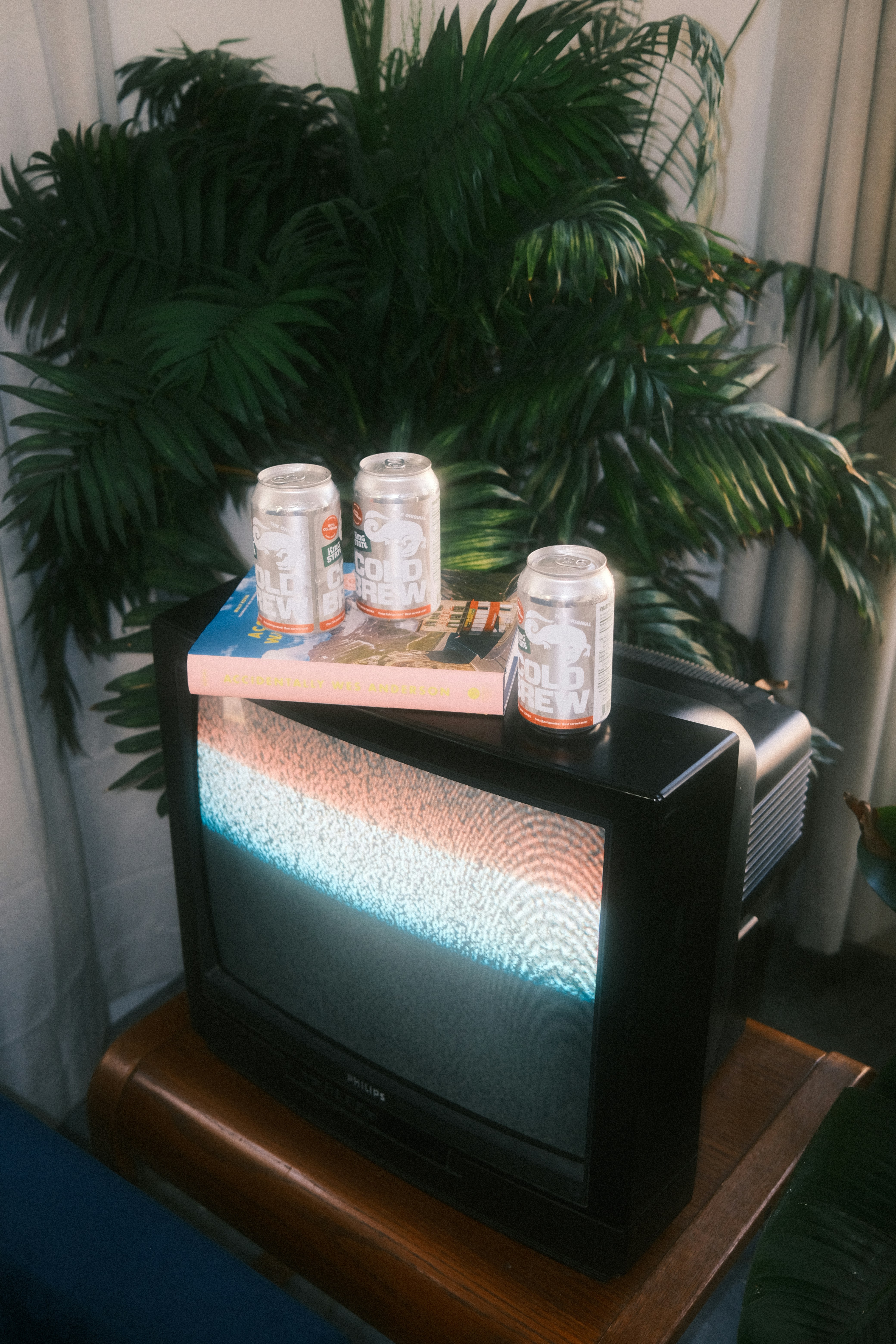
After an exhaustive deep dive into the world of televisions—from ultra-budget brands like Sceptre and FFalcon to the cutting-edge marvels from Samsung and LG—our team at TV Brands™ has distilled the essence of what makes a TV brand truly stand out in 2024.
The Positives:
- Samsung continues to dominate with its innovative QD-OLED and Neo QLED lines, delivering breathtaking brightness, vibrant colors, and a smart platform that integrates seamlessly with modern homes.
- LG remains the undisputed OLED king, offering perfect blacks, wide viewing angles, and gaming features that thrill enthusiasts and casual players alike.
- Sony impresses with its industry-leading image processing and immersive sound, perfect for cinephiles craving the most natural and cinematic experience.
- TCL and Hisense have shattered the myth that budget means compromise, packing premium features like Mini-LED and HDMI 2.1 into affordable packages.
- Amazon Fire TV Edition and Roku TV have revolutionized smart TV usability, making streaming effortless and enjoyable for millions.
The Negatives:
- Budget brands like Sceptre, FFalcon, and RCA often sacrifice picture quality, smart features, and build quality, making them suitable only for secondary or casual use.
- Some mid-tier brands, including Insignia and Toshiba, while offering decent smart platforms, lack advanced gaming features and premium display tech.
- Premium brands like Sony and Panasonic come with a higher price tag and sometimes limited availability or fewer HDMI 2.1 ports, which might deter gamers with multiple devices.
Closing the Narrative: Remember our early teaser about the OLED vs. QLED debate? The arrival of Samsung’s QD-OLED models has blurred the lines, offering the best of both worlds: perfect blacks and dazzling brightness. Meanwhile, budget brands are no longer mere placeholders—they’re serious contenders offering features that were once reserved for premium models.
Our Confident Recommendation:
- For cinematic perfection and gaming prowess, LG OLED and Samsung QD-OLED are the top picks.
- For value-packed smart TVs with solid performance, TCL and Hisense are your go-to brands.
- For seamless streaming and smart home integration, consider Amazon Fire TV Edition or Roku TV models.
- If you want a reliable, all-around premium experience, Sony and Panasonic remain excellent choices.
No matter your budget or viewing habits, there’s a perfect TV brand waiting for you. Now that you’re armed with the knowledge, go forth and pick your pixel-perfect partner!
🔗 Recommended Links for TV Buyers and Enthusiasts
Ready to shop or learn more? Here are some curated links to help you explore the best TV brands and models we covered:
-
Samsung TVs:
Amazon | Best Buy | Samsung Official Website -
LG OLED TVs:
Amazon | Best Buy | LG Official Website -
Sony TVs:
Amazon | Best Buy | Sony Official Website -
TCL TVs:
Amazon | Best Buy | TCL Official Website -
Hisense TVs:
Amazon | Best Buy | Hisense Official Website -
Roku TVs:
Amazon | Walmart | Roku Official Website -
Vizio TVs:
Walmart | Vizio Official Website -
Panasonic TVs:
Amazon | Best Buy | Panasonic Official Website -
Philips TVs:
Amazon | Walmart | Philips Official Website
Recommended Books on TV Technology and Buying Guides
-
“The Ultimate Guide to Buying a TV” by CNET Editors – A comprehensive guide to understanding TV specs and features.
Amazon Link -
“OLED vs QLED: The TV Technology Battle Explained” by Tech Insights Press – Dive deep into the science behind modern TV displays.
Amazon Link -
“Smart TV Essentials: Navigating the Streaming Era” by Digital Home Experts – Learn how to get the most out of your smart TV.
Amazon Link
❓ Frequently Asked Questions About TV Brands
What brands of TVs are the best?
The best TV brands in 2024 are Samsung, LG, and Sony for premium picture quality and advanced features. TCL and Hisense offer excellent value with competitive technology like Mini-LED and QLED. For smart platform ease, Amazon Fire TV Edition and Roku TV models are top choices. These brands consistently score high in customer satisfaction, innovation, and reliability.
What are the top-rated TV brands in 2024?
According to customer satisfaction surveys and expert reviews (see SlashGear), Samsung leads with the highest satisfaction score, followed by LG, Sony, Hisense, and TCL. These brands excel in picture quality, smart features, and overall user experience.
Which TV brand offers the best picture quality?
LG OLED TVs are renowned for perfect blacks and infinite contrast, making them the best for cinematic picture quality. Samsung’s QD-OLED models combine OLED’s deep blacks with QLED’s brightness and color volume, offering arguably the best all-around picture. Sony excels with its image processing, delivering natural and accurate colors. For bright room viewing, Samsung’s Neo QLED and TCL’s Mini-LED TVs are excellent.
How do Samsung and LG TVs compare in performance?
Samsung focuses on brightness, vibrant colors, and innovative smart features with its QLED and QD-OLED technology. LG leads in OLED technology, offering perfect blacks and wide viewing angles. Samsung uses the Tizen OS, which is fast and integrates well with smart home devices, while LG’s webOS is intuitive and feature-rich. For gaming, both brands offer HDMI 2.1 and VRR, but LG OLEDs often have slightly lower input lag.
What is the most reliable TV brand for smart features?
Roku TV and Amazon Fire TV Edition are widely regarded as the most user-friendly and reliable smart TV platforms, offering vast app libraries and regular updates. Among manufacturers, Samsung’s Tizen OS and LG’s webOS are also highly reliable and packed with features. TCL’s Roku TVs combine affordability with a robust smart platform, making them a favorite for many.
How important is customer support when choosing a TV brand?
Customer support can significantly affect your ownership experience. Brands like Samsung, LG, and Sony generally offer robust support and warranty services. Budget brands may have inconsistent support, so it’s wise to check reviews and warranty terms before purchasing. Good support can save time and money if issues arise.
📚 Reference Links and Sources for TV Brand Reviews
- Samsung Official Website
- LG Official Website
- Sony Official Website
- TCL Official Website
- Hisense Official Website
- Amazon Fire TV Edition
- Roku Official Website
- Vizio Official Website
- Panasonic Official Website
- Philips Official Website
- Insignia TVs on Best Buy
Additional authoritative reviews and rankings:
- SlashGear: 16 Major TV Brands Ranked Worst To Best By Customer Satisfaction
- BGR: Major Smart TV Brands Ranked Worst To Best
- RTings: Best TVs on the Market
Dive into these sources for even more detailed specs, user reviews, and expert opinions to make your next TV purchase a confident one!