Support our educational content for free when you purchase through links on our site. Learn more
10 Asian TV Brand Market Leaders to Know in 2026 🌏

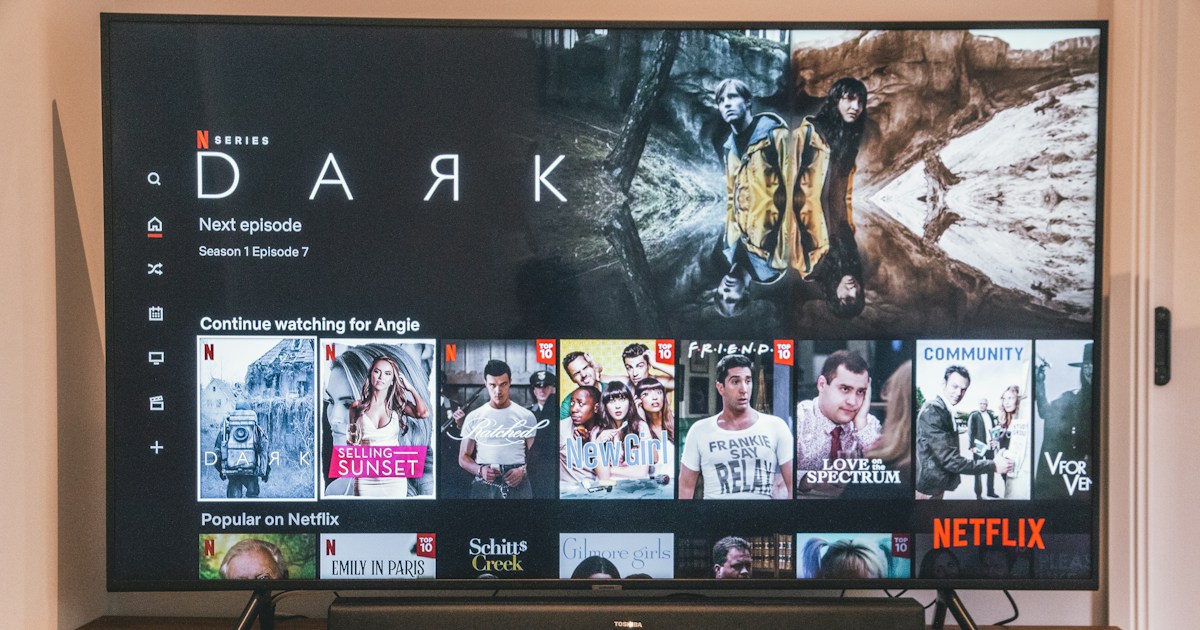
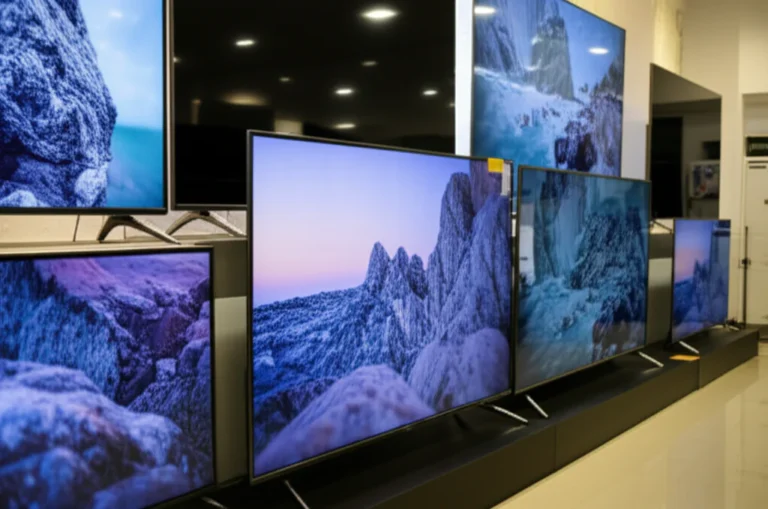
Samsung, LG, Sony, TCL, and Hisense are among the Asian TV brands shaping the global market, but the best pick depends on whether you value OLED contrast, Mini LED brightness, smart features, or a strong local support network. “Market leader” isn’t one universal crown: rankings can change depending on whether they measure sales, revenue, region, or TV category.
We’ve compared these brands enough to know the logo is only the opening scene. A sleek OLED that dazzles in a dark movie room may struggle with afternoon glare, while a feature-packed Mini LED can be a better fit for a bright family space. The smart move? Compare the exact model, not just the brand name.
Key Takeaways
- Samsung and LG are major South Korean TV leaders, with broad lineups and strong premium offerings.
- Sony and Panasonic bring Japanese TV expertise, though product availability can vary by region.
- TCL and Hisense are influential Chinese competitors, especially for large screens and Mini LED options.
- There’s no single best Asian TV brand for everyone: room brightness, viewing habits, software, and support all matter.
- Check the exact model and current independent tests before buying; technology labels alone don’t guarantee picture quality.
Table of Contents
- ⚡️ Quick Tips and Facts
- 🌏 Asian TV Brand Market Leaders: What the Term Means
- How TV Market Leadership Is Measured
- Global Market Share vs. Regional Strength
- 📜 The Rise of Asia’s Television Industry
- From Japanese CRTs to Korean OLEDs and Chinese LCDs
- How Manufacturing and Supply Chains Shaped the Market
- 🏆 1. Samsung: The Global TV Sales Leader
- Samsung QLED, Neo QLED, OLED, and Lifestyle TVs
- Tizen Smart TV Platform and Key Strengths
- 🎨 2. LG: OLED Innovation and Premium TVs
- LG OLED, QNED, and LED TV Lineups
- webOS, Gaming Features, and Picture Quality
- 📺 3. Sony: Picture Processing and Home Cinema
- Sony BRAVIA OLED, Mini LED, and LED TVs
- Google TV, Audio, and PlayStation Compatibility
- 🚀 4. TCL: China’s Value and Mini LED Powerhouse
- TCL QLED, Mini LED, and Large-Screen TVs
- Google TV, Roku TV, and Regional Models
- 🔥 5. Hisense: Rapid Growth and ULED Innovation
- Hisense ULED, Mini LED, OLED, and Laser TVs
- VIDAA, Google TV, and Smart TV Availability
- 🌱 6. Panasonic: Japanese Picture and Cinema Expertise
- Panasonic OLED and LED TV Strengths
- Fire TV, Google TV, and Market Availability
- 🔍 7. Sharp: A Legacy Japanese TV Brand
- Sharp AQUOS TVs and Regional Product Differences
- 🌐 8. Skyworth: A Major Chinese TV Manufacturer
- OLED, Mini LED, and Smart TV Offerings
- 📱 9. Xiaomi: Smart TVs for Connected Homes
- Xiaomi TV Models, Google TV, and PatchWall
- 🧭 10. Other Asian TV Brands to Know
- Toshiba, JVC, and Brand Licensing
- Haier, Changhong, Konka, and Regional Manufacturers
- 📊 Asian TV Brands Compared
- Brand Strengths by Picture Technology and Price Segment
- Smart TV Operating Systems Compared
- 🖥️ TV Technologies Driving Asian Market Leadership
- OLED vs. QLED vs. Mini LED
- 4K, 8K, HDR, and High Refresh Rates
- Display Panels, Chipsets, and Picture Processing
- 🛒 How to Choose an Asian TV Brand
- Best Brands for Movies, Sports, Gaming, and Bright Rooms
- Screen Size, Viewing Distance, and Room Setup
- Warranty, Repairs, Software Support, and Reliability
- 💡 Quick Buying Tips for Comparing TV Brands
- 🔮 The Future of Asian TV Market Leaders
- AI Picture Features and Next-Generation Displays
- Sustainability, Streaming, and Global Competition
- ❓ Frequently Asked Questions
- Which Asian TV brand sells the most TVs worldwide?
- Which Asian TV brands make the best OLED TVs?
- Are Chinese TV brands as reliable as Korean and Japanese brands?
- Which Asian TV brand offers the best value?
- Do different brands use the same TV panels?
- ✅ Conclusion
- 🔗 Recommended Links
- 📚 Reference Links
⚡️ Quick Tips and Facts
Quick answer: Asian TV market leaders include South Korea’s Samsung and LG, Japan’s Sony and Panasonic, and China’s TCL, Hisense, Skyworth, and Xiaomi. Their standings vary by region, price tier, and measurement method—so “leader” can mean anything from global unit shipments to premium-TV revenue or local popularity.
| At a glance | What to know |
|---|---|
| Major global leaders | Samsung, LG, TCL, Hisense, and Sony are among the most prominent brands in worldwide TV coverage and market reports. |
| OLED specialists | LG and Sony are notable OLED TV brands; Samsung also sells OLED models. Panasonic offers OLED models in selected markets. |
| Fast-growing Chinese brands | TCL and Hisense have built international reach through broad lineups, large screens, and Mini LED technology. |
| Brand names don’t tell the whole story | A TV’s panel, processing, software, features, warranty, and regional model version all matter. |
| Smart TV platforms | Tizen, webOS, Google TV, VIDAA, and Fire TV appear across Asian brands and regional lineups. |
| Best buying habit | Compare the exact model number and independent reviews—not just the logo on the bezel. |
For a wider overview of manufacturers and naming differences, browse our guide to TV brands. If you’re comparing connected features, see our Smart TV Reviews and OLED TV Advancements.
One caveat before we rank the contenders: market-share reports often measure different things—shipments, retail sales, revenue, or a particular region. That’s why a brand can lead one chart and trail another without either chart necessarily being wrong.
🌏 Asian TV Brand Market Leaders: What the Term Means
“Market leader” sounds like a trophy handed to one company. In practice, it’s more like a scoreboard with several columns. Samsung may be a leader by global value or premium positioning, while TCL or Hisense may be stronger in selected price bands or markets. Sony can be influential in premium picture processing without chasing the highest unit volume.
The brands discussed here are headquartered in or strongly associated with Asia. That includes South Korea, Japan, and China, whose manufacturers have helped shape display technology, components, and the televisions sold around the world.
How TV Market Leadership Is Measured
Market research firms may report units shipped, retail sell-through, revenue, or share within a region or product segment. These measurements answer different questions:
- Unit share: Who sold or shipped the most sets?
- Revenue share: Which brands generated the most TV sales value?
- Premium segment share: Who performs best in higher-end models?
- Regional share: Which brands dominate a particular country or sales channel?
- Technology leadership: Who is pushing a display category such as OLED or Mini LED?
For example, a company selling many affordable TVs could lead in units while another brand earns more revenue per set. Shipment data and consumer purchases can also differ because inventory may sit in the supply chain before reaching a buyer. For a useful industry perspective, check the latest television coverage from Omdia and the Consumer Technology Association.
Global Market Share vs. Regional Strength
TV markets are local in ways product launch announcements don’t always reveal. A model sold in the United States may have different software, screen sizes, tuners, or feature sets from a similarly named model in Europe or Asia. Distribution, service networks, brand licensing, and local content partnerships can influence what buyers actually see on store shelves.
Our reviewer’s rule: treat any ranking as a snapshot with a stated date, market, and measurement. If a report doesn’t tell you those details, don’t treat its league table as the final word.
📜 The Rise of Asia’s Television Industry
Asia’s influence on TV didn’t arrive in one dramatic keynote. It grew through decades of electronics manufacturing, display research, component investment, and brands learning how to serve vastly different households—from compact city apartments to rooms built around a very large screen.
From Japanese CRTs to Korean OLEDs and Chinese LCDs
Japanese companies such as Sony, Panasonic, and Sharp became familiar names during the CRT era and later developed influential flat-panel and display technologies. South Korean firms Samsung and LG expanded into global consumer electronics leadership and became central names in LCD and OLED televisions. Chinese manufacturers, including TCL and Hisense, grew their worldwide presence through a mix of scale, product range, and aggressive investment in newer display technologies.
That history still shows up in how shoppers describe brands: Sony is often associated with image processing, LG with OLED, Samsung with premium design and broad product lines, and TCL and Hisense with feature-rich large-screen options. These are useful starting points, not guarantees for every model.
How Manufacturing and Supply Chains Shaped the Market
A TV brand may design the set, choose its processor and software, and tune the picture, while relying on a global network of panel makers and parts suppliers. Some companies have closer relationships with panel production than others, but the brand name alone does not reveal every component inside a specific model.
That’s why we recommend checking independent tests for the exact model. Look for brightness measurements, contrast, reflection handling, viewing angles, motion, input lag, and HDR performance. The RTINGS TV testing methodology explains many of the measurements shoppers can use to compare sets, while VESA’s DisplayHDR program describes its display certification framework.
🏆 1. Samsung: The Global TV Sales Leader
Samsung is one of the most visible TV brands worldwide, with models ranging from mainstream LED sets to premium Neo QLED, OLED, and lifestyle designs. Its long-running presence gives buyers a broad choice of sizes and features, though the details vary sharply between product tiers.
| Area | Reviewer view |
|---|---|
| Picture technologies | Neo QLED, QLED, OLED, and LED, depending on model and market |
| Smart platform | Tizen |
| Common strengths | Broad lineup, bright premium options, gaming features, polished industrial design |
| Potential drawbacks | Model tiers differ considerably; software preferences and app availability are personal |
| Best suited to | Shoppers wanting a wide range of screen sizes and feature combinations |
Samsung’s official TV lineup is the best place to verify current model names and specifications. For independent testing, compare the exact model rather than assuming all QLED or Neo QLED sets perform alike.
Samsung QLED, Neo QLED, OLED, and Lifestyle TVs
Samsung uses several labels:
- QLED: LCD TVs with a quantum-dot layer, typically designed to improve color performance.
- Neo QLED: Samsung’s branding for premium quantum-dot LCD models using Mini LED backlighting in applicable ranges.
- OLED: Self-emissive pixels that can turn off individually; available in selected Samsung models.
- The Frame and other lifestyle TVs: Products designed to blend into a room as well as display video.
The display label is only part of the picture. Backlight control, panel type, processing, and brightness vary by model. The TV may be a spectacular bright-room performer—or merely an attractive spec sheet—depending on the particular set.
Tizen Smart TV Platform and Key Strengths
Samsung’s Tizen interface brings streaming apps, connected-device features, and smart-home functions into the TV. App availability can vary by country, so check your must-have services before buying. Also consider whether you prefer built-in TV software or using an external streamer.
✅ Why it’s worth a look: large product range, strong premium choices, and options for gaming and design-conscious rooms.
❌ What to check: exact model specifications, regional app support, remote-control preferences, and whether the TV’s processing suits your viewing habits.
🎨 2. LG: OLED Innovation and Premium TVs
LG is a key name in OLED televisions and also sells LCD models under its QNED and LED ranges. For viewers who prioritize deep blacks and cinematic contrast, LG’s OLED lineup is often a natural place to start. We still suggest comparing brightness, glare handling, and gaming features on the exact set.
| Area | Reviewer view |
|---|---|
| Picture technologies | OLED, QNED, and LED |
| Smart platform | webOS |
| Common strengths | OLED range, gaming support on many models, broad format and size choices |
| Potential drawbacks | OLED brightness and reflection handling vary by model and room |
| Best suited to | Movie fans, gamers, and viewers seeking strong contrast |
Explore LG’s TV range and our OLED TV Advancements category for deeper display-technology coverage.
LG OLED, QNED, and LED TV Lineups
LG OLED sets use self-lit pixels, which can produce very deep blacks in a dark room. That makes movie scenes feel rich and dimensional, especially when the source is high quality. QNED and LED models use LCD technology with different backlight and color systems, so their performance depends on design and tier.
OLED is not automatically the right answer for every room. Bright-window viewing, long static-image use, budget, and preferred screen size all matter. Compare the measured brightness and reflection handling of the specific model you’re considering.
webOS, Gaming Features, and Picture Quality
LG’s webOS offers streaming apps and connected features, while supported models may include high refresh rates, variable refresh rate (VR), and HDMI 2.1 gaming features. These specifications are model-dependent, so confirm the number and capabilities of HDMI ports before connecting a console and sound system.
A practical check: make a list of your devices, then count the ports you’ll actually need. A TV that supports a feature one HDMI input may require some planning if you use several consoles or an eARC soundbar.
📺 3. Sony: Picture Processing and Home Cinema
Sony’s BRAVIA sets are often considered by viewers who care about image processing, natural-looking motion, and a polished home-cinema presentation. Sony sells OLED and LCD TVs in different regions, and the brand’s processing reputation should be weighed against the price tier and tested performance of the individual model.
| Area | Reviewer view |
|---|---|
| Picture technologies | OLED, Mini LED, and LED, depending on model |
| Smart platform | Google TV on many recent sets |
| Common strengths | Picture processing, motion presentation, home-cinema features |
| Potential drawbacks | Lineup and features vary by region; compare inputs and gaming support carefully |
| Best suited to | Film and TV viewers who value processing and system integration |
Sony’s official BRAVIA television pages provide model details. For gaming, confirm the exact supported refresh rates and HDMI features rather than relying on a family name.
Sony BRAVIA OLED, Mini LED, and LED TVs
Sony’s display choices include OLED for pixel-level contrast and LCD models, including Mini LED options in applicable ranges. Mini LED uses many small backlight LEDs and local diming to improve control over bright and dark areas compared with simpler backlighting. The result depends on implementation: diming-zone behavior and processing can produce very different viewing experiences across models.
A helpful way to compare Sony with other brands is to view the same challenging content: a dark film scene with subtitles, fast sports, and bright HDR highlights. You’ll quickly see whether the set’s strengths match your viewing habits.
Google TV, Audio, and PlayStation Compatibility
Many Sony TVs use Google TV, which organizes streaming apps and content recommendations. Sony also emphasizes integration across its entertainment products, but you should still verify the individual television’s audio, gaming, and connectivity features.
If you own a PlayStation, check for the specific features you want, including supported refresh rates, VR, and automatic low-latency functions. HDMI features can differ between inputs, so the port label in the manual is worth a quick look.
🚀 4. TCL: China’s Value and Mini LED Powerhouse
TCL is a major Chinese electronics manufacturer with a growing international profile. Its televisions often combine large screen sizes with QLED or Mini LED features, making the brand a frequent comparison point for buyers looking for strong specifications across a range of budgets.
| Area | Reviewer view |
|---|---|
| Picture technologies | QLED, Mini LED, and LED |
| Smart platforms | Google TV or Roku TV in some markets and models |
| Common strengths | Wide size range, feature-rich models, growing Mini LED presence |
| Potential drawbacks | Model names and specifications differ by region; software and processing vary |
| Best suited to | Value-focused shoppers comparing larger screens and advanced backlights |
See TCL’s official TV lineup and our Affordable TV Options for more buying guidance.
TCL QLED, Mini LED, and Large-Screen TVs
TCL’s product range includes LCD sets with quantum-dot color and Mini LED backlighting in selected models. These options can deliver high brightness and more precise backlight control than basic LED designs, but performance differs by model, screen size, and local diming implementation.
Don’t buy by acronym alone. Compare independent measurements for contrast, blooming around subtitles, HDR brightness, motion, and viewing angles. A well-reviewed midrange TV can be a better fit than a higher-tier model with features you’ll never use.
Google TV, Roku TV, and Regional Models
TCL TVs may use Google TV or Roku TV, depending on model and market. That affects the menus, app ecosystem, recommendations, and smart-home options you’ll use every day. Check your local product page: a model number that looks familiar may not have the same software or specifications abroad.
🔥 5. Hisense: Rapid Growth and ULED Innovation
Hisense has expanded its international TV presence through a wide selection of LED, QLED, and Mini LED sets, alongside OLED or laser-display products in selected markets. Its ULED label refers to a family of Hisense display technologies, not one universal panel type or performance level.
| Area | Reviewer view |
|---|---|
| Picture technologies | ULED, Mini LED, QLED, OLED, and laser TV options in selected regions |
| Smart platforms | VIDAA, Google TV, or other regional software |
| Common strengths | Broad range, big-screen options, Mini LED availability |
| Potential drawbacks | Software, tuning, and model naming can vary by country |
| Best suited to | Shoppers comparing large screens and feature-rich options |
Browse the current Hisense TV lineup.
Hisense ULED, Mini LED, OLED, and Laser TVs
Hisense offers several approaches to display design. Mini LED models use dense backlighting with local diming; ULED is a brand term applied across a range of technologies; laser TVs use a projector-based ultra-short-throw setup paired with a screen.
Those are not direct substitutes. A conventional TV is typically simpler to place and use, while a laser TV can create a very large image but needs suitable room conditions and screen setup. Compare the installation requirements as carefully as the picture specs.
VIDAA, Google TV, and Smart TV Availability
Hisense smart-TV software varies by market and model. VIDAA is used in some regions, while other sets may run Google TV or another platform. Before choosing, confirm that your streaming apps are available locally and that the interface receives the features and support you expect.
✅ Potential plus: a lot of choice across sizes and display types.
❌ Potential drawback: regional differences make it especially important to verify the full model number.
🌱 6. Panasonic: Japanese Picture and Cinema Expertise
Panasonic remains a respected Japanese electronics brand, particularly among viewers interested in film-focused picture tuning. Its TV availability is not uniform across the world, so local lineup and support can be just as important as performance.
| Area | Reviewer view |
|---|---|
| Picture technologies | OLED and LED in selected markets |
| Smart platforms | Varies by model and region |
| Common strengths | Cinema-oriented picture options, established electronics expertise |
| Potential drawbacks | Limited availability in some regions; verify service and model support |
| Best suited to | Buyers who can access local models and value picture tuning |
Panasonic OLED and LED TV Strengths
Panasonic’s OLED models have earned interest from home-cinema viewers for their picture controls and cinematic approach. LED offerings serve other needs and price tiers. As ever, one product generation’s strengths shouldn’t be assumed to carry unchanged into every current model.
Fire TV, Google TV, and Market Availability
Smart-TV software and product availability vary across Panasonic’s markets. Check the local Panasonic site for current models, firmware details, and service information. If the brand’s official lineup is not available where you live, consider how that might affect repairs, warranty claims, and parts.
Panasonic Global Television Information
🔍 7. Sharp: A Legacy Japanese TV Brand
Sharp is a long-established Japanese electronics name associated with AQUOS televisions. Current products and brand arrangements vary across regions, so the Sharp logo may not mean the same product lineup or manufacturing arrangement in every country.
Sharp AQUOS TVs and Regional Product Differences
AQUOS covers different televisions depending on market and product generation. Compare local specifications, operating systems, panel technology, warranty, and manufacturer support. Regional verification matters more than brand nostalgia—especially when buying from an international seller.
🌐 8. Skyworth: A Major Chinese TV Manufacturer
Skyworth is a large Chinese electronics manufacturer with products sold under its own name and, in some markets, through associated brands and business arrangements. Its range includes different screen technologies and smart-TV configurations.
OLED, Mini LED, and Smart TV Offerings
Skyworth’s TV offerings vary by region, with technologies and software dependent on the model. Shoppers should verify who provides local warranty service, which apps are supported, and whether the product has independent testing available.
📱 9. Xiaomi: Smart TVs for Connected Homes
Xiaomi is best known internationally for phones and connected devices, but it also sells televisions in several markets. The brand can appeal to buyers who already use Xiaomi’s ecosystem, though local model availability and TV support should be checked carefully.
Xiaomi TV Models, Google TV, and PatchWall
Xiaomi TVs may use Google TV, PatchWall, or regional software, depending on the model and country. The smart-home ecosystem can be convenient, but don’t let integration distract from the basics: screen performance, HDMI ports, motion handling, and warranty coverage.
Xiaomi Global Official Website
🧭 10. Other Asian TV Brands to Know
The market includes more than the most visible global names. Some brands have deep regional recognition; others appear mainly through licensing, local manufacturing, or retailer-specific product ranges.
Toshiba, JVC, and Brand Licensing
Toshiba and JVC are familiar names, but television branding and product arrangements can differ by region. A historic brand name does not always mean the same manufacturer, platform, or product quality worldwide. Verify the company responsible for the set and its warranty where you live.
Haier, Changhong, Konka, and Regional Manufacturers
Haier, Changhong, and Konka are among the manufacturers shoppers may encounter, particularly in Asian markets. Their product ranges, availability, and service networks vary. For less familiar models, search for independent testing, read owner feedback across multiple retailers, and confirm that service is available locally.
📊 Asian TV Brands Compared
Here’s the practical comparison: not a rigid winner-takes-all ranking, but a starting point for matching a brand to your viewing needs.
| Brand | Country association | Known for | Technologies and platforms vary by model |
|---|---|---|---|
| Samsung | South Korea | Broad global lineup and premium TV range | QLED, Neo QLED, OLED, Tizen |
| LG | South Korea | OLED range and webOS | OLED, QNED, LED, webOS |
| Sony | Japan | Picture processing and home cinema | OLED, Mini LED, LED, Google TV |
| TCL | China | Feature-rich LCD and Mini LED choices | QLED, Mini LED, Google TV or Roku TV |
| Hisense | China | Wide lineup and large-screen options | ULED, Mini LED, QLED, VIDAA or Google TV |
| Panasonic | Japan | Cinema-focused options in selected markets | OLED, LED; regional software |
| Sharp | Japan | AQUOS legacy and regional products | Varies by country and model |
| Skyworth | China | Broad manufacturer presence | Varies by market and model |
| Xiaomi | China | Smart-home ecosystem and value-focused models | Google TV, PatchWall, regional options |
Brand Strengths by Picture Technology and Price Segment
| If you prioritize… | Brands worth comparing | What to verify |
|---|---|---|
| OLED contrast | LG, Sony, Samsung, Panasonic in selected markets | Brightness, glare, burn-in protections, warranty |
| Mini LED brightness | TCL, Hisense, Samsung, Sony | Dimming behavior, blooming, HDR performance |
| Picture processing | Sony, LG, Samsung, Panasonic models | Motion, upscaling, gradation, source quality |
| Large-screen choice | TCL, Hisense, Samsung, LG, Sony | Viewing distance, panel uniformity, delivery access |
| Value-oriented features | TCL, Hisense, Xiaomi, selected LG and Samsung models | Independent tests, software, support |
| Smart-TV ecosystem | Samsung, LG, Sony, TCL, Hisense, Xiaomi | App availability, update policy, privacy settings |
Smart TV Operating Systems Compared
| Platform | Often found on | Buyer questions to ask |
|---|---|---|
| Tizen | Samsung | Are your apps available? Do you like the home screen? |
| webOS | LG | Does your model support the apps and features you need? |
| Google TV | Sony and selected TCL, Hisense, Xiaomi models | Do you want Google services and recommendations? |
| VIDAA | Selected Hisense models | Are local apps and services supported? |
| Roku TV | Selected TCL models and markets | Is Roku available and fully supported in your region? |
| Fire TV | Selected models from various brands | Do you use Amazon’s ecosystem and interface? |
For more software-focused comparisons, explore Smart TV Reviews. Platform names are not a promise of identical app access across countries.
🖥️ TV Technologies Driving Asian Market Leadership
The brands compete on more than screen size. Panel technology, backlighting, processing, software, and device connectivity all shape what you see—and how much fiddling is required to get the picture right.
OLED vs. QLED vs. Mini LED
| Technology | How it works | Main advantage | Trade-off to consider |
|---|---|---|---|
| OLED | Pixels emit their own light | Deep blacks and precise pixel-level contrast | Brightness, reflections, and static-image usage need consideration |
| QLED | LCD panel with a quantum-dot color layer | Strong color potential and often bright images | Still relies on an LCD backlight; performance varies |
| Mini LED | LCD TV with many smaller backlight LEDs and local diming | Improved backlight control and HDR potential | Can show blooming; zone count alone doesn’t predict quality |
QLED and OLED are not competing versions of the same thing. QLED describes an LCD-based display approach; OLED uses self-emissive pixels. Mini LED is a backlight technology used with LCD panels and can appear alongside quantum-dot marketing.
For deeper background, visit OLED TV Advancements and RTINGS’ TV test explanations.
4K, 8K, HDR, and High Refresh Rates
- 4K resolution: A common resolution for current TVs and streaming content.
- 8K resolution: Higher pixel count, but the value depends on screen size, viewing distance, and available content.
- HDR: A family of formats and capabilities that can improve highlights and color when the TV and source support them.
- Refresh rate: Affects how often the image updates; native panel capability matters more than vague motion labels.
- VR and low-latency features: Useful for compatible gaming devices, but support varies by model and HDMI port.
Before buying, confirm the exact HDR formats, native refresh rate, and gaming features on the manufacturer specification page. A box full of acronyms is no substitute for measured performance.
Display Panels, Chipsets, and Picture Processing
Picture processing can make low-resolution streams look cleaner, reduce noise, and improve motion presentation. The panel determines much of the TV’s contrast, viewing angle, and brightness potential, while processing shapes how the signal appears on screen.
That’s why two televisions with similar headline specifications can look very different. For a fair comparison:
- Use the same content source and picture mode.
- Turn off showroom-style oversharpening and excessive motion smoothing.
- Compare dark scenes, sports, faces, and HDR highlights.
- Check off-axis viewing if people sit around the room.
- Read an independent review of the exact model.
🛒 How to Choose an Asian TV Brand
Start with your room and viewing habits, then shortlist brands. Doing it the other way around is how people end up with an impressive television that’s awkwardly bright, too small, or running an interface they dislike.
Best Brands for Movies, Sports, Gaming, and Bright Rooms
| Your main use | What to prioritize | Brands to compare |
|---|---|---|
| Movies in a dark room | Black level, tone mapping, motion, HDR handling | LG, Sony, Samsung, Panasonic where available |
| Sports | Motion clarity, brightness, wide seating angles | Sony, Samsung, LG, TCL, Hisense; compare specific models |
| Gaming | HDMI 2.1 features, VR, input lag, refresh rate | Samsung, LG, Sony, TCL, Hisense |
| Bright living room | Sustained brightness, reflection handling, viewing angle | Samsung, Sony, TCL, Hisense, LG |
| Streaming and everyday TV | App availability, upscaling, simple interface | Any brand with the platform and features you prefer |
| Very large screen | Uniformity, local diming, delivery and installation | TCL, Hisense, Samsung, LG, Sony |
These are shortlist suggestions, not universal rankings. A strong midrange model can outperform a premium model for your room if its brightness, reflections, and viewing angles are a better match.
Screen Size, Viewing Distance, and Room Setup
Think through the room before selecting a size:
- Measure your viewing distance from the usual seat to the TV.
- Check the wall or stand for width, height, weight, and ventilation requirements.
- Consider windows and lamps that may reflect in the screen.
- Plan connections for consoles, soundbars, cable boxes, and streaming devices.
- Check delivery access—a large screen has to fit through doors and stairways.
The Society of Motion Picture and Television Engineers publishes viewing guidance used in the industry; practical comfort still depends on your eyesight, content, and room layout.
Warranty, Repairs, Software Support, and Reliability
A good TV is only a good buy if you can get help when something goes wrong. Compare:
- Warranty length and what it covers
- Local authorized repair access
- Return policy and dead-pixel terms
- Software-update and security-support information
- Availability of replacement remotes and parts
- Owner feedback on the exact model and seller
We’ve seen buyers focus so closely on panel technology that they forget to check who handles a warranty claim. Don’t be that person discovering after delivery that support is three countries away.
💡 Quick Buying Tips for Comparing TV Brands
- Search the full model number, including its regional suffix.
- Compare brightness and contrast measurements, not just “HDR” on the carton.
- Check how many HDMI ports support the features you need.
- Read several owner reviews; look for repeated patterns, not one dramatic complaint.
- Confirm streaming apps are available in your country.
- Ask whether the TV includes a center stand or requires a wide surface.
- Compare the TV’s built-in audio with the soundbar plan you actually have.
- Use a reputable independent review when a retailer page repeats only manufacturer claims.
- Browse Affordable TV Options if you’re focused on value.
- Consider the featured video, “AI Fears Roar Back, Tech Earnings on Deck” by Bloomberg Television, as background on broader technology-investment concerns—not as a TV brand ranking or television market-share report.
🔮 The Future of Asian TV Market Leaders
Asian manufacturers are competing across panels, image processing, connected services, and large-screen formats. The next wave of competition will be about more than making the brightest television: software support, energy use, AI-assisted processing, and long-term reliability will matter too.
AI Picture Features and Next-Generation Displays
Brands increasingly promote AI-assisted upscaling, scene recognition, voice controls, and automatic picture adjustments. These features can be convenient, but marketing language often blurs the difference between genuinely useful processing and a badge on a menu.
Test the feature with your own content where possible. A system that improves a noisy broadcast may be less helpful for well-mastered streaming video, and aggressive processing can make images look artificial.
Sustainability, Streaming, and Global Competition
Energy consumption, repairability, packaging, and software longevity are increasingly relevant buying questions. The U.S. Department of Energy offers information on energy-efficient televisions; buyers outside the U.S. should check their local energy-label program.
Global reach also depends on more than hardware. Content distribution can matter enormously to viewers who want programming in specific languages. For example, Charter Communications announced an expanded Spectrum South Asian channel lineup featuring ZEE services and channels including Zee Bangla, Zee Kannada, Zee Tamil, Zee Telugu, and WION. That’s a reminder that choosing a TV brand is only half the living-room equation: the services and content available on it matter just as much.
❓ Frequently Asked Questions
Which Asian TV brands sell the most televisions worldwide?
Samsung is widely recognized as a leading global TV brand, but the answer depends on the year and whether the source measures shipments, retail sales, revenue, or a particular region. TCL and Hisense are also major international competitors, while LG and Sony have strong positions in important segments. Check current reports from Omdia and review the metric before comparing rankings.
Which Asian TV brands make the best OLED TVs?
LG, Sony, and Samsung are prominent OLED TV brands, while Panasonic sells OLED models in selected markets. “Best” depends on the specific model and whether you care most about brightness, processing, gaming, reflections, or price tier. Compare independent tests and verify availability in your region.
Are Chinese TV brands as reliable as Korean and Japanese brands?
A country label alone cannot predict reliability. TCL, Hisense, Skyworth, and Xiaomi all sell products across different ranges, and performance can vary from model to model. Check independent testing, recurring owner feedback, warranty terms, and local repair coverage before deciding.
Which Asian TV brand offers the best value?
There is no permanent winner. TCL and Hisense often merit comparison for feature-rich LCD and Mini LED choices, while Samsung, LG, and Sony may offer better value for shoppers who prioritize particular processing, software, or ecosystem features. Compare the exact model’s test results and support—not just the specification list.
Do different brands use the same TV panels?
Sometimes manufacturers may source components from shared global suppliers, but the panel is only one part of a television. Backlighting, processing, calibration, software, and quality control all affect the result. Don’t assume two TVs are equivalent just because they use a similar panel technology.
🔗 Recommended Links
Browse official brand lineups and current model information:
- Samsung TV Official Website
- LG TV Official Website
- Sony BRAVIA Official Website
- TCL Official Website
- Hisense Official Website
- Panasonic Global Television Information
- Sharp Global Official Website
- Skyworth Official Website
- Xiaomi Global Official Website
For further reading, see our Smart TV Reviews, Affordable TV Options, and OLED TV Advancements.
📚 Reference Links
- Omdia — research and analysis covering the global technology and media industries.
- Consumer Technology Association — technology-industry information and research.
- RTINGS: TV Test Methodology — explanations of TV performance tests and measurements.
- VESA DisplayHDR — information about the DisplayHDR certification program.
- U.S. Department of Energy: Energy-Efficient Televisions — consumer guidance on TV energy use.
- Samsung TVs — official product information.
- LG TVs — official product information.
- Sony BRAVIA televisions — official product information.
- TCL televisions — official product information.
- Hisense televisions — official product information.
- Panasonic televisions — official global television information.
- Charter Communications: Spectrum Adds ZEE Entertainment South Asian TV Channels — announcement covering Spectrum’s expanded South Asian television lineup and ZEE channel distribution.