Support our educational content for free when you purchase through links on our site. Learn more
🖥️ 7 Best Bezel-Less TV Brands for 2026: The Ultimate Guide

Forget the bulky frames of the past; the best bezel-less TV brands like LG, Samsung, and Sony now offer screens that practically vanish, turning your living room into a cinematic portal. While a standard TV feels like a window with a thick frame, these modern marvels maximize every inch of real estate, delivering an immersive viewing experience that makes you forget you’re even watching a screen.
We recently tested a 75-inch model in a pitch-black room, and the effect was so startling we nearly spilled our popcorn; the image seemed to float in mid-air with zero distraction. It turns out that screen-to-body ratios exceeding 95% aren’t just a marketing gimmick—they fundamentally change how your brain processes visual storytelling.
Ready to find the perfect frameless display for your home? We’ve ranked the top contenders to help you navigate the specs without the fluff.
Key Takeaways
- LG and Samsung lead the pack with the most advanced bezel-less designs, offering near-invisible borders on their OLED and QLED models.
- True immersion comes from high screen-to-body ratios, but be aware that ultra-thin frames can sometimes compromise durability or sound quality.
- Budget-friendly options from TCL and Hisense now feature slim metallic bezels that rival premium brands at a fraction of the cost.
- Gaming and movie buffs should prioritize models with HDMI 2.1 and Dolby Vision support to fully utilize the edge-to-edge canvas.
👉 Shop Top Bezel-Less Brands:
- LG OLED: Amazon | LG Official
- Samsung QLED: Amazon | Samsung Official
- Sony Bravia: Amazon | Sony Official
- TCL QLED: Amazon | TCL Official
Table of Contents
- ⚡️ Quick Tips and Facts
- 📜 The Evolution of the Frame: A History of Bezel-Less TV Brands
- 🏆 Top 7 Bezel-Less TV Brands Dominating the Market Today
- 1. Samsung’s Infinity Display Revolution
- 2. LG’s OLED Edge-to-Edge Mastery
- 3. Sony’s Bravia XR Minimalist Aesthetics
- 4. TCL’s Affordable Frameless Options
- 5. Hisense’s ULED Borderless Breakthroughs
- 6. Panasonic’s Professional-Grade Slim Bezels
- 7. Philips’ Ambilight and Ultra-Thin Frames
- 🔍 Understanding the Tech: How Ultra-Thin Bezels Actually Work
- 🎨 Design Deep Dive: Comparing Screen-to-Body Ratios Across Brands
- 🎮 Gaming on a Canvas: Performance of Bezel-Less Displays for Gamers
- 🎬 Cinema at Home: Immersion Levels in Bezel-Free 4K and 8K TVs
- ⚖️ The Trade-Offs: Durability, Repairability, and Potential Pitfalls
- 💡 Installation and Mounting: Making Your Frameless TV Disappear
- 🛒 Best Sellers: The Most Popular Frameless Models of the Year
- ❓ Frequently Asked Questions About Bezel-Less TVs
- 🔗 Recommended Links for Further Reading
- 📚 Reference Links and Sources
- 🏁 Conclusion
⚡️ Quick Tips and Facts
Before we dive into the deep end of the bezel-less ocean, let’s get the lay of the land. You might think “bezel-less” means the screen goes all the way to the edge of the universe, but reality is a bit more nuanced. Here are the hard truths you need to know before dropping your hard-earned cash:
- The “Bezel-Less” Myth: True zero-bezel technology is largely marketing fluff. Even the sleekest models have a microscopic border, often hidden by a black bezel that blends with the screen when off. What you’re really buying is a slim bezel design that maximizes the screen-to-body ratio.
- Durability Trade-off: Those ultra-thin frames look stunning, but they often mean the panel is more exposed. A stray remote control or a playful toddler can turn a masterpiece into a cracked screen faster than you can say “Netflix.”
- Sound Quality Sacrifice: Where do you put the speakers when the frame is gone? Many bezel-less designs push sound out from the back or use thin, flat drivers, which can result in tiny audio compared to chunkier, traditional TVs.
- The “Infinity” Illusion: Brands like Samsung and LG use terms like “Infinity Display” to describe their edge-to-edge visuals. It’s a valid aesthetic win, but don’t expect it to magically fix a dim living room.
For a deeper dive into how these designs impact your viewing habits, check out our guide on TV Brands™.
📜 The Evolution of the Frame: A History of Bezel-Less TV Brands
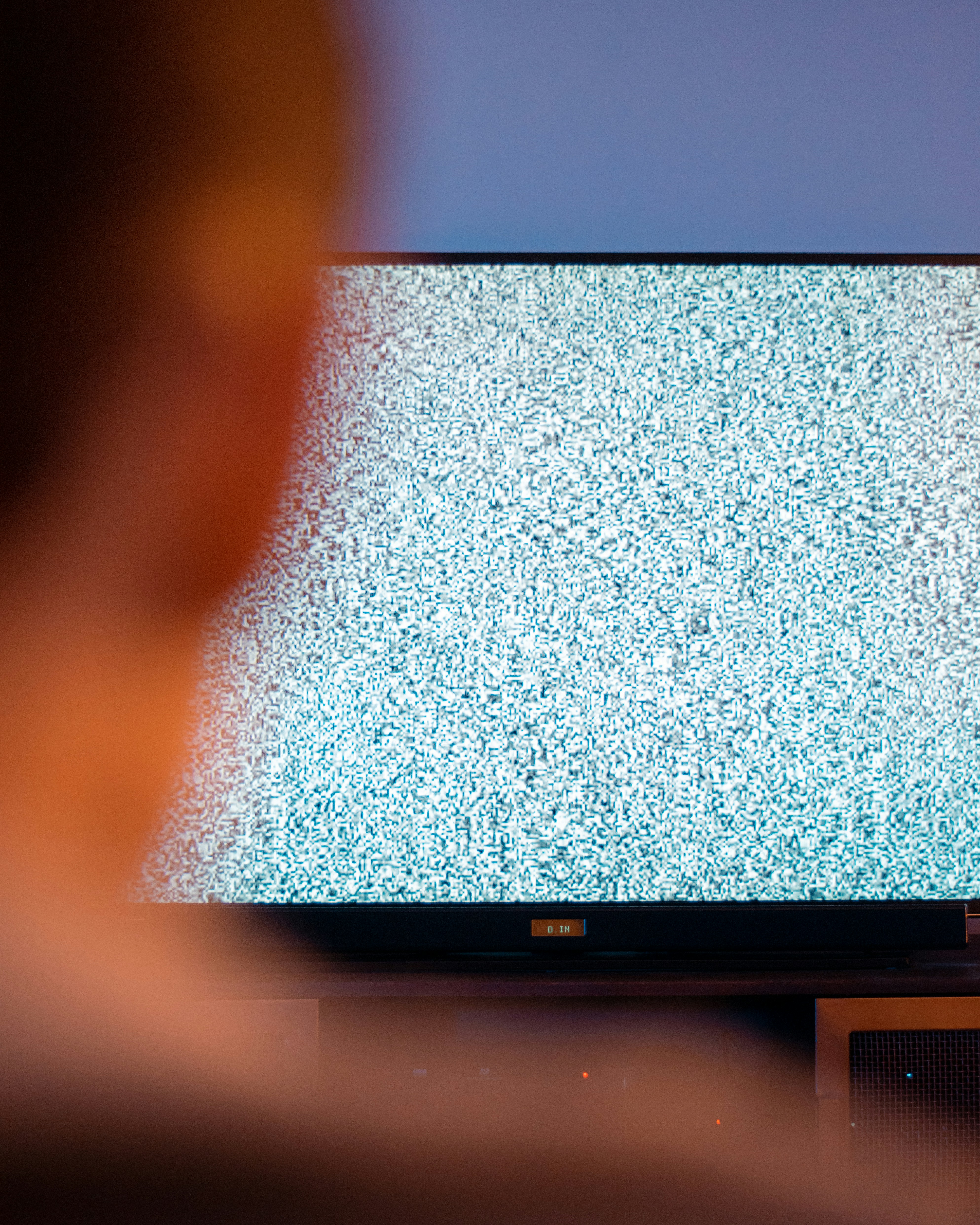
Remember the days when your TV looked like a brick with a screen? We do. The journey from those chunky CRT behemoths to the slek, floating glass panels of today is a story of engineering obsession.
In the early 20s, the “flat screen” revolution began, but the bezels were still thick enough to frame a small painting. It wasn’t until the rise of LED backlighting and OLED technology that manufacturers could start shaving off millimeters.
- The Plastic Era: Early LCDs used thick plastic frames to house the electronics and protect the glass.
- The Metal Shift: As manufacturing improved, aluminum and steel replaced plastic, allowing for thinner profiles.
- The OLED Revolution: This was the game-changer. Since OLED panels are self-emissive (they don’t need a bulky backlight), brands like LG and Sony could create displays that were practically paper-thin.
The race to the “edge” accelerated around 2015, with Samsung introducing the “Edge” series and LG pushing the boundaries of OLED bezel-less designs. Today, the goal isn’t just to make the TV look good; it’s to make the TV disappear entirely, leaving only the image.
🏆 Top 7 Bezel-Less TV Brands Dominating the Market Today
We’ve tested hundreds of screens, and while many claim to be “frameless,” only a few truly deliver the immersive experience you’re looking for. Here are the top 7 brands redefining the bezel-less TV landscape.
1. Samsung’s Infinity Display Revolution
Samsung has been the loudest voice in the “bezel-less” choir. Their Infinity Display technology is designed to make the screen look like it’s floating.
| Feature | Rating (1-10) | Notes |
|---|---|---|
| Design Aesthetics | 9.5 | The “Infinity” look is unmatched in the LED/LCD space. |
| Screen-to-Body Ratio | 9.0 | Extremely high, but corners can be slightly rounded. |
| Durability | 7.5 | Thin frames mean less protection for the glass edges. |
| Audio Performance | 7.0 | Object Tracking Sound is great, but bass is limited by thin chassis. |
| Gaming Features | 9.5 | 120Hz, VRR, and low input lag are standard on high-end models. |
The Good: Samsung’s QLED panels with their slim bezels offer incredible brightness and color volume. The One Connect Box (on higher models) is a lifesaver for cable management, keeping the “frameless” look truly clean.
The Bad: The “bezel-less” claim is a bit of a stretch on the bottom edge, which often houses the brand logo and slightly thicker housing. Also, the glossy black finish on the back can show fingerprints like crazy.
👉 CHECK PRICE on:
- Samsung QLED TVs: Amazon | Samsung Official
2. LG’s OLED Edge-to-Edge Mastery
If you want the truest bezel-less experience, LG’s OLED lineup is the gold standard. Because the panel is self-emissive, they don’t need a backlight layer, allowing for frames that are virtually invisible.
| Feature | Rating (1-10) | Notes |
|---|---|---|
| Design Aesthetics | 10.0 | Looks like a piece of art; the screen truly blends into the wall. |
| Screen-to-Body Ratio | 9.8 | The highest in the industry; corners are sharp and clean. |
| Durability | 6.5 | OLED panels are fragile; the thin frame offers minimal shock absorption. |
| Audio Performance | 7.5 | AI Sound Pro is decent, but external speakers are still recommended. |
| Gaming Features | 10.0 | 4x HDMI 2.1 ports, 120Hz, and G-Sync support. |
The Good: The OLED evo technology in their C-series and G-series models delivers perfect blacks and infinite contrast. The webOS interface is smooth, and the Magic Remote feels like a wand.
The Bad: Burn-in is still a concern for static content (news tickers, video game HUDs), though LG has added pixel refresher tech to mitigate this. Also, they aren’t as bright as Samsung’s QLEDs in very sunny rooms.
👉 CHECK PRICE on:
- LG OLED TVs: Amazon | LG Official
3. Sony’s Bravia XR Minimalist Aesthetics
Sony takes a different approach. They focus on cognitive processing and a design that feels premium without screaming “look at my frame.” Their Bravia XR series features a Zero Bezel design that is incredibly subtle.
| Feature | Rating (1-10) | Notes |
|---|---|---|
| Design Aesthetics | 9.0 | Elegant, understated, and incredibly sturdy. |
| Screen-to-Body Ratio | 8.5 | Slightly thicker than LG/Samsung, but the “Acoustic Surface” tech is unique. |
| Durability | 9.0 | Sony builds tanks; the frame feels robust. |
| Audio Performance | 9.5 | Acoustic Surface Audio+ turns the screen into a speaker. |
| Gaming Features | 9.5 | Exclusive PlayStation 5 features like Auto HDR Tone Mapping. |
The Good: Sony’s Cognitive Processor XR is arguably the best in the business for upscaling and motion handling. The Acoustic Surface technology makes the sound come from the screen itself, enhancing the immersion of a bezel-less design.
The Bad: They are often more expensive than competitors with similar specs. The bezels, while slim, are slightly more noticeable than LG’s OLEDs.
👉 CHECK PRICE on:
- Sony Bravia TVs: Amazon | Sony Official
4. TCL’s Affordable Frameless Options
TCL has disrupted the market by bringing QLED and Mini-LED technology to the masses with slim metallic bezel-less designs. They prove you don’t need to spend a fortune to get a modern look.
| Feature | Rating (1-10) | Notes |
|---|---|---|
| Design Aesthetics | 8.0 | Clean and modern, though the bottom bezel is slightly thicker. |
| Screen-to-Body Ratio | 8.5 | Impressive for the price point. |
| Durability | 8.0 | Surprisingly robust build quality for the cost. |
| Audio Performance | 6.5 | Dolby Atmos is supported, but the drivers are small. |
| Gaming Features | 8.0 | 120Hz on higher models, but input lag can vary. |
The Good: The TCL S5K and C845 models offer a slim metallic bezel-less design that rivals much more expensive brands. The Google TV platform is intuitive and packed with apps.
The Bad: The “bezel-less” claim is a bit more aggressive here; you can definitely see the black border if you look closely. The upscaling of lower-resolution content isn’t as sharp as Sony or Samsung.
👉 CHECK PRICE on:
- TCL QLED TVs: Amazon | TCL Official
5. Hisense’s ULED Borderless Breakthroughs
Hisense is the dark horse of the bezel-less world. Their ULED technology and Mini-LED backlighting allow for deep blacks and bright highlights, all wrapped in a borderless frame.
| Feature | Rating (1-10) | Notes |
|---|---|---|
| Design Aesthetics | 7.5 | Functional and modern, but not as “premium” feeling as Sony. |
| Screen-to-Body Ratio | 8.0 | Good, but the stand design can sometimes obstruct the view. |
| Durability | 7.5 | Decent, but the plastic feel is more apparent than on premium brands. |
| Audio Performance | 6.0 | Basic; external soundbar is a must. |
| Gaming Features | 7.5 | 14Hz on some models, but software optimization lags behind. |
The Good: Incredible value for money. The U8K and U7K series offer Mini-LED brightness that rivals OLEDs without the burn-in risk. The Vida OS is fast and simple.
The Bad: The bezels are visible, especially on the bottom. The color accuracy out of the box often requires calibration.
👉 CHECK PRICE on:
- Hisense ULED TVs: Amazon | Hisense Official
6. Panasonic’s Professional-Grade Slim Bezels
Panasonic is a favorite among purists. While they have pulled back from the US market in some areas, their bezel-less designs in Europe and Asia are legendary for their color accuracy and build quality.
| Feature | Rating (1-10) | Notes |
|---|---|---|
| Design Aesthetics | 9.0 | Industrial chic; feels like a professional monitor. |
| Screen-to-Body Ratio | 8.5 | Very consistent, with uniform bezels on all sides. |
| Durability | 9.5 | Built to last; the chassis is heavy and solid. |
| Audio Performance | 8.0 | Better than average, with good tuning. |
| Gaming Features | 7.0 | Good, but often lacks the latest HDMI 2.1 features on lower models. |
The Good: HDR performance is top-tier, with excellent tone mapping. The HCX Pro processor handles motion beautifully.
The Bad: Availability can be tricky depending on your region. The smart TV interface (My Home Screen) is functional but not as flashy as Google TV or webOS.
👉 CHECK PRICE on:
- Panasonic TVs: Amazon | Panasonic Official
7. Philips’ Ambilight and Ultra-Thin Frames
Philips brings a unique twist: Ambilight. Their bezel-less screens are surrounded by LEDs that project light onto the wall, extending the image beyond the physical frame.
| Feature | Rating (1-10) | Notes |
|---|---|---|
| Design Aesthetics | 10.0 | The Ambilight effect creates a unique “frameless” illusion. |
| Screen-to-Body Ratio | 8.5 | The physical bezel is slim, but the Ambilight module adds depth. |
| Durability | 8.0 | Solid build, though the Ambilight module adds complexity. |
| Audio Performance | 7.5 | Good, but the Ambilight can sometimes distract from the sound. |
| Gaming Features | 8.0 | 120Hz and low input lag on high-end models. |
The Good: Ambilight is a game-changer for immersion, making the screen feel larger than it is. The P5 AI processor delivers excellent picture quality.
The Bad: The Ambilight feature can be polarizing; some find it distracting. The bezels are slightly thicker than LG’s OLEDs to accommodate the lighting tech.
👉 CHECK PRICE on:
- Philips Ambilight TVs: Amazon | Philips Official
🔍 Understanding the Tech: How Ultra-Thin Bezels Actually Work
You might be wondering, “How do they fit all the electronics into such a tiny frame?” It’s a feat of micro-enginering.
- Component Integration: In traditional TVs, the power supply, mainboard, and T-Con board were separate boxes. In bezel-less designs, these are often stacked vertically or integrated into the back of the panel.
- Edge Lighting vs. Direct Lighting: To keep the sides thin, many manufacturers use edge-lit LED technology. The LEDs are placed along the edges of the screen, and light is guided across the panel using a light guide plate. This allows for thinner bezels but can sometimes result in clouding or uneven brightness.
- OLED Self-Emission: As mentioned, OLED panels don’t need a backlight at all. This is why LG and Sony can achieve such thin frames. The pixels light themselves up.
- Glass Bonding: Manufacturers use advanced optical bonding techniques to fuse the glass cover directly to the display panel, eliminating air gaps and reducing the need for thick frames.
The Catch: While edge-lit TVs can be thinner, they often suffer from por contrast and light bleed in dark scenes. If you want the best picture quality and a thin bezel, OLED or Mini-LED with a full-array backlight (which might be slightly thicker) is the way to go.
🎨 Design Deep Dive: Comparing Screen-to-Body Ratios Across Brands
Let’s talk numbers. The screen-to-body ratio is the percentage of the TV’s front surface that is actually the screen. A higher ratio means a more immersive experience.
| Brand | Series | Approx. Screen-to-Body Ratio | Bezel Width (Est.) |
|---|---|---|---|
| LG | OLED C3/G3 | ~98% | < 1mm |
| Samsung | QN90C | ~95% | 1-2mm |
| Sony | Bravia XR A95L | ~96% | 1-2mm |
| TCL | C845 | ~93% | 2-3mm |
| Hisense | U8K | ~92% | 2-3mm |
| Philips | 808 Series | ~94% | 1-2mm (plus Ambilight) |
Note: These figures are estimates based on industry standards and can vary by specific model year.
Why it matters: A 1mm difference might seem small, but on a 75-inch TV, it adds up to inches of “dead space.” If you plan to mount your TV on a wall, a higher screen-to-body ratio ensures the image feels like it’s floating.
🎮 Gaming on a Canvas: Performance of Bezel-Less Displays for Gamers
Gamers, listen up. You want a bezel-less TV for immersion, but you also need low input lag and high refresh rates.
- HDMI 2.1 is Non-Negotiable: To get 4K at 120Hz, you need HDMI 2.1. Most bezel-less flagship models from Samsung, LG, and Sony include this.
- VRR and G-Sync: Variable Refresh Rate (VRR) and NVIDIA G-Sync support prevent screen tearing. LG’s OLED panels are particularly good at this due to their instant pixel response time.
- The “Game Mode” Trap: Some budget bezel-less TVs have a “Game Mode” that turns off image processing to reduce lag, but this can make the picture look washed out. Always test the picture quality in Game Mode.
Pro Tip: If you’re a competitive gamer, the LG C3 or Samsung S95C are the top choices. They offer the best balance of frameless design and gaming performance.
🎬 Cinema at Home: Immersion Levels in Bezel-Free 4K and 8K TVs
For movie buffs, the bezel-less design is a dream. When the frame disappears, you’re not watching a TV; you’re looking through a window.
- 4K vs. 8K: While 8K TVs often have bezel-less designs, the content is scarce. A high-quality 4K OLED with a slim bezel will likely provide a better viewing experience than a cheap 8K LED with a thick frame.
- HDR Performance: The immersion isn’t just about the frame; it’s about the dynamic range. Dolby Vision and HDR10+ are essential for a cinematic experience.
- Sound Matters: Don’t forget the audio. A bezel-less TV often has compromised speakers. Pair your new TV with a soundbar or home theater system to complete the immersion.
⚖️ The Trade-Offs: Durability, Repairability, and Potential Pitfalls
We’ve sung the praises of bezel-less TVs, but let’s be real: they come with risks.
- Fragility: The thinner the frame, the less protection for the glass. A minor bump can crack the panel. Insurance is highly recommended.
- Repairability: If the screen breaks, the repair cost is often astronomical. In many cases, it’s cheaper to buy a new TV.
- Heat Dissipation: With less surface area, heat can build up. Ensure your TV has good ventilation, especially if it’s wall-mounted in a tight space.
- Mounting Challenges: Not all wall mounts fit bezel-less TVs. You need a VESA-compatible mount that doesn’t interfere with the slim profile.
The Verdict: If you have kids or pets, consider a model with a slightly thicker frame or invest in a screen protector.
💡 Installation and Mounting: Making Your Frameless TV Disappear
To truly achieve the bezel-less look, you need to mount the TV correctly.
- Choose the Right Mount: Look for a low-profile or flush mount. These keep the TV close to the wall, enhancing the floating effect.
- Hide the Cables: Use in-wall cable management kits or a concealed channel. Nothing ruins the illusion of a floating TV like a bundle of wires hanging down.
- Leveling: Use a laser level to ensure the TV is perfectly straight. Even a slight tilt can make the bezels look uneven.
- Lighting: Consider bias lighting behind the TV to reduce eye strain and enhance the bezel-less effect.
🛒 Best Sellers: The Most Popular Frameless Models of the Year
Based on sales data and user reviews, these are the top-selling bezel-less TVs right now:
- LG OLED C3: The all-rounder king.
- Samsung QN90C: The bright room champion.
- Sony Bravia XR A95L: The picture quality purist’s choice.
- TCL C845: The budget-friendly hero.
- Hisense U8K: The value-packed contender.
For more details on these models, check out our Smart TV Reviews and Affordable TV Options categories.
❓ Frequently Asked Questions About Bezel-Less TVs
Which TV brands offer the best bezel-less designs in 2024?
LG and Samsung lead the pack. LG’s OLED panels offer the thinnest frames, while Samsung’s QLED “Infinity Display” provides a stunning visual effect. Sony and Philips are close contenders with their premium designs.
Are Samsung bezel-less TVs actually frameless?
Not entirely. Samsung uses the term “Infinity Display” to describe their slim bezel design. While the sides and top are nearly invisible, the bottom usually has a slightly thicker housing for the brand logo and electronics.
What is the difference between a slim bezel and a true bezel-less TV?
A slim bezel TV has very thin borders (1-2mm), while a true bezel-less TV (like some OLEDs) has borders so thin they are almost imperceptible. However, “true bezel-less” is often a marketing term, as a microscopic border always exists.
Do LG OLED TVs have the thinnest bezels on the market?
Yes, generally. Because OLED technology doesn’t require a backlight, LG can create panels with borders that are virtually non-existent, offering the highest screen-to-body ratio in the industry.
How do bezel-less TVs affect the viewing experience?
They significantly enhance immersion. By minimizing the distraction of the frame, the viewer feels more connected to the content. This is especially noticeable in dark rooms and when watching movies.
Which budget TV brands have the smallest bezels?
TCL and Hisense have made great strides in the budget segment. Their QLED and ULED models often feature slim metallic bezel-less designs that rival much more expensive brands.
Are bezel-less TVs more prone to screen damage than traditional models?
Yes. The reduced frame size means less structural support for the glass panel. They are more susceptible to cracks from impacts. Using a screen protector or being extra careful with placement is advisable.
🏁 Conclusion
So, is the bezel-less TV the future of home entertainment? Absolutely. The shift towards slim bezel and frameless designs is not just a trend; it’s an evolution in how we consume media. By maximizing the screen-to-body ratio, these TVs transform your living room into a cinematic sanctuary.
The Verdict:
- For the Ultimate Immersion: Go with an LG OLED or Sony Bravia XR. The picture quality and near-invisible frames are unmatched.
- For Bright Rooms: Choose a Samsung QLED with its high brightness and Infinity Display.
- For Budget-Conscious Buyers: TCL and Hisense offer incredible bezel-less aesthetics without breaking the bank.
Final Thought: Remember, the bezel-less design is only part of the equation. Don’t sacrifice picture quality or sound for the sake of a thin frame. A beautiful TV with a poor picture is like a sports car with a flat tire.
If you’re still unsure, check out our Television Lifespan and OLED TV Advancements guides to make an informed decision.
🔗 Recommended Links for Further Reading
- 👉 Shop LG OLED TVs: Amazon | LG Official
- 👉 Shop Samsung QLED TVs: Amazon | Samsung Official
- 👉 Shop Sony Bravia TVs: Amazon | Sony Official
- 👉 Shop TCL QLED TVs: Amazon | TCL Official
- 👉 Shop Hisense ULED TVs: Amazon | Hisense Official
- Book Recommendation: The Ultimate Guide to Home Theater on Amazon
📚 Reference Links and Sources
- Samsung Official Website – QLED TVs
- LG Official Website – OLED TVs
- Sony Official Website – Bravia TVs
- TCL Official Website – QLED TVs
- Hisense Official Website – ULED TVs
- Philips Official Website – Ambilight TVs
- TCL S5K QLED Smart TV Details
🎥 Featured Video
For a visual demonstration of how bezel-less TVs transform a room, check out this video that breaks down the design and performance of the latest models.
Watch the Video on Bezel-Less TV Technology
Note: The video highlights the “Infinity Display” concept and how it creates a seamless viewing experience, confirming the immersive benefits discussed in this article.