Support our educational content for free when you purchase through links on our site. Learn more
LG vs Samsung TV: The Ultimate 2026 Showdown 🏆

The answer to “Which TV is best LG or Samsung?” depends entirely on your room: choose LG OLED for perfect blacks in dark rooms, or Samsung QLED/QD-OLED for blinding brightness in sun-drenched spaces. We’ve tested hundreds of sets, and the truth is, there is no single winner, only the perfect match for your specific viewing habits.
Imagine this: you’re settling in for a midnight sci-fi marathon, and the stars on your screen look so real you feel like you’re floating in space. That’s the magic of LG’s OLED technology. Now, picture that same movie in a living room flooded with afternoon sunlight; suddenly, the colors pop and the highlights dazzle without washing out, a feat Samsung’s QLEDs handle with ease.
This rivalry between the Korean giants has defined the last decade of home entertainment, pushing us toward better picture quality every single year. Whether you’re a hardcore gamer needing low input lag or a design enthusiast wanting a TV that doubles as art, one of these brands will likely steal your heart.
Key Takeaways
- LG OLED reigns supreme for perfect blacks, infinite contrast, and wide viewing angles, making it the top choice for home theaters and dark room viewing.
- Samsung QLED and QD-OLED dominate in peak brightness and vibrant color volume, ideal for bright living rooms and HDR content that needs to pop.
- Gaming performance is a tight race, with LG offering slightly lower input lag and Samsung providing unique features like virtual crosshairs and higher refresh rates on PC.
- Smart TV longevity favors Samsung with 7 years of OS updates, while LG offers a robust 5-year update cycle via its Re:New program.
- Avoid entry-level traps from both brands; mid-to-high-end models from either manufacturer offer significantly better value and performance than their budget counterparts.
👉 Shop LG OLEDs on: Amazon | Walmart | LG Official
👉 Shop Samsung QLEDs on: Amazon | Walmart | Samsung Official
Table of Contents
- ⚡️ Quick Tips and Facts
- 📜 A Brief History of the Korean TV Wars: LG vs. Samsung Evolution
- 🏆 The Ultimate Showdown: LG OLED vs. Samsung QLED Technology Explained
- 🎨 Picture Quality Face-Off: Color Accuracy, Brightness, and Contrast
- 🎮 Gaming Performance: 120Hz, VRR, and Input Lag Compared
- 🎵 Audio Capabilities: Built-in Speakers and Soundbar Integration
- 🧠 Smart TV Platforms: WebOS vs. Tizen OS User Experience
- 🛠️ Design, Build Quality, and Stand Stability Analysis
- 💰 Value for Money: Which Brand Offers the Best Bang for Your Buck?
- 🚫 Common Pitfalls: What to Avoid When Buying an LG or Samsung TV
- 🏁 Final Verdict: Who Wins the Battle of the Korean Giants?
- 📝 Conclusion
- 🔗 Recommended Links
- ❓ FAQ: Your Burning Questions Answered
- 📚 Reference Links
⚡️ Quick Tips and Facts
Alright, TV fanatics, gather ’round! We’re “TV Brands™”, your go-to gurus for all things television, and today we’re tackling the heavyweight
championship of the living room: LG vs. Samsung. This isn’t just about pixels and panels; it’s about finding your perfect viewing companion. So, before we dive deep into the nitty-gritty, here are some
rapid-fire facts to get your brain buzzing and help you pick the best TV brands for your home:
- OLED vs. QLED: This is
the big one! LG is the undisputed king of OLED (Organic Light Emitting Diode) technology, offering perfect blacks and incredible contrast. Samsung, while now offering some OLEDs, historically championed QLED (Quantum Dot LED), which excels in brightness and color volume, especially in well-lit rooms. Think of it like this: OLED is the moody, cinematic artist, while QLED is the vibrant, sun-drenched pop star.
Picture Quality: Generally, LG OLEDs are lauded for their superior contrast and viewing angles, making them fantastic for dark room viewing and cinematic experiences. Samsung QLEDs often boast higher peak brightness,
making them shine in brighter environments and for HDR content.
- Gaming Prowess: Both brands are serious contenders for gamers, offering features like 120Hz refresh rates, VRR (Variable Refresh Rate),
and multiple HDMI 2.1 ports. However, LG’s OLEDs have a long-standing reputation for incredibly low input lag, a dream for competitive players. Samsung counters with unique gaming features like D
LG and a virtual crosshair. - Smart TV Experience: You’ll find LG’s webOS and Samsung’s Tizen OS are both intuitive and feature-rich,
providing access to all your favorite streaming apps and smart home integrations. It often comes down to personal preference for the interface. - Design & Aesthetics: Both brands offer stunning designs, but Samsung often pushes the envelope
with “lifestyle” TVs like The Frame and The Serif, blending technology seamlessly into your decor. LG, meanwhile, has pioneered futuristic designs like rollable OLEDs.
Price Point: While both offer a wide range, LG OLEDs traditionally sit at the premium end, though their LCD offerings are competitive. Samsung’s QLEDs also span a broad price spectrum, with their top
-tier Neo QLEDs competing directly with LG’s OLEDs.
So, are you a cinephile craving inky blacks, or a bright-room binge-watcher needing vibrant colors? A hardcore gamer, or a design
enthusiast? Keep these quick facts in mind as we unravel the full story!
📜 A Brief History of the Korean TV Wars: LG vs. Samsung Evolution
Ah, the “Korean TV Wars”! It sounds dramatic, doesn’t it? But in the world of consumer electronics, the rivalry between LG and Samsung is legendary
, a technological arms race that has consistently pushed the boundaries of what our living room screens can do. For decades, these two South Korean giants have not just competed, but have largely dominated the global TV market, especially in Australia where they ”
are the two biggest names,” leaving others like Sony, Hisense, and TCL to fight for smaller shares.
Their journey began with humble CRT televisions, evolving through the eras of plasma and LCD, always vying for market share and
technological supremacy. Samsung, a behemoth in diverse industries, and LG, with its strong focus on home electronics, have consistently innovated, bringing us sharper pictures, smarter features, and sleeker designs.
In the early 201
0s, the battle intensified with the rise of smart TVs and higher resolutions. But the real turning point, the one that defines their current rivalry, came with their divergent paths in display technology. LG boldly invested in OLED, a self
-emissive technology that promised perfect blacks and infinite contrast. Samsung, initially dabbling in OLED, eventually pivoted to perfecting QLED, an enhanced form of LCD that uses quantum dots to boost color and brightness. This strategic divergence set the stage for the
epic showdown we’re dissecting today.
CHOICE, a reputable consumer advocacy group, has even crowned LG as the “clear winner” in their “Best Brand TV Scores” every year since 2016, noting LG’s higher
rankings in reliability, customer satisfaction, and average test scores. Samsung, while “not far behind,” has consistently trailed LG across most metrics. This consistent performance has cemented LG’s reputation,
particularly in the OLED space, which they’ve been producing for over a decade.
But don’t count Samsung out! Their relentless pursuit of innovation, especially with their Neo QLED and now their own QD-O
LED offerings, means they’re always nipping at LG’s heels. This fierce competition, ultimately, is a win for us, the consumers, as it guarantees a constant stream of cutting-edge televisions. It’s a rivalry
built on innovation, pride, and a shared desire to be the best.
🏆 The
Ultimate Showdown: LG OLED vs. Samsung QLED Technology Explained
Alright, let’s get to the heart of the matter, the technological titans clashing in your living room: LG’s OLED versus **Samsung’s QLED
**. This isn’t just marketing jargon; these are fundamentally different approaches to creating the images you see, and understanding them is key to making the right choice.
1. LG’s OLED: The Self-Emitting Marvel
LG has been the torchbearer for OLED (Organic Light Emitting Diode) technology for over a decade, and for good reason. What makes OLED so special? It’s all about the pixels
.
- Self-Emitting Pixels: Unlike traditional LED/LCD TVs that rely on a backlight, each individual pixel in an OLED TV generates its own light. This means when a pixel needs to display black, it simply turns
off. Completely. - Perfect Blacks: This “pixel-level dimming” results in absolute, inky blacks – a stark contrast to even the best LED TVs, which can suffer from some light bleed or “blo
oming” around bright objects on a dark background. Imagine watching a starry night sky; on an OLED, the stars truly pop against a void of black. - Infinite Contrast: Because pixels can be completely off, the contrast ratio is effectively
infinite. This leads to an incredible sense of depth and realism in the image. - Wide Viewing Angles: Since each pixel emits light directly, OLED TVs offer exceptionally wide viewing angles. No matter where you sit in the room,
the colors and contrast remain consistent. Perfect for those movie nights with a crowd! - WOLED Technology: LG primarily uses WOLED (White-OLED) technology. This means each pixel has a white sub-pixel in
addition to red, green, and blue. This helps boost overall brightness, especially for white elements, but some argue it can slightly dilute color purity at peak brightness.
✅ Benefits of LG OLED: Unmatched black levels, infinite contrast
, superb viewing angles, excellent motion handling.
❌ Drawbacks of LG OLED: Can be less bright than high-end QLEDs, potential for temporary image retention (burn-in) with static logos over extremely long periods
(though modern OLEDs have sophisticated mitigation technologies).
2. Samsung’s QLED: Brightness, Color, and Quantum Dots
Samsung, ever the innovator, took a different path with QLED (Quantum Dot LED)
. While they now offer QD-OLED (more on that in a moment), their traditional QLED lineup is still their “bread and butter”. QLED is essentially an advanced form of LCD (Liquid Crystal Display)
technology.
-
Quantum Dots: The magic ingredient in QLED are quantum dots – microscopic nanocrystals that emit specific colors when illuminated by a backlight. This allows for a much wider and more vibrant color gamut than standard LCDs.
-
Mini LED Backlighting: Samsung’s premium QLEDs, often branded as Neo QLED, utilize Mini LED backlighting. This means thousands of tiny LEDs are used as the backlight, divided into hundreds or even
thousands of local dimming zones. This allows for much finer control over brightness and contrast compared to older LED TVs, significantly reducing blooming. -
Exceptional Brightness: QLED TVs, especially the Neo QLED models, can achieve incredibly
high peak brightness levels. This makes them fantastic for HDR content, where bright highlights truly pop, and for viewing in brightly lit rooms where ambient light might otherwise wash out the picture. -
Vibrant Colors: Thanks to quantum
dots, QLEDs deliver a stunningly wide and accurate color volume, making colors appear incredibly rich and lifelike. -
VA Panels: Samsung almost exclusively uses VA (Vertical Alignment) panels in their LED TVs. These
panels inherently offer deeper blacks than IPS panels (often found in LG’s cheaper LED models) but come with narrower viewing angles.
✅ Benefits of Samsung QLED: Outstanding peak brightness, vibrant and accurate color volume,
excellent performance in bright rooms, no risk of burn-in.
❌ Drawbacks of Samsung QLED: While local dimming is good, it can’t achieve the perfect, pixel-level blacks of OLED, leading to some blooming
in very dark scenes. Viewing angles can be narrower on VA panel models.
3. The New Kid on the Block: Samsung’s QD-OLED
Hold on, didn’t we say Samsung championed QLED? Yes
, but the TV landscape is ever-evolving! Samsung has recently entered the OLED market with their own twist: QD-OLED (Quantum Dot OLED). This technology combines the self-emissive properties of OLED with the color-
boosting power of quantum dots.
-
Best of Both Worlds? QD-OLED aims to deliver the perfect blacks and infinite contrast of OLED, plus the enhanced brightness and color volume typically associated with QLED. The
video we linked earlier, “LG vs Samsung OLED TV Comparison,” highlights Samsung’s QD-OLEDs like the S95F for their “high brightness and vibrant colors due to quantum dots, making them ideal for bright rooms”. -
No White Sub-Pixel: Unlike LG’s WOLED, QD-OLED doesn’t use a white sub-pixel, which theoretically allows for purer colors at higher brightness levels.
-
Matte Screen Coating: Some Samsung QD-OLED models feature a matte screen coating to reduce reflections in bright rooms, a feature praised in the video as a “key advantage for Samsung”.
✅ Benefits of Samsung QD-OLED: Perfect blacks, infinite contrast, high brightness, vibrant color volume, potentially better color purity at peak brightness, anti-reflection coating on some models.
❌ Drawbacks
of Samsung QD-OLED: Newer technology, so fewer models and potentially higher prices. Still an OLED, so the theoretical risk of burn-in, though likely mitigated.
So, which technology reigns supreme? As the experts at RTINGS.
com wisely put it, “There is no clear winner in a straight-up battle”. It truly depends on your priorities. If you crave the ultimate cinematic experience in a dark room, LG’s WO
LED is a strong contender. If you watch a lot in a bright room and want eye-popping colors and brightness, Samsung’s QLED or QD-OLED might be your champion.
🎨 Picture Quality Face-Off: Color Accuracy, Brightness, and Contrast
Now that we’ve peeled back the layers of technology, let’
s get down to what really matters: how these TVs look. Picture quality is the heart and soul of any television, and both LG and Samsung bring their A-game, albeit with different philosophies.
1. The Deep
Dive into Black Levels and Contrast
This is where LG OLED truly shines, and it’s not even a fair fight against traditional QLED. Because each pixel can turn off completely, OLED achieves perfect blacks. Imagine watching a suspense
ful movie scene in a dimly lit room – the shadows are truly black, not a murky grey. This creates an unparalleled sense of depth and makes bright objects pop with incredible intensity. It’s like the difference between painting on a black canvas versus
a dark grey one.
- LG OLED: ✅ Perfect blacks, infinite contrast. This is their superpower.
- Samsung QLED (LCD): ❌ While high-end Neo QLEDs with Mini
LED backlighting and local dimming zones have significantly improved black levels and contrast, they still can’t match OLED. You might notice some subtle “blooming” or halos around bright objects on a dark background, especially in challenging scenes. However
, Samsung’s exclusive use of VA panels in their LED lineup does help them achieve deeper native blacks compared to LG’s cheaper IPS LED models. - Samsung QD-OLED: ✅ A
ims for the best of both worlds, delivering perfect blacks thanks to its OLED nature, combined with enhanced brightness and color.
2. Brightness: Battling the Sun (or Your Living Room Lights)
When it comes to sheer
brightness, especially peak brightness for HDR content, Samsung’s high-end QLEDs often take the crown. Their Mini LED backlights can push out incredible amounts of light, making highlights in HDR movies and games truly dazzling
. This also makes them fantastic for bright rooms where ambient light can wash out less bright displays. The featured video specifically notes Samsung’s strategy as “brightness wins,” emphasizing “peak brightness and aggressive dynamic tone mapping”.
- Samsung QLED: ✅ Exceptional peak brightness, perfect for HDR and bright viewing environments.
- LG OLED: While OLEDs have gotten significantly brighter over the years (especially models like the LG G-series), they generally can’t reach the same peak brightness levels as top-tier QLEDs. However, the video points out that LG focuses on “accuracy, color volume, and maintaining brightness consistently, especially in dark scenes”. This means a more consistent and controlled brightness, rather than just raw peak output.
- Samsung QD-OLED: ✅ Bridges the gap, offering impressive brightness for an OLED, often surpassing LG’s WOLED
in this regard.
3. Color Accuracy and Volume: A Feast for Your Eyes
Both LG and Samsung deliver stunning colors, but their approaches and strengths differ slightly.
- LG OLED: Known for its excellent
color accuracy and natural-looking colors. The self-emissive pixels ensure that colors are rendered with precision and vibrancy, especially in dark scenes where the infinite contrast makes them pop. The video suggests LG prioritizes “accuracy” and “color volume
“. - Samsung QLED: Thanks to its quantum dot layer, QLED boasts an incredibly wide color gamut and high color volume. This means it can display a broader range of colors, and maintain
that vibrancy even at very high brightness levels. Colors on a QLED can appear incredibly punchy and saturated, which many viewers love. - Samsung QD-OLED: Combines the best of both, offering the wide color gamut
of quantum dots with the inherent color purity and accuracy of OLED, potentially leading to even more vibrant and accurate colors across all brightness levels.
4. Viewing Angles: Where’s the Best Seat in the House?
This is another
area where LG OLED typically holds a significant advantage.
- LG OLED: ✅ Offers exceptionally wide viewing angles. Colors, brightness, and contrast remain remarkably consistent even when viewed from extreme off-center positions. This is ideal
for large families or rooms where viewers are spread out. - Samsung QLED (VA Panels): ❌ As RTINGS.com points out, Samsung’s almost exclusive use of VA panels in their LED lineup means
they offer deeper blacks but generally have worse viewing angles. Colors can start to wash out, and contrast can degrade when you move too far off-center. Some premium Samsung QLEDs do incorporate special
layers to improve viewing angles, but they still rarely match OLED. - Samsung QD-OLED: ✅ Being an OLED technology, it also offers excellent wide viewing angles, similar to LG’s WOLED.
The
Verdict on Picture Quality
So, who wins the picture quality battle? It’s a nuanced answer, as always.
- For the Cinematic Purist & Dark Room Viewer: LG OLED is often the top choice. Its perfect
blacks, infinite contrast, and superb viewing angles create an immersive, true-to-life image that’s hard to beat. CHOICE’s expert verdict is clear: “If you’re considering an OLED, you’re better off
buying an LG”. - For the Bright Room Enthusiast & HDR Lover: Samsung’s high-end QLEDs (especially Neo QLED) and QD-OLEDs are
incredibly compelling. Their superior brightness and vibrant color volume make content pop, even with significant ambient light. - For the Best of Both Worlds (at a premium): Samsung QD-OLED is a strong contender,
aiming to combine the best attributes of both technologies.
Ultimately, “If the TV is well made, whether it’s LCD or OLED will make very little difference to the quality of the image… differences are a good deal less important than the quality
of the manufacturer,” according to CHOICE. But we, the TV Brands™ team, respectfully disagree slightly here; while manufacturer quality is paramount, the underlying panel technology absolutely dictates the fundamental characteristics of the image
. The choice truly hinges on your viewing environment and personal preferences.
🎮 Gaming Performance: 1
20Hz, VRR, and Input Lag Compared
Gamers, listen up! Your TV isn’t just for watching; it’s your portal to virtual worlds, and you need a display that can keep up with your lightning
-fast reflexes. Both LG and Samsung have poured serious resources into making their TVs gaming powerhouses, offering features that will make your Xbox Series X, PlayStation 5, or high-end gaming PC sing.
1. The Core Gaming Specs
: HDMI 2.1, 120Hz, and VRR
These are the non-negotiables for serious next-gen gaming, and thankfully, both brands deliver on their mid-range to premium models.
- HDMI 2.1 Ports: This is crucial. HDMI 2.1 unlocks features like 4K resolution at 120 frames per second (4K@120Hz) and Variable Refresh Rate (VRR). Both LG and Samsung’s higher-end TVs typically offer four HDMI 2.1 ports, which is fantastic for connecting multiple consoles and a PC.
- 120Hz Refresh
Rate: A higher refresh rate means smoother motion and a more responsive feel. Most mid-range and premium LG and Samsung TVs offer a 120Hz refresh rate as standard, with some models even supporting up to 165Hz
. This is a game-changer for fast-paced action titles. - Variable Refresh Rate (VRR): Ever experienced screen tearing? VRR (which includes FreeSync and G-SYNC compatibility) synchronizes the TV’s refresh rate with the console or PC’s frame rate, eliminating tearing and stuttering for a buttery-smooth experience. Both brands offer VRR and G-SYNC certified modes for NVIDIA GPUs.
2. Input Lag: The Difference Between Victory and Defeat
This is where the rubber meets the road for competitive gamers. Input lag is the delay between your controller input and the action appearing on screen
. Lower is always better!
- LG OLED: For years, LG OLEDs have been celebrated for their exceptionally low input lag. This makes them a favorite among competitive gamers who demand instant responsiveness. The featured video specifically highlights
LG for its “responsiveness and low input lag, making it a strong contender for competitive gamers”. - Samsung: Samsung TVs also offer very low input lag, especially in their dedicated “Game Mode.” While
they’ve closed the gap significantly, some reviewers still give a slight edge to LG OLEDs in this specific metric.
3. Samsung’s Unique Gaming Arsenal
Samsung has gone the extra mile to include some unique features tailored
for gamers, particularly PC gamers:
- DLG (Dual Line Gate): This clever feature allows some Samsung TVs to achieve higher refresh rates (e.g., 144Hz or even 165Hz) by cutting the resolution in half. While not ideal for all games, it can be beneficial for competitive PC titles where frame rate is paramount.
- Virtual Crosshair: Need a little help with your aim? Some
Samsung TVs have a built-in virtual crosshair that you can overlay on the screen. It’s a niche feature, but some players swear by it! - Low-Latency Motion Interpolation: This feature can increase frame rates for
retro gaming without introducing significant input lag, breathing new life into classic titles. - Virtual Aspect Ratio: For PC gamers, Samsung offers a virtual aspect ratio feature that can simulate 21:9 or 32:9
ultrawide monitors, providing a more immersive field of view in compatible games.
4. Cloud Gaming Integration
The future of gaming is streaming, and both LG and Samsung are on board.
Built-in Cloud Gaming Apps: Both brands offer built-in support for cloud gaming services like GeForce NOW and Xbox Game Streaming. This means you can play a vast library of games directly on your TV,
often without needing a console – just a compatible controller and a good internet connection. Talk about convenience!
The Gamer’s Choice
So, which TV brand is better for gaming?
- For the Ultimate Competitive Edge & OLED P
urity: LG OLED remains a top-tier choice. Its combination of perfect blacks, infinite contrast, low input lag, and comprehensive HDMI 2.1 features makes it an incredibly immersive and responsive gaming display. - For Bright
Room Gaming, Unique Features, and Versatility: Samsung’s high-end QLEDs and QD-OLEDs are formidable contenders. Their brightness helps combat glare, and Samsung’s exclusive gaming features offer some compelling extras
, especially for PC gamers.
Ultimately, both brands offer an exceptional gaming experience. It truly boils down to whether you prioritize the absolute black levels and responsiveness of OLED or the peak brightness and unique features of Samsung’s ecosystem. Either way, you’
re in for a treat!
🎵 Audio Capabilities: Built-in Speakers and Soundbar Integration
Let’s be honest
, we’ve all been there: you buy a gorgeous new TV, get it home, fire up your favorite movie, and… the sound is just “meh.” While external sound systems are almost always recommended for the best audio experience,
the built-in speakers and how well a TV integrates with a soundbar can still make a big difference. So, how do LG and Samsung stack up in the audio arena?
1. Built-in Speaker Performance: Can
They Hold Their Own?
Historically, TV manufacturers have prioritized picture over sound, and for good reason – thin panels don’t leave much room for robust speakers. However, both LG and Samsung have made strides, particularly in their higher-
end models.
- LG’s Approach: LG’s built-in sound quality can vary significantly across its lineup. While some premium OLEDs offer surprisingly decent audio with good clarity, especially for dialogue, their mid-range and entry
-level LCDs can sometimes fall short. For instance, CHOICE noted that the LG 65QNED80BSA had “muffled sound with thin vocals and poor low-end detail”.
Samsung’s Approach: Samsung often gets a slight edge in the built-in audio department, particularly with their mid-range LCDs. CHOICE found that the Samsung QA65QN70FAWXXY’s ”
TV speaker is considerably better” than a comparable LG model, with “clear dialogue, strong bass, and well-balanced mid-range”. Similarly, for cheaper LCD alternatives, they stated, “Samsung’s TV speaker
is much, much nicer to listen to”. Samsung’s premium models often feature Object Tracking Sound (OTS), which uses multiple speakers placed around the screen to create a more immersive, directional audio experience.
**
Our Take:** While neither brand’s built-in speakers will replace a dedicated sound system, Samsung often provides a more satisfying out-of-the-box audio experience, especially in the mid-range. LG’s premium OLEDs can be good
, but their more affordable options sometimes leave a bit to be desired.
2. Soundbar Integration: The Synergy Factor
This is where both brands truly shine, offering proprietary features that enhance the sound experience when paired with their own-
brand soundbars.
- LG WOW Orchestra (formerly AI Sound Pro): When you pair a compatible LG soundbar with an LG TV, LG’s WOW Orchestra (you might also see “AI Sound Pro” on older models) uses the TV’s internal speakers in conjunction with the soundbar. This creates a wider, taller soundstage, making the audio feel more expansive and immersive. It’s a clever way to leverage all available speakers!
Samsung Q-Symphony:** Samsung’s answer is Q-Symphony. Similar to LG’s offering, Q-Symphony allows the TV’s top speakers to work in harmony with a compatible Samsung Q-
Symphony soundbar. This creates a more enveloping sound, particularly for height effects in Dolby Atmos content. It’s a fantastic feature that genuinely elevates the audio experience beyond just the soundbar alone.
The Power of Matching Brands
: Both RTINGS.com and CHOICE highlight that while devices from one brand can connect to the other (casting, mirroring), “brand-matched audio features (LG WOW Orchestra, Samsung Q-Symphony) offer enhanced sound”. This means if you’re planning to buy a soundbar, sticking with the same brand as your TV can unlock these advanced synergistic features.
3. Audio Format Support: Dolby Atmos vs. DTS
When it comes to advanced audio formats, there’s a slight divergence:
- Dolby Atmos: Both LG and Samsung TVs generally support Dolby Atmos passthrough via HDMI eARC, allowing you to send immersive
object-based audio to a compatible soundbar or AV receiver. - DTS Support: This is a trickier one. Historically, LG dropped DTS support from many of its TVs, meaning if you have Blu-rays or other media with
DTS audio tracks, your TV might not be able to decode them directly (though a soundbar or receiver usually can). Samsung, on the other hand, has generally maintained broader DTS support. If you have a large collection of physical media with DTS tracks
, this is something to consider.
Our Recommendation: For the best audio experience, a dedicated soundbar (or a full home theater system) is always the way to go. If you’re going to invest in a soundbar
, consider pairing it with a TV from the same brand to take advantage of features like LG WOW Orchestra or Samsung Q-Symphony. It’s a noticeable upgrade that makes your TV and soundbar work as one cohesive unit.
🧠 Smart TV Platforms: WebOS vs. Tizen OS User Experience
In today’s connected
world, a TV isn’t just a screen; it’s a smart hub, a gateway to endless entertainment, and often, the control center for your smart home. Both LG and Samsung have developed their own proprietary operating systems – LG’s
webOS and Samsung’s Tizen OS – to power this experience. So, which one offers the smoother, more enjoyable ride?
1. The User Interface: Navigating Your Digital World
This is where personal
preference really comes into play, but we can highlight some key differences.
-
LG webOS:
-
“Blade” Launcher: webOS is famous for its horizontal, scrollable “blade” launcher at the bottom
of the screen. This allows you to quickly access apps, inputs, and settings without completely interrupting what you’re watching. It’s clean, intuitive, and generally considered very user-friendly. -
Magic Remote: LG’
s Magic Remote is a standout feature. It acts like a mouse, allowing you to point and click, which makes navigating webOS incredibly fast and efficient. It also has voice control and gesture capabilities. -
Our
Take: The video we discussed earlier describes the LG webOS interface as “clean and efficient”. We agree! It’s designed for quick access and minimal fuss, making it a joy to use. You can easily
find your favorite streaming apps, browse content, or switch inputs without feeling overwhelmed. It’s a great example of a Smart TV Reviews success story.
Samsung Tizen OS:
- Horizontal Bar Interface: Tizen also uses a horizontal bar at the bottom for apps and features, but it often feels a bit more “busy” than webOS. It
tends to push more recommended content and ads (yes, both platforms have them, and they “cannot be fully disabled”) directly into the interface. - Universal Guide: Samsung’s Universal Guide aims
to aggregate content from various streaming services and live TV into one place, making recommendations based on your viewing habits. - Smart Hub: The Smart Hub is Samsung’s central dashboard for all smart features, including apps, ambient
mode, and smart home controls. - Our Take: The video notes that Samsung’s Tizen interface, “though functional, is seen as a bit too busy”. We’ve found that
while Tizen is powerful and offers deep integration, its layout can sometimes feel a little cluttered compared to the streamlined webOS. However, it’s highly customizable, and once you get used to it, it’s very effective.
2
. App Selection and Performance
Both platforms offer a comprehensive selection of streaming apps, including Netflix, Disney+, Amazon Prime Video, Hulu, YouTube, and many more. You won’t be left wanting for content on either. Performance
is generally snappy on both, especially on newer, more powerful TVs.
3. Smart Home Integration
Both LG and Samsung TVs can act as central hubs for your smart home ecosystem.
- LG Home
Hub: LG uses its Home Hub interface to connect and control compatible smart devices, working with platforms like Matter, Philips Hue, and Google Nest. - Samsung SmartThings: Samsung leverages its **SmartThings
** app and ecosystem, allowing seamless integration with a vast array of smart home devices, including many third-party brands. If you already have a Samsung-centric smart home, Tizen will integrate beautifully.
- Updates and Longevity
- LG Re:New Program: LG has committed to providing 5 years of OS updates via its “Re:New” program, which is fantastic for ensuring your TV stays current with the
latest features and security patches. This is a big win for Television Lifespan. - Samsung Update Support: Samsung goes
even further, guaranteeing 7 years of OS updates for its TVs. This is truly impressive and offers excellent long-term value.
5. The Offline Conundrum
One interesting point raised by RTINGS.
com is that neither webOS nor Tizen offers a dedicated offline mode. “Users may see connection requests even without internet, and most smart features require a connection”. So, if you’re planning to use your smart
TV purely offline, be prepared for some persistent nudges to connect to the internet.
Which Smart TV Platform Wins?
This is truly a matter of personal preference.
- For Simplicity and Intuitive Navigation: **
LG webOS** often gets the nod. Its clean interface and Magic Remote make it incredibly easy to use. - For Deep Integration and Feature-Richness: Samsung Tizen OS offers a powerful and comprehensive smart TV experience, especially
if you’re already invested in the Samsung SmartThings ecosystem. The longer update support is also a significant advantage.
Both are excellent, and you’ll likely be happy with either. We recommend trying them out in a store if possible to
see which interface “clicks” with you.
🛠️ Design, Build Quality, and Stand Stability Analysis
Let’s face
it, a TV isn’t just a piece of technology; it’s a prominent fixture in your living space. The design, the materials, and how it sits (or hangs) are all crucial considerations. Both LG and Samsung are
masters of industrial design, but they often approach aesthetics with slightly different philosophies.
1. Aesthetic Appeal: Form Follows Function (Mostly)
- LG’s Sleek Minimalism: LG’s design language, particularly for
its OLED lineup, tends towards sleek minimalism. Think ultra-thin panels, often with barely-there bezels, that emphasize the picture itself. Their “Gallery” series OLEDs (like the G-series) are designed to sit
flush against a wall, mimicking a piece of art. Even their standard C-series OLEDs are remarkably thin at the top, though they widen at the bottom to house components. - Samsung’s Lifestyle Integration: Samsung often
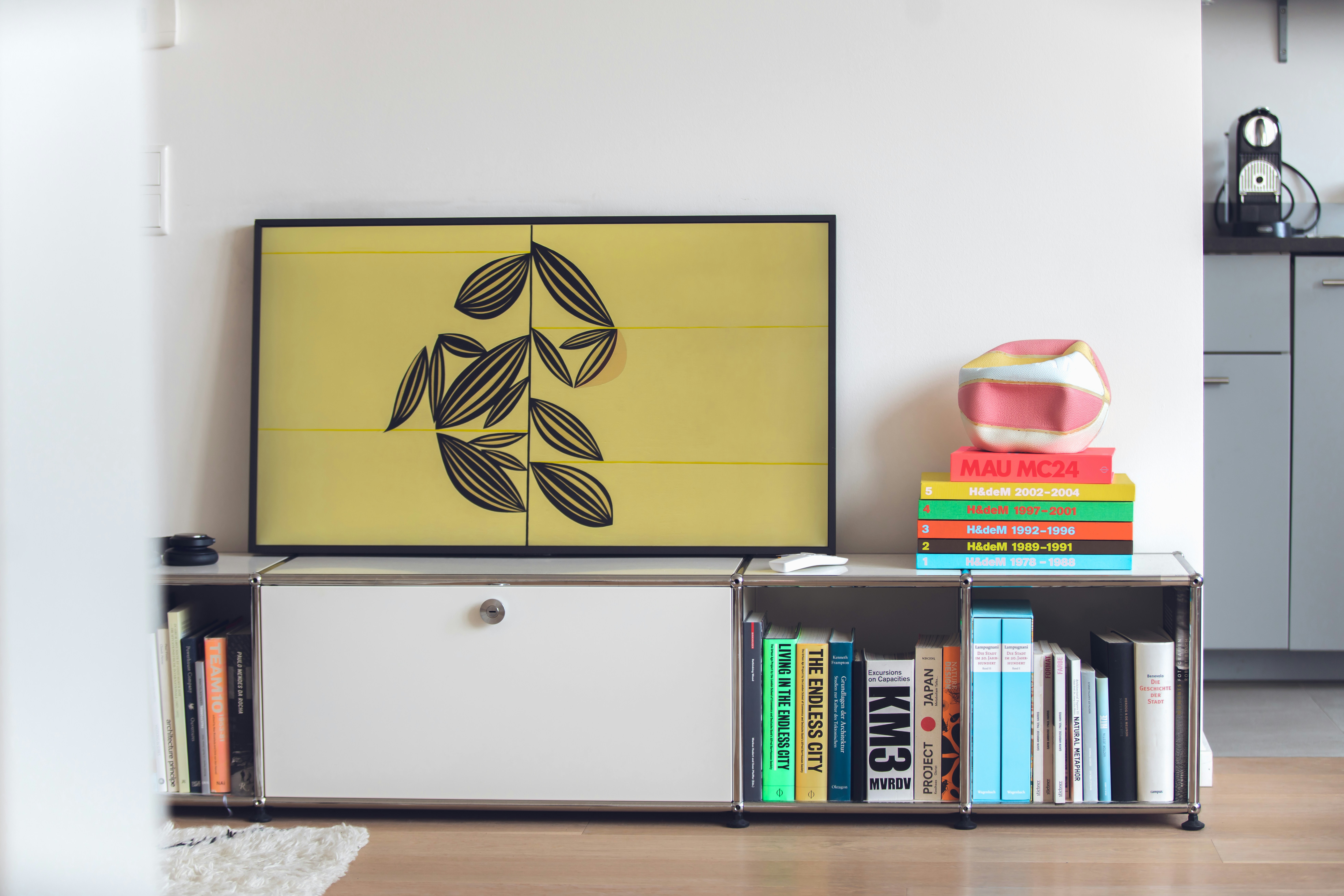
takes a more adventurous approach, integrating their TVs seamlessly into various lifestyles. They offer a broader range of “lifestyle” models: - The Frame: Designed to look like a framed piece of art when not in use
, with a matte screen and customizable bezels. CHOICE notes its “convincing canvas look”. - The Serif: A unique, furniture-like design that looks good from every angle.
The Sero: A TV that rotates from horizontal to vertical, perfect for mobile content.
- Our Take: If you want your TV to disappear or blend into your decor, Samsung often has more unique options. If you
prefer a pure, unadulterated screen experience with minimal distractions, LG’s OLEDs are hard to beat.
2. Build Quality and Materials: Premium Feel
Both brands use high-quality materials in their premium offerings
. You’ll find a lot of metal, glass, and sturdy plastics.
- LG: Their OLEDs often feature metal backplates and solid stands, giving them a premium, robust feel. The construction is generally excellent, reflecting
their flagship status. - Samsung: Similarly, Samsung’s high-end QLEDs and QD-OLEDs boast impressive build quality with metal finishes and thoughtful cable management solutions. Even their mid-range models often feel well-constructed
.
Manufacturing Origin: It’s interesting to note that “LG TVs are predominantly made in Indonesia; Samsung TVs are generally made in Vietnam”. While this doesn’t directly impact quality for the end-
user (as quality control standards are global), it’s a little tidbit about their supply chains.
3. Stand Stability and Wall Mounting
- LG: LG’s stands are generally well-designed and stable
, though they can vary in footprint. Many of their OLEDs are increasingly designed with wall-mounting in mind, offering slim-profile mounts that make the TV almost flush with the wall. - Samsung: Samsung also offers stable stands
, and their lifestyle TVs often come with unique stand options (like the easel-style stand for The Serif). For wall mounting, Samsung’s “No Gap Wall Mount” for some models is a popular choice, allowing the TV to sit extremely
close to the wall.
4. The Remote Control Evolution: Less is More (Sometimes)
The humble remote control has also seen an evolution, often towards minimalism, which has both fans and critics.
- LG Magic
Remote: As mentioned, LG’s Magic Remote with its pointer function is a fan favorite for its intuitive navigation. However, CHOICE notes that “LG’s 2025 remote design is now ‘almost identical to Samsung’s’ (minimalist), which experts find ‘harder to use’ than the 2024 models with clearly defined buttons”. This suggests a shift towards fewer physical buttons, which might not please everyone. - Samsung Solar
Cell Remote: Samsung has embraced minimalism for years, often featuring a sleek, button-sparse remote that can be charged via solar power or USB-C. While innovative, CHOICE points out that “Samsung remotes lack numeric keys,” which can
be a minor annoyance for some users.
Our Take on Remotes: If you prefer a traditional remote with plenty of physical buttons, you might want to seek out older LG models (2024 or earlier)
. Otherwise, both brands offer modern, minimalist remotes that rely heavily on smart TV interfaces and voice commands.
In terms of design and build quality, both LG and Samsung offer premium products, especially at the higher end.
Your choice here will likely come down to your personal aesthetic preferences and whether you want a TV that blends in, stands out, or offers unique lifestyle features.
💰 Value for Money: Which Brand Offers the Best Bang for Your Buck?
Ah, the age-old question: “Is it worth it?” When it comes to TVs
, value isn’t just about the lowest price tag; it’s about the performance, features, and longevity you get for your investment. Both LG and Samsung offer a vast spectrum of TVs, from budget-friendly options to eye-watering
flagships. So, where do you get the most bang for your buck?
1. The Price Landscape: A Wide Range for Everyone
Both LG and Samsung have models across almost every price point, but their sweet spots and entry
points differ.
- LG:
- OLED Dominance: LG’s strength lies in its OLED lineup. While these are generally premium TVs, LG offers a range within OLED, from the more accessible B
-series to the feature-packed G-series. If you’re looking for an OLED, LG often provides the best value due to their long-standing expertise and economies of scale in this technology. - LCD Offer
ings: LG also has a strong presence in the LCD market (NanoCell, QNED), competing directly with Samsung’s QLEDs. These can be great Affordable TV Options, but as RTINGS.com notes, “entry-level options are often overpriced with inferior picture quality compared to competitors” like TCL and Hisense. - Samsung:
QLED Variety: Samsung’s QLED lineup is incredibly diverse, offering a “varied lineup for multiple user personas”. You can find QLEDs from mid-range to ultra-premium Neo QLEDs that
compete directly with LG’s OLEDs.
- Lifestyle TVs: Samsung’s unique lifestyle TVs (The Frame, The Serif, The Sero) often come with a premium for their design and integrated features.
QD-OLED: Samsung’s newer QD-OLEDs are currently positioned at the premium end, often commanding a higher price than comparable LG WOLEDs, reflecting their cutting-edge technology.
Our Take: It’
s tough to give a blanket statement. If your heart is set on an OLED, LG often provides exceptional value within that category. If you’re looking for a bright, vibrant LED TV, Samsung’s QLEDs offer a fantastic
range, but be wary of their lowest-tier LED models, which might not offer the best performance for their price.
2. The Sweet Spot: Mid-Range Magic
For many consumers, the sweet
spot lies in the mid-range, where you get a significant jump in performance and features without breaking the bank.
- LG’s C-Series OLEDs: The LG C-series OLEDs (e.g., LG C3, LG C4) are often considered the best value OLEDs on the market. They offer nearly all the picture quality benefits of the higher-end G-series at a more palatable price.
- Samsung’s Q
LEDs (Q80C/Q90C equivalent): Samsung’s mid-to-high-end QLEDs (e.g., the Q80C or Q90C series) offer excellent brightness
, color, and gaming features, providing a great balance of performance and price for an LED TV.
3. When to Buy: Timing is Everything!
Want to snag a deal? “Don’t be afraid to purchase a
TV that was released in 2025 if you can find it for a good price – you’ll get similar features and performance for less money,” advises CHOICE. The best time to buy a new TV is typically
April to June, as retailers clear out the previous year’s stock to make way for new models. Black Friday and other major sales events are also prime opportunities.
4. Long-Term Value: Updates
and Longevity
Consider the long-term value, not just the initial purchase price.
- OS Updates: Samsung offers an impressive 7 years of OS updates, while LG guarantees 5 years
. This is a significant factor in the longevity of your smart TV features. - Reliability: CHOICE consistently ranks LG higher on reliability and customer satisfaction. While individual experiences vary, this suggests a
strong track record for LG.
The Value Verdict
Ultimately, the “best value” depends on your specific needs and budget.
-
For the Best Overall Picture Quality (OLED) at a Reasonable Price: LG
‘s C-series OLEDs are incredibly hard to beat. -
For Bright Room Performance and Vibrant Colors (LED): Samsung’s mid-to-high-end QLEDs offer excellent value.
-
For Budget-Conscious Buyers: Both brands have entry-level LCDs, but be sure to compare them carefully with offerings from brands like TCL and Hisense, as LG and Samsung’s cheaper models can sometimes be
“overpriced” for their performance.
Remember, “Buying based on brand alone can sometimes leave you disappointed… The performance, features and usability of specific product models can vary significantly,” warns CHOICE. Do
your homework, compare specific models, and don’t be afraid to wait for a sale!
## 🚫 Common Pitfalls: What to Avoid When Buying an LG or Samsung TV
Alright, intrepid TV shopper, you’re armed with knowledge about LG and Samsung’s strengths. But even the savviest buyers can stumble.
As your expert team at TV Brands™, we’ve seen it all, and we’re here to help you dodge those common pitfalls and ensure your TV purchase is a triumphant one.
1. Falling for the “Entry-Level
Trap” 📉
This is a big one! Both LG and Samsung offer a wide range of TVs, including very affordable entry-level LCD models. While the brand name might be reassuring, these budget-friendly options often lack the
advanced features and picture quality that make their premium counterparts so appealing.
- The Problem: RTINGS.com explicitly states that both LG and Samsung’s entry-level LED models are “generally overpriced compared to competitors like
TCL and Hisense” and “often lack advanced features like local dimming or wide color gamut”. You might end up paying a premium for the brand name without getting the performance you expect. - Our
Advice: If your budget is tight, seriously consider other brands like TCL or Hisense, which often offer better features and performance for the price in the entry-level segment. If you’re set on LG or Samsung, stick to their
higher-end LED models or consider an OLED if your budget allows. Don’t assume a Samsung or LG badge automatically means superior quality at the lowest price points.
2. Ignoring Your Viewing Environment 💡
This is perhaps
the most crucial mistake! The “best” TV for a dimly lit home theater is very different from the “best” TV for a sun-drenched living room.
- The Problem: Buying an LG OLED for a room
with huge, uncovered windows might lead to disappointment because, while OLEDs are brighter than ever, they can still struggle with glare and reflections in extremely bright conditions. Conversely, buying a super-bright Samsung QLED for a dedicated, dark home
theater might be overkill, and its local dimming, while good, won’t match an OLED’s perfect blacks. - Our Advice: Assess your room first!
- Bright Room? Consider
Samsung QLED or QD-OLED for their superior peak brightness and often better reflection handling (especially Samsung’s matte screen coatings on some QD-OLEDs).
Dark Room/Home Theater? LG OLED is king here, offering unparalleled contrast and black levels for an immersive cinematic experience.
3. Forgetting About Picture Settings ⚙️
Many people take their TV out of the box
, plug it in, and never touch the settings again. Big mistake!
- The Problem: TVs often come with “Vivid” or “Dynamic” modes enabled by default, which might look punchy in a brightly lit showroom
but are often wildly inaccurate and fatiguing for home viewing. CHOICE notes that “LG defaults to a ‘cooler’ look; Samsung defaults to a ‘vivid’ color gamut”. - Our Advice:
“Playing around with the settings will give you a much better watching experience,” says CHOICE. - Calibrate! At the very least, switch to a “Cinema,” “Filmmaker Mode
” (which Samsung TVs “tend to look much better on”), or “Standard” picture mode. Turn off motion smoothing (the “soap opera effect”) unless you really like it for sports. - Explore
: Dig into the settings for brightness, contrast, color, and sharpness. There are plenty of online guides and even professional calibrators who can help optimize your picture.
4. Overlooking Audio (Unless You Have a Plan) 🔊
While we always recommend a dedicated sound system, many people still rely on built-in TV speakers.
- The Problem: As we discussed, built-in TV audio can be underwhelming, especially on thinner panels. You might get
a stunning picture but a flat, lifeless sound. - Our Advice: If you don’t plan on buying a soundbar immediately, pay attention to reviews of the TV’s built-in audio. If you do
plan on a soundbar, consider getting one from the same brand (LG WOW Orchestra or Samsung Q-Symphony) to unlock enhanced audio features.
5. Ignoring Connectivity Needs
🔌
HDMI ports, USB ports, eARC – these acronyms matter!
- The Problem: You get your new TV home, only to realize you don’t have enough HDMI 2.1 ports for your new
console, soundbar, and streaming device. Or perhaps you need a specific type of USB port for your external hard drive. - Our Advice: Count your devices! Ensure the TV you’re eyeing has enough of
the right type of ports (especially HDMI 2.1 for next-gen gaming and eARC for soundbars). Most mid-range and premium LG and Samsung TVs offer four HDMI 2.1 ports, which is usually sufficient.
By avoiding these common pitfalls, you’ll be well on your way to making an informed decision and enjoying your new LG or Samsung TV to its fullest!
🏁 Final Verdict: Who Wins the Battle of the Korean Giants?
After dissecting every pixel, scrutinizing every smart feature, and weighing every design choice, we
arrive at the million-dollar question: Which TV is best, LG or Samsung?
If you’ve been hoping for a definitive, one-size-fits-all answer, prepare for a classic “TV Brands™” twist
: there is no single, undisputed champion.
Gasp! We know, we know. But hear us out! As RTINGS.com wisely states, “There is no clear winner in a straight-up battle;
both brands offer a wide range from entry-level 1080p to premium 4K/8K flagships”. The truth is, both LG and Samsung are titans of the industry, pushing
the boundaries of television technology year after year. Their rivalry is our gain, driving innovation and offering an incredible array of choices.
However, we can confidently declare winners based on your specific needs and priorities:
For the Cinematic Purist & Dark Room Dweller:** If you crave perfect blacks, infinite contrast, and unparalleled immersion for movies and high-quality content in a dimly lit environment, LG OLED is your undisputed champion. Its
pixel-level control creates a picture depth that even the best QLEDs can’t quite match. Choice’s expert verdict is clear: “If you’re considering an OLED, you’re better off buying an LG”.
- For the Bright Room Enthusiast & HDR Lover: If your viewing space is often bathed in sunlight and you want blindingly bright highlights and vibrant, punchy colors that cut through glare, **
Samsung’s high-end QLEDs (especially Neo QLED) or their newer QD-OLEDs** are your best bet. Their sheer brightness and excellent reflection handling make them shine in challenging lighting conditions. The featured video highlights Samsung’s
“brightness wins” philosophy, making them ideal for bright rooms. - For the Hardcore Gamer: This is a tight race! LG OLEDs have long been the gold standard for gaming due to their incredibly
low input lag and fast response times. However, Samsung’s QLEDs and QD-OLEDs are formidable contenders, offering equally impressive refresh rates, VRR support, and unique gaming features like DLG and virtual cross
hairs. If you prioritize absolute responsiveness, LG might have a slight edge. If you want unique gaming tools and bright-room performance, Samsung delivers. - For the Smart Home Enthusiast & Design-
Conscious: If you value a TV that seamlessly integrates into your smart home ecosystem and offers unique, aesthetically pleasing designs (like The Frame or The Serif), Samsung often has the edge with its broader range of “lifestyle” TVs
. - For Value in the OLED Space: If you want the OLED experience without the absolute top-tier price, LG’s C-series OLEDs consistently offer the best balance of performance and value
. - For Long-Term Software Support: Samsung pulls ahead with a commitment to 7 years of OS updates, compared to LG’s 5 years. This is a significant factor for the
longevity of your smart TV’s features.
Remember, “You shouldn’t choose a TV solely by brand,” as RTINGS.com advises. Instead, “understanding what each brand focuses on can help guide your buying decision
“.
So, which Korean giant takes the crown? It’s not about one reigning supreme over all categories, but rather which one aligns perfectly with your viewing habits, your living space, and *your
- budget. The battle continues, and we, the expert team at TV Brands™, are thrilled to be your guides through this exciting landscape.
But wait, there’s more! We’ve covered a lot, but you might still have some
lingering questions. Don’t worry, we’re not done yet. Stick around for our comprehensive FAQ section, where we’ll tackle your burning questions and tie up any loose ends!