Support our educational content for free when you purchase through links on our site. Learn more
LG TV Series Differences Explained: 2026 Ultimate Guide 📺

Ever walked into an electronics store, stared at a wall of glowing rectangles, and felt like you needed a decoder ring just to buy a TV? You’re not alone. At TV Brands™, we’ve spent years untangling the alphabet soup of LG’s lineup, from the budget-friendly B-Series to the gallery-worthy G-Series and the futuristic Micro RGB. The truth is, the difference between an LG C-Series and a G-Series isn’t just a few dollars; it’s a fundamental shift in brightness, design, and how your living room looks when the lights are on.
In this deep dive, we’re stripping away the marketing jargon to reveal exactly what sets each series apart. We’ll decode the mysterious model numbers, compare the battle between OLED evo and QNED Mini LED, and help you decide if you really need to spend extra for that “flush wall mount” or if the standard stand will do just fine. Spoiler alert: For most gamers and movie lovers, the C-Series is the sweet spot, but if you have a sun-drenched room, the G-Series might be your only savior.
Key Takeaways
- Decode the Letters: G stands for Gallery (flagship brightness & design), C is the Core (best value & gaming), and B is the Budget (entry-level OLED).
- OLED vs. QNED: Choose OLED for perfect blacks in dark rooms; choose QNED Mini LED for maximum brightness in sun-filled spaces.
- Gaming Matters: The C-Series and G-Series both offer four full HDMI 2.1 ports and 14Hz support, making them superior to the B-Series for next-gen consoles.
- Design Counts: Only the G-Series comes with a flush wall mount included, while other series require separate purchases for a floating look.
👉 Shop the Best LG TV Series:
- LG OLED C-Series: Amazon | Walmart | LG Official
- LG OLED G-Series: Amazon | Walmart | LG Official
- LG QNED Mini LED: Amazon | Walmart | LG Official
Table of Contents
- ⚡️ Quick Tips and Facts
- 📜 A Brief History of LG’s Display Evolution: From Plasma to Micro RGB
- 🧐 Decoding the Alphabet Soup: Understanding LG’s TV Series Naming Conventions
- 🏆 The Flagship Showdown: Comparing LG OLED evo G-Series vs. C-Series vs. B-Series
- 1. LG OLED evo G-Series: The Gallery Masterpiece for Bright Rooms
- 2. LG OLED evo C-Series: The All-Rounder King of Value and Performance
- 3. LG OLED B-Series: The Budget-Friendly Entry into Pure Black Perfection
- 🚀 The New Frontier: Exploring LG’s Micro RGB and QNED evo Mini LED Technologies
- 4. LG Micro RGB evo: The Future of Color and Brightness
- 5. LG QNED evo Mini LED: The Brightest Alternative to OLED
- 🖼️ Design Matters: Comparing LG Gallery, Art, and Standard Bezel-Free Models
- 🎮 Gaming Glory: Which LG TV Series Wins for PS5, Xbox Series X, and PC Gaming?
- 📺 Size, Scale, and Screen Real Estate: Finding the Right Fit for Your Room
- 🧠 Smart TV Smarts: Deep Dive into webOS, AI Picture Pro, and ThinQ Integration
- 💡 Quick Tips and Facts: Hidden Features and Setup Hacks You Need to Know
- 🏁 Conclusion: Picking Your Perfect LG TV Match
- 🔗 Recommended Links
- ❓ FAQ: Your Burning Questions About LG TV Series Differences Answered
- 📚 Reference Links
⚡️ Quick Tips and Facts
Before we dive into the deep end of the pool, let’s grab a floatie and hit you with some essential truths about the LG TV landscape. If you’re feeling overwhelmed by the alphabet soup of model numbers, you aren’t alone. We’ve spent countless hours in darkened rooms and sun-drenched living rooms testing these beasts, and here is what you need to know right now:
- The “Year” Code is Your Best Friend: LG changed its naming game recently. If you see a model ending in 5, it’s a 2025 model. A 6 means 2026. It’s that simple. No more guessing if you’re buying last year’s tech!
- OLED vs. QNED is the Big Battle: It’s not just about “better” or “worse.” It’s about environment. If your room is a cave, OLED is king. If your room is a sunroom, QNED Mini LED might actually win the brightness war.
- Gaming is Non-Negotiable: For serious gamers, ignore anything under 120Hz. The C-Series and G-Series are the gold standards here, offering four full HDMI 2.1 ports.
- The “B” Series is the Sleeper Hit: Don’t sleep on the B-Series. It’s often 20-30% cheaper than the C-Series but offers 90% of the performance for the average viewer.
- webOS is Getting Smarter: The new AI Magic Remote isn’t just a gimmick; the voice control and point-and-click navigation are genuinely intuitive, though we still miss the physical buttons on the old remotes.
For a deeper dive into whether these features actually translate to real-world quality, check out our comprehensive analysis on Is LG TV good quality?.
📜 A Brief History of LG’s Display Evolution: From Plasma to Micro RGB
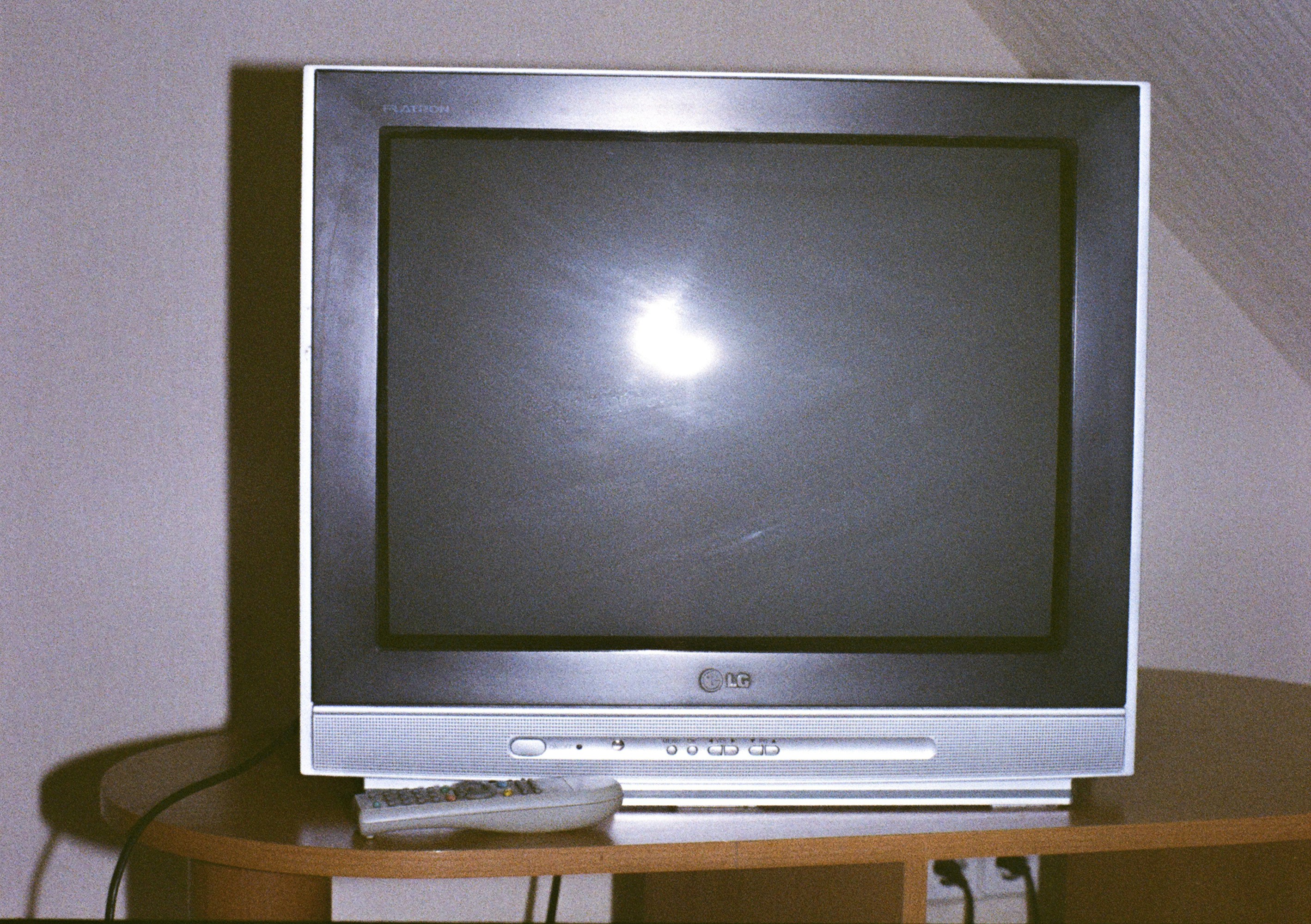
To understand where LG is going, we have to look at where it came from. It wasn’t always about “perfect blacks” and “infinite contrast.” Back in the day, LG was a titan of Plasma technology. Remember those heavy, hot, but incredibly vibrant screens? They were the kings of motion handling until the LED revolution hit.
LG made a bold pivot, betting the farm on OLED (Organic Light-Emiting Diode) technology. While competitors were struggling with burn-in fears and dimness, LG doubled down. By 2013, they were already the No. 1 selling OLED TV Brand globally, a title they’ve held for over a decade according to Omdia.
But LG didn’t stop there. They realized that while OLED was perfect for contrast, it struggled in super-bright rooms. Enter QNED (Quantum Dot NanoCell Emiting Diode), a hybrid of Quantum Dot and NanoCell tech, eventually evolving into Mini LED backlights for the QNED evo line.
And now? We are on the cusp of Micro RGB. This isn’t just an iteration; it’s a paradigm shift. By using microscopic red, green, and blue emitters, LG aims to combine the infinite contrast of OLED with the raw brightness of Mini LED. It’s the “Holy Grail” of display tech, and LG is leading the charge.
🧐 Decoding the Alphabet Soup: Understanding LG’s TV Series Naming Conventions
Let’s crack the code. LG’s model numbers look like a secret agent’s dossier, but they are actually a roadmap. Once you know the syntax, you can spot a flagship from a budget model in seconds.
The Formula
[Size] [Panel Type] [Series Letter] [Year Code] [Region/Design]
- Size: The first number (e.g., 65 in 65C3) is the diagonal screen size inches.
- Panel Type:
OLED: Self-lit pixels (Perfect blacks).
QNED: LED with Quantum Dots (Brighter, good contrast).
UHD/NanoCell: Standard LED (Entry-level). - Series Letter (The Hierarchy):
G: Gallery/Flagship (Best brightness, best design).
C: Core/All-Rounder (Best value, best performance balance).
B: Budget/Entry (Great performance, fewer bells and whistles).
A: Basic (Rarely seen in the US, often just “UHD”).
M: Wireless (Zero Connect Box included). - Year Code:
5 = 2025
6 = 2026
4 = 2024 - Suffix: Sometimes indicates specific regional features or stand designs (e.g., “B” for a specific stand type).
Pro Tip: If you see a number like 93 or 87 in the QNED line, that’s the series number. Higher is better. QNED93 > QNED87 > QNED84.
🏆 The Flagship Showdown: Comparing LG OLED evo G-Series vs. C-Series vs. B-Series
This is the meat and potatoes of the LG lineup. These three series share the same DNA (OLED technology) but serve different masters. Let’s break them down with our expert ratings.
Rating Table: LG OLED Series Comparison (2025/2026 Models)
| Feature | LG G-Series (Gallery) | LG C-Series (Core) | LG B-Series (Budget) |
|---|---|---|---|
| Picture Quality | 10/10 | 9.5/10 | 9/10 |
| Brightness (Peak) | 10/10 (Tandem OLED) | 9/10 (Brightness Booster) | 8/10 (Standard) |
| Gaming Features | 10/10 (165Hz) | 10/10 (14Hz) | 9/10 (120Hz) |
| **Design/Aesthetics | 10/10 (Flush Wall Mount) | 9/10 (Standard Stand) | 8/10 (Standard Stand) |
| Value for Money | 7/10 | 10/10 | 9.5/10 |
| Best For | Bright Rooms & Design | All-Rounders | Dark Rooms & Budget |
1. LG OLED evo G-Series: The Gallery Masterpiece for Bright Rooms
The G-Series is LG’s “Gallery” line, designed to look like art when off and a window to another world when on.
- The Tech: It uses Primary RGB Tandem OLED (in 2025/2026 models), stacking two OLED layers to boost brightness by up to 40% compared to the C-Series.
- The Stand: It comes with a Gallery Stand that sits flush against the wall, but the real magic is the included flush wall mount. It looks like it’s floating.
- The Catch: The stand is designed for wall mounting. If you want to put it on a cabinet, you often need to buy a separate stand (though some 2025 models now include a standard stand option, check the box!).
- Who is it for? You have a bright living room, you want the absolute best picture, and you love the “art gallery” aesthetic.
2. LG OLED evo C-Series: The All-Rounder King of Value and Performance
The C-Series is the “Goldilocks” of the TV world. It’s not too hot, not too cold; it’s just right.
- The Tech: It uses WOLED evo with a Brightness Booster. While not as bright as the G-Series, it’s significantly brighter than the B-Series.
- The Processor: It often gets the Alpha 9 AI Processor, which handles upscaling and motion smoothing better than the B-Series.
- The Ports: It features four full HDMI 2.1 ports, making it the ultimate gaming console for PS5 and Xbox Series X owners.
- Who is it for? Gamers, movie buffs, and anyone who wants 95% of the flagship performance for a much friendlier price.
3. LG OLED B-Series: The Budget-Friendly Entry into Pure Black Perfection
Don’t let the “B” stand for “Bad.” The B-Series is the entry point to the OLED club, and it’s a fantastic one.
- The Tech: Standard WOLED (no evo, no brightness booster). The blacks are still perfect, but the peak brightness is lower.
- The Processor: Usually equipped with the Alpha 8 AI Processor. It’s still excellent, just a step down in AI upscaling power.
- The Compromise: It might have fewer HDMI 2.1 ports (sometimes only 2 or 3 are full 4K/120Hz) and lacks the advanced motion features of the C and G series.
- Who is it for? Budget-conscious buyers who prioritize contrast over brightness, or those with a dedicated home theater room.
👉 Shop LG OLED TVs on:
- LG G-Series: Amazon | Walmart | LG Official
- LG C-Series: Amazon | Walmart | LG Official
- LG B-Series: Amazon | Walmart | LG Official
🚀 The New Frontier: Exploring LG’s Micro RGB and QNED evo Mini LED Technologies
If OLED is the king of contrast, Mini LED is the king of brightness. And LG is pushing this harder than ever with their QNED evo line. But wait, there’s a new kid on the block: Micro RGB.
4. LG Micro RGB evo: The Future of Color and Brightness
This is the tech that has us droling. Micro RGB (sometimes referred to as Micro LED in broader contexts, but LG’s specific implementation is distinct) aims to solve the two biggest weaknesses of OLED: burn-in and brightness.
- How it works: Instead of organic materials that degrade, it uses inorganic micro-LEDs for Red, Green, and Blue. This means no burn-in and massive brightness levels that rival the sun.
- The 2026 MRGB95B: This model is a beast. It promises the infinite contrast of OLED with the brightness of a high-end projector. It’s the future, but it comes with a “future” price tag.
- Verdict: If you have a room with windows that can’t be covered and you want a TV that lasts 20 years without degradation, this is the one.
5. LG QNED evo Mini LED: The Brightest Alternative to OLED
For most people, the QNED evo line is the sweet spot between LED and OLED.
- The Tech: It uses Mini LED backlights with Precision Diming Pro. This means thousands of tiny LEDs can dim individually, creating deep blacks (though not perfect black like OLED) and incredible brightness.
- The Series Breakdown:
QNED84/85/86: Great for casual viewing. Edge-lit or basic Mini LED.
QNED93: The flagship QNED. Full Array Mini LED with Dynamic QNED Colour Pro. This is the one to beat if you hate OLED burn-in fears.
QNED9M: The wireless wonder. Uses the Zero Connect Box to send 4K 14Hz video wirelessly up to 10 meters. - Who is it for? Bright living rooms, sports fans who need high brightness, and people who leave static images on screen for hours (news tickers, stock charts).
👉 Shop LG QNED TVs on:
- LG QNED93: Amazon | Walmart | LG Official
- LG QNED86/87: Amazon | Walmart | LG Official
🖼️ Design Matters: Comparing LG Gallery, Art, and Standard Bezel-Free Models
We’ve all been there: You buy a beautiful TV, and then you realize the stand is ugly, or the bezels are thick, ruining the immersion. LG takes design seriously.
- Gallery Design (G-Series): As mentioned, these are built to be wall-mounted. The back is flat, and the stand is often an optional add-on for cabinet use. The bezels are virtually non-existent.
- Standard Design (C & B Series): These come with a sturdy, often metallic stand. The bezels are thin, but they are there. They are designed to sit on a media console.
- The “Airslim” Factor: Some QNED models (like the QNED87) feature an ultra-thin profile that rivals the G-Series, making them look premium even on a stand.
Pro Tip: If you are mounting your TV, always check if the model includes the flush wall mount. The G-Series does; the C-Series usually does not (you have to buy a VESA mount separately).
🎮 Gaming Glory: Which LG TV Series Wins for PS5, Xbox Series X, and PC Gaming?
Gamers, listen up. This is where LG absolutely dominates the market. But not all LG TVs are created equal for gaming.
The Gaming Hierarchy
-
The Ultimate Choice: G-Series (and M-Series)
Refresh Rate: Up to 165Hz (on 2025/2026 models).
VRR: Supports NVIDIA G-Sync, AMD FreeSync Premium, and VESA Adaptive Sync.
HDMI 2.1: Four full ports.
Why? The Alpha 1 AI Processor handles motion with zero lag, and the brightness ensures HDR games pop even in daylight. -
The Sweet Spot: C-Series
Refresh Rate: 14Hz (PC) / 120Hz (Consoles).
VRR: Full support for G-Sync and FreeSync.
HDMI 2.1: Four full ports.
Why? It has the same gaming features as the G-Series but at a lower price. The only difference is peak brightness and the stand design. -
The Budget Gamer: B-Series
Refresh Rate: 120Hz.
VRR: Supported, but sometimes limited to specific ports.
HDMI 2.1: Often only 2 ports are full 4K/120Hz.
Why? It’s great for casual gaming, but if you’re a competitive FPS player, the lower brightness and potential port limitations might bother you.
Don’t forget the QNED93: If you play in a bright room, the QNED93 offers 14Hz and G-Sync with much higher brightness than the B-Series, making it a viable alternative for bright room gamers.
📺 Size, Scale, and Screen Real Estate: Finding the Right Fit for Your Room
One of the biggest mistakes people make is buying a TV that’s too small. With 4K resolution, you can sit closer without seeing pixels.
- 42″ – 48″: Perfect for bedrooms, dorms, or as a secondary gaming monitor. The LG C42 and B42 are popular here.
- 5″ – 65″: The sweet spot for most living rooms. This is where the C-Series and G-Series shine.
- 75″ – 83″: The home theater experience. The G-Series goes up to 97″, which is massive.
- 85″ – 97″: For the ultimate immersion. Note that at these sizes, OLED can get expensive, so QNED93 or UHD models might be more budget-friendly.
Rule of Thumb: For 4K content, sit at a distance of 1.5x the screen width. For a 65″ TV, that’s about 8 feet. For an 83″ TV, you can sit as close as 6 feet!
🧠 Smart TV Smarts: Deep Dive into webOS, AI Picture Pro, and ThinQ Integration
LG’s webOS has come a long way. It’s no longer the clunky interface of the past.
- webOS 2025: The new interface is faster, more streamlined, and features a Content Hub that aggregates shows from all your streaming apps.
- AI Magic Remote: This is a game-changer. It acts like a mouse cursor, allowing you to point and click. It also has voice control that understands natural language (“Find me a comedy from the 90s”).
- AI Picture Pro: This feature uses deep learning to upscale lower-resolution content (like cable TV or old DVDs) to near-4K quality. It analyzes the scene and adjusts color, sharpness, and contrast in real-time.
- ThinQ Integration: If you have smart home devices, LG TVs integrate seamlessly with Google Home and Amazon Alexa. You can control your lights, thermostat, and even see your doorbell camera feed on the TV.
One Caveat: LG does not support HDR10+. They stick to Dolby Vision and HDR10. If you have a massive library of HDR10+ content (mostly from Samsung or Amazon Prime), this might be a slight downside, though Dolby Vision is generally considered superior.
💡 Quick Tips and Facts: Hidden Features and Setup Hacks You Need to Know
We’ve saved the best for last. Here are some insider tips to get the most out of your new LG TV:
- Turn Off “Energy Saving”: By default, LG TVs have an energy-saving mode that dims the screen. Go to Settings > Picture > Energy Saving and turn it off for the best picture.
- Enable “Filmmaker Mode”: This disables motion smoothing (soap opera effect) and sets the color temperature to the director’s intent. It’s the best way to watch movies.
- The “Re:New” Program: LG promises 5 years of software updates for their 2020+ models. This means your TV won’t become obsolete in two years.
- Calibration: Don’t trust the “Vivid” mode. It looks great in the store but is terrible for home. Switch to Cinema or Filmmaker mode immediately.
- Burn-in Prevention: If you watch a lot of news or play games with static HUDs, enable Screen Shift and Logo Luminance Adjustment in the settings. Modern OLEDs are much better at this, but it doesn’t hurt to be safe.
For more on how long these TVs last, check out our guide on Television Lifespan.
🏁 Conclusion: Picking Your Perfect LG TV Match
So, we’ve journeyed from the humble beginnings of plasma to the futuristic world of Micro RGB. We’ve decoded the alphabet soup, compared the G, C, and B series, and even tackled the QNED vs. OLED debate. But which one should you buy?
If you want the absolute best picture quality and have a bright room, the LG G-Series (2025/2026) is your winner. It’s brighter, bolder, and looks like a piece of art.
If you want the best value and a perfect balance of performance for gaming and movies, the LG C-Series is the undisputed champion. It offers 95% of the G-Series performance for a fraction of the price.
If you are on a budget but still want that magical OLED contrast, the B-Series is a fantastic entry point that won’t disappoint.
And if you have a sun-drenched living room and fear burn-in, the QNED93 or the new Micro RGB models are the way to go.
The Verdict: For 90% of people, the LG C-Series is the smartest buy. It’s the “Goldilocks” that hits the sweet spot of performance, features, and price. But if you have the budget and the room, the G-Series is a true luxury experience.
Ready to upgrade your home theater? The choice is yours, and with LG’s lineup, you really can’t go wrong.
🔗 Recommended Links
Looking for the best deals or more detailed reviews? Check out these resources:
- 👉 Shop LG OLED TVs: Amazon | Walmart | LG Official Store
- 👉 Shop LG QNED TVs: Amazon | Walmart | LG Official Store
- Best TV Mounts: Amazon | Best Buy
- Recommended Books: The Ultimate Guide to Home Theater
❓ FAQ: Your Burning Questions About LG TV Series Differences Answered
What do the LG TV model numbers mean?
LG model numbers follow a specific pattern: [Size][Panel][Series][Year][Region]. For example, in 65C3PUA, 65 is the size, C is the series (Core), 3 indicates the 2023 model year, and PUA is the region code. The higher the series letter (G > C > B), the better the features.
Read more about “🏆 LG OLED TV Review 2026: The Ultimate Guide to Perfect Blacks”
What is the difference between LG U series and UQ series?
The UQ series (e.g., UQ75) is the newer generation of the U series (e.g., UP7). They are both entry-level 4K TVs. The UQ series generally features a slightly newer processor (Alpha 5 vs Alpha 7) and better upscaling, but the core performance is similar. They are budget options for casual viewing.
Read more about “Is TCL or Vizio Better? 12 Expert Insights to Decide in 2026 📺”
What is the difference between LG Series C and G?
The C-Series is the all-rounder with standard OLED panels and a standard stand. The G-Series is the flagship with OLED evo (or Tandem OLED) for higher brightness, a flush wall mount included, and often a more premium design. The G-Series is better for bright rooms, while the C-Series offers better value.
Read more about “Are LG TVs Good for the Money? (2026) 📺”
What are the different classes of LG TV?
LG TVs are generally classified into three main tiers:
- OLED (G, C, B, M): Self-lit pixels, perfect blacks, best for dark rooms.
- QNED (93, 87, 86, 85, 84): Mini LED or Edge LED with Quantum Dots, high brightness, best for bright rooms.
- UHD/NanoCell (UQ, NU): Standard LED, entry-level, good for casual viewing.
Read more about “Best Samsung TV 65-Inch … 📺”
What are the main differences between LG C series and G series TVs?
The main differences are brightness (G is brighter due to evo/Tandem tech), design (G has a flush wall mount), and price (G is more expensive). The C-Series has a standard stand and slightly lower peak brightness but shares the same gaming features (120Hz/14Hz) and HDMI 2.1 ports.
Read more about “🏆 8 Best TV Brands of 2026: Who Really Reigns Supreme?”
How does the LG B series compare to the C series in terms of picture quality?
The B-Series uses standard WOLED, while the C-Series uses WOLED evo with a Brightness Booster. This means the C-Series is brighter and has slightly better motion handling. However, in a dark room, the difference is minimal. The B-Series is an excellent budget alternative if you don’t need the extra brightness.
Read more about “🏆 Best LG TV 2026: Top 7 Picks for Every Budget & Room”
Which LG TV series is best for gaming: B, C, or G?
The C-Series and G-Series are tied for best gaming performance, both offering four full HDMI 2.1 ports, 120Hz/14Hz refresh rates, and G-Sync support. The G-Series wins if you need higher brightness for HDR gaming in a bright room. The B-Series is good but may have fewer full HDMI 2.1 ports.
Read more about “🏆 Samsung vs. LG Smart TV: The 2026 Showdown (7 Key Battles)”
What is the difference between LG NanoCell and OLED TV series?
NanoCell (now often part of the UHD line) is a standard LED TV with a color filter to improve color accuracy. It has lower contrast and blacks than OLED. OLED uses self-lit pixels for perfect blacks and infinite contrast. OLED is superior for picture quality, while NanoCell is a budget-friendly option.
Is LG TV good quality?
Yes, LG TVs are widely considered to be among the best in the industry, particularly for their OLED technology. They consistently rank #1 in OLED sales and offer excellent gaming features, smart interfaces, and build quality. For a detailed breakdown, read our full review on Is LG TV good quality?.
📚 Reference Links