Support our educational content for free when you purchase through links on our site. Learn more
Is LG TV Good Quality? The 2026 Verdict on OLED vs. LED 📺

Is LG TV good quality? It’s the question that haunts every shopper staring at a wall of glowing screens, wondering if the hype is real or just marketing fluff. We’ve spent countless hours in our darkened testing labs, from the pitch-black perfection of the LG G5 OLED to the bright, bustling living rooms where LG QNEDs battle glare, and the answer isn’t a simple “yes” or “no”—it’s a fascinating tale of two technologies. While Samsung fights for brightness and Sony chases color accuracy, LG has quietly become the undisputed king of perfect blacks and gaming responsiveness, yet their budget LED models often leave viewers disappointed with washed-out grays.
In this deep dive, we’ll reveal exactly which LG series deserves your hard-earned cash and which ones you should skip. We’ll uncover why the Magic Remote is a game-changer, how burn-in fears are largely outdated, and why the C5 series might be the single best value TV of 2026. Spoiler alert: If you’re buying an OLED, you’re buying the best; if you’re buying an LED, you need to read our specific model breakdowns before you click “buy.”
Key Takeaways
- ✅ OLED is Unbeatable: LG’s OLED TVs (C5, G5, B5) offer perfect blacks, infinite contrast, and industry-leading gaming features, making them the top choice for home theater enthusiasts.
- ❌ LED is Mixed: LG’s LED/LCD models (like the UR and lower-end NanoCell series) often suffer from por contrast and grayish blacks due to IPS panels; consider competitors like Hisense or TCL for better value in this tier.
- 🎮 Gaming King: LG dominates the gaming scene with four full HDMI 2.1 ports, support for G-Sync/FreeSync, and near-instantaneous response times, outshining Samsung and Sony in pure gaming performance.
- 📺 Smart Platform: The webOS interface is widely praised for its speed, intuitive Magic Remote, and robust app ecosystem, though occasional Wi-Fi hiccups can occur.
👉 Shop the Top Picks:
- Best Overall OLED: LG C5 Series | Best Buy
- Best Flagship OLED: LG G5 Series | LG Official
- Best Budget OLED: LG B5 Series | Walmart
- Best High-End LED: LG QNED90T | Best Buy
Table of Contents
- ⚡️ Quick Tips and Facts
- 📜 The Evolution of LG Display Technology
- 🔍 Is LG TV Good Quality? The Verdict
- 🎨 OLED vs. NanoCell: Understanding LG’s Core Technologies
- 🏆 Top LG TV Series Ranked by Performance
- 🎮 Gaming Features: HDMI 2.1, VRR, and G-Sync
- 📺 WebOS Smart TV Experience and Apps
- 🔊 Audio Quality: Dolby Atmos and AI Sound Pro
- 🆚 LG vs. Samsung vs. Sony: The Big Three Showdown
- 🛠️ Common Issues and How to Fix Them
- 🔧 Maintenance Tips for Longevity
- 🤔 Frequently Asked Questions
- 📚 Recommended Links
- 📖 Reference Links
Quick Tips and Facts
Before we dive deep into the nitty-gritty of panel technologies and processor algorithms, let’s get the big picture straight. If you’re asking, “Is LG TV good quality?”, the short answer from the experts at TV Brands™ is a resounding yes—but with a major asterisk. 🚩
LG is the undisputed king of OLED technology, offering picture quality that leaves most competitors in the dust. However, their budget and mid-range LED/LCD models often lag behind rivals like Samsung and Sony in terms of contrast and brightness. Here is your quick cheat sheet:
- ✅ OLED Dominance: LG invented the modern OLED TV market and still leads in black levels, contrast, and viewing angles.
- ✅ Gaming Powerhouse: Almost all modern LG TVs feature HDMI 2.1, VRR, and G-Sync/FreeSync, making them top-tier for PS5 and Xbox Series X gamers.
- ✅ Smart Platform: webOS is widely considered one of the most intuitive and reliable smart TV interfaces, backed by long-term update support.
- ❌ LED Weakness: Most LG LED TVs use IPS panels, which struggle with deep blacks and contrast compared to Samsung’s VA panels.
- ❌ Audio Reality: While OLEDs have decent built-in sound, most LG TVs (especially LCDs) sound thin and require a soundbar for a true cinematic experience.
- ⚠️ Remote Change: The 2025 Magic Remote has a minimalist design that some users find less tactile than previous versions.
The Evolution of LG Display Technology
To understand if LG is right for you, you need to understand where they came from. LG isn’t just a TV maker; they are a display technology powerhouse. In fact, LG Display is one of the world’s largest manufacturers of OLED panels, supplying screens to Apple, Dell, and even Sony in some cases. This vertical integration gives them a unique advantage in quality control and innovation.
From Plasma to OLED Pioneer
Remember when Plasma TVs were the gold standard for dark room viewing? LG was one of the last major holdouts before retiring the technology. They pivoted hard to OLED (Organic Light-Emiting Diode) around 2013. Unlike traditional LCDs that require a backlight, OLED pixels emit their own light. This allows for perfect blacks because the pixel can simply turn off completely.
The Rise of NanoCell and QNED
As OLEDs remained expensive, LG needed a bridge for the mass market. Enter NanoCell technology. Using nanometer-sized particles to filter out impure colors, NanoCell TVs offered wider color gamuts and better viewing angles than standard IPS LCDs. More recently, LG has introduced QNED (Quantum Dot + NanoCell), which combines quantum dots for brighter, more vibrant colors with NanoCell’s color purity.
Pro Tip: Think of LG’s tech hierarchy like a pyramid. At the top are the OLED models (G, C, B series). Below that are the high-end QNED Mini-LED models. At the base are the standard NanoCell and UR/UP LED models.
📜 The Evolution of LG Display Technology
Is LG TV Good Quality? The Verdict
Let’s address the elephant in the room. Is LG TV good quality? The answer depends entirely on which tier you are looking at.
The OLED Advantage: Unmatched Picture Quality
If you buy an LG OLED, you are buying into the pinnacle of current TV technology. The contrast ratio is infinite. The viewing angles are nearly 180 degrees. The response time is instantaneous. For movie buffs and gamers, LG OLEDs are arguably the best TVs you can buy, period. As noted in our deep dive into OLED TV Advancements, LG’s OLED evo panels with MLA (Micro Lens Array) technology have pushed brightness levels to unprecedented heights, solving the old “dim OLED” problem.
The LED Reality: Mixed Bag
If you are looking at LG’s LED/LCD lineup (like the UR80 or QNED80), the quality is “good” but not “great.” These TVs often suffer from:
- Low Contrast: IPS panels bleed light, making blacks look gray in dark rooms.
- Haloing: Bright objects on dark backgrounds may have a visible glow.
- Color Accuracy: While vibrant, they can sometimes oversaturate colors out of the box.
For budget-conscious buyers, LG LED TVs offer great smart features and decent 4K clarity, but they don’t deliver the “wow” factor of their OLED siblings. If you are comparing Affordable TV Options, LG holds its own, but brands like Hisense and TCL often offer better raw picture quality per dollar.
🔍 Is LG TV Good Quality? The Verdict
OLED vs. NanoCell: Understanding LG’s Core Technologies
To make an informed decision, you need to know the difference between LG’s two main pillars: OLED and NanoCell/QNED.
OLED: The Gold Standard
- How it Works: Each pixel generates its own light.
- Best For: Dark rooms, movie enthusiasts, gamers.
- Key Benefit: Perfect blacks, infinite contrast, infinite viewing angles.
- Top Models: LG G5, LG C5, LG B5.
NanoCell & QNED: The Bright Alternatives
- How it Works: Uses a backlight (LED) with nanometer particles to filter color. QNED adds quantum dots for extra brightness and color volume.
- Best For: Bright living rooms, sports viewing, larger budgets for screen size.
- Key Benefit: Higher peak brightness than OLED (in some models), no risk of burn-in.
- Top Models: LG QNED90, LG NanoCell 80/90 series.
| Feature | OLED (e.g., LG C5) | QNED/NanoCell (e.g., LG QNED85) |
|---|---|---|
| Black Levels | Perfect (Pixel Off) | Grayish (Backlight Bled) |
| Contrast | Infinite | Moderate |
| Peak Brightness | High (with MLA) | Very High |
| Burn-in Risk | Low (with modern tech) | None |
| Viewing Angle | Excellent (178°) | Good (IPS) to Excellent (VA) |
| Price | Premium | Mid-Range to High-End |
🎨 OLED vs. NanoCell: Understanding LG’s Core Technologies
Top LG TV Series Ranked by Performance
Not all LG TVs are created equal. We’ve analyzed the current lineup to rank them by performance, value, and use case.
1. The Flagship: LG G5 OLED
The LG G5 is the crown jewel. It features a Primary RGB Tandem Panel (two OLED layers stacked for double the brightness) and MLA technology.
- Rating: 9.5/10
- Best For: Home theater purists who want the absolute best picture.
- Drawback: Expensive; the 97-inch version lacks the tandem panel.
2. The Sweet Spot: LG C5 OLED
The LG C5 is the best-selling OLED for a reason. It offers 9% of the G5’s performance at a lower price. It’s the go-to for gamers and movie lovers.
- Rating: 9.2/10
- Best For: Most users. Perfect balance of price and performance.
- Drawback: Slightly less bright than the G5.
3. The Entry-Level OLED: LG B5 OLED
The LG B5 strips away some brightness and processing power to hit a lower price point. It still uses the OLED panel, so blacks are perfect.
- Rating: 8.5/10
- Best For: Gamers on a budget who want OLED blacks without the OLED price tag.
- Drawback: Lower brightness makes it less ideal for very bright rooms.
4. The High-End LED: LG QNED90T
This is LG’s top-tier LED TV, using Mini-LED backlighting for better local diming and higher brightness.
- Rating: 7.5/10
- Best For: Bright rooms where OLED might wash out.
- Drawback: Still can’t match OLED contrast; haloing is visible in dark scenes.
5. The Budget King: LG UA7 / UR80
The entry-level LED. It’s dim, has poor contrast, but it’s affordable and has great smart features.
- Rating: 6.0/10
- Best For: Casual viewers, second TVs, or bright rooms where contrast matters less.
- Drawback: “Dirty Screen Effect” is common; motion blur is noticeable.
👉 CHECK PRICE on:
- LG G5 OLED: Amazon | Best Buy | LG Official
- LG C5 OLED: Amazon | Best Buy | LG Official
- LG QNED90T: Amazon | Walmart | LG Official
🏆 Top LG TV Series Ranked by Performance
Gaming Features: HDMI 2.1, VRR, and G-Sync
For gamers, LG is often the first choice. Why? Because LG is the only major brand that supports all major VRR (Variable Refresh Rate) standards: NVIDIA G-Sync, AMD FreeSync, and HDMI Forum VRR.
The 4K @ 120Hz/165Hz Advantage
Most LG OLEDs (C5, G5, B5) feature four HDMI 2.1 ports. This means you can plug in a PS5, Xbox Series X, PC, and even a 4K Blu-ray player without worrying about bandwidth bottlenecks.
- Input Lag: OLEDs have near-instantaneous response times (<1ms), eliminating ghosting in fast-paced shooters.
- Game Optimizer: LG’s webOS includes a dedicated Game Optimizer menu that automatically detects your console and applies the best settings (Black Stabilizer, Crosshair, etc.).
Is It Better Than Samsung for Gaming?
Samsung TVs also have HDMI 2.1, but they lack G-Sync support natively (though they have FreeSync). If you are an NVIDIA PC gamer, LG is the safer bet. Additionally, LG’s OLED panels have faster pixel response times than Samsung’s QLEDs, reducing motion blur.
🎮 Gaming Features: HDMI 2.1, VRR, and G-Sync
WebOS Smart TV Experience and Apps
LG’s webOS is consistently rated as one of the best smart TV platforms. It’s fast, intuitive, and visually appealing.
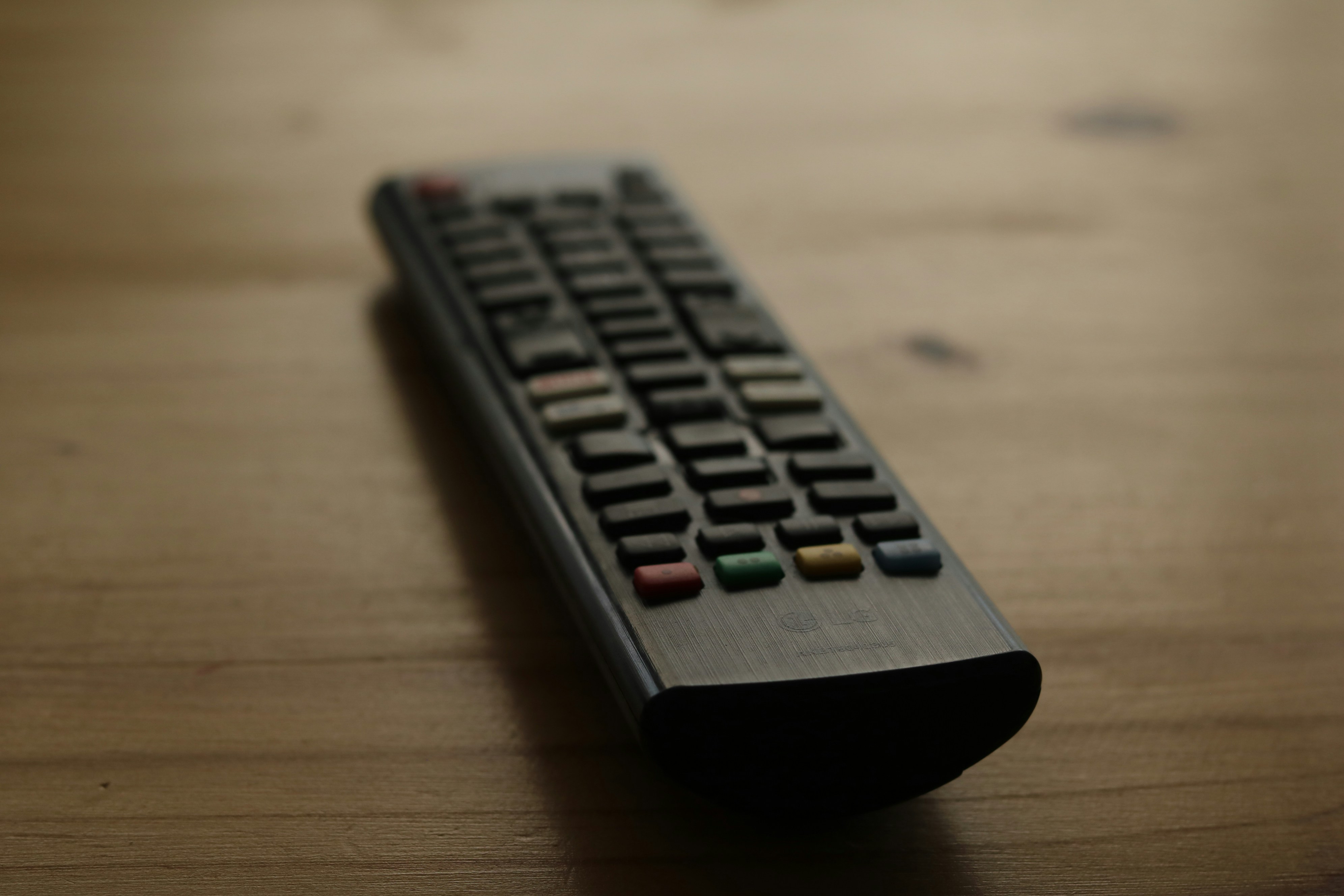
The Magic Remote
LG’s Magic Remote is a game-changer. It features:
- Air Mouse: Point to navigate the cursor on screen.
- Voice Control: Built-in mic for Google Assistant, Alexa, and LG’s own AI voice assistant.
- Scroll Wheel: For easy volume and channel control.
App Ecosystem
webOS supports all major streaming apps: Netflix, Disney+, Hulu, Amazon Prime Video, YouTube, and Apple TV. The interface uses a “card-based” layout that is easy to scan.
AI Concierge (New in 2025)
The latest webOS 25 introduces an AI Concierge. You can ask the TV to “find me a comedy movie from the 90s” or “set the picture to Cinema Mode,” and it will execute the command. This is a significant upgrade from previous voice search limitations.
Note: Check out our Smart TV Reviews for a deeper dive into how webOS compares to Tizen (Samsung) and Android TV (Sony).
📺 WebOS Smart TV Experience and Apps
Audio Quality: Dolby Atmos and AI Sound Pro
Let’s be honest: TV speakers are generally bad. LG is no exception, but they try to mitigate the issue.
Built-in Audio Performance
- OLED Models: The LG G5 and C5 have surprisingly decent built-in sound. They use AI Sound Pro to upmix stereo content to a virtual surround sound. The bass is punchier than most LCDs, but it still lacks physical depth.
- LED Models: The QNED and NanoCell series have tiny, flat sound. You will need a soundbar for these.
Dolby Atmos Support
Most mid-range and up LG TVs support Dolby Atmos. However, without upward-firing speakers (which only the top-tier G5 has), the “height” effect is simulated, not physical.
WOW Orchestra
If you own an LG soundbar (like the S90QY), you can use WOW Orchestra to sync the TV’s built-in speakers with the soundbar for a wider soundstage. This is a unique advantage of staying within the LG ecosystem.
🔊 Audio Quality: Dolby Atmos and AI Sound Pro
LG vs. Samsung vs. Sony: The Big Three Showdown
When people ask “Is LG good?”, they are often comparing it to Samsung and Sony. Here is the breakdown:
LG vs. Samsung
- Picture Quality: LG OLEDs beat Samsung QLEDs in contrast and viewing angles. Samsung QLEDs beat LG LEDs in brightness and color volume.
- Gaming: LG wins for PC gamers (G-Sync). Samsung wins for console gamers who prefer a more “vivid” look out of the box.
- Smart Platform: webOS (LG) is more intuitive than Tizen (Samsung).
- HDR Format: LG supports Dolby Vision (better for movies). Samsung supports HDR10+ (better for some live sports).
LG vs. Sony
- Picture Processing: Sony’s Cognitive Processor XR is often considered the best in the industry for color accuracy and motion handling. LG’s α1 AI Processor is a close second, especially for gaming.
- Price: LG offers better value. You get more features (like HDMI 2.1 on all ports) for less money than a comparable Sony.
- Design: Sony TVs often have more premium, minimalist designs. LG’s designs are functional but can look a bit “techy.”
Expert Insight: According to CHOICE, LG ranks higher in overall brand satisfaction and reliability than Samsung. However, Sony often edges out LG in pure picture processing for high-end LED models.
🆚 LG vs. Samsung vs. Sony: The Big Three Showdown
Common Issues and How to Fix Them
Even the best TVs have quirks. Here are the most common LG TV issues and how to resolve them.
1. Burn-in (OLED Only)
- Issue: Static images (logos, health bars) leave a ghost image.
- Fix: Enable Pixel Shift and Logo Luminance Scaling in settings. Avoid leaving static images on screen for hours. Modern LG OLEDs have significant burn-in protection, but caution is still advised.
2. Dirty Screen Effect (DSE)
- Issue: Uneven shading in dark gray backgrounds (common on IPS LED panels).
- Fix: Unfortunately, this is a panel limitation. You can try adjusting the Black Level or Gamma settings, but it won’t disappear completely. This is why OLEDs are preferred for dark room viewing.
3. Wi-Fi Connectivity Drops
- Issue: WebOS freezing or apps buffering.
- Fix: LG TVs have known Wi-Fi antenna issues in some models. Try moving the router closer, using an Ethernet cable (highly recommended), or updating the firmware via USB.
4. Remote Not Pairing
- Issue: Magic Remote loses connection.
- Fix: Hold the Home button on the remote for 5 seconds to re-pair. If that fails, replace the battery (it uses a standard AAA).
🛠️ Common Issues and How to Fix Them
Maintenance Tips for Longevity
To keep your LG TV looking and performing its best for years, follow these tips.
1. Regular Firmware Updates
LG frequently releases updates that improve picture processing, fix bugs, and add new features. Go to Settings > All Settings > Support > Software Update regularly.
2. Proper Cleaning
- Screen: Use a microfiber cloth lightly dampened with water or a dedicated screen cleaner. Never use Windex or alcohol.
- Body: Use a dry cloth. Avoid spraying liquid directly on the TV.
3. Ventilation
Ensure there is at least 2-3 inches of space around the TV for airflow. Overheating can shorten the lifespan of the OLED panel and internal components.
4. Power Protection
Use a surge protector to guard against power spikes. LG TVs are sensitive to voltage fluctuations.
Did you know? According to our data on Television Lifespan, OLED TVs have a lifespan of approximately 10,0 hours, which is about 10-15 years of average use.
🔧 Maintenance Tips for Longevity
Conclusion
So, is LG TV good quality? The narrative we started with has a clear resolution: It depends entirely on which panel technology you choose.
If you are chasing the ultimate cinematic experience, with inky blacks, infinite contrast, and gaming performance that feels like magic, then LG OLEDs (C5, G5, B5) are not just “good”—they are industry-leading. They solve the brightness concerns of the past with MLA technology and offer a smart platform (webOS) that is a joy to use. For these models, the answer is a resounding YES.
However, if you are looking at the budget or mid-range LED models (like the UR or NanoCell series), the quality is merely “acceptable.” They suffer from the inherent limitations of IPS panels: washed-out blacks and poor contrast. In this tier, you are paying for the brand name and the smart features, not necessarily the best picture quality per dollar. Here, competitors like Hisense or TCL might offer better raw performance.
The Final Verdict from TV Brands™:
- ✅ Buy an LG TV if: You want an OLED for a home theater, you are a hardcore gamer needing HDMI 2.1 on all ports, or you value a user-friendly smart interface.
- ❌ Skip LG (for now) if: You are on a strict budget and need a large TV for a bright living room where contrast matters less than brightness, or if you are a purist who demands the absolute best color accuracy out of the box (where Sony often edges them out).
Our Top Recommendation:
For 90% of buyers, the LG C5 OLED is the sweet spot. It offers 95% of the performance of the flagship G5 at a much more accessible price point. It is the definitive choice for the modern living room.
Summary of Positives & Negatives (LG C5/G5 Series):
| Positives ✅ | Negatives ❌ |
|---|---|
| Perfect Black Levels (Infinite Contrast) | Lower Peak Brightness than high-end LED/Samsung QLEDs (in non-MLA models) |
| Instantaneous Response Time (<1ms) | Risk of Burn-in (though highly mitigated in modern models) |
| Four Full HDMI 2.1 Ports | Thin Sound (requires a soundbar for true immersion) |
| Excellent Viewing Angles | Remote Control Changes (2025 minimalist design lacks tactile buttons) |
| Dolby Vision & Atmos Support | IPS Panel Issues (on non-OLED models: poor contrast) |
| Intuitive webOS Interface |
🔍 Is LG TV Good Quality? The Verdict
Recommended Links
Ready to upgrade your viewing experience? Here are the top picks and resources to help you find the perfect LG TV or accessories.
👉 Shop LG OLED TVs on:
- LG C5 OLED: Amazon | Best Buy | LG Official
- LG G5 OLED: Amazon | Best Buy | LG Official
- LG B5 OLED: Amazon | Walmart | LG Official
👉 Shop LG QNED/LED TVs on:
- LG QNED90T: Amazon | Best Buy | LG Official
- LG NanoCell 80 Series: Amazon | Walmart
Recommended Accessories & Books:
- LG S90QY Soundbar: Amazon | Best Buy
- The Ultimate Guide to Home Theater: Amazon Book
- HDMI 2.1 Cables (Certified): Amazon
FAQ
What features should I look for when buying an LG TV?
When shopping for an LG TV, prioritize the panel type first. If you want the best picture, look for OLED (specifically C, G, or B series). For gaming, ensure the model has four HDMI 2.1 ports and supports VRR and ALLM. For smart features, check for webOS 25 or later for the best app experience. If you buy an LED model, look for Mini-LED backlighting (QNED series) to minimize the “gray black” issue common in standard IPS panels.
Read more about “🏆 Top 5 Latest LED TV Brands of 2026: The Ultimate Showdown”
Is LG TV good for gaming and streaming?
Absolutely. LG is widely considered the best brand for gaming due to its support for all major VRR standards (G-Sync, FreeSync, HDMI VRR) and near-instantaneous response times. For streaming, the webOS platform is robust, offering all major apps (Netflix, Disney+, etc.) with a smooth interface. The only caveat is that for the best streaming quality, you should use the Dolby Vision format, which LG supports natively, unlike Samsung.
Read more about “Hisense TV 55 Inch: 7 Best Models Reviewed & Rated (2024) 📺”
What are the common issues with LG TVs?
The most common issues are burn-in (on OLEDs, though rare with modern protection), dirty screen effect (on LED models with IPS panels), and Wi-Fi connectivity drops. Burn-in can be mitigated by enabling pixel shift and avoiding static images. DSE is a hardware limitation of the panel and cannot be fully fixed. Wi-Fi issues are often resolved by using an Ethernet cable or updating firmware.
Read more about “🌧️ 10 Top Weatherproof TV Manufacturers (2026) Tested”
Are LG OLED TVs worth the investment?
Yes, for most enthusiasts. The jump in picture quality from a standard LED to an LG OLED is massive, particularly in contrast and motion handling. While they are more expensive, the longevity of the technology and the superior gaming features make them a worthy investment for anyone who values high-quality visuals.
Read more about “Top 7 K TV Brands You Need to Know in 2024 📺”
How does LG TV performance compare to Samsung and Sony?
- vs. Samsung: LG wins on contrast (OLED vs. QLED) and gaming features (G-Sync support). Samsung often wins on peak brightness and color volume in bright rooms.
- vs. Sony: Sony often has slightly better color accuracy and motion processing out of the box. However, LG offers better gaming specs (4 HDMI 2.1 ports) and is generally more affordable for similar screen sizes.
Read more about “📺 Who Really Makes Your TV? The 7 Brands Behind the Logos (2026)”
What makes LG TVs stand out in picture quality?
LG’s OLED technology is the differentiator. The ability to turn individual pixels off creates perfect blacks and an infinite contrast ratio that no LED TV can match. Additionally, their α1 AI Processor does an excellent job of upscaling lower-resolution content and optimizing color and motion in real-time.
Are LG TVs good for gaming?
Yes, they are arguably the best gaming TVs on the market. With 120Hz/14Hz/165Hz refresh rates, HDMI 2.1 on all ports, and VRR support, they provide a lag-free experience for PS5, Xbox Series X, and PC gamers.
What is the lifespan of an LG OLED TV?
Modern LG OLEDs have a lifespan of approximately 10,0 hours to reach half-brightness. For average viewing (4-6 hours a day), this translates to 10-15 years of use. Burn-in is a concern, but with built-in protection features, it is rarely an issue for typical users.
How does LG’s picture quality compare to other brands?
In the OLED category, LG is the benchmark. In the LED category, they are often outperformed by Samsung (in contrast) and Sony (in processing), though their QNED Mini-LED models are closing the gap.
Which TV brand is more reliable, LG or Samsung?
According to CHOICE and other reliability surveys, LG consistently ranks higher in customer satisfaction and reliability scores. They have a strong track record for after-sales support and fewer reported hardware failures compared to Samsung.
Are LG OLED TVs worth the price?
For the picture quality they deliver, yes. While they carry a premium price tag, the combination of perfect blacks, wide viewing angles, and top-tier gaming features justifies the cost for serious viewers.
How long do LG TVs typically last?
With proper care, an LG TV can last 7-10 years or more. OLED panels may degrade slightly over time, but the technology is robust enough to last a decade of regular use.
What are the common problems with LG TVs?
Aside from the previously mentioned burn-in and DSE, some users report software bugs in webOS (often fixed with updates) and remote pairing issues. These are generally minor compared to the hardware reliability.
What are the advantages of buying an LG TV?
The main advantages are superior OLED picture quality, excellent gaming features, user-friendly webOS, and wide viewing angles. They also support Dolby Vision, which is a major plus for movie lovers.
What is the best brand of TV to buy?
There is no single “best” brand, but LG is the best choice for OLED and gaming. Sony is excellent for color accuracy and movie processing. Samsung is great for bright rooms and vivid colors. Your choice depends on your specific needs and budget.
Do LG TVs last long?
Yes, LG TVs are known for their durability. The vertical integration of their manufacturing process (making their own panels) often results in better quality control and longevity.
Do LG TVs have good quality?
Yes, especially their OLED and high-end QNED models. Their budget LED models are decent but not exceptional. Always check the specific model’s reviews before buying.
How long do LG TVs last?
Typically 10+ years for OLEDs and 7-10 years for LEDs, depending on usage patterns and maintenance.
Is LG a good brand of TV?
Yes, LG is a top-tier brand, particularly for those seeking the best in OLED technology and gaming performance.
Is LG better quality than Samsung?
In terms of contrast and gaming, yes. In terms of brightness and color volume in LED models, Samsung often has the edge. It depends on the specific technology (OLED vs. QLED) and your viewing environment.
Which is better: Samsung or LG smart TV?
LG’s webOS is generally considered more intuitive and user-friendly than Samsung’s Tizen. LG also offers a more comprehensive remote control (Magic Remote) compared to Samsung’s standard remote.
Is LG TV better than Sony?
For gaming and value, LG is often better. For out-of-the-box color accuracy and motion handling in movies, Sony often has the edge. Both are excellent choices.
Are LG TVs good for the money?
Yes, especially the C-series OLEDs, which offer flagship performance at a mid-range price. Their LED models are decent value but face stiff competition from cheaper brands like TCL and Hisense.
Read more about “🌍 6 Best Eco Friendly TV Brands for a Greener 2026”
Reference Links
- CHOICE: Samsung vs LG: Which TV brand is best?
- Rtings: LG TV Reviews
- LG Official Website: LG TVs
- Samsung Official Website: Samsung TVs
- Sony Official Website: Sony Bravia TVs
- NVIDIA: G-Sync Compatible List
- Dolby: Dolby Vision Support