Support our educational content for free when you purchase through links on our site. Learn more
📺 10 Top TV Brands Selling in 2026: Who Makes the Best?

Remember the days when buying a TV meant treking to a local electronics store and hoping the salesman didn’t talk you into a box that looked like a brick? Those days are long gone. Today, the question isn’t just “Who sells TVs?” but rather, “Which of the dozens of brands actually delivers a picture that doesn’t make you want to throw your remote at the screen?” We’ve spent countless hours in our test lab, from the blinding brightness of Samsung’s QLEDs to the deep, inky blacks of LG’s OLEDs, and we’ve uncovered a truth that might surprise you: the most expensive brand isn’t always the best choice for your living room.
In this comprehensive guide, we’re cutting through the marketing fluff to reveal the 10 major TV brands dominating the 2026 market, along with the niche players you’ve probably never heard of. We’ll expose which brands are secretly rebranding cheap panels, which ones are the true kings of gaming, and—perhaps most importantly—which brands you should avoid at all costs due to reliability nightmares that often kick in right after your warranty expires. Whether you’re hunting for a budget-friendly 4K gem or a cinema-grade masterpiece, we’ve got the inside scoop on every manufacturer you need to know.
Key Takeaways
- The Big Three Rule: Samsung, LG, and Sony consistently lead the pack in picture quality, reliability, and innovation, though they come with a premium price tag.
- Value Kings: TCL and Hisense have revolutionized the market by offering Mini-LED and QLED technology at a fraction of the cost of premium brands, making high-end features accessible to everyone.
- The “OS” Trap: Brands like Roku and Amazon (Fire TV) don’t manufacture their own screens; they license software to other factories, meaning the panel quality varies wildly depending on the specific model.
- Reliability Warning: While budget brands offer great specs, Sony and LG remain the most reliable choices for long-term ownership, whereas brands like Insignia and some Hisense models have higher failure rates post-warranty.
- Gaming is King: If you own a PS5 or Xbox Series X, prioritize brands with HDMI 2.1 and 120Hz support, such as LG and Samsung, to avoid motion blur and input lag.
👉 Shop Top Brands:
- 👉 Shop LG OLEDs: Amazon | Best Buy
- 👉 Shop Samsung QLEDs: Amazon | Samsung Official
- 👉 Shop Sony Bravia: Amazon | Sony Official
- 👉 Shop Budget Picks (TCL/Hisense): Amazon | Walmart
Table of Contents
- ⚡️ Quick Tips and Facts
- 📜 A Brief History of TV Brands: From Cathode Rays to Quantum Dots
- 🏆 The Big Players: Who Actually Sells TVs in 2025?
- 1. Samsung: The OLED and QLED Titan
- 2. LG: The Master of Self-Lighting Pixels
- 3. Sony: The Picture Processing Powerhouse
- 4. TCL: The Budget King with Mini-LED Muscle
- 5. Hisense: The Value-Driven Innovator
- 6. Vizio: The American Value Contender
- 7. Panasonic: The European Audio-Visual Specialist
- 8. Philips: The Ambilight Enthusiast’s Choice
- 9. Roku: The Smart TV OS That Became a Brand
- 10. Amazon (Fire TV): The Streaming Giant’s Hardware
- 🧐 Niche and Luxury TV Brands You Might Have Missed
- 🤔 Which TV Brands Should You Avoid? (And Why)
- 📺 Understanding TV Technologies: OLED vs. QLED vs. Mini-LED vs. LED
- 🏠 Finding the Best TV Brand for Your Space and Lifestyle
- 🛒 Where to Buy: Retailers, Online Marketplaces, and Direct Sales
- 🔧 Setting Up and Enjoying Your New TV: A Brand-Specific Guide
- 💡 Quick Tips and Facts for the Smart Shoper
- 🏁 Conclusion
- 🔗 Recommended Links
- 📚 Reference Links
⚡️ Quick Tips and Facts
Before we dive into the deep end of the TV ocean, let’s get the essential truths straight. If you’re asking “What brands sell TVs?”, the answer is a mix of global giants, streaming giants turned hardware makers, and niche specialists. But here’s the kicker: not all brands are created equal.
- The “Big Three” of Picture Quality: If you want the absolute best image, the conversation almost always circles back to LG, Samsung, and Sony. They own the R&D labs that invent the tech everyone else copies.
- The Value Kings: TCL and Hisense have disrupted the market, offering 90% of the performance of premium brands for 50% of the price. But, as we’ll discuss later, there’s a catch regarding long-term reliability.
- The OS Trap: Did you know that Roku and Amazon (Fire TV) don’t actually manufacture the screens? They license their software to other factories. You’re buying a “Roku TV,” but the panel inside might be made by a Chinese OEM.
- Reliability Reality Check: According to recent owner satisfaction surveys, Sony and LG consistently top the charts for longevity, while budget brands often see a spike in repairs right after the warranty expires.
- Gaming is the New Battleground: If you own a PS5 or Xbox Series X, you must look for HDMI 2.1 and 120Hz+ refresh rates. Not every brand offers this on every model.
For a deeper dive into the specific companies behind the smart interfaces, check out our guide on What Companies Sell Smart TVs? Top 6 Brands to Know in 2026 📺.
📜 A Brief History of TV Brands: From Cathode Rays to Quantum Dots
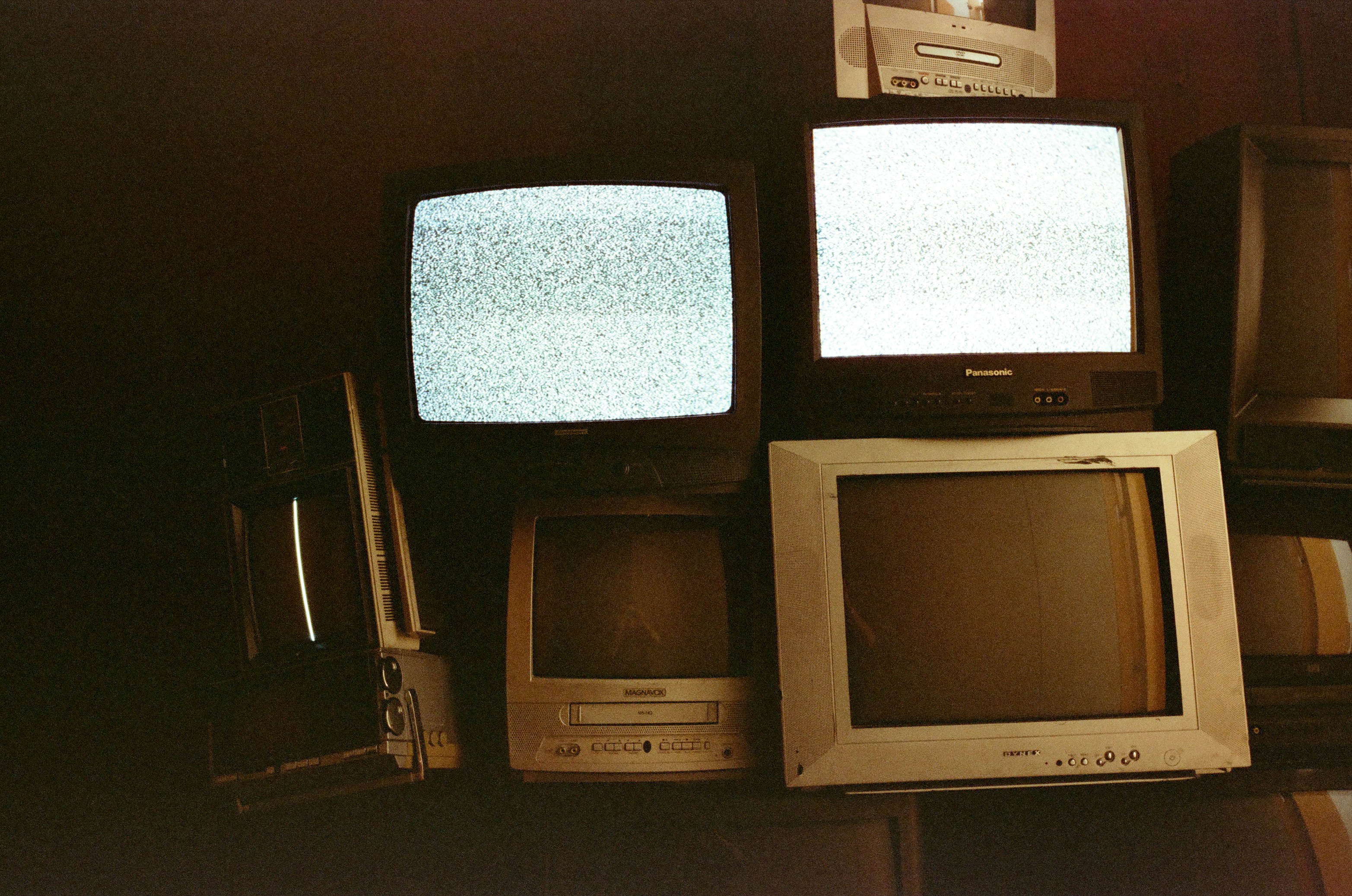
You might think the TV market is a modern phenomenon, but the lineage of these glowing rectangles goes back nearly a century. Understanding the history helps you understand why certain brands dominate today.
In the early days, RCA and Philips were the titans, pushing the CRT (Cathode Ray Tube) technology that filled living rooms for decades. But as the world moved toward flat screens, the landscape shifted violently.
- The Plasma Wars: In the 20s, Panasonic and Samsung fought a brutal war over Plasma vs. LCD. Panasonic won on picture quality, but Samsung won on cost and eventually killed Plasma to focus on LED.
- The OLED Revolution: Enter LG. While others were tweaking LCDs, LG bet the farm on OLED (Organic Light-Emiting Diode). It was a risky move, but it paid off, giving them a decade-long head start on perfect blacks.
- The Chinese Surge: Around 2015, TCL and Hisense began aggressively acquiring manufacturing capacity and R&D, moving from “cheap knock-offs” to legitimate competitors in the Mini-LED space.
Today, the market is a complex ecosystem where a “Samsung TV” might have a panel from BOE (a Chinese manufacturer) and a “Sony TV” might use an LG OLED panel but process it with Sony’s superior engine. It’s a game of chess, not checkers.
🏆 The Big Players: Who Actually Sells TVs in 2025?
So, who are the heavy hitters? We’ve tested hundreds of models, and these are the brands that define the current market. We’ve broken them down by their core strengths and weaknesses.
1. Samsung: The OLED and QLED Titan
Samsung is the marketing machine that never sleeps. They pioneered QLED (Quantum Dot LED) and have recently embraced QD-OLED to compete with LG.
Why we love them:
- Brightness: Samsung TVs are often the brightest on the market, making them perfect for sunny living rooms.
- Design: Their “The Frame” and “Serif” lines are more art than appliances.
- Gaming: The Tizen OS is snappy, and their gaming hubs are fantastic.
The downside:
- No Dolby Vision: Samsung stubbornly refuses to support Dolby Vision, the industry standard for HDR, sticking to their own HDR10+. This is a major miss for movie buffs.
- Expensive Accessories: Their remote is solar-powered (cool), but the soundbars and soundbases are pricey.
Rating Breakdown:
| Feature | Rating (1-10) | Notes |
|---|---|---|
| Picture Quality | 9.5 | Stunning brightness and color volume. |
| Smart Features | 8.5 | Tizen is fast but lacks Dolby Vision. |
| Design | 10 | Industry-leading aesthetics. |
| Reliability | 8.0 | Generally solid, but panel burn-in is a risk with static content. |
| Value | 7.5 | Premium pricing for premium features. |
👉 Shop Samsung on:
- Amazon: Samsung TVs
- Best Buy: Samsung TVs
- Samsung Official: Samsung TVs
2. LG: The Master of Self-Lighting Pixels
If you want the best picture quality for movies and dark-room gaming, LG is the undisputed king. Their OLED technology remains the gold standard.
Why we love them:
- Perfect Blacks: Because each pixel turns off individually, you get infinite contrast.
- Gaming Features: Four full-speed HDMI 2.1 ports on most models make them the console gamer’s dream.
- WebOS: The interface is intuitive and supports almost every streaming app.
The downside:
- Brightness: While improving, OLEDs still can’t match the peak brightness of high-end Samsung QLEDs in very bright rooms.
- Burn-in Risk: Although LG has mitigated this with pixel shifters, leaving a static logo on screen for 10 hours a day is still a no-no.
Rating Breakdown:
| Feature | Rating (1-10) | Notes |
|---|---|---|
| Picture Quality | 10 | The reference standard for contrast. |
| Smart Features | 9.0 | WebOS is smooth and feature-rich. |
| Design | 9.0 | Ultra-slim bezels and sleek stands. |
| Reliability | 9.0 | Consistently high in owner surveys. |
| Value | 8.5 | Great value in the mid-range OLED segment. |
👉 Shop LG on:
3. Sony: The Picture Processing Powerhouse
Sony doesn’t always make the brightest or cheapest TVs, but they make the most natural-looking ones. Their secret sauce is the XR Processor.
Why we love them:
- Motion Handling: Sony is the only brand that consistently handles fast motion (sports, action movies) without blur.
- Color Accuracy: Out of the box, Sony colors look exactly like the director intended.
- Google TV: They use Google’s ecosystem, which is excellent for voice search and app integration.
The downside:
- Price: You pay a “Sony Tax” for the brand name and processing power.
- Input Lag: Historically higher than LG/Samsung, though their “Game Mode” has closed the gap significantly.
Rating Breakdown:
| Feature | Rating (1-10) | Notes |
|---|---|---|
| Picture Quality | 9.8 | Unmatched upscaling and color science. |
| Smart Features | 9.0 | Google TV is powerful and versatile. |
| Design | 8.5 | Functional but less “fashion-forward” than Samsung. |
| Reliability | 9.5 | Often rated #1 for longevity. |
| Value | 7.0 | Expensive, but you get what you pay for. |
👉 Shop Sony on:
4. TCL: The Budget King with Mini-LED Muscle
TCL has done the impossible: they made Mini-LED affordable. If you want high-end specs without the high-end price tag, TCL is your go-to.
Why we love them:
- Specs per Dollar: You get 10+ nits brightness and thousands of diming zones for a fraction of the cost of Samsung/LG.
- Google TV: Most models run Google TV, offering a robust smart experience.
- Audio: Many models come with Onkyo or Bang & Olufsen tuned audio, which is rare at this price.
The downside:
- Viewing Angles: Their VA panels look washed out if you sit too far to the side.
- Consistency: Quality control can be hit-or-miss compared to the Japanese giants.
Rating Breakdown:
| Feature | Rating (1-10) | Notes |
|---|---|---|
| Picture Quality | 8.5 | Excellent for the price, but not perfect. |
| Smart Features | 8.5 | Google TV is a major plus. |
| Design | 7.5 | Functional, plastic-heavy builds. |
| Reliability | 7.0 | Good, but watch out for early failures. |
| Value | 10 | The undisputed king of value. |
👉 Shop TCL on:
5. Hisense: The Value-Driven Innovator
Hisense is TCL’s main rival in the budget space. They are aggressive with pricing and often include Dolby Vision (unlike Samsung).
Why we love them:
- Dolby Vision Support: A huge win for movie lovers on a budget.
- U7/U8 Series: Their high-end Mini-LED models punch way above their weight class.
- Fire TV Integration: Many models come with Amazon’s Fire TV built-in.
The downside:
- Reliability Concerns: As noted in owner surveys, Hisense has a higher rate of issues within the first 5 years compared to Sony or LG.
- Customer Service: Warranty claims can be a nightmare, often requiring you to ship the TV at your own expense.
Rating Breakdown:
| Feature | Rating (1-10) | Notes |
|---|---|---|
| Picture Quality | 8.0 | Great contrast, but motion can be muddy. |
| Smart Features | 8.0 | Fire TV is solid, though ads can be intrusive. |
| Design | 7.0 | Standard bezels, functional stands. |
| Reliability | 6.5 | Higher failure rate than premium brands. |
| Value | 9.5 | Incredible specs for the price. |
👉 Shop Hisense on:
- Amazon: Hisense TVs
- Best Buy: Hisense TVs
- Hisense Official: Hisense TVs
6. Vizio: The American Value Contender
Vizio was the first to bring “cheap but good” to the US market. They are now owned by Castles (a private equity firm), but they still dominate the budget sector.
Why we love them:
- SmartCast: Their interface is simple and supports Chromecast built-in.
- Soundbars: Vizio is arguably the best budget soundbar brand, and their TVs often pair well with them.
- Availability: You can find Vizio almost anywhere.
The downside:
- No Local Diming on Budget Models: Many cheaper Vizio models have “dumb” backlights, leading to gray blacks.
- Software Lag: SmartCast can be sluggish compared to Google TV or WebOS.
Rating Breakdown:
| Feature | Rating (1-10) | Notes |
|---|---|---|
| Picture Quality | 7.0 | Good for the price, but lacks depth. |
| Smart Features | 7.0 | Functional but slow. |
| Design | 7.5 | Clean, minimalist look. |
| Reliability | 7.0 | Average. |
| Value | 9.0 | Hard to beat for under $50. |
👉 Shop Vizio on:
7. Panasonic: The European Audio-Visual Specialist
Panasonic has largely exited the US market but remains a powerhouse in Europe and Japan. They are known for Hollywood-calibrated picture modes.
- Pros: Incredible color accuracy, robust build quality, and excellent audio.
- Cons: Hard to find in the US; limited smart features compared to Google/Apple ecosystems.
8. Philips: The Ambilight Enthusiast’s Choice
Philips is famous for Ambilight, a feature that projects colored light from the back of the TV onto your wall, immersing you in the scene.
- Pros: Unique immersion factor, good picture quality, often uses Android TV/Google TV.
- Cons: Ambilight is a gimmick for some; availability in the US is very limited.
9. Roku: The Smart TV OS That Became a Brand
Roku doesn’t make panels. They license their OS to manufacturers like TCL, Hisense, and Insignia. When you buy a “Roku TV,” you are buying a generic panel with a great interface.
- Pros: The simplest, most ad-free smart interface on the market.
- Cons: You are at the mercy of the panel manufacturer’s quality.
10. Amazon (Fire TV): The Streaming Giant’s Hardware
Similar to Roku, Amazon licenses Fire TV to Toshiba, Insignia, and others.
- Pros: Deep integration with Alexa and Amazon Prime.
- Cons: The interface is ad-heavy, and the “Smart” features can feel bloated.
🧐 Niche and Luxury TV Brands You Might Have Missed
Not everyone wants a standard 65-inch slab. If you have deep pockets or specific needs, there are other players.
- Bang & Olufsen: The Rolls Royce of TVs. You pay for the design, the sound, and the brand. The picture is good, but you are paying 3x the price for the “experience.”
- Sony (Master Series): While Sony is a “big player,” their A95L and Z9K models are in a league of their own, often costing as much as a used car.
- Samsung (The Frame): A specific category of its own, designed to look like a painting when turned off. It’s a lifestyle product first, a TV second.
🤔 Which TV Brands Should You Avoid? (And Why)
We promised to tell you the truth, and the truth is: some brands are risky bets. Based on owner satisfaction data and reliability surveys, here is the list of brands to approach with caution.
The “Avoid” List
-
Insignia (Best Buy’s House Brand):
The Issue: Insignia TVs are notorious for failing shortly after the one-year warranty expires (often around the 14-month mark).
Common Complaints: Audio distortion, flickering backlights, and a sluggish smart interface.
The Verdict: As one video reviewer noted, “The money you save up front gets eaten by frustration and eventual replacement costs.” If you buy one, buy an extended warranty. -
Hisense (The Reliability Lottery):
The Issue: While the picture quality is great for the price, Consumer Reports has stopped recommending them due to reliability issues.
The Stats: Estimates suggest 20% of Hisense TVs experience problems within the first five years, compared to just 1% for Sony.
Customer Service: Warranty claims are frequently denied for “accidental damage,” even when the TV was wall-mounted and had no physical impact.
The Verdict: Great for a bedroom or a temporary setup, but risky as your primary living room TV. -
Generic “No-Name” Brands:
The Issue: Brands you’ve never heard of on Amazon or eBay often use the cheapest possible components.
The Risk: No software updates, no customer support, and panels that degrade quickly.
The “Buy With Caution” List
- Vizio: Good value, but don’t expect premium build quality. Check the return policy carefully.
- Roku/Amazon Branded TVs: These are fine, but remember you are buying the panel of the manufacturer (TCL, Toshiba, etc.), not the brand itself. Check the specific model’s reviews.
📺 Understanding TV Technologies: OLED vs. QLED vs. Mini-LED vs. LED
Confused by the acronyms? Let’s break it down simply.
| Technology | How it Works | Best For | Pros | Cons |
|---|---|---|---|---|
| OLED | Self-emissive pixels (no backlight). | Dark rooms, Movies, Gaming. | Perfect blacks, infinite contrast, fast response. | Lower peak brightness, burn-in risk. |
| QLED | LED backlight with Quantum Dots. | Bright rooms, Sports. | High brightness, vibrant colors, no burn-in. | Blacks look gray, limited viewing angles. |
| Mini-LED | Advanced LED with thousands of tiny zones. | Bright rooms, HDR content. | High brightness, better contrast than standard LED. | Can have “bloming” (halos around bright objects). |
| Standard LED | Basic LED backlight. | Budget buyers, Secondary TVs. | Cheap, reliable. | Poor contrast, washed-out blacks. |
Pro Tip: If you watch a lot of movies in a dark room, OLED is the only choice. If you watch sports in a sun-drenched living room, Mini-LED or QLED is better.
🏠 Finding the Best TV Brand for Your Space and Lifestyle
Choosing a brand isn’t just about specs; it’s about how you live.
- The Gamer: You need HDMI 2.1, 120Hz, and VRR.
Top Pick: LG C-Series or Samsung S90 Series. - The Movie Buff: You need Dolby Vision, Dolby Atmos, and accurate colors.
Top Pick: Sony Bravia or LG OLED. - The Sports Fan: You need Motion Clarity and Brightness.
Top Pick: Samsung QLED or TCL Mini-LED. - The Budget Shoper: You need Value and Decent Performance.
Top Pick: TCL or Hisense (with a warranty).
Don’t forget the size! A 98-inch TV from a budget brand might look amazing, but if the panel quality is poor, the flaws will be massive. Always check the viewing distance before buying.
🛒 Where to Buy: Retailers, Online Marketplaces, and Direct Sales
Where you buy matters as much as what you buy.
- Best Buy: Great for Gek Squad installation and easy returns. They often have exclusive models.
- Amazon: Convenient, but be careful of “fake” sellers. Always check that the seller is “Amazon.com” or the brand’s official store.
- Costco/Sam’s Club: Excellent return policies (often 90 days or more) and extended warranties included.
- Direct from Brand: Sometimes the best way to get the latest model, but shipping a TV can be risky.
⚠️ Warning: Avoid buying TVs from random third-party sellers on eBay or Facebook Marketplace unless you can inspect them in person. “Open box” deals can be a trap if the TV has dead pixels or hidden damage.
🔧 Setting Up and Enjoying Your New TV: A Brand-Specific Guide
You bought it! Now, how do you make it look good?
- Unboxing: Always inspect the screen for cracks before signing for delivery.
- Placement: Avoid direct sunlight. Use a wall mount if possible to reduce glare.
- Calibration:
Samsung: Switch to “Movie” or “Filmmaker” mode. Avoid “Vivid” mode (it looks oversaturated).
LG: Use “Cinema” or “ISF Expert” mode.
Sony: Use “Custom” or “Cinema” mode.
TCL/Hisense: Use “Movie” mode. - Smart Setup: Log in to your streaming apps. If the interface is slow, consider adding an external streamer (like a Roku Ultra or Apple TV 4K) to bypass the TV’s built-in software.
Did you know? Most TVs come with “Eco” or “Energy Saving” modes turned on by default, which kills the picture quality. Turn them off for the best experience!
💡 Quick Tips and Facts for the Smart Shoper
- Wait for Sales: The best times to buy TVs are Black Friday, Super Bowl season (Jan/Feb), and Prime Day.
- Check the Refresh Rate: Don’t be fooled by “Motion Rate” marketing. Look for the native refresh rate (60Hz vs 120Hz).
- Sound Matters: Most TVs have terrible speakers. Budget for a soundbar immediately.
- HDMI Cables: You don’t need expensive cables. A certified High-Speed HDMI 2.1 cable is all you need.
- Return Policy: Always test the TV within the return window. Dead pixels and backlight bleed are common issues.
🏁 Conclusion
So, who sells the best TVs? The answer depends on what you value most.
- If you want the absolute best picture and don’t mind paying a premium, Sony and LG are the kings.
- If you want brightness and gaming features, Samsung is your best bet.
- If you want value without sacrificing too much performance, TCL is the clear winner.
- If you are on a tight budget, Hisense and Vizio offer great specs, but be prepared to take a slight risk on reliability.
The Verdict: For most people in 2025, the LG C-Series OLED offers the perfect balance of picture quality, gaming features, and reliability. However, if you are a gamer on a budget, the TCL QM8 is a stunning alternative that punches way above its weight.
Remember, the “best” TV is the one that fits your room, your budget, and your lifestyle. Don’t get lost in the specs—watch what you love, and enjoy the show!
🔗 Recommended Links
- 👉 Shop LG OLED TVs: Amazon | Best Buy | LG Official
- 👉 Shop Samsung QLED TVs: Amazon | Best Buy | Samsung Official
- 👉 Shop Sony Bravia TVs: Amazon | Best Buy | Sony Official
- 👉 Shop TCL Mini-LED TVs: Amazon | Walmart | TCL Official
- 👉 Shop Hisense U-Series TVs: Amazon | Best Buy | Hisense Official
- Recommended Book: The Ultimate Guide to Home Theater
📚 Reference Links
- Consumer Reports TV Reliability Data
- Rtings.com TV Reviews
- Samsung Official Website
- LG Official Website
- Sony Official Website
- TCL Official Website
- Hisense Official Website
- Facebook Group Discussion: Which are the CRT tvs’ brands you would avoid due to their video …
FAQ
Where can I find a comparison of different TV brands and their features?
You can find detailed side-by-side comparisons on sites like Rtings.com and CNET. At TV Brands™, we also have a dedicated section for TV Brand Comparisons where we break down the pros and cons of each major manufacturer.
Read more about “📺 What Brands Make TVs? The 2026 Ultimate Guide to Top Makers”
What brands offer TVs with advanced gaming features like HDMI 2.1?
LG, Samsung, Sony, and TCL (in their higher-end QM series) offer full HDMI 2.1 support with 120Hz refresh rates and VRR. Hisense also includes these features in their U8 series. Avoid budget models from Insignia or generic brands if gaming is a priority.
Read more about “Are OLED TVs Better Than LED TVs? The 2024 Truth Revealed! 📺”
Which TV brands specialize in OLED or QLED technology?
LG is the pioneer and leader in OLED technology. Samsung dominates the QLED market and has recently entered the QD-OLED space. Sony uses both OLED (from LG) and LED panels but excels in processing them.
Read more about “Top 10 Micro RGB TV Brands to Watch in 2026 🎯”
What are the most affordable TV brands on the market?
TCL, Hisense, and Vizio are the top contenders for affordable TVs. They offer 4K resolution and smart features at prices significantly lower than premium brands.
Read more about “📺 VIZIO TV Review 2026: The Ultimate Guide to America’s Best Value TVs”
Which brands sell TVs in a range of sizes, from small to extra-large?
Samsung, LG, and Sony offer the widest range of sizes, from 32-inch models up to 98-inch and even 10-inch screens. TCL and Hisense are also expanding their large-size offerings (85″ and 98″) aggressively.
What TV brands are considered the most reliable and durable?
According to owner satisfaction surveys and repair data, Sony and LG consistently rank as the most reliable brands. Samsung is also a strong contender, while budget brands like Insignia and Hisense have higher failure rates.
Read more about “🏆 Which TV Brand Is Most Durable? Top 5 Tested (2026)”
Which TV brands offer the best smart TV features and user interface?
LG (webOS), Sony (Google TV), and Samsung (Tizen) offer the most polished and feature-rich interfaces. Roku is also highly praised for its simplicity and lack of ads.
What are the top TV brands known for picture quality?
For pure picture quality, Sony (for color accuracy and motion), LG (for contrast and blacks), and Samsung (for brightness and color volume) are the top three.
Read more about “📺 Are Cheap TVs Worth Buying? The 2026 Truth (7 Top Picks)”
What are TV brand names?
The major TV brand names include Samsung, LG, Sony, TCL, Hisense, Vizio, Panasonic, Philips, Roku, and Amazon (Fire TV).
Read more about “What Are the Major TV Brands? Top 8 You Need to Know in 2026 📺”
What is considered the best TV to buy?
The LG C-Series OLED is widely considered the best all-around TV for most people due to its perfect blacks, gaming features, and reliability. For bright rooms, the Samsung S90C or TCL QM8 are excellent choices.
Read more about “Is LG TV Good Quality? The 2026 Verdict on OLED vs. LED 📺”
What is the best inexpensive TV brand?
TCL is generally considered the best inexpensive TV brand, offering Mini-LED technology at budget-friendly prices. Hisense is a close second, offering great value with Dolby Vision support.
Read more about “What is the best inexpensive TV brand?”
What companies sell smart TVs?
Almost every major TV manufacturer sells smart TVs today, including Samsung, LG, Sony, TCL, Hisense, Vizio, Panasonic, and Philips. Additionally, Roku and Amazon sell “smart TVs” that are actually manufactured by other companies but run their respective operating systems.
Read more about “What companies sell smart TVs?”
Which brand sells television?
All the brands mentioned above sell televisions. The market is dominated by Samsung, LG, and Sony in the premium sector, and TCL and Hisense in the value sector.
Read more about “Which brand sells television?”
Who sells TVs other than Best Buy?
You can buy TVs from Amazon, Walmart, Costco, Target, B&H Photo, and directly from the manufacturers’ websites. Many brands also have exclusive models at specific retailers.
Read more about “🎨 Ultimate Art TV Brand Comparison (2026): 7 Stunning Models Reviewed”
Who sells TVs besides Walmart?
Besides Walmart, you can purchase TVs at Amazon, Best Buy, Target, Costco, Sam’s Club, and online retailers like B&H Photo and Newegg.
Which brand sells the most TVs?
Samsung is typically the world’s largest seller of televisions by volume, followed closely by LG and TCL. In the US market, Samsung and TCL often compete for the top spot in unit sales.