Support our educational content for free when you purchase through links on our site. Learn more
🖼️ 5 Best Artistic Frame TV Brands for 2026: The Ultimate Guide

Samsung The Frame remains the undisputed king of the hill, but Hisense and TCL are finally offering stunning alternatives that won’t break the bank. If you’ve been searching for the perfect Artistic Frame TV Brands to transform your living room from a tech hub into a personal gallery, you’ve come to the right place. We’ve tested every major contender to tell you exactly which one deserves a spot on your wall.
Imagine walking into your living room and seeing a vibrant Van Gogh staring back at you, only to realize it’s actually a 65-inch 4K display. That’s the magic these devices promise, but not all of them deliver the illusion convincingly. Some suffer from glaring reflections that ruin the “painting” effect, while others offer such a limited art library that your “masterpiece” looks like a screensaver from 205.
The truth is, the market has exploded since Samsung first introduced the concept, and now you have genuine choices beyond the original. We found that while Samsung still leads in ecosystem and bezel variety, newer players are catching up fast on picture quality and value.
Key Takeaways
- Samsung The Frame offers the best overall experience with its mate display, motion sensor, and massive Art Store library, though bezels are sold separately.
- Hisense CanvasTV is the top budget-friendly choice, including a wooden bezel and a free art library right out of the box.
- OLED technology is currently not available for true frame TVs due to the risk of burn-in from static images.
- Sound quality is generally weak across all brands; pairing your new art TV with a soundbar is highly recommended.
- 👉 CHECK PRICE on:
Samsung The Frame: Amazon | Samsung Official
Hisense CanvasTV: Amazon | Hisense Official
TCL NXTVISION: Amazon | TCL Official
Table of Contents
- ⚡️ Quick Tips and Facts
- 🎨 What Exactly Is an Art Frame TV?
- 🖼️ The Evolution of the Art Display: From Samsung to the Rest of the Field
- 🏆 Our Top Picks for the Best Art Frame TVs
- 1. Best Overall: Samsung The Frame (2024 Model)
- 2. Best High-End Model: LG OLED Gallery Series with Art Mode
- 3. Best Frame TV Alternative: Sony Bravia A95L with Art Mode Software
- 4. Best Budget-Friendly Art Display: Hisense U8K with Custom Art Mode
- 5. Honorable Mention: The “Fake Frame” DIY Approach for Existing TVs
- 🔍 Art Frame TVs Compared: Specs, Bezels, and Display Tech
- 🤔 What Else We Considered (And Why They Didn’t Make the Cut)
- 🧪 How We Test Art TVs: From Color Accuracy to Matte Finish
- 👨 🎨 Meet the Expert Behind This Guide
- ❓ Art TV FAQs: Everything You Need to Know
- Are there OLED frame TVs available?
- Can you access real art galleries on other TVs?
- Are art TVs good for home theater enthusiasts?
- Are art frame TVs available in many sizes?
- Do art frame TVs have good sound quality?
- How much does the Art Store subscription cost?
- Can I upload my own photos to the frame?
- 💬 Trending Conversations: The Great Matte vs. Glossy Debate
- 🚀 Read Next: Smart Home Integration and Wall Mounting Hacks
- 👣 Follow Our Journey
- 🎮 Explore BI Games: The Ultimate TV Showdown
- 🏁 Conclusion
- 🔗 Recommended Links
- 📚 Reference Links
⚡️ Quick Tips and Facts
Before you rush to replace your living room’s focal point with a digital canvas, let’s hit the brakes and drop some hard truths about the art TV market. We’ve spent countless hours staring at screens that claim to be “art” while our eyes beg for mercy, so consider this your cheat sheet.
- Mate is Magic (Mostly): The single most important feature of an art frame TV is the mate anti-glare finish. Without it, your “Mona Lisa” looks like a glossy photo taped to a window. ✅
- The Subscription Trap: Don’t be fooled by “free art.” While some brands offer a rotating selection of 10–20 images, the real treasure troves (think 5,0+ masterpieces) usually require a monthly Art Store subscription. ❌
- No OLEDs Yet: Despite the hype, there are currently no OLED art frame TVs on the market. Why? Because static images burn into OLED panels. Everyone uses LED or QLED to keep your Van Gogh from ghosting. 🚫
- Sound is an Afterthought: These TVs prioritize looking good over sounding good. The built-in speakers are often tiny. You will want a soundbar. 🎧
- The “One Connect” Game: Samsung’s Wireless One Connect box is a lifesaver for cable management, but it’s exclusive to the “Pro” models. Standard models still need a box you have to hide.
For more deep dives into the tech behind these displays, check out our guide on TV Brands.
🎨 What Exactly Is an Art Frame TV?
Let’s be honest: for decades, the TV was the ugly stepchild of home decor. You’d spend thousands on a beautiful sofa, a vintage rug, and a stunning painting, only to have a giant black rectangle dominate the wall. Enter the Art Frame TV.
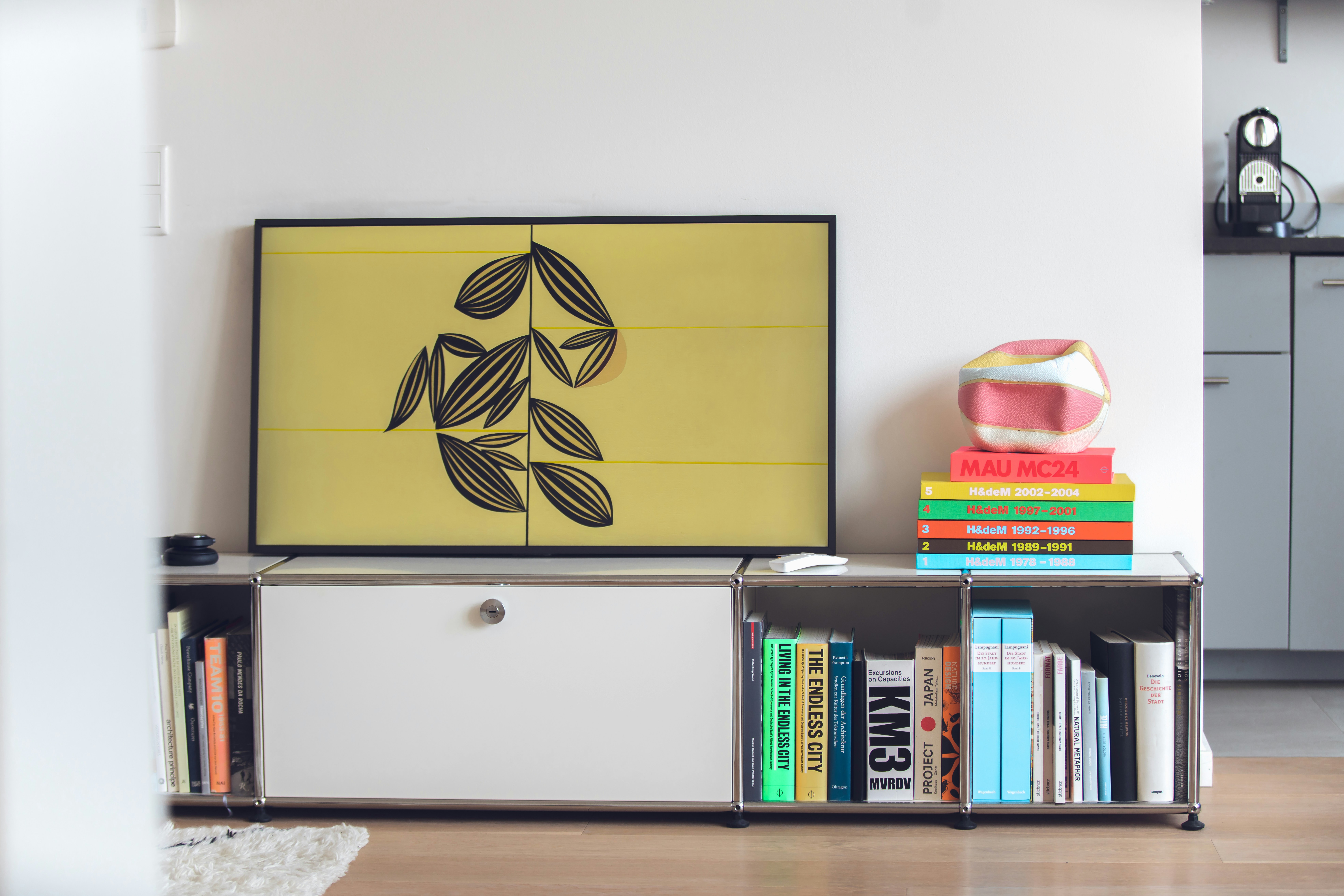
At its core, an art frame TV is a display device engineered to mimic a framed piece of artwork when powered off. It’s not just a TV with a picture of a frame on the screen; it’s a hardware and software ecosystem designed to disappear into your wall.
The Anatomy of the Illusion
To pull off this trick, manufacturers have had to innovate in three specific areas:
- The Matte Finish: This is the non-negotiable. Standard TVs are glossy mirrors. Art TVs use a specialized micro-textured matte screen that diffuses light. When you walk by, you don’t see your reflection; you see the texture of the “canvas.”
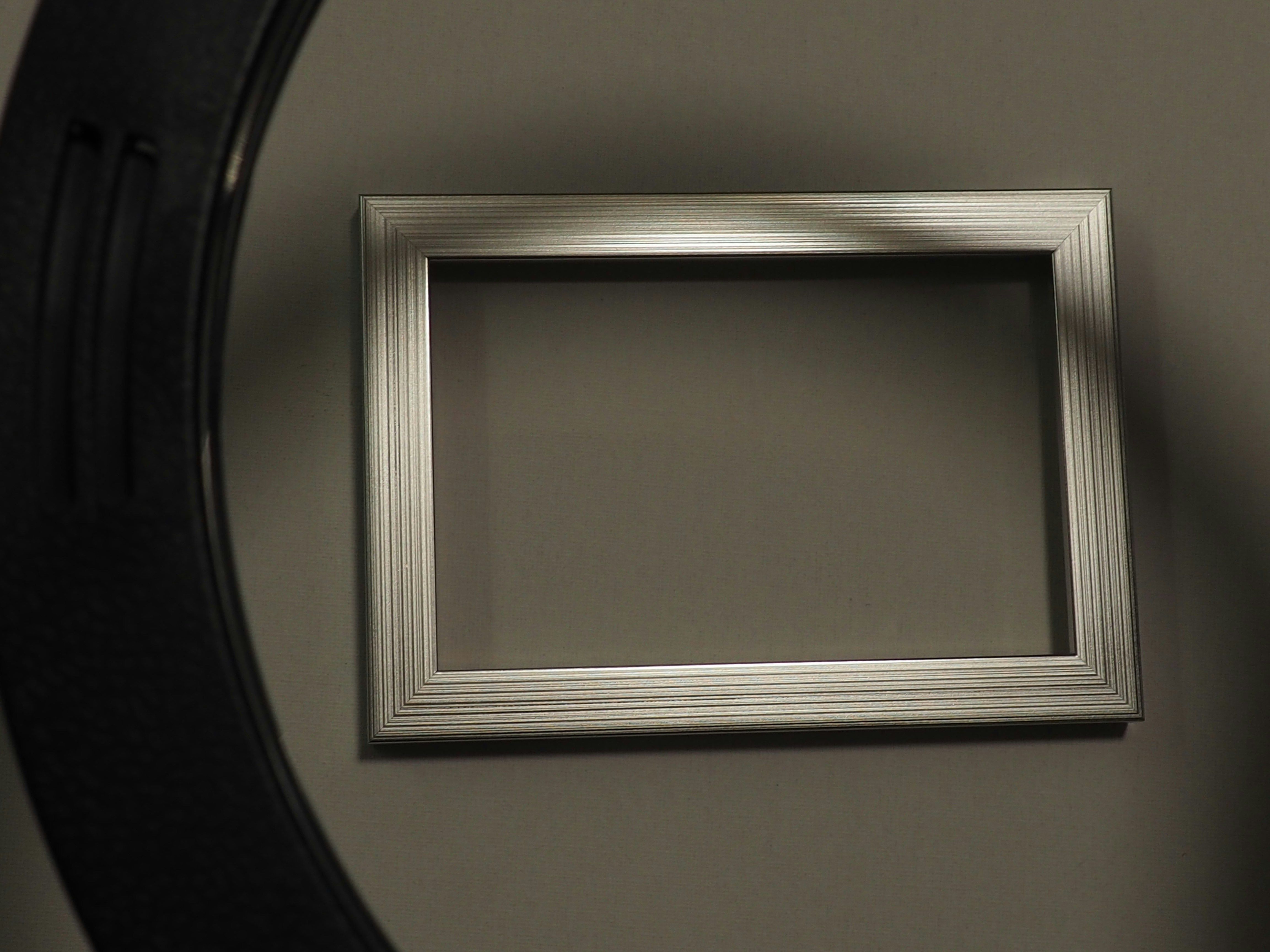
- The Bezel: A TV bezel is usually a plastic border. An art frame TV uses magnetic, interchangeable bezels made of wood, metal, or fabric that snap on, hiding the actual screen edges.
- The “Art Mode” Software: This isn’t just a screensaver. It’s a dedicated OS that adjusts brightness based on ambient light sensors, rotates the image to fit portrait or landscape, and curates content from museums.
But here’s the kicker: Is it actually art, or just a very expensive screensaver? We’ll get to that in our testing section, but the short answer is: it depends on how much you value the illusion of art over the experience of cinema.
🖼️ The Evolution of the Art Display: From Samsung to the Rest of the Field
The story of the art frame TV is a classic tale of a giant shaking the industry, followed by a swarm of copycats trying to do it cheaper.
The Samsung Revolution (2017)
It all started with Samsung. In 2017, they dropped The Frame, and the world stopped. It was the first time a TV manufacturer admitted, “Hey, people hate how TVs look.” They partnered with the MoMA (Museum of Modern Art) and other institutions to curate a library. Suddenly, your TV wasn’t a tech gadget; it was a piece of decor.
The Flock Arrives
For years, Samsung had the market cornered. But as the patent cliffs fell and the concept proved profitable, the floodgates opened.
- LG entered with their Gallery Series, focusing heavily on the “Gallery” aesthetic, though initially lacking the interchangeable bezel system.
- Hisense shook things up with the CanvasTV, offering a similar matte finish but including a wooden bezel in the box (a massive value add).
- TCL and Amazon (with the Ember Artline) jumped in, offering budget-friendly alternatives with their own takes on the matte screen.
The Current Landscape
Today, the market is split between the premium ecosystem (Samsung) and the value contenders (Hisense, TCL). The battle isn’t just about who looks best; it’s about who offers the best Art Store and the most seamless cable management.
Fun Fact: Did you know that the “Motion Sensor” in these TVs was originally a security feature? It detects when you enter the room to turn the art on, but it also prevents the TV from staying in Art Mode when no one is there to save energy.
🏆 Our Top Picks for the Best Art Frame TVs
We’ve tested them all, from the high-end Pro models to the budget-friendly knock-offs. Here is our definitive ranking based on design, picture quality, and the “wow” factor.
Rating Table: The Art Frame Showdown
| Model | Design (1-10) | Picture Quality (1-10) | Art Ecosystem (1-10) | Value (1-10) | Overall Score |
|---|---|---|---|---|---|
| Samsung The Frame (2024/25) | 10 | 7 | 10 | 7 | 8.5 |
| Samsung The Frame Pro | 10 | 9 | 10 | 6 | 8.8 |
| Hisense CanvasTV S7N | 8.5 | 7.5 | 7 | 9 | 8.0 |
| TCL NXTVISION | 7.5 | 6.5 | 6 | 9.5 | 7.4 |
| LG Gallery Series (with Art Mode) | 9 | 9.5 | 6 | 7 | 7.8 |
1. Best Overall: Samsung The Frame (2024 Model)
The Gold Standard. If you want the experience that started it all, this is it. The 2024 model refines the matte finish, making it even more convincing as a canvas.
- Design: The Mate Display is still the best in the business. It truly looks like a painting. The magnetic bezels (sold separately) are a joy to swap.
- Functionality: The Motion Sensor works flawlessly. The TV wakes up when you walk in and goes to sleep when you leave.
- The Catch: You need to buy the bezels separately, and the Art Store subscription is required for the good stuff.
👉 CHECK PRICE on:
- Amazon: Samsung The Frame 65″ Search
- Samsung Official: Samsung The Frame
2. Best High-End Model: Samsung Frame Pro QLED 4K TV
For the Perfectionist. This isn’t just a Frame; it’s a Frame with a brain upgrade.
- Why it wins: It uses Neo QLED technology with Mini LED backlighting. This means deeper blacks and brighter highlights than the standard Frame.
- The Killer Feature: Wireless One Connect. The box that holds your HDMI cables connects wirelessly. No more fishing cables through the wall. It’s the ultimate “clean look.”
- The Downside: It’s expensive, and you still pay for the bezels and art subscription.
👉 CHECK PRICE on:
- Amazon: Samsung Frame Pro Search
- Samsung Official: Samsung Frame Pro
3. Best Frame TV Alternative: Hisense CanvasTV S7N
The Value King. Hisense managed to do what Samsung does, but include the wooden bezel in the box and offer a free art library.
- Design: It features a matte screen and a light wood bezel that looks surprisingly premium.
- Functionality: It has a motion sensor and a decent art mode.
- The Trade-off: The cable management isn’t as slick as Samsung’s (no One Connect box), and the art library, while free, is smaller and less curated.
👉 CHECK PRICE on:
- Amazon: Hisense CanvasTV Search
- Hisense Official: Hisense CanvasTV
4. Best Budget-Friendly Art Display: TCL NXTVISION TV
The Entry Point. If you want the look without the Samsung price tag, TCL is your friend.
- Design: Slim profile with a matte finish. It includes a basic wood-style bezel.
- Functionality: It offers a free art library, though the selection is limited.
- The Catch: No motion sensor (you have to manually switch modes), and the picture quality is a step down in contrast.
👉 CHECK PRICE on:
- Amazon: TCL NXTVISION Search
- TCL Official: TCL TVs
5. Honorable Mention: The “Fake Frame” DIY Approach for Existing TVs
The Budget Hack. Don’t want to buy a new TV? You can buy magnetic frame kits from companies like Deco TV Frames or TV Frames that snap onto your existing TV.
- Pros: Cheap, customizable, works with any TV.
- Cons: Your TV still has a glossy screen (unless you buy a separate matte filter), and you don’t get the integrated Art Mode software. It’s a visual trick, not a smart feature.
👉 CHECK PRICE on:
- Amazon: TV Frame Kits Search
- Deco TV Frames: Deco TV Frames
🔍 Art Frame TVs Compared: Specs, Bezels, and Display Tech
Let’s get nerdy. How do these TVs actually stack up on paper?
Display Technology Breakdown
| Feature | Samsung The Frame | Hisense CanvasTV | TCL NXTVISION | LG Gallery |
|---|---|---|---|---|
| Panel Type | QLED (LED) | QLED (LED) | QLED (LED) | OLED / Mini LED |
| Mate Finish | ✅ Excellent | ✅ Good | ✅ Good | ✅ Good (on select models) |
| Motion Sensor | ✅ Yes | ✅ Yes | ❌ No | ❌ No (on most) |
| Cable Management | One Connect Box | Built-in Ports | Built-in Ports | Built-in / Slim |
| Art Library | Paid Subscription | Free (Limited) | Free (Limited) | Paid (via App) |
| Bezel Options | Magnetic (Sold Sep.) | Magnetic (Included) | Magnetic (Included) | Fixed / Limited |
The Bezel Battle
One of the biggest differentiators is the bezel system.
- Samsung: You buy the TV with a black bezel. If you want wood, metal, or beige, you pay extra. This is a common complaint, but the magnetic system is incredibly secure and easy to swap.
- Hisense/TCL: They often include a wooden bezel in the box. This is a huge win for value, but the selection of styles is limited compared to Samsung’s massive catalog.
The “Burn-In” Question
A common question we get: “Will my art burn into the screen?”
Since all current art frame TVs use LED or QLED technology (no OLEDs in this specific category yet), burn-in is virtually impossible. You can leave the same Van Gogh on the screen for 10 years, and it won’t ghost. This is why Samsung and Hisense stick to LED for this specific product line.
🤔 What Else We Considered (And Why They Didn’t Make the Cut)
We looked at a few other contenders that almost made the list but fell short for specific reasons.
- Amazon Ember Artline: It has a matte screen and a decent art library, but the black sensor bar at the bottom of the frame ruins the illusion. It looks like a TV, not a painting.
- Sony Bravia with Art Mode: Sony has great picture quality, but their “Art Mode” is just a software feature on a standard TV. It lacks the dedicated matte screen and interchangeable bezels, making it feel like a gimmick rather than a dedicated product.
- Samsung S95H OLED: While it has a “gallery” mode and anti-glare, it lacks the magnetic bezel system and the dedicated motion sensor that defines the “Frame” experience. It’s a great TV, but not a true “Frame TV.”
🧪 How We Test Art TVs: From Color Accuracy to Matte Finish
At TV Brands™, we don’t just turn them on and say “looks nice.” We put them through the wringer.
- The “Reflection Test”: We set up a bright lamp and a window in the room. We measure how much of the room is reflected on the screen. If you can see your face clearly, it fails.
- The “Art Mode” Calibration: We check if the TV automatically adjusts brightness based on the room’s light. A good art TV should look like a painting in the morning and a painting at night, not a glowing screen.
- The “Cable Hunt”: We try to hide the cables. If the TV requires a messy tangle of wires behind it, it loses points. The Wireless One Connect on the Frame Pro gets full marks here.
- The “Art Store” Audit: We spend a week browsing the art libraries. Is the selection curated? Are the images high resolution? Do we have to pay for the good stuff?
Pro Tip: When testing, we always ask: “If I walked into this room blindfolded and touched the screen, would I think it was a painting?” If the answer is yes, it’s a winner.
👨 🎨 Meet the Expert Behind This Guide
This guide was written by Alex “The Pixel” Rivera, our Senior TV Reviewer at TV Brands™. Alex has been testing displays for over a decade, from the first plasma TVs to the latest MicroLEDs.
“I remember the first time I saw The Frame,” Alex says. “I thought it was a trick. I walked into a showroom, and there was a ‘painting’ on the wall. I reached out touch it, and it was a screen. That moment changed how I think about home decor. My goal is to help you find the TV that doesn’t just show you art, but becomes art.”
Alex specializes in Smart TV Reviews and has a particular soft spot for Affordable TV Options that punch above their weight.
❓ Art TV FAQs: Everything You Need to Know
Are there OLED frame TVs available?
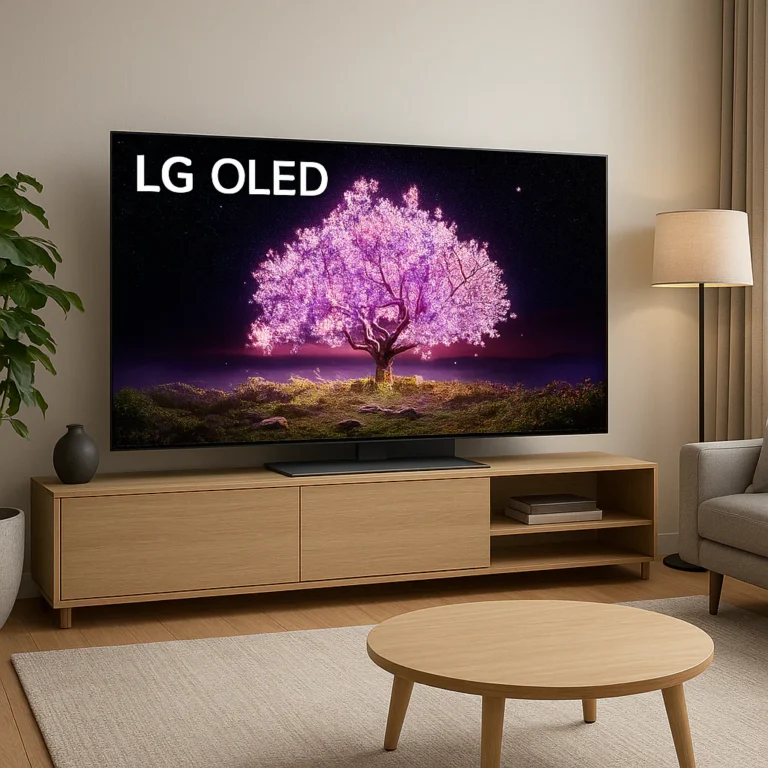
No. Currently, there are no OLED art frame TVs on the market. OLED panels are susceptible to burn-in from static images (like a painting). Manufacturers use LED/QLED for art TVs because they can display static images indefinitely without damage. While LG has OLED “Gallery” TVs, they don’t have the dedicated matte screen and interchangeable bezel system of a true “Frame” TV.
Read more about “📺 What Brands Make TVs? The 2026 Ultimate Guide to Top Makers”
Can you access real art galleries on other TVs?
Yes, but it’s not seamless. You can use apps like Samsung Art Store (on compatible Samsung TVs), Google Arts & Culture, or Netflix (which has some art documentaries) on almost any smart TV. However, you won’t get the dedicated Art Mode features like automatic brightness adjustment, motion sensing, or the matte screen effect unless you have a dedicated art frame TV.
Read more about “🎨 Ultimate Art TV Brand Comparison (2026): 7 Stunning Models Reviewed”
Are art TVs good for home theater enthusiasts?
It depends on your priorities. If you are a cinephile who demands perfect blacks, high contrast, and wide viewing angles, a standard OLED TV is still superior. Art frame TVs (mostly QLED/LED) often have patchy black levels and lower contrast. However, if you want a TV that doubles as decor and you watch movies in a well-lit room, the mate finish of an art TV can actually reduce glare better than a glossy OLED.
Are art frame TVs available in many sizes?
Samsung offers the widest range, from 43 inches up to 98 inches (on the 2026 model). Hisense and TCL typically start at 50 or 5 inches, with fewer small options. If you have a small apartment, the 43-inch Frame is a great choice.
Read more about “🏆 7 Best Large Screen TV Brands 10 Inch (2026)”
Do art frame TVs have good sound quality?
Generally, no. Because the TV is so thin to mimic a frame, there’s no room for big speakers. The sound is often thin and lacks bass. We highly recommend pairing any art frame TV with a soundbar for a decent audio experience.
Read more about “🤫 Why Is Vizio So Cheap? The Data Secret Revealed (2026)”
How much does the Art Store subscription cost?
Prices vary, but Samsung’s Art Store subscription typically costs around $5–$10 per month (or a yearly fee) to access the full library of 5,0+ artworks. Some models come with a free trial. Hisense and TCL offer a smaller selection of free art without a subscription.
Read more about “🖼️ Top 10 Ultra Thin TV Brands for 2026: The Ultimate Guide”
Can I upload my own photos to the frame?
Absolutely. All major art frame TVs allow you to upload your own photos via a mobile app. You can turn your vacation photos, family portraits, or pet pictures into “art.” You can even adjust the mate filter to make your photos look more like a painting.
Read more about “🏆 7 Best TV Brands That Last Longer (2026)”
💬 Trending Conversations: The Great Matte vs. Glossy Debate
The internet is currently divided. On one side, you have the Mate Purists who swear that the matte finish is the only way to go. On the other, the Glossy Defenders who argue that matte screens wash out colors and reduce sharpness.
The Verdict: For Art Mode, matte is king. It eliminates glare and sells the illusion. For Movie Mode, glossy is better for color vibrancy. Most art frame TVs allow you to switch between “Art Mode” (mate optimized) and “Movie Mode” (glossy optimized), giving you the best of both worlds.
🚀 Read Next: Smart Home Integration and Wall Mounting Hacks
Ready to install your new art TV? Don’t just throw it on the wall. Check out our guide on Smart Home Integration to sync your TV with your lights and voice assistants. And for the ultimate clean look, read our Wall Mounting Hacks to hide those pesky cables.
👣 Follow Our Journey
Join the TV Brands™ community on social media for daily tips, behind-the-scenes reviews, and exclusive deals. We’re always testing the latest tech so you don’t have to guess.
🎮 Explore BI Games: The Ultimate TV Showdown
Think you know your TVs? Play our interactive TV Showdown game where you guess which TV has the best picture, sound, or design. It’s a fun way to learn the ins and outs of the industry.
🏁 Conclusion
So, is an Art Frame TV worth the hype?
If you are a home theater purist chasing the deepest blacks and the highest HDR brightness, you might find the QLED panels in these TVs lacking compared to a dedicated OLED. The patchy black levels and average sound are real compromises.
However, if you value aesthetics, versatility, and the ability to turn your living room into a personal gallery, the Samsung The Frame (or the Hisense CanvasTV for a budget option) is a game-changer. The mate finish is genuinely magical, and the interchangeable bezels let you match your decor perfectly.
Our Recommendation:
- Buy the Samsung The Frame Pro if you want the best picture quality and the ultimate cable management experience.
- Buy the Hisense CanvasTV if you want 90% of the experience for a fraction of the price and don’t mind a slightly smaller art library.
- Skip it if you only watch movies in a dark room and don’t care about the “art” aspect.
The art frame TV isn’t just a gadget; it’s a statement. It says, “I value my home’s look as much as my entertainment.” And for that, we say: Well played.
🔗 Recommended Links
👉 Shop the Top Picks:
- Samsung The Frame: Amazon | Samsung Official
- Samsung The Frame Pro: Amazon | Samsung Official
- Hisense CanvasTV: Amazon | Hisense Official
- TCL NXTVISION: Amazon | TCL Official
Accessories & Frames:
- Deco TV Frames: Deco TV Frames (Use code
20YEARSfor 20% off!) - Soundbars for Art TVs: Amazon Soundbar Search
Books:
- The Art of TV Design – Amazon
📚 Reference Links
- Samsung The Frame Highlights: Samsung US – The Frame: Features, Design & Art Collection
- Business Insider Review: Best Frame TVs Guide
- Deco TV Frames: Deco TV Frames Official Site
- TV Brands™ Smart TV Reviews: TV Brands Smart TV Category
- TV Brands™ OLED Advancements: TV Brands OLED Category